
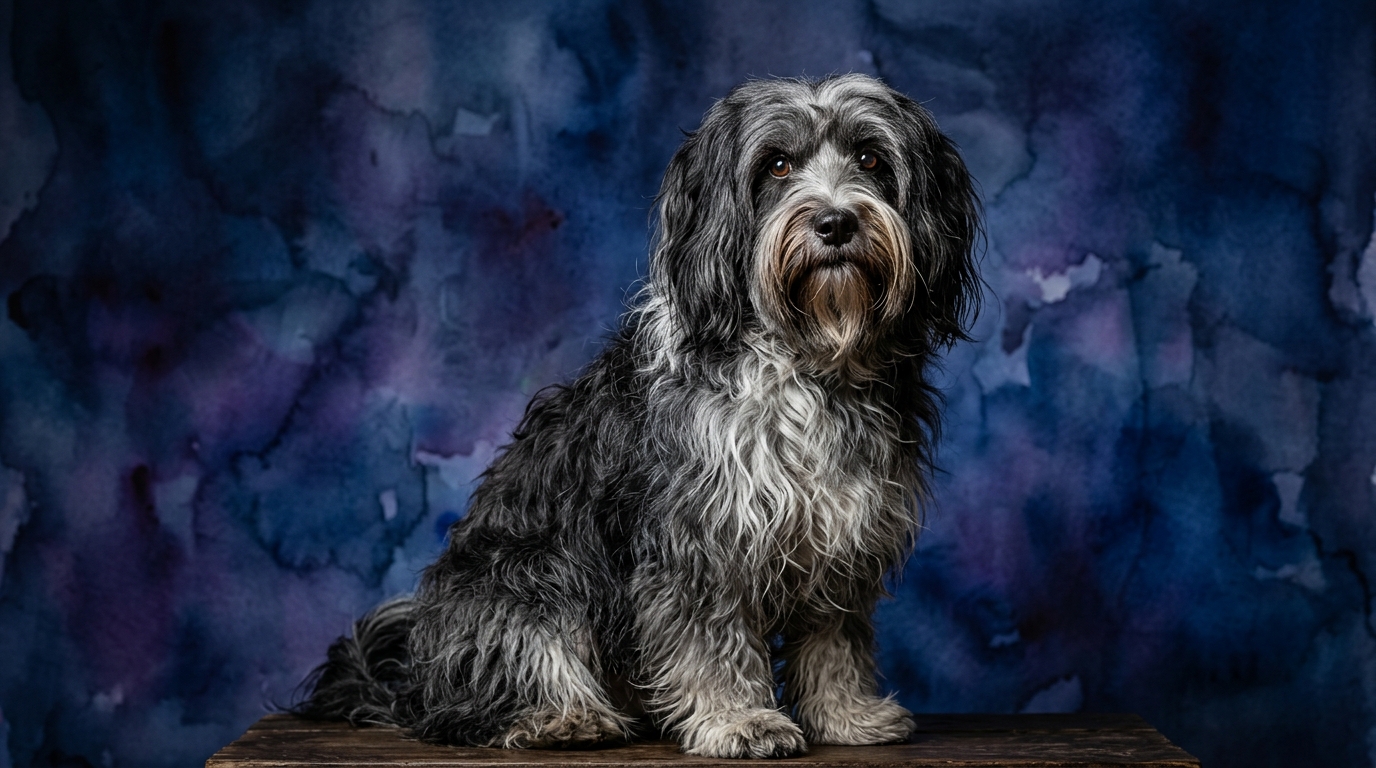
Side-by-Side Cognitive Profiles: Russian Toy vs. Tibetan Terrier
At The Cosmic Pet Pet IQ Lab, we evaluate canine intelligence across five key dimensions. Interestingly, both the Russian Toy and the Tibetan Terrier share identical scores across these categories, each earning a solid 3 out of 5. However, the *manifestation* of these scores differs significantly due to their distinct histories and breed purposes. Understanding these nuances is crucial for any prospective owner.
For the **Russian Toy**, its Problem Solving score of 3/5 reflects an ability to navigate its immediate environment with cleverness, such as figuring out how to retrieve a toy from under furniture or subtly signaling for attention. This isn't about complex multi-step tasks, but rather efficient solutions to everyday challenges within its human-centric world. Training Speed, also 3/5, means they learn new commands at a moderate pace, often eager to please but requiring consistent, positive reinforcement to solidify lessons. Their Social Intelligence (3/5) allows them to keenly observe and respond to their owner's moods and household dynamics, making them perceptive companions, though they might be reserved with strangers. Instinctive Drive, rated 3/5, often translates into a playful chase instinct for toys or small moving objects, coupled with a moderate alert bark. Finally, their Memory (3/5) enables them to retain learned routines, commands, and positive or negative experiences for a reasonable duration, contributing to their adaptability within a stable home.
The **Tibetan Terrier**, with its Coren rank of #63, also scores 3/5 across all five dimensions, but its cognitive expression is flavored by its historical role as a companion and 'holy dog' in harsh mountain environments. Its Problem Solving at 3/5 often manifests in spatial awareness and navigating varied terrains, or in finding creative ways to achieve its own agenda, like opening cabinets. Training Speed (3/5) suggests they are capable learners, but their independent streak means they might require more motivation and engagement, often questioning the 'why' behind a command before complying. Social Intelligence (3/5) makes them observant of both human and animal social cues, allowing them to assess new situations and people with a discerning eye, often choosing their friends carefully. Their Instinctive Drive (3/5) includes a strong sense of territory and a natural inclination to be watchful, stemming from their original purpose as guardians and herders in the Himalayas. Memory (3/5) allows them to remember complex routes, boundaries, and past interactions, which is vital for a breed with a history of navigating challenging landscapes and diverse social structures.
Where the Russian Toy Excels Cognitively
While both breeds share identical 3/5 scores, the Russian Toy often demonstrates a particular cognitive advantage in areas related to intimate companionship and adaptability to a refined indoor lifestyle. Their smaller size and history as lapdogs have honed their ability to read subtle human cues and adapt to household rhythms with remarkable precision. A Russian Toy might excel at quickly learning the specific times for walks, meals, or cuddle sessions, and will use its problem-solving abilities (3/5) to subtly remind its owner if a routine is missed. Their social intelligence (3/5) is often directed inwards, towards their primary human, allowing them to anticipate needs and offer comfort, making them exceptionally attuned emotional barometers within a close relationship. This focus on their human makes their memory (3/5) particularly sharp for personal interactions and routines, ensuring they rarely forget a kind word or a favorite treat.
Where the Tibetan Terrier Shows Unique Strengths
The Tibetan Terrier, despite the shared scores, often presents a cognitive edge in areas reflecting its more robust, independent heritage. Its problem-solving skills (3/5) are frequently applied to spatial puzzles or overcoming minor obstacles, such as figuring out how to open a gate or navigating a complex hiking trail. This breed's instinctive drive (3/5) is often channeled into a vigilant awareness of its surroundings, making it an excellent 'doorbell' and perimeter monitor, a trait refined over centuries of guarding. Their social intelligence (3/5) extends beyond immediate family to a nuanced assessment of strangers, often taking time to decide if new people are trustworthy. This thoughtful approach, combined with their memory (3/5) for past encounters, means they form strong, lasting bonds but are not easily swayed, reflecting a cognitive resilience suited to their ancestral roles and the challenges of mountain life.
Training Dynamics: Eager-to-Please vs. Independent Thinker
When it comes to training, the identical 3/5 Training Speed scores belie a significant difference in approach. The Russian Toy, generally eager to please its human, often responds well to positive reinforcement and clear, gentle instruction. Their sensitivity means they can be easily discouraged by harsh tones or methods, making positive reinforcement not just effective, but essential. They are quick to grasp basic commands and household manners when training is consistent and rewarding, often motivated by praise and small treats. Their desire for connection fuels their willingness to learn, making them relatively straightforward for first-time owners who are patient and consistent.
In contrast, the Tibetan Terrier's 3/5 Training Speed is coupled with a more independent and sometimes stubborn streak. While perfectly capable of learning, they tend to think for themselves and may not always see the immediate benefit in complying with a command. Training a Tibetan Terrier requires creativity, patience, and a deep understanding of positive reinforcement to make lessons engaging and worthwhile from their perspective. They thrive on variety and mental stimulation, and repetitive, uninspired training can lead to boredom and a lack of cooperation. Their Coren ranking of #63 indicates a solid capacity for working and obedience intelligence, but it also reflects a need for a handler who can consistently motivate and lead them, rather than simply dictating commands. They are less about blind obedience and more about partnership, requiring an owner who enjoys the challenge of working with a dog that has its own opinions.
Lifestyle Match: Active Engagement vs. Relaxed Devotion
Matching a dog's cognitive profile to an owner's lifestyle is paramount for a harmonious relationship. The Russian Toy, with its focus on intimate companionship and adaptability to indoor living, is an excellent fit for relaxed owners. They thrive in environments where they can be close to their people, enjoying short walks, indoor games, and plenty of lap time. Their cognitive energy is largely directed towards social interaction and maintaining household harmony, making them ideal for individuals or families seeking a devoted, portable companion who is content with a less demanding exercise regimen, yet still appreciates mental engagement through play and attention.
The Tibetan Terrier, on the other hand, suits more active owners who appreciate a dog with stamina and a need for mental engagement. While they are adaptable to various living situations, their cognitive strengths in spatial problem-solving and observational intelligence mean they benefit greatly from regular outdoor adventures, longer walks, and opportunities to explore new environments. They enjoy activities like hiking, agility, or even trick training that challenge both their bodies and minds. Their discerning social intelligence means they appreciate owners who provide consistent leadership and engage them in varied activities, fulfilling their historical role as a versatile companion with a strong sense of purpose. They are not content to simply be a lapdog, preferring to be an active participant in family life.
The Verdict: Choosing Your Canine Companion
The Verdict
Choose the Russian Toy if you seek a highly attuned, sensitive companion who thrives on close human connection and a more relaxed, indoor-centric lifestyle, appreciating their subtle problem-solving for comfort and attention.
Opt for the Tibetan Terrier if you desire a resilient, independent, and discerning companion who enjoys an active lifestyle, appreciates mental challenges, and offers nuanced social observations.
🧠 Find Your Pet's IQ Score
Our Pet IQ Lab assessment covers 25+ tests across 5 cognitive dimensions — personalized to your breed.
Take the Full IQ Test →Frequently Asked Questions
Are Russian Toys difficult to train?
Russian Toys have a Training Speed of 3/5, meaning they learn at a moderate pace. They are generally eager to please their owners, making them responsive to positive reinforcement and gentle training methods. Consistency is key, and harsh methods should be avoided due to their sensitive nature.
Do Tibetan Terriers need a lot of exercise?
Tibetan Terriers, with their history as mountain dogs, have a moderate instinctive drive (3/5) and benefit from regular physical and mental stimulation. Daily walks, playtime, and opportunities for exploration are important to keep them content and prevent boredom, aligning with their problem-solving and memory skills.
Which breed is better with children?
Both breeds can be good with children, but their social intelligence (3/5) manifests differently. The Russian Toy's delicate nature means they are often better with older, respectful children. The Tibetan Terrier's robust build and discerning nature mean they can tolerate younger children but require early socialization and supervision to ensure positive interactions.