Side-by-Side Cognitive Profiles: Decoding Canine Minds
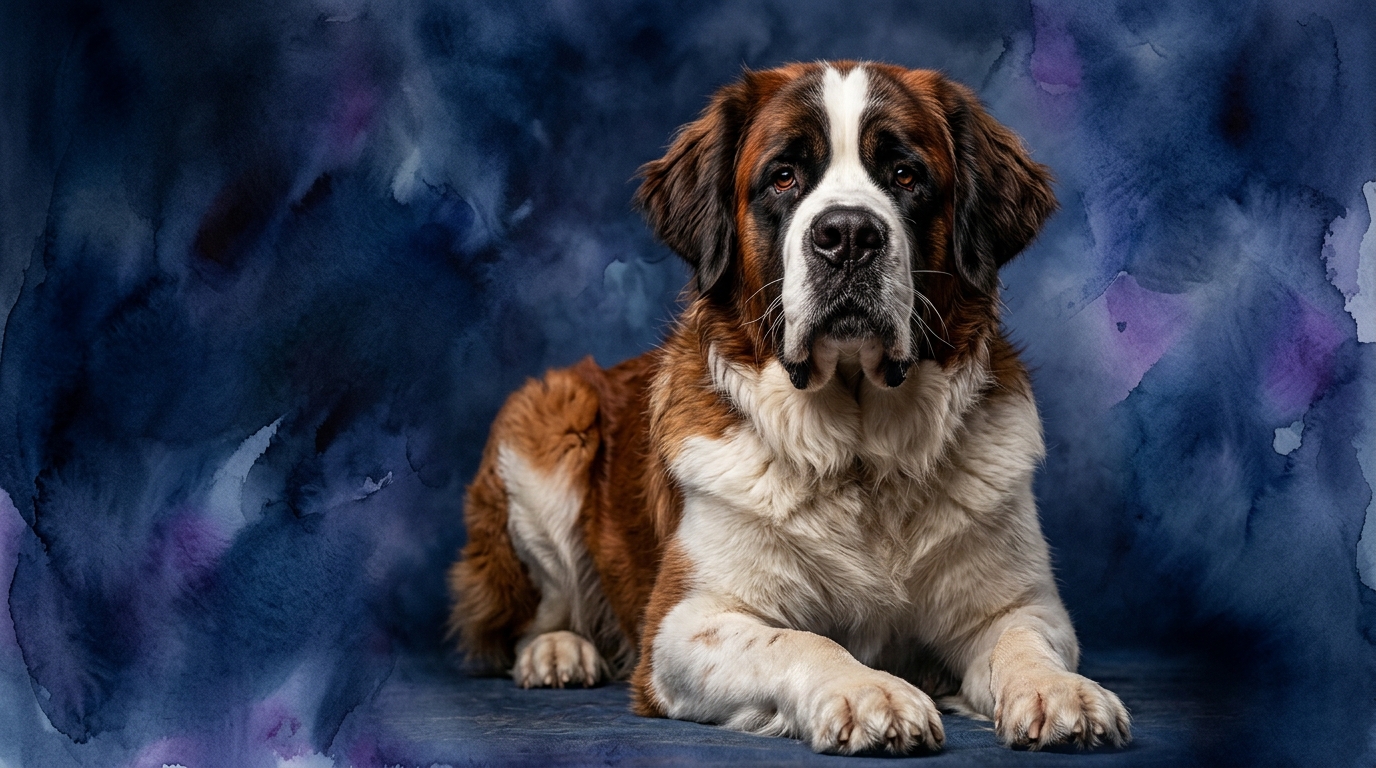
The Saint Bernard, holding a Coren rank of #65, presents a compelling mix of cognitive attributes honed by centuries of rescue work. Their Problem Solving, rated 3/5, suggests a capability for navigating moderately complex situations, often manifesting in their ability to find paths or identify individuals in distress, rather than solving abstract puzzles. A Training Speed of 2/5 indicates a deliberate learning style; they absorb information steadily with consistent reinforcement, but aren't typically quick to pick up new tricks without patient repetition. Their standout trait is Social Intelligence, a robust 4/5; these dogs exhibit a profound sensitivity to human emotional states and social cues, enabling them to form exceptionally deep, empathetic bonds. The Instinctive Drive is an impressive 5/5, reflecting an innate, powerful urge to act on protective or rescue impulses, often taking initiative in perceived crisis. Finally, Memory at 3/5 means they retain core commands and important experiences reliably, though minute details might fade over time.
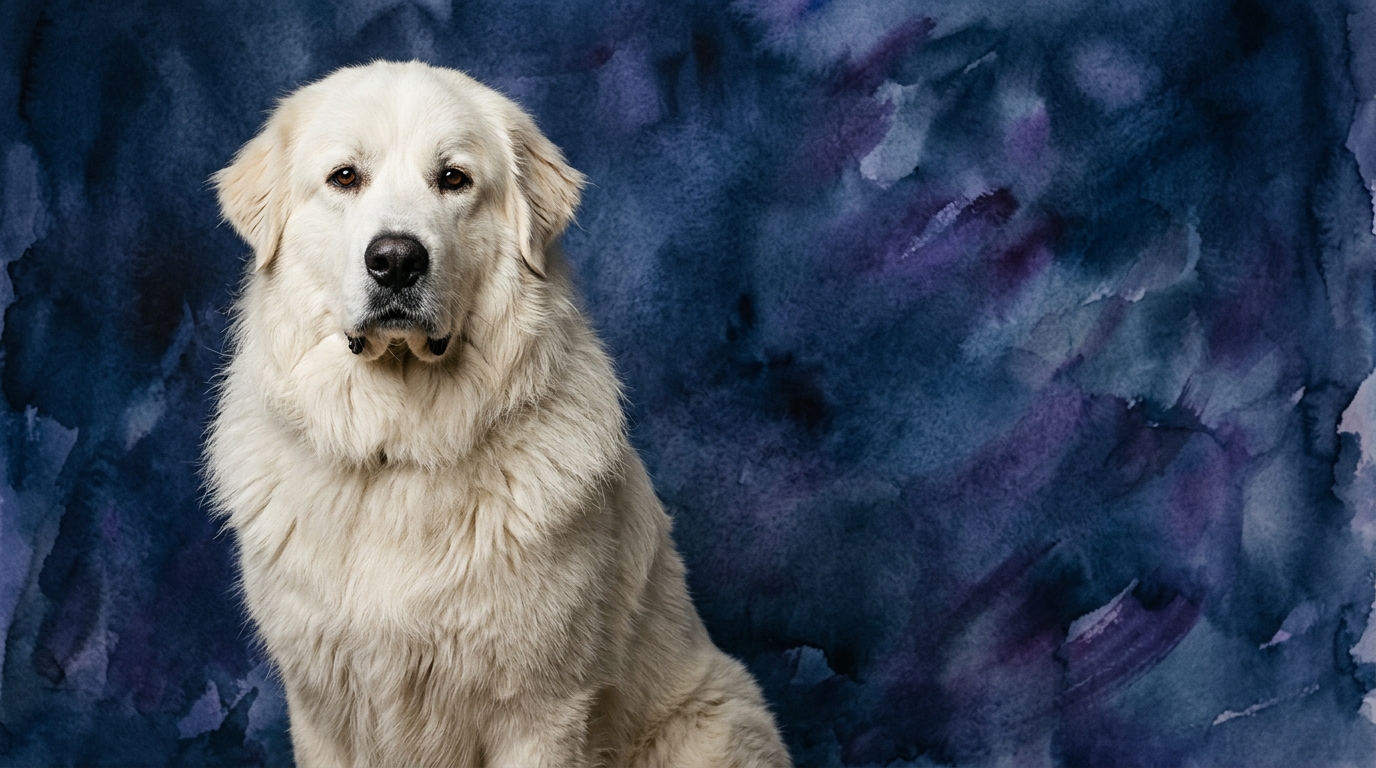
Positioned just above at Coren rank #64, the Great Pyrenees offers a cognitive blueprint shaped by its history as an autonomous livestock guardian. Their Problem Solving, also 3/5, is primarily expressed through practical, real-world applications such as devising strategies to deter perceived threats or navigating challenging terrain while overseeing a flock. A Training Speed of 3/5 implies a moderate learning pace, yet their independent nature often leads them to critically assess commands, weighing them against their own judgment of the situation's priorities. Social Intelligence, at 3/5, indicates a solid understanding of family dynamics and external intentions, though their expression of affection and awareness can be more reserved and less overtly demonstrative. Their Instinctive Drive, 3/5, is highly specialized and intense, focusing almost exclusively on vigilant guarding and territorial protection. Memory, like the Saint Bernard, is 3/5, sufficient for recalling critical information pertaining to their protective duties and established routines.
Where the Saint Bernard Wins Cognitively: The Empathetic Rescuer
The Saint Bernard's distinct cognitive advantage lies in its superior Social Intelligence (4/5) coupled with an unparalleled Instinctive Drive (5/5), which together craft a breed profoundly attuned to human well-being and proactive assistance. These dogs are not merely large companions; they possess an intricate understanding of human emotional states, often reacting to subtle shifts in tone or body language with comforting gestures. This high social IQ allows them to anticipate needs and offer solace, making them exceptional therapy animals or steadfast companions for individuals requiring emotional support. Their empathetic responses are deeply ingrained, extending beyond mere trained behaviors into genuine, intuitive care.
Furthermore, their remarkable 5/5 Instinctive Drive translates into a powerful, inherent urge to protect and assist, famously exemplified by their historical role in alpine rescue missions. This drive means Saint Bernards are predisposed to take initiative in what they perceive as emergencies, often assessing situations and acting without direct human command. For instance, a Saint Bernard might instinctively interpose itself between a child and a perceived danger, or gently nudge a family member who is visibly distressed, relying on an internal moral compass rather than waiting for explicit instructions. This proactive, empathetic, and purposeful drive for intervention significantly differentiates their cognitive approach.
Where the Great Pyrenees Wins Cognitively: The Autonomous Guardian
The Great Pyrenees, while sharing a 3/5 Problem Solving score with the Saint Bernard, applies this cognitive skill in a uniquely independent and self-reliant manner, granting it a distinct edge in autonomous guardianship. Their problem-solving isn't about mastering complex obedience routines, but about independently assessing and responding to environmental threats to their territory or charges. This intellectual self-sufficiency might manifest as strategically positioning themselves on a high vantage point to survey their domain, identifying and blocking escape routes for potential predators, or determining the most effective way to alert their human companions to an intruder's presence. They are masters of their immediate environment, constantly evaluating and adapting.
Their 3/5 Instinctive Drive, though numerically lower than the Saint Bernard's, is intensely specialized and singularly focused on vigilant protection. This translates into a relentless, self-directed patrolling behavior and an unwavering commitment to their perceived duties, often requiring minimal human oversight once their role is established. A Great Pyrenees will frequently make independent judgments about potential threats, relying on their keen senses and deeply ingrained guarding instincts to maintain the security of their domain. They are less about human-directed tasks and more about observing, assessing, and acting on their own initiative to ensure the safety of their flock or family, a crucial and highly specialized cognitive strength for a true livestock guardian dog.
Training Dynamics: Patience vs. Persuasion
Training a Saint Bernard, characterized by their 2/5 Training Speed, absolutely demands a foundation of consistent patience and positive reinforcement. These gentle giants are willing to learn and generally eager to please their human companions, a trait bolstered by their strong social intelligence, but they process new information at a more deliberate pace. Short, engaging sessions with ample rewards, particularly praise and affection, are far more effective than long, repetitive, or harsh methods, which can lead to disengagement. Early and continuous socialization, paired with reward-based obedience training, is paramount to ensure their immense size and strength are managed safely and responsibly throughout their lives. Their primary motivation often stems from the desire for human connection and approval, reinforcing good behavior through positive emotional feedback.
The Great Pyrenees, despite a slightly higher 3/5 Training Speed, presents a fundamentally different kind of training challenge due to their inherent independence and ancient guarding instincts. Unlike many companion breeds that live to please, a Pyrenees often evaluates a command against its own perceived utility, importance, or potential conflict with its guarding duties. Training these dogs requires persuasion, demonstrating the practical value of a command, and building mutual respect, rather than expecting blind compliance. They respond best to fair, firm, and consistent methods that acknowledge and respect their self-reliant nature. Building a strong foundation of trust is essential; once they understand *why* a command is beneficial or necessary, they are more likely to comply. However, their strong drive to patrol and protect can make recall particularly challenging if they perceive a threat or a duty that outweighs the command.
Lifestyle Compatibility: Deep Bonds vs. Independent Oversight
For owners seeking a deeply integrated, emotionally responsive companion, the Saint Bernard is an exemplary match. Their high social intelligence means they genuinely thrive on constant human interaction and being a central, cherished part of family activities. They are typically content with moderate, gentle walks and require companionship and purpose more than intense physical exertion. An owner who enjoys a close, affectionate bond and is prepared to incorporate their dog into virtually every aspect of daily life, perhaps even exploring avenues like therapy work, will find the Saint Bernard profoundly rewarding. These dogs are not content to be left alone for extended periods and flourish in environments where their empathetic nature can be fully expressed and appreciated, becoming a true member of the household's emotional core.
Conversely, the Great Pyrenees is ideally suited for owners who deeply understand and respect their autonomous, vigilant temperament. These dogs are often content to patrol their territory, observing their surroundings with a quiet intensity and a keen eye, rather than demanding constant structured engagement or play. They inherently need space and a perceived "job," even if it’s simply guarding the family's property or acting as a watchful presence. Owners must be prepared for their strong protective instincts, which can manifest as persistent barking at perceived threats and a natural aloofness or wariness towards strangers. While fiercely loyal and loving to their family, they do not require constant attention or overt affection, making them suitable for those who appreciate a more self-reliant, stately canine presence who performs its duties with quiet dignity.
The Verdict
Choose a Saint Bernard if you desire a profoundly empathetic, deeply bonded companion who thrives on close family integration and is predisposed to gentle, proactive assistance.
Opt for a Great Pyrenees if you seek an independent, vigilant guardian content with patrolling and protecting its domain, valuing self-reliance and a more reserved, watchful companionship.
🧠 Find Your Pet's IQ Score
Our Pet IQ Lab assessment covers 25+ tests across 5 cognitive dimensions — personalized to your breed.
Take the Full IQ Test →Frequently Asked Questions
Are Saint Bernards smarter than Great Pyrenees?
Based on Coren ranks, the Great Pyrenees is #64 and Saint Bernard is #65, suggesting very similar overall working intelligence. However, their cognitive strengths differ: Saint Bernards excel in social intelligence and instinctive drive for rescue, while Great Pyrenees display independent problem-solving for guarding.
Which breed is easier to live with for a first-time owner?
A Saint Bernard might be slightly more manageable for a first-time owner due to their eagerness to please and strong social intelligence, making training, though slow, more cooperative. The Great Pyrenees' intense independence and guarding instincts can be more challenging for those unfamiliar with LGD traits, requiring specific understanding and management.
Do Saint Bernards and Great Pyrenees require a lot of exercise?
Neither breed requires exceptionally high-intensity exercise. Saint Bernards are content with moderate, regular walks and thrive on companionship, while Great Pyrenees are more focused on patrolling their territory and prefer purposeful activity over strenuous play. Both benefit from sufficient space to roam and supervise.