Side-by-Side Cognitive Profiles: A Closer Look
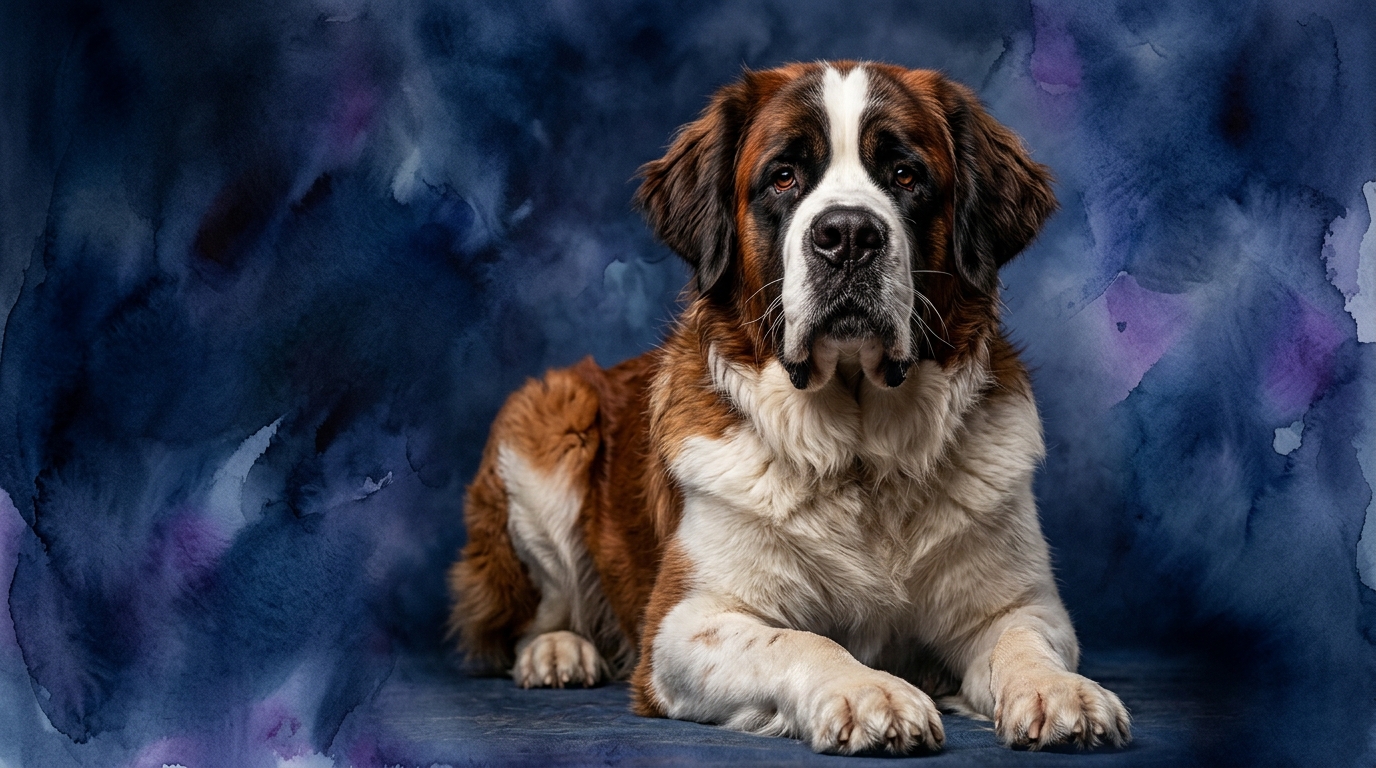
The Saint Bernard, ranked #65 in Coren's list, falls within the average working intelligence category, indicating a dog capable of understanding and executing tasks, though not necessarily a rapid, complex problem-solver without guidance. Their Problem Solving score of 3/5 reflects a steady, methodical approach; they can apply learned solutions effectively, particularly when their strong instinctive drive for rescue or protection is engaged, suggesting a practical rather than abstract problem-solving capacity.
When it comes to Training Speed, the Saint Bernard scores 2/5, meaning learning new commands requires notable patience and consistent repetition. They are not dogs that pick up new tricks in a few repetitions; instead, they internalize information over time, building a solid foundation through sustained positive reinforcement. This slower acquisition rate is a key aspect of their cognitive processing.
A standout strength for the Saint Bernard is their Social Intelligence, rated 4/5. They excel at reading human emotions, understanding subtle social cues, and forming deep, empathetic bonds. Their cognitive framework is highly attuned to their human companions, making them intuitive family members and capable therapy animals. This strong social cognition allows for profound connection.
Their Instinctive Drive is a remarkable 5/5, rooted in a powerful, often altruistic, sense of purpose – historically rescue, guarding, or dedicated companionship. This high drive means they are profoundly motivated by inherent roles and can display immense dedication when their natural inclinations are channeled. Their Memory, at 3/5, is average, allowing them to recall learned commands, routines, and significant experiences once ingrained.
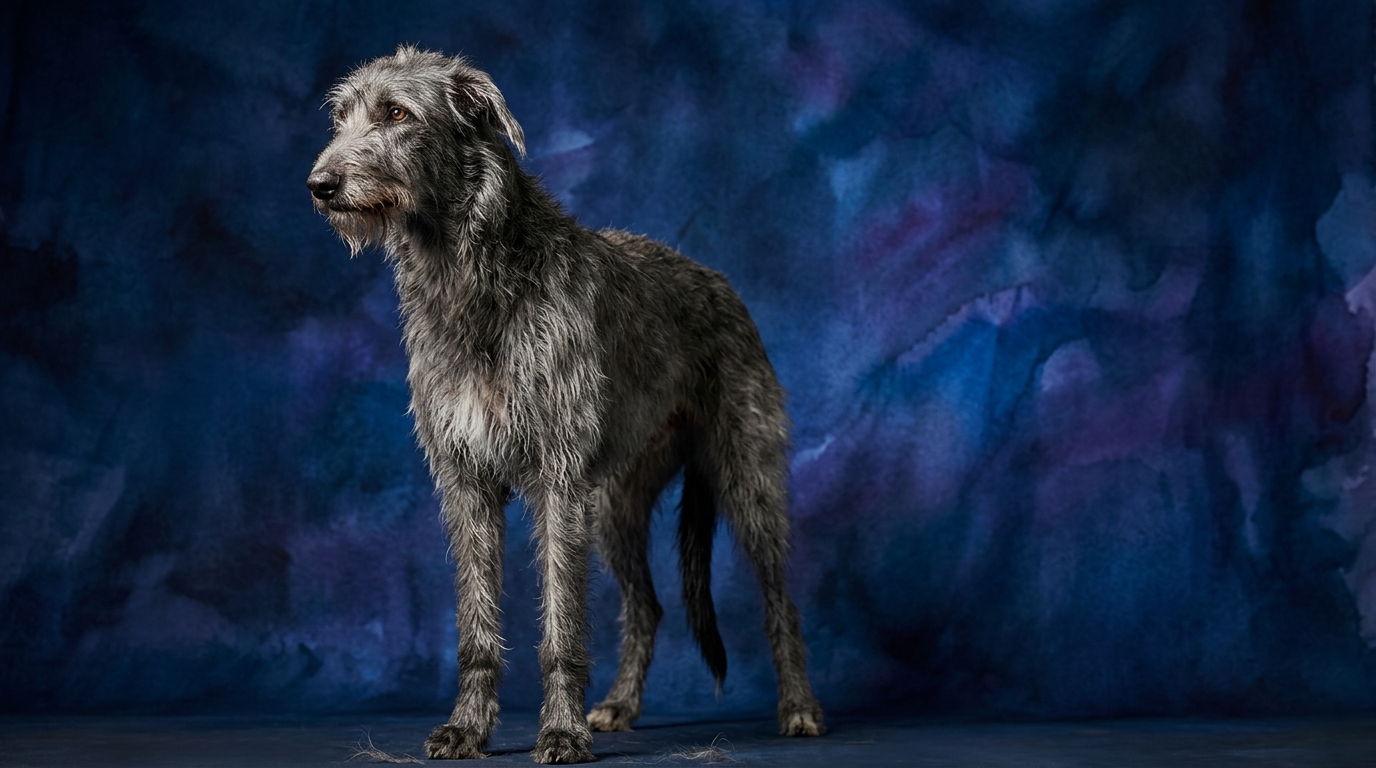
The Scottish Deerhound is not Coren-ranked, as their intelligence operates on a different axis than traditional working breeds, emphasizing sensory processing and independent decision-making over human-directed obedience. Their Problem Solving is 3/5, demonstrating practical abilities in navigating environments or pursuing visual targets, often relying on their keen senses and athleticism.
Deerhounds possess an average Training Speed of 3/5. While not as slow as the Saint Bernard, their independent nature as sighthounds means they might quickly understand a command but often choose whether or not to comply based on their immediate interests or perceived relevance. Their Social Intelligence, at 3/5, means they are affectionate and bond deeply with family, but their expression is often more reserved and less overtly demonstrative or empathetic than a Saint Bernard.
Their Instinctive Drive is 3/5, primarily centered on a powerful prey instinct for visual chase. This means they are highly motivated by movement and the thrill of the hunt, a specific but potent drive. Their Memory, also 3/5, is average for routines, commands, and experiences, though their strong focus on immediate sensory input, especially visual stimuli, can sometimes override rote memory in dynamic situations.
Where the Saint Bernard's Mind Shines Brighter
The Saint Bernard's superior Social Intelligence (4/5 compared to the Deerhound's 3/5) is a significant cognitive advantage. They possess a profound ability to read and respond to human emotions, making them exceptionally empathetic companions. This isn't just about simple affection; it’s a cognitive understanding of complex social dynamics, allowing them to anticipate needs, offer comfort, and integrate seamlessly into family structures. Their minds are wired for deep, intuitive connection and collaborative living.
Their remarkable Instinctive Drive (5/5 versus the Deerhound's 3/5) is another area where the Saint Bernard excels. This drive isn't merely about raw energy; it's a purposeful, often altruistic, cognitive framework. Historically, this manifested in their legendary rescue work in the Alps, demonstrating a sustained dedication to a task even in harsh conditions. Their minds are geared towards fulfilling a role, showing immense stamina and focus when engaged in activities that resonate with their innate sense of duty, translating to a profound sense of responsibility and reliability once they understand their 'job'.
The Scottish Deerhound's Unique Cognitive Strengths
While both breeds score similarly in Problem Solving (3/5) and Memory (3/5), the Scottish Deerhound edges out the Saint Bernard in Training Speed (3/5 versus 2/5). This isn't to imply they are inherently 'easier' to train in the traditional sense, but their cognitive processing for novel commands can be quicker. They might grasp the *concept* of a new cue or trick more rapidly, potentially requiring fewer repetitions to understand the desired action. This speed is often tied to their independent nature, where quick assimilation allows them to make their own decisions faster.
The Deerhound's cognitive strengths are particularly evident in their highly developed sensory processing, especially visual. While their Problem Solving is rated 3/5, their approach to it is distinct. They excel at quickly assessing environments for movement and targets, making rapid, independent decisions based on visual cues. Their minds are adept at spatial reasoning and navigating complex outdoor terrains, often relying on instinct and swift perception rather than human direction. This quick, independent cognitive processing for specific tasks like spotting and pursuing prey is a hallmark of their intelligence.
Training Dynamics: Saint Bernard vs. Scottish Deerhound
Training a Saint Bernard demands patience and consistency due to their Training Speed of 2/5. They are not quick to respond to new commands, often requiring many repetitions over an extended period for a behavior to become ingrained. However, their high Social Intelligence (4/5) and strong Instinctive Drive (5/5) can be leveraged. Once a Saint Bernard understands what is expected and feels a sense of purpose or connection to the task, they become incredibly reliable and eager to please. Their sheer size means early and consistent training is critical for good manners, relying on positive reinforcement to build trust and cooperation despite the slower initial learning curve.
The Scottish Deerhound, with a Training Speed of 3/5, might grasp commands slightly faster, but their sighthound independence presents its own set of challenges. Their strong prey drive and tendency to follow their own instincts (Instinctive Drive 3/5, but highly specific) mean that while they might *understand* a command, they may not *comply* if something more interesting catches their eye. Training must be engaging, fun, and highly rewarding, focusing on building a strong recall and impulse control from a young age. They are not dogs for rote obedience; rather, they thrive with intelligent, positive reinforcement that respects their independent spirit and keeps their minds stimulated.
Matching Breeds to Lifestyles: Active vs. Relaxed Owners
The Saint Bernard is often perceived as a gentle giant, and while they require regular, moderate exercise to maintain health, they are generally suited for more relaxed owners. Their cognitive makeup, particularly their high Social Intelligence and steady temperament, means they thrive on companionship and being an integral part of family life. They are typically content with a daily walk and ample lounging time, making them excellent companions for those who enjoy a calm, steady presence at home. Owners should be prepared for a large dog who needs space but isn't constantly seeking vigorous activity.
The Scottish Deerhound, despite their elegant appearance, requires a specific type of activity that caters to their sighthound heritage. While they are often calm indoors, their Instinctive Drive, centered on chase, necessitates opportunities for bursts of intense running in a safe, enclosed area. They are best suited for moderately active owners who understand this need for specific, high-intensity exercise sessions, perhaps a few times a week, followed by long periods of rest. They are not suited for owners who cannot provide safe off-leash running opportunities, as their prey drive can lead them to pursue anything that moves.
The Verdict
Choose the Saint Bernard if you seek a deeply empathetic, steady, and purposeful companion who will integrate seamlessly into family life and thrive on strong social bonds, understanding that training requires patience but yields immense loyalty.
Opt for the Scottish Deerhound if you appreciate an elegant, independent, and somewhat reserved companion, and can provide the specific outlets for their sighthound instincts, valuing their unique blend of athleticism and quiet dignity.
🧠 Find Your Pet's IQ Score
Our Pet IQ Lab assessment covers 25+ tests across 5 cognitive dimensions — personalized to your breed.
Take the Full IQ Test →Frequently Asked Questions
Is a Saint Bernard or Scottish Deerhound better for families with children?
The Saint Bernard, with its higher Social Intelligence (4/5) and empathetic nature, is generally considered more naturally attuned to family dynamics and children, often displaying great patience and a protective instinct. The Scottish Deerhound can be good with children, but their reserved nature means they might be less overtly demonstrative and require children to respect their space.
Which breed is more prone to independent thinking during training?
The Scottish Deerhound is more prone to independent thinking due to its sighthound heritage and specific instinctive drives. While the Saint Bernard can be stubborn due to its slower training speed, the Deerhound's independence means it might understand a command but choose not to comply if something more stimulating captures its attention.
Do either of these breeds make good guard dogs?
The Saint Bernard, with its strong Instinctive Drive (5/5) and protective nature, can be an imposing deterrent and will often alert to strangers. The Scottish Deerhound is typically too gentle and reserved to be an effective guard dog, though their size might deter some; they are more likely to observe than actively guard.