Side-by-Side IQ Profile: Saint Bernard vs. Tibetan Spaniel
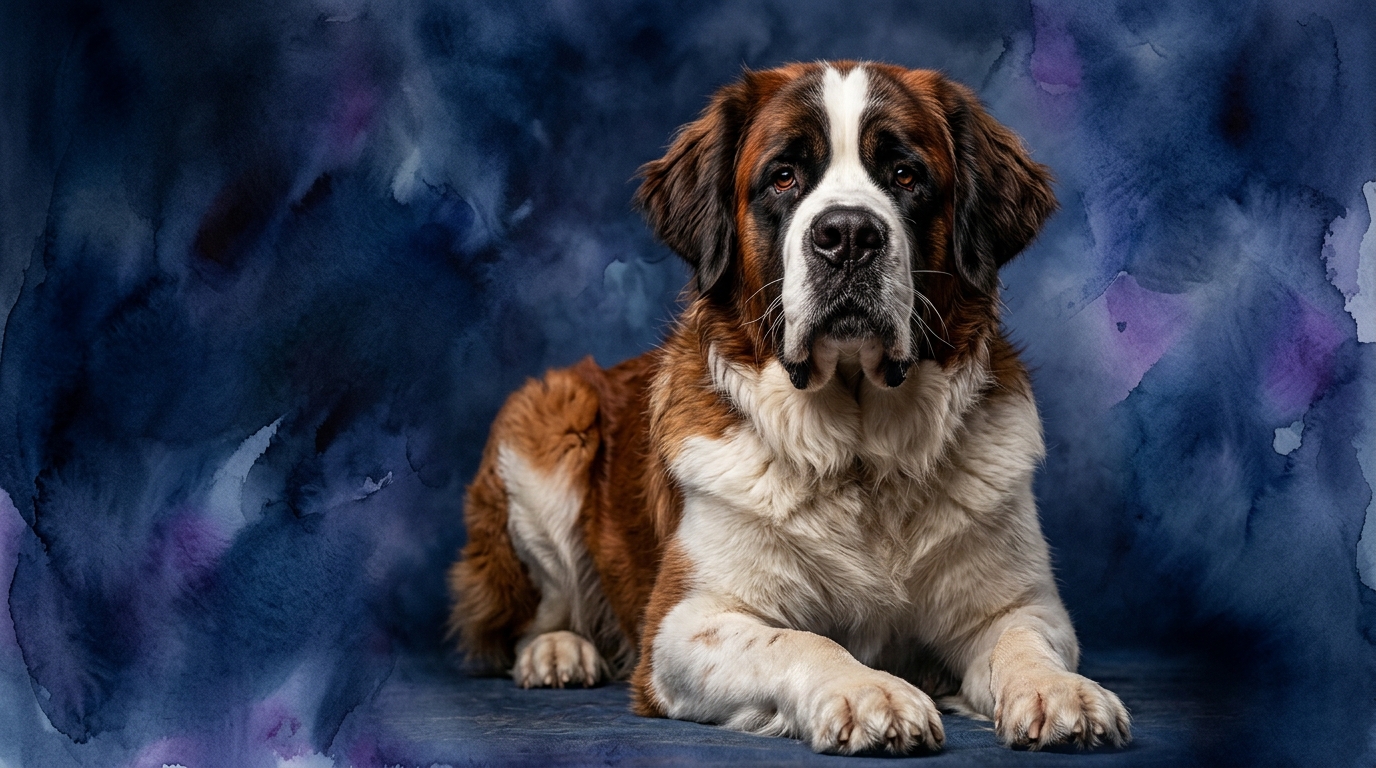
The Cosmic Pet Pet IQ Lab provides a fascinating lens through which to compare these two distinct breeds. The Saint Bernard, a majestic Working breed ranked #65 by Coren, presents a unique cognitive blend. Its Problem Solving ability scores 3/5, indicating a practical intelligence capable of navigating complex situations, though perhaps not always with immediate solutions. Training Speed is rated at 2/5, suggesting a need for patience and consistent methods, as new commands may require more repetition to solidify. Where the Saint Bernard truly shines is in Social Intelligence, earning a 4/5, reflecting a deep capacity for understanding human emotions and social cues, which was crucial for its historical role as a companion and rescue dog. An impressive Instinctive Drive of 5/5 highlights its strong innate predispositions for specific tasks and purpose-driven actions. Finally, its Memory stands at 3/5, suggesting a solid ability to retain learned experiences and routines.
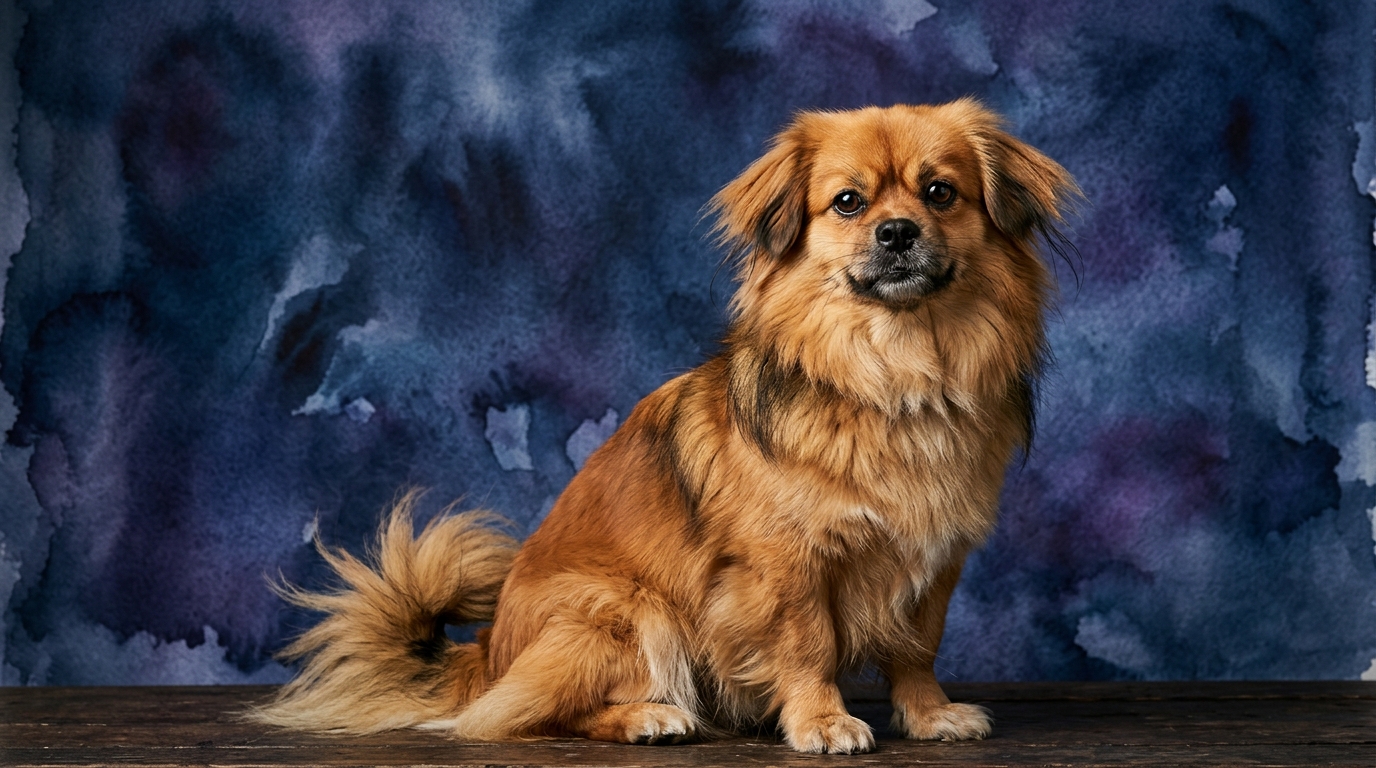
The charming Tibetan Spaniel, a Non-Sporting breed which does not appear on Coren's ranking, offers a distinct cognitive makeup. Its Problem Solving ability matches the Saint Bernard at 3/5, indicating a similar capacity for navigating challenges and adapting to new situations. In Training Speed, the Tibetan Spaniel scores 3/5, suggesting it may grasp new concepts slightly faster than the Saint Bernard, potentially requiring less repetition. Its Social Intelligence is rated 3/5, pointing to a strong, albeit perhaps more selective, bond with its human companions. The breed's Instinctive Drive is 3/5, reflecting a moderate level of innate, purpose-driven behaviors, often centered around companionship and watchfulness rather than intense working tasks. Its Memory, like the Saint Bernard's, is 3/5, demonstrating a reliable ability to recall information and past experiences.
Where the Saint Bernard Wins Cognitively
The Saint Bernard's cognitive strengths distinctly align with its heritage as a large, empathetic working dog. Its superior Social Intelligence score of 4/5, compared to the Tibetan Spaniel's 3/5, indicates a deeper and broader understanding of complex human social dynamics and emotional states. This isn't just about recognizing a familiar face; it’s about discerning subtle cues, offering comfort, and adapting its behavior to suit a nuanced social environment, a trait invaluable in its historical search and rescue endeavors. This makes them particularly adept at forming profound, empathic bonds with their families, often appearing remarkably attuned to their owners' feelings.
Furthermore, the Saint Bernard's Instinctive Drive, an exceptional 5/5 compared to the Tibetan Spaniel's 3/5, reveals a powerful inherent motivation for specific, purposeful tasks. This isn't merely about energy levels, but about a deep-seated desire to fulfill a role, whether it's guarding, herding, or, most famously, locating and aiding lost travelers. This strong drive means that when given a 'job' or specific training goals, Saint Bernards often exhibit remarkable focus and tenacity, leveraging their innate predispositions to perform. Owners who can tap into and channel this robust instinctive drive will find a highly motivated and dedicated companion.
Where the Tibetan Spaniel Wins Cognitively
While the Saint Bernard excels in broad social understanding and powerful instincts, the Tibetan Spaniel demonstrates its own unique cognitive advantages, particularly in areas suited to its role as a watchful companion. Its Training Speed, rated at 3/5, edges out the Saint Bernard's 2/5. This suggests that Tibetan Spaniels might pick up new commands and routines with slightly less repetition, making basic obedience training potentially a quicker process. Their ability to learn efficiently, combined with their smaller stature, can make them more adaptable to various living situations and training approaches, provided the methods are engaging and positive.
Though their Problem Solving and Memory scores are equal to the Saint Bernard's at 3/5, the Tibetan Spaniel’s application of these faculties often manifests differently due to their size and historical context. Their problem-solving might be geared more towards navigating intricate household environments or figuring out how to get to a favored perch, rather than the large-scale, outdoor challenges a Saint Bernard might face. Their social intelligence, while rated 3/5, is intensely focused, often forming a deep, devoted bond with their primary family members, showcasing a keen awareness of their immediate human circle. This focused companion intelligence allows them to excel as attentive and responsive household members.
Which is Easier to Train and Why
When it comes to ease of training, the Tibetan Spaniel (Training Speed 3/5) generally presents a slightly less challenging experience than the Saint Bernard (Training Speed 2/5). The Tibetan Spaniel's quicker uptake of commands means that positive reinforcement techniques often yield results more rapidly, making the training process feel more rewarding for both dog and owner. While they possess an independent streak, their curiosity and desire for companionship can be effectively channeled into learning. Their smaller size also makes them physically easier to manage during training sessions, reducing potential struggles that can arise from a large, strong dog.
The Saint Bernard, despite its high social intelligence, requires a more patient and consistent approach due to its lower training speed. Their sheer size dictates that early and ongoing training is not just beneficial, but essential for safety and manageability. While they are eager to please their beloved family members, their training might involve more repetition and creative motivation to solidify commands. Their strong instinctive drive means that training should often incorporate tasks that appeal to their natural predispositions, making the learning process more engaging and effective for this purpose-driven breed. Owners must understand that 'ease' is relative to commitment and method.
Which Suits Active Owners vs. Relaxed Owners
For owners seeking a partner for more active and purposeful engagement, the Saint Bernard is typically a more suitable choice. Its exceptional Instinctive Drive of 5/5, combined with its historical role, means this breed thrives when given opportunities for moderate, consistent activity that engages both body and mind. While they can be calm indoors, they require regular outdoor excursions, opportunities for mental stimulation, and perhaps even activities that tap into their innate desire to have a 'job,' such as scent work or carting. They need space and a commitment from their owners to provide structured exercise and purpose beyond simple walks.
Conversely, the Tibetan Spaniel, with its moderate Instinctive Drive of 3/5 and smaller physical requirements, is often a better fit for more relaxed owners. They are highly adaptable to apartment living and do not demand intense physical activity. Regular, shorter walks and indoor play sessions are usually sufficient to keep them content. Their primary need is companionship and being an integral part of the family's daily life. While they enjoy exploring and can be playful, they are generally content to relax by their owner's side, making them ideal for individuals or families with a more sedate lifestyle who value a watchful, devoted presence.
The Verdict
Choose a Saint Bernard if you are prepared to invest in consistent training for a large, empathetic companion with a strong sense of purpose, thriving in environments that allow them to utilize their impressive instinctive drives.
Opt for a Tibetan Spaniel if you desire an independent, watchful companion in a smaller package, appreciating a dog with a quicker learning curve for basic commands and a moderate need for physical activity.
🧠 Find Your Pet's IQ Score
Our Pet IQ Lab assessment covers 25+ tests across 5 cognitive dimensions — personalized to your breed.
Take the Full IQ Test →Frequently Asked Questions
Are Saint Bernards truly 'gentle giants'?
Yes, their high social intelligence and protective instincts often manifest as a calm, empathetic demeanor, especially with children, making them very gentle companions. However, their sheer size requires proper socialization and consistent training from a young age to ensure they are well-mannered and safe.
Do Tibetan Spaniels bark a lot?
Their watchful nature and historical role as alarm dogs can mean they are prone to barking at unfamiliar sights or sounds, or to alert their family to perceived threats. Consistent training and early socialization can help manage this tendency, teaching them appropriate times to vocalize.
Is a Saint Bernard hard to train because of its size?
While their physical presence demands early, consistent training for control and good manners, their lower training speed score suggests they may require more repetition and patience compared to some breeds. However, their high social intelligence means they are often keen to please their family, which can be leveraged in training.