Side-by-Side Cognitive Profiles: Decoding the '3/5' Score
At first glance, the identical 3/5 scores for both the Saluki and the American Eskimo Dog across all five cognitive dimensions might suggest similar mental aptitudes. However, a deeper dive into each breed's historical purpose and natural predispositions reveals how these scores are applied through very different lenses, shaping their individual cognitive landscapes. Understanding this nuance is crucial for any prospective owner.
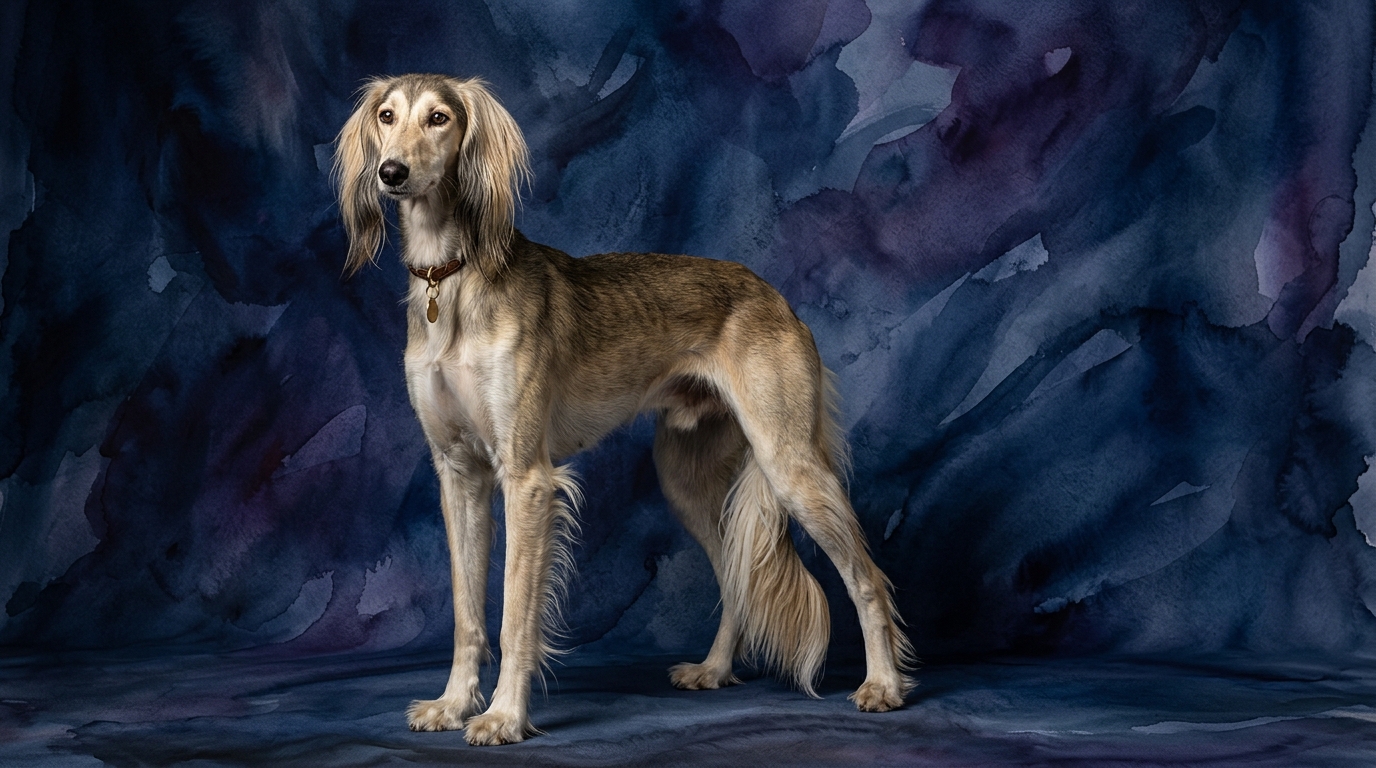
For the **Saluki**, a breed steeped in centuries of sighthound tradition, their 3/5 in **Problem Solving** often manifests as an independent ability to strategize during a chase, calculating the most efficient path to intercept prey over vast distances. This isn't about manipulating complex puzzles, but rather about dynamic spatial reasoning and quick decision-making in pursuit. Their **Training Speed** at 3/5 reflects a capacity to learn commands, but often with a selective willingness; their intrinsic motivation to chase can frequently override learned obedience if the incentive isn't compelling. In **Social Intelligence**, Salukis typically display a reserved yet deeply loyal nature, discerning with strangers but forming profound bonds with their inner circle, understanding family routines without needing constant interaction. Their **Instinctive Drive** is undeniably tied to their sighthound heritage, a powerful 3/5 impulse to chase anything that moves quickly and to run with breathtaking speed, which dictates much of their behavior in open spaces. Finally, their **Memory** at 3/5 is strong for established routines and familiar people, yet can be fleeting when a compelling visual stimulus (like a squirrel) triggers their primal chase instinct.
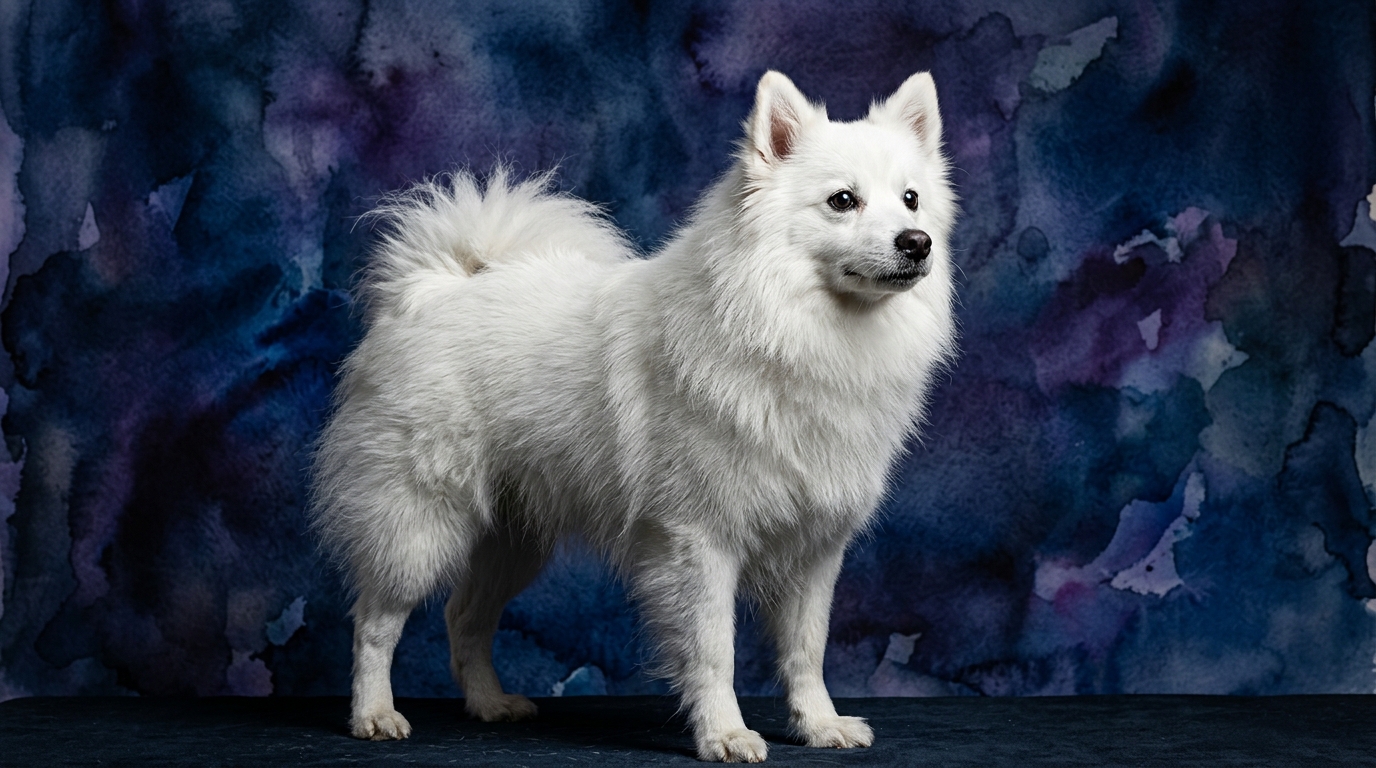
The **American Eskimo Dog (Eskie)**, a charming Spitz-type companion, interprets these same 3/5 scores quite differently. Their **Problem Solving** leans towards figuring out how to achieve desired outcomes within a human household, such as opening a cupboard for a treat or strategically getting attention, often demonstrating cleverness with interactive toys. The Eskie's 3/5 **Training Speed** indicates a good capacity to absorb commands and routines, often eager to please, but their intelligence can also manifest as a playful stubbornness or a need for engaging, varied methods to maintain focus. Their **Social Intelligence** is typically outgoing and alert, earning a 3/5 by keenly observing human moods and household dynamics, often using vocalizations and body language to communicate effectively with their family. The Eskie's **Instinctive Drive** at 3/5 is rooted in their companion and watch dog roles, expressing itself as a strong desire to be involved with their family, a tendency to alert bark at novelties, and a potential for playful 'herding' of their human pack. Their **Memory** is solid for commands, routines, and past interactions, quickly learning what behaviors yield rewards and remembering individuals, which underscores the importance of consistent positive reinforcement.
Where the Saluki Cognitively Excels
The Saluki's cognitive strengths shine brightest in scenarios that demand independent thought and physical prowess. Their exceptional visual acuity and ability to process rapid movement mean they excel at dynamic problem-solving in open, expansive environments. This breed can make split-second decisions during a high-speed chase, navigating complex terrain and predicting the movements of their 'prey' without human direction. Their memory, while sometimes overshadowed by instinct, is particularly adept at recalling the layout of large areas and remembering routes, a vestige of their hunting lineage. This independent, action-oriented intelligence makes them uniquely suited for activities that tap into their ancient sighthound heritage, rather than those requiring intricate obedience or human-dependent tasks.
Where the American Eskimo Dog Cognitively Excels
The American Eskimo Dog's cognitive advantages are most apparent in their adaptability to complex social environments and their communicative abilities. They excel at understanding human routines, anticipating needs, and engaging in interactive problem-solving that directly involves their people. Their social intelligence allows them to be highly attuned to family dynamics, often acting as a perceptive and vocal companion. Eskies demonstrate a cleverness in manipulating their environment to achieve desired outcomes, whether it's figuring out how to access a favorite toy or signaling their need for attention. This breed thrives on partnership and mental engagement, using their intelligence to integrate seamlessly into a human family structure and provide lively interaction.
Which Is Easier to Train and Why?
Despite both breeds scoring 3/5 in training speed, the American Eskimo Dog is generally considered easier to train for the average owner due to fundamental behavioral differences. Eskies possess a strong desire to please their human companions and thrive on interaction, making them more amenable to traditional, reward-based training methods. While they can exhibit a playful stubbornness, their motivation to engage and be part of the family 'pack' typically overrides it. Their vigilance and vocal nature are trainable traits that can be channeled effectively.
The Saluki, conversely, presents a more significant training challenge. Their 3/5 training speed is coupled with a profound independent hunting instinct. A Saluki's priority is often its own assessment of a situation, especially when a visual stimulus triggers its prey drive. This means recall, leash manners, and off-leash reliability require immense patience, creativity, and consistency, often needing high-value rewards to compete with their natural inclinations. Their reserved social nature also means they are less motivated by generalized praise and more by specific, high-value incentives, making them less forgiving of inconsistent training.
Matching Breeds to Lifestyles: Active vs. Relaxed Owners
The Saluki is best suited for active owners who understand and can accommodate their unique exercise requirements and independent spirit. These are not dogs content with short walks; they require regular, extensive opportunities to gallop at full speed in a securely fenced area. Owners who appreciate a dog with an elegant, somewhat aloof demeanor, who forms deep but not overly demonstrative bonds, and who can provide the necessary outlets for their chase drive will find a Saluki rewarding. They are excellent companions for runners or owners who enjoy cycling with their dog, provided safety precautions are paramount. A relaxed owner who cannot provide these outlets will likely find a Saluki challenging and potentially destructive.
The American Eskimo Dog also requires an active owner, but their activity needs manifest differently. While they enjoy physical play and walks, their primary need is for mental stimulation and interactive engagement with their family. Owners who enjoy consistent training, puzzle toys, and integrating their dog into daily activities will find the Eskie a joyful companion. They thrive on being involved and can adapt to various living situations as long as their intellectual and social needs are met. A relaxed owner might find the Eskie's need for attention and tendency for vocalization overwhelming, but an active owner who enjoys a communicative and engaged partner will find them a perfect fit.
The Verdict
Choose a Saluki if you are an active individual who values independence, appreciates a dog with an ancient heritage, and can provide extensive, secure opportunities for them to run and express their innate sighthound instincts.
Opt for an American Eskimo Dog if you seek an engaging, communicative, and highly interactive companion who thrives on consistent mental stimulation and enjoys being an integral part of family life.
🧠 Find Your Pet's IQ Score
Our Pet IQ Lab assessment covers 25+ tests across 5 cognitive dimensions — personalized to your breed.
Take the Full IQ Test →Frequently Asked Questions
Do Salukis and American Eskimo Dogs have the same intelligence?
While both breeds score 3/5 across the five IQ dimensions, suggesting similar baseline cognitive capacity, their historical roles mean these scores manifest differently. Salukis excel in independent, visual problem-solving during a chase, whereas American Eskimo Dogs shine in social problem-solving and communication within a human family.
Which breed is better for first-time dog owners?
The American Eskimo Dog is generally more forgiving for first-time owners due to their strong desire to please and engage with people. Salukis, with their profound independent nature and intense prey drive, require an owner with a deep understanding of sighthound specific needs and a commitment to consistent, specialized training.
How do their 'instinctive drives' differ despite the same score?
Despite both scoring 3/5, the Saluki's instinctive drive is primarily a powerful prey drive, compelling them to chase anything that moves quickly. The American Eskimo Dog's instinctive drive is rooted in companionship and vigilance, manifesting as a strong desire for family involvement, alertness, and vocal communication.