Side-by-Side Pet IQ Lab Profile
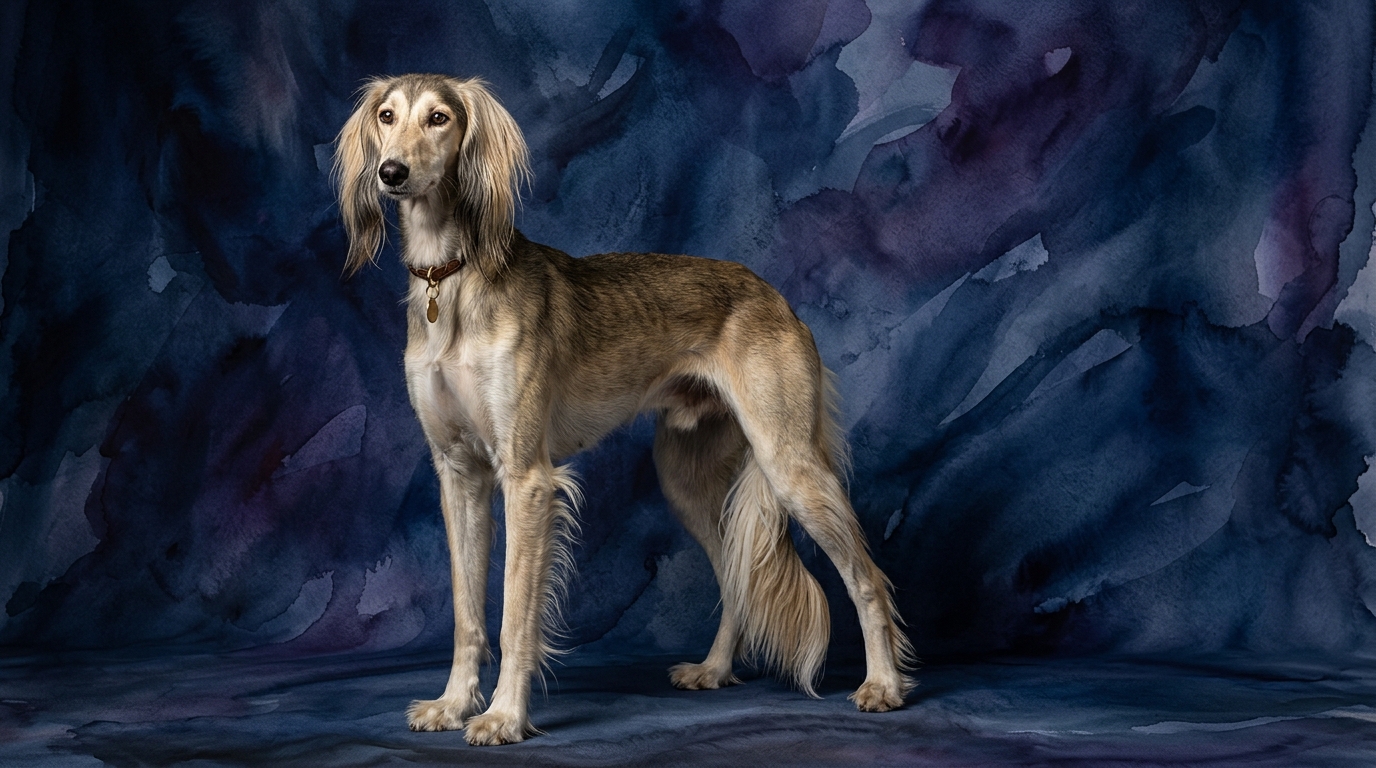
**Saluki:**
**Problem Solving (3/5):** Salukis often exhibit independent thought in challenges, particularly those related to sighthound tasks like navigating terrain or pursuing targets. Their solutions are frequently self-directed, not always seeking human guidance, reflecting a breed accustomed to swift, autonomous decisions.
**Training Speed (3/5):** While capable of learning, Saluki training requires patience; they aren't conventionally "eager to please." They grasp concepts but may comply based on personal motivation, making consistent, engaging methods essential.
**Social Intelligence (3/5):** They form deep bonds with primary caregivers, showing quiet sensitivity to family moods. Reserved with strangers, they observe before engaging, indicating discerning social awareness focused on their inner circle.
**Instinctive Drive (3/5):** A strong prey drive, fueled by acute visual perception and an innate desire to chase, defines them. This cognitive force shapes their focus and decision-making when a moving stimulus is present, requiring careful management.
**Memory (3/5):** Salukis have good memory for routines, safe spaces, and past experiences, especially those related to hunting or significant events. They recall specific locations or situations, influencing future responses.
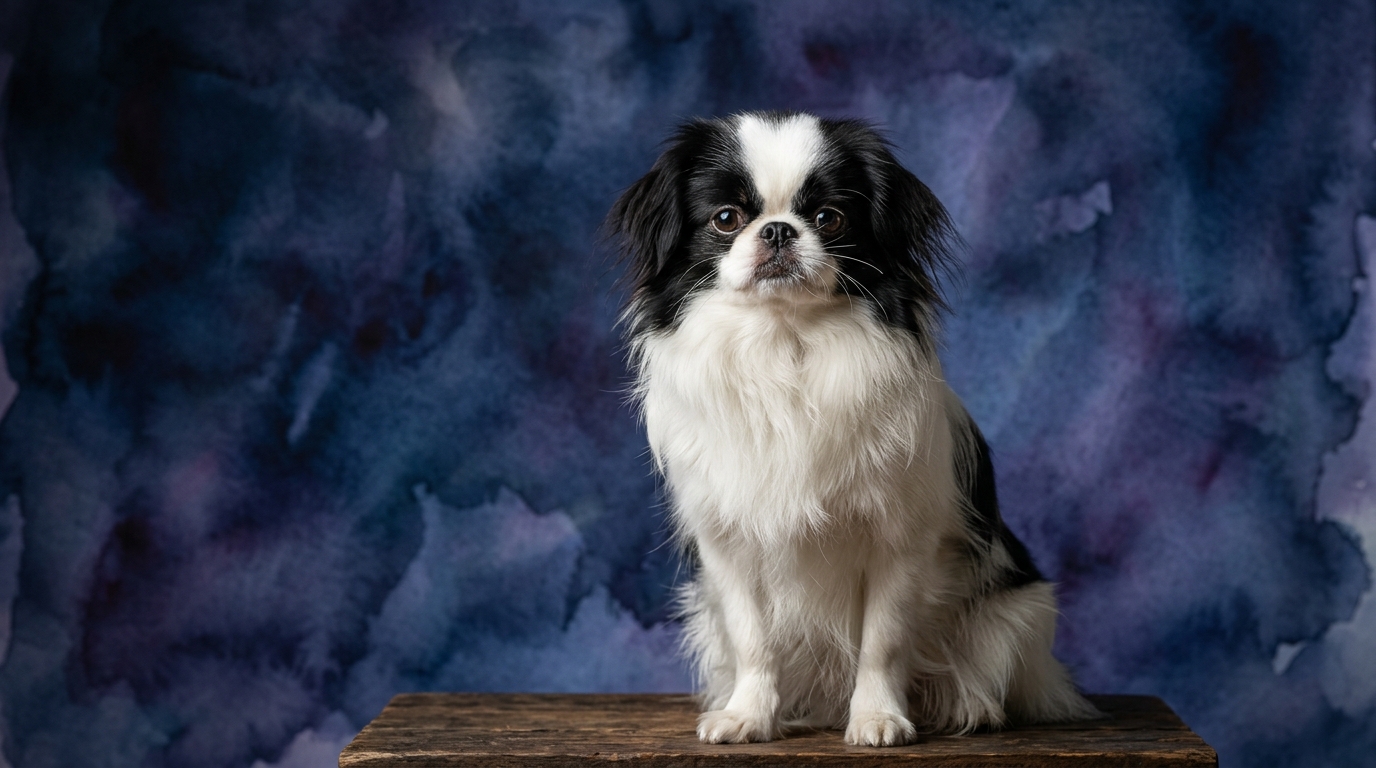
**Japanese Chin:**
**Problem Solving (3/5):** Chins display problem-solving within domestic contexts, figuring out how to obtain attention or access items for comfort. Their solutions often involve charming or persistent behaviors directed at humans, showcasing cleverness focused on social interaction.
**Training Speed (3/5):** Generally responsive, their desire to please makes them receptive to learning commands and tricks. Sensitive to tone and positive reinforcement, they quickly associate actions with desired outcomes in a supportive environment.
**Social Intelligence (3/5):** This breed excels at reading human emotional states and intentions, often adapting behavior to match household moods. They use subtle cues to engage humans, demonstrating refined understanding of social dynamics for affection and attention.
**Instinctive Drive (3/5):** The Chin's primary drive is companionship and social connection. While they may playfully chase toys, their core motivation is engaging with family, shaping daily activities around human interaction rather than independent pursuit.
**Memory (3/5):** Japanese Chins remember routines, favored individuals, and actions leading to rewards or attention. They recall which family members offer treats and past interactions, influencing future responses effectively.
Where the Saluki Wins Cognitively
The Saluki's cognitive strengths truly shine in scenarios demanding independent action and focused pursuit. Their exceptional visual acuity and sighthound drive mean they process environmental stimuli, especially movement, with remarkable speed. This allows instantaneous decision-making in dynamic outdoor settings, often without human direction. Their problem-solving is evident when navigating complex terrains or circumventing obstacles to maintain focus on a distant target. This self-reliance in the chase, quickly assessing variables, highlights an unparalleled ability to execute sustained, self-directed effort and rapid adaptation in open environments.
Where the Japanese Chin Wins Cognitively
Conversely, the Japanese Chin demonstrates a distinct cognitive advantage in the nuanced realm of human social interaction and emotional understanding. Their intelligence is finely tuned to interpret complex social cues, vocal inflections, and body language with remarkable accuracy. This breed excels at anticipating human needs, often preempting requests or offering comfort. Their domestic problem-solving frequently involves devising charming strategies to gain attention, affection, or comfort, showcasing highly developed social manipulation skills. The Chin's ability to seamlessly integrate into and influence a household's emotional landscape highlights a sophisticated social intelligence.
Which Is Easier to Train and Why
When it comes to trainability, the Japanese Chin generally presents an easier path due to their profound desire for human companionship and approval. Their social intelligence means they are highly motivated by praise, positive reinforcement, and interaction. A Chin quickly learns that desired actions lead to positive human responses. They are sensitive to tone, aiding communication and eagerness to please. In contrast, training a Saluki requires understanding their independence and sighthound instincts. While capable, their motivation is often internal; they need to perceive personal benefit. Their strong instinctive drive makes recall challenging if a visual stimulus appears. Saluki training demands immense patience, consistency, and methods making desired behavior more appealing than natural inclinations. The Chin's intrinsic social motivation makes them more amenable to conventional training, while the Saluki requires a nuanced, persistent approach.
Active Owners vs. Relaxed Owners
The choice between a Saluki and a Japanese Chin significantly depends on an owner's activity level. The Saluki is suited for active owners providing ample physical and mental engagement aligned with their sighthound heritage. This breed requires vigorous exercise, ideally including safe, off-leash running or lure coursing. Their problem-solving and instinctive drives are best satisfied through speed and visual prowess. A Saluki lacking outlets may become restless. Conversely, the Japanese Chin is ideal for more relaxed owners. Their exercise needs are modest, content with short walks and indoor play. Cognitive stimulation comes primarily from social interaction, puzzle toys, and home-based tricks. A Chin thrives on being a constant presence by their human's side. Thus, a Saluki flourishes with an active, outdoor lifestyle, while a Japanese Chin thrives with a calm, indoor-centric companionship.
The Verdict
Choose the Saluki if you are an active individual or family seeking an elegant, independent companion who needs significant physical exercise, appreciates a quiet dignity, and you are prepared to engage in patient, understanding training that respects their sighthound instincts.
Choose the Japanese Chin if you desire a charming, affectionate, and highly attuned indoor companion who thrives on close human interaction, requires moderate exercise, and will enrich your home with their perceptive and playful presence.
🧠 Find Your Pet's IQ Score
Our Pet IQ Lab assessment covers 25+ tests across 5 cognitive dimensions — personalized to your breed.
Take the Full IQ Test →Frequently Asked Questions
Do Salukis and Japanese Chins need different kinds of mental stimulation?
Yes, Salukis benefit from activities engaging sighthound instincts like lure coursing or pursuit-related puzzles. Japanese Chins thrive on social games, learning tricks involving human interaction, and puzzle toys rewarding clever manipulation for attention or treats.
Is one breed more prone to separation anxiety based on their IQ profile?
The Japanese Chin, with strong social intelligence, might be more prone to separation anxiety if left alone, as prolonged isolation contradicts their drive for human interaction. Salukis, being more independent, may cope better with quiet solitude, provided exercise needs are met.
How does their memory score of 3/5 impact daily life for owners?
A 3/5 memory means both breeds remember routines, cues, and past experiences. For Salukis, this could be recalling a path where wildlife was sighted. For Chins, it's remembering which family member gives treats or earns attention, making consistency crucial for positive habits.