Side-by-Side IQ Profile: Saluki vs. Keeshond
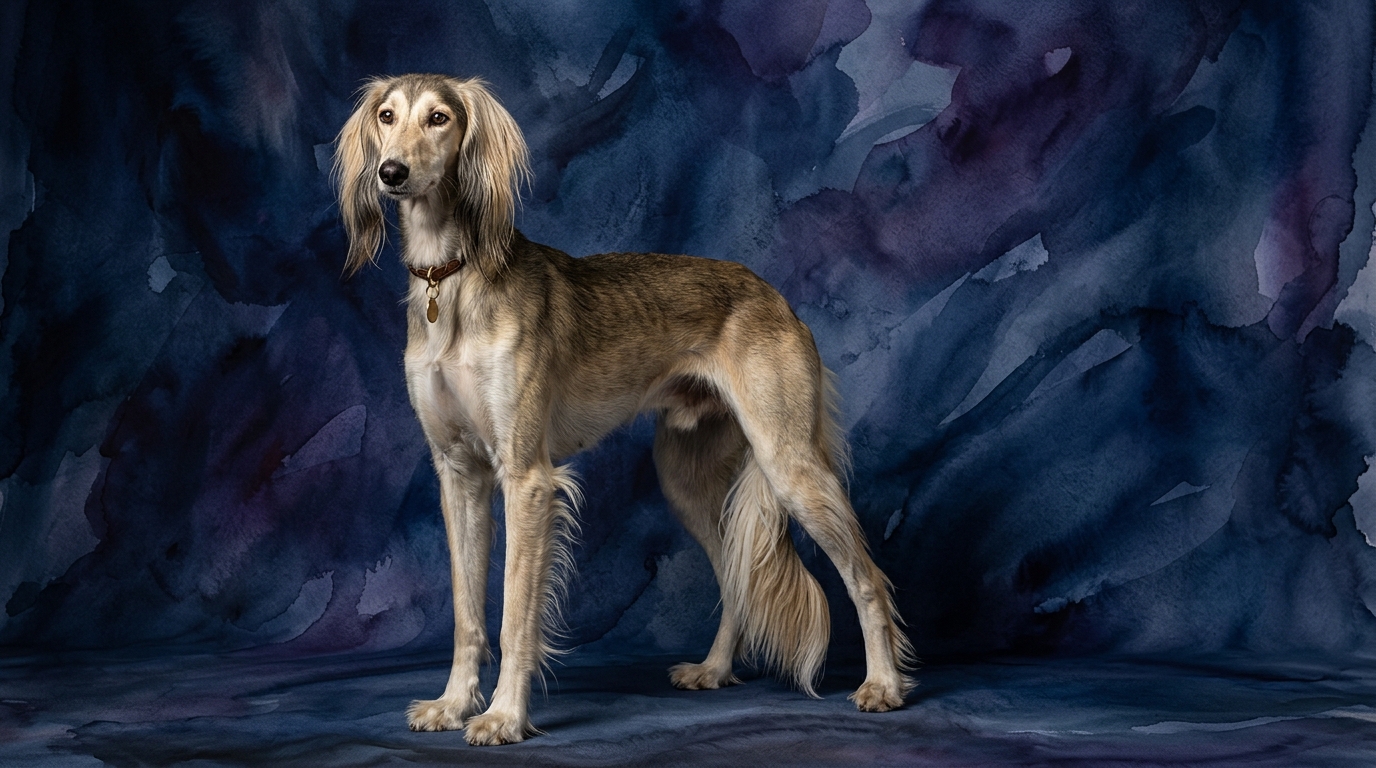
The Cosmic Pet Pet IQ Lab assesses canine intelligence across five key dimensions, providing a nuanced view beyond simple obedience. For the Saluki, a sighthound breed, its scores reflect a specialized form of intelligence honed for independent hunting. Their Problem Solving is rated at 3/5, indicating a capacity for practical solutions particularly when self-directed in pursuit. Training Speed also sits at 3/5, suggesting they learn at a steady pace but often require engagement tailored to their independent spirit. Social Intelligence is 3/5, meaning they are observant and form deep bonds within their trusted circle but can be reserved with outsiders. Their Instinctive Drive is 3/5, primarily manifesting as a powerful visual prey drive. Finally, their Memory is 3/5, capable of retaining information but sometimes overshadowed by immediate environmental stimuli.
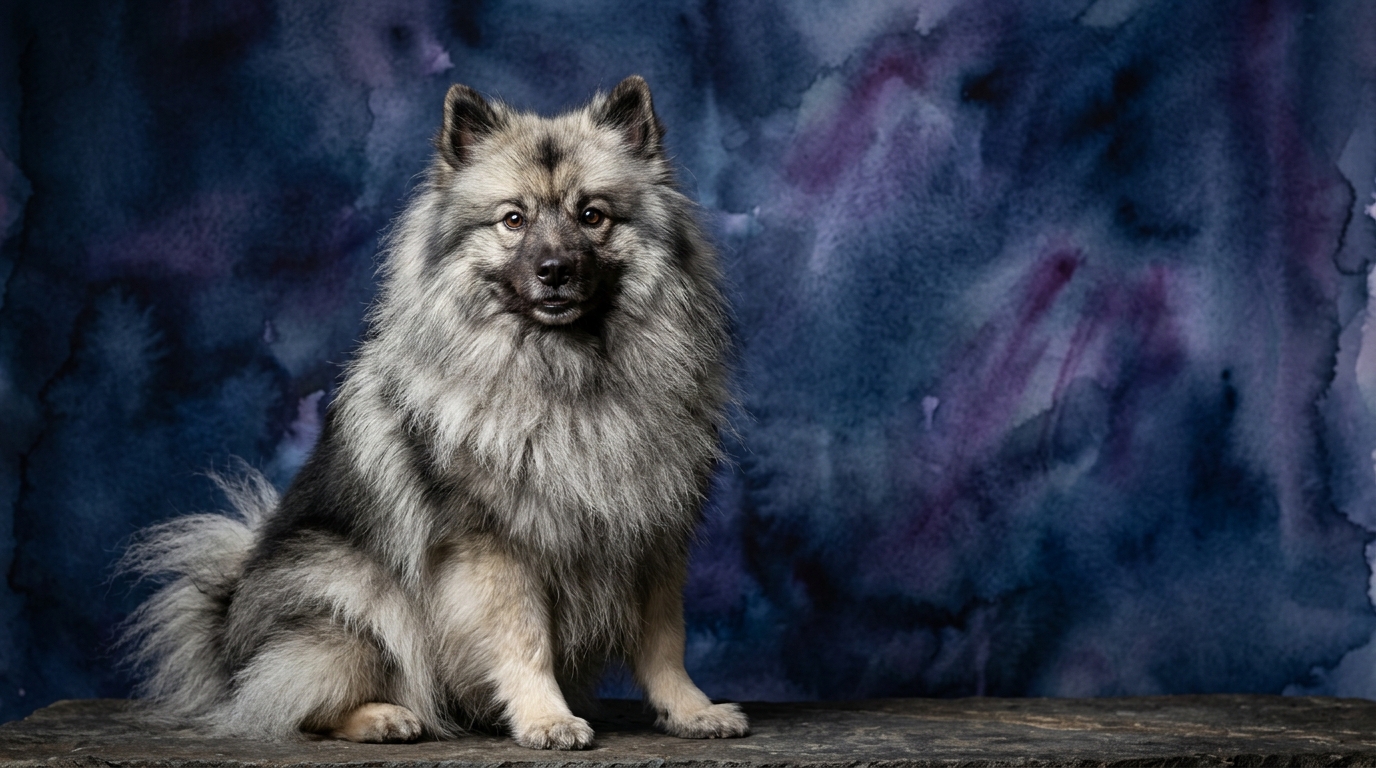
In contrast, the Keeshond, a Non-Sporting breed with a Coren ranking of #16, demonstrates a different cognitive emphasis. Their Problem Solving is a robust 4/5, indicating a strong capacity for figuring out novel situations and tasks. This is complemented by a Training Speed of 4/5, showcasing their readiness and ability to quickly grasp new commands and routines. Social Intelligence for the Keeshond is 3/5, meaning they are generally affable and attuned to their family's emotions, often seeking interaction. Their Instinctive Drive is also 3/5, typically expressed as a vigilant watchfulness rather than a strong prey drive. A standout feature for the Keeshond is their exceptional Memory, scoring a perfect 5/5, which underpins their trainability and consistent performance.
Where the Saluki Wins Cognitively
The Saluki's cognitive strengths truly shine in scenarios demanding independent thought and self-reliance, particularly in open environments. Their problem-solving, while rated 3/5, is geared towards efficient, autonomous action – a critical asset for a sighthound whose survival historically depended on quick, unassisted decisions during a chase. For instance, a Saluki might independently find the most efficient path around an obstacle while pursuing a lure, demonstrating a spatial reasoning and adaptive strategy that doesn't rely on human direction. Their moderate instinctive drive, specifically the visual prey drive, is a highly refined cognitive function, allowing them to process visual stimuli at incredible speeds and make instantaneous tactical decisions in pursuit. This rapid visual processing and decision-making for hunting is a specialized form of intelligence, distinct from traditional obedience.
Where the Keeshond Wins Cognitively
The Keeshond's cognitive advantages are evident in their superior memory and problem-solving, making them highly receptive to structured learning and complex tasks. With a 5/5 memory score, a Keeshond can retain a vast repertoire of commands, routines, and experiences, leading to remarkable consistency in performance and quick mastery of new skills. This cognitive strength is a significant factor in their Coren rank of #16, placing them among breeds that excel in working and obedience intelligence. Their 4/5 problem-solving ability extends beyond simple tasks; they can often deduce solutions to multi-step challenges, such as figuring out how to manipulate latches or sequence actions to get a desired toy. This combination of memory and problem-solving makes them adept at navigating the complexities of a human household and learning intricate behaviors.
Which Is Easier to Train and Why
Based on their respective IQ profiles, the Keeshond is demonstrably easier to train than the Saluki. The Keeshond's strong Training Speed (4/5) and exceptional Memory (5/5) mean they grasp new commands quickly and retain them over the long term. Their inherent eagerness to please and attentiveness to their handlers, a hallmark of their companion breed history, further facilitates the training process. They are generally more motivated by praise, treats, and the desire for interaction, making them highly responsive to positive reinforcement. In contrast, the Saluki's moderate Training Speed (3/5) is coupled with a deeply ingrained independent nature. While capable of learning, they often require more patience, creativity, and a profound understanding of their sighthound motivations. A Saluki might learn a command but choose not to execute it if they perceive a more pressing, self-directed interest, such as spotting a distant squirrel. Their training requires building a strong relationship based on mutual respect, rather than expecting unquestioning obedience.
Which Suits Active Owners vs. Relaxed Owners
The choice between a Saluki and a Keeshond also hinges significantly on an owner's lifestyle. Salukis, with their moderate but persistent instinctive drive rooted in chasing, are best suited for active owners who can provide ample opportunities for safe, off-leash running in secure areas. Their need for physical exertion is substantial, and without it, their independent nature might manifest in less desirable ways. They thrive with owners who understand their need for bursts of speed and can engage them in activities like lure coursing or long, brisk walks. Conversely, Keeshonden, while enjoying activity, are generally more adaptable and can suit a broader range of owner activity levels, including more relaxed owners. Their moderate instinctive drive is more about vigilance and companionship, making them content with regular walks, playtime in the yard, and ample indoor interaction. They are less driven by the urge to run vast distances and more by the desire to be an integral, observant part of the family's daily life.
The Verdict
The Saluki is the ideal companion for owners who appreciate an independent, visually driven canine athlete with a quiet dignity, and who can commit to providing extensive outlets for their sighthound instincts.
The Keeshond, with its superior memory and eagerness to learn, is a better fit for owners seeking a responsive, companionable, and highly trainable dog that integrates seamlessly into family life and enjoys a variety of structured activities.
🧠 Find Your Pet's IQ Score
Our Pet IQ Lab assessment covers 25+ tests across 5 cognitive dimensions — personalized to your breed.
Take the Full IQ Test →Frequently Asked Questions
Is a Saluki difficult to train?
Salukis are not inherently difficult, but their independent nature and sighthound instincts mean they respond best to patient, engaging training methods that acknowledge their selective obedience and strong prey drive. They learn at a moderate pace.
Are Keeshonden good at dog sports?
Yes, Keeshonden typically excel in dog sports like obedience, agility, and rally due to their strong problem-solving, exceptional memory, and eagerness to work alongside their handlers. Their trainability makes them strong competitors.
How do their social intelligences compare?
Both breeds have moderate social intelligence. Salukis tend to be more reserved and observant, forming deep bonds with family but less demonstrative with strangers. Keeshonden are generally more outwardly friendly and attuned to their family's emotional states.