Side-by-Side IQ Profile: Unpacking the Nuances of 3/5
In The Cosmic Pet Pet IQ Lab, both the Saluki and the Petit Basset Griffon Vendéen (PBGV) register a consistent 3/5 across five key intelligence dimensions. This identical numerical ranking, however, belies a fascinating divergence in how these cognitive strengths are expressed, deeply rooted in their breed histories and primary functions. Understanding this requires moving beyond the numbers to the qualitative aspects of their mental processes.
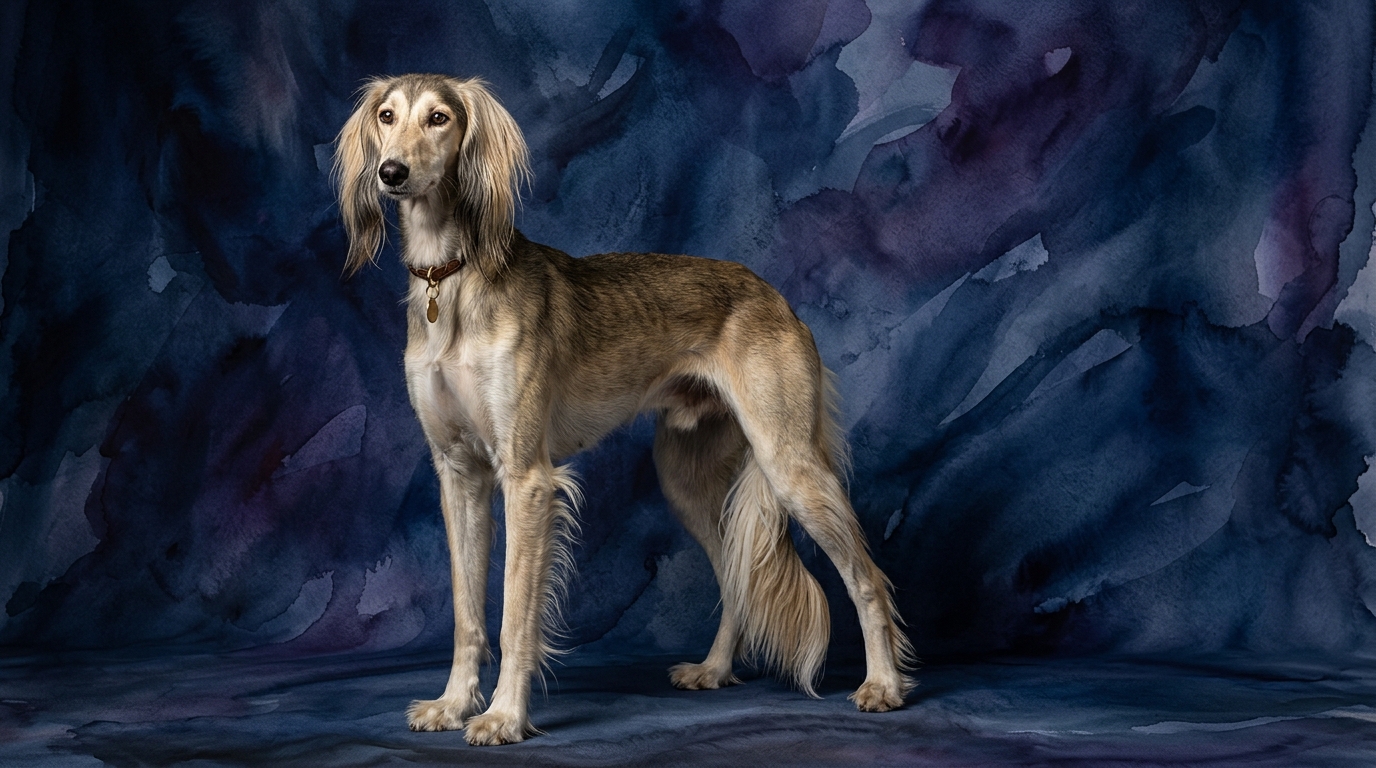
For the **Saluki**, a sighthound developed for swift pursuit across vast desert landscapes, their scores articulate as follows:
**Problem Solving (3/5):** The Saluki's problem-solving acumen is highly specialized for dynamic, open environments. This score reflects an ability to rapidly assess a moving target's trajectory, identify the most efficient route through varied terrain, and make split-second decisions during a high-speed chase. Their intellect excels in instinctive, strategic pursuit rather than complex, human-designed puzzles.
**Training Speed (3/5):** Salukis are capable learners, absorbing commands quickly when the task aligns with their intrinsic motivations. Their training speed, however, is not indicative of eager, unquestioning obedience; it's contingent on their perceived value of the exercise. If a command appeals to their chase drive, offers comfort, or provides a clear, desirable reward, they can learn with surprising alacrity, but their independent spirit may make them appear "stubborn" with arbitrary requests.
**Social Intelligence (3/5):** A Saluki's social intelligence is often characterized by a refined, observant nature. They are keenly attuned to their human companions' routines and subtle cues, forming exceptionally deep, loyal bonds within their immediate family. While typically reserved and sometimes aloof with strangers, their understanding of their inner circle's emotions and intentions is profound and quiet.
**Instinctive Drive (3/5):** This score powerfully encapsulates the Saluki's formidable sighthound instincts. Their drive is overwhelmingly visual, manifesting as an intense focus on movement and speed. This ancient hunting impulse is deeply ingrained, shaping much of their cognitive processing, environmental interaction, and the powerful urge to chase anything that moves quickly.
**Memory (3/5):** Salukis exhibit excellent spatial memory, particularly for environments they've explored and for routes used during exercise or hunting. They remember routines and the people they trust implicitly. While they recall learned commands, especially those consistently reinforced, their memory is most robust when tied to meaningful experiences, such as secure running spaces or cherished family rituals.
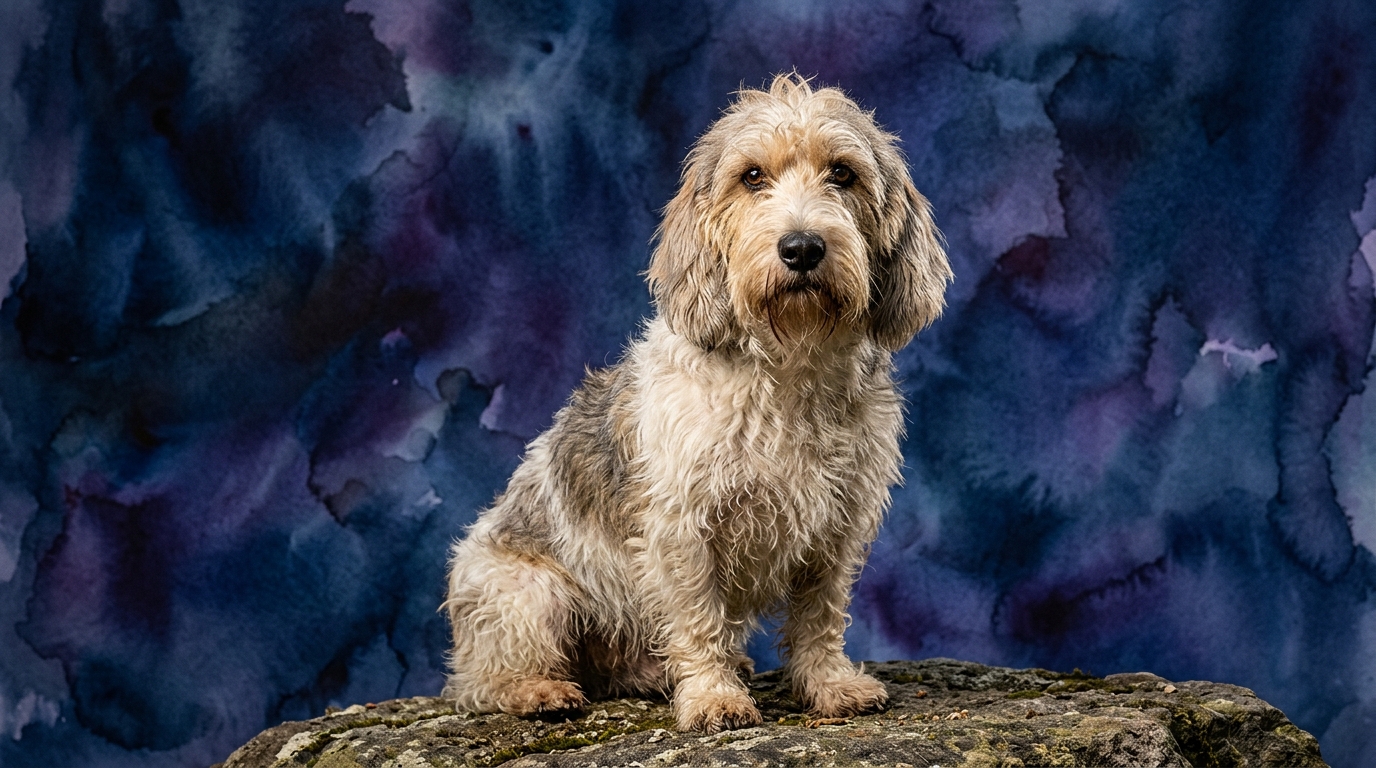
The **Petit Basset Griffon Vendéen (PBGV)**, a scenthound bred to navigate dense underbrush and vocalize on the trail, interprets these identical scores quite differently:
**Problem Solving (3/5):** The PBGV's problem-solving skills are intrinsically linked to their formidable olfactory capabilities. Their intellect shines in deciphering intricate scent trails, navigating complex environmental obstacles like brambles and thickets, and persistently working through challenges to locate a hidden quarry. This is a methodical, enduring form of deduction, patiently piecing together olfactory information over time and distance.
**Training Speed (3/5):** PBGVs are capable of learning commands, but their training speed is often tempered by their potent, independent scent drive. They can pick up cues, but their focus is easily diverted by an intriguing smell, leading to perceived "slowness" or selective hearing. Consistency, patience, and making training a fun, rewarding game are crucial to harnessing their potential amidst their strong instincts.
**Social Intelligence (3/5):** PBGVs are generally outgoing and possess a robust social intelligence. They are often highly attuned to human moods, eager to engage, and thrive on interaction. Their pack mentality extends readily to their human family, making them excellent communicators of their desires and often quite demonstrative in their affection and attempts to solicit attention and play.
**Instinctive Drive (3/5):** The PBGV's instinctive drive is overwhelmingly dominated by their powerful sense of smell. This score represents an almost insatiable urge to follow a scent trail, a deeply rooted hunting instinct that makes them tireless and determined. This drive is the engine of much of their behavior, directing their exploration, problem-solving, and fundamental interaction with the world.
**Memory (3/5):** PBGVs possess an exceptional memory for scent profiles and the precise locations where interesting smells were found. They remember training cues, especially those associated with positive experiences, but their recall can be temporarily overridden by a particularly compelling scent. Their memory is most vivid for sensory details, particularly those related to their rich olfactory world.
Where the Saluki Wins Cognitively
The Saluki's cognitive strengths truly shine in scenarios demanding independent decision-making and rapid visual processing. Their ability to quickly assess and react to dynamic visual stimuli, such as a squirrel darting across a field, demonstrates a superior capacity for immediate, strategic action in open spaces. This form of 'problem-solving' is about efficiency of movement and precision in pursuit, a complex calculation performed at high speed.
Furthermore, their reserved social intelligence, while sometimes mistaken for aloofness, allows for a more subtle, observational understanding of their environment and human companions. They process information quietly, often choosing to act rather than overtly solicit, indicating a strong sense of self-reliance and a nuanced comprehension of their place within the family unit without constant feedback loops. This makes them adept at discerning routines and anticipating events without explicit instruction.
Where the Petit Basset Griffon Vendéen Wins Cognitively
The PBGV's cognitive prowess is undeniable in areas demanding persistence, meticulous sensory analysis, and collaborative spirit. Their exceptional olfactory problem-solving allows them to systematically unravel complex scent puzzles, following faint trails through challenging environments for extended periods. This isn't about speed, but about an enduring, methodical approach to information gathering and deduction, demonstrating remarkable mental stamina and focus in their chosen domain.
Their robust social intelligence also gives them an edge in engaging and communicating. PBGVs are often more overtly expressive and attuned to group dynamics, thriving in environments where interaction and participation are encouraged. This makes them particularly adept at forming strong bonds within a 'pack,' whether canine or human, and using vocalizations and body language to convey their needs and desires effectively.
Which is Easier to Train and Why
Neither the Saluki nor the PBGV would typically be described as 'easy' to train in the conventional sense, but the challenges they present differ significantly. The Saluki's independence means they learn quickly when motivated, but their motivation often needs to align with their sighthound instincts or desire for comfort. They require consistent, positive reinforcement that clearly demonstrates the value of the command, and can appear 'deaf' to commands if they perceive a more compelling visual stimulus. Their training often benefits from an owner who understands how to channel their chase drive into appropriate activities.
The PBGV's training journey is characterized by the formidable challenge of their powerful scent drive. While they are generally eager to please and socially engaged, their nose frequently overrides their ears. A fascinating smell can instantly derail a training session, making consistent recall a particularly arduous task. Training a PBGV demands immense patience, a high-value reward system, and an understanding that their primary mode of interaction with the world is olfactory, requiring an owner to be more engaging and creative to hold their attention against the backdrop of an exciting scentscape. Ultimately, the PBGV's constant distraction by scent often makes them more challenging for the average owner seeking consistent obedience.
Which Suits Active Owners vs. Relaxed Owners
The distinction between these two breeds for different owner lifestyles is quite clear. The Saluki, despite its need for bursts of intense speed, often suits owners who appreciate a relatively relaxed indoor companion. They require opportunities for sprinting in a large, securely fenced area (or on a long line) to satisfy their sighthound instincts, but once exercised, they are typically calm, quiet, and content to lounge inside. They are not suited for owners who cannot provide safe, regular opportunities for off-leash running, but are ideal for those who value elegance and a peaceful home life after a good romp.
The Petit Basset Griffon Vendéen, by contrast, suits a more consistently active owner who enjoys daily, meandering outdoor adventures. Their potent scent drive means they thrive on exploring, sniffing every bush and tree, and require consistent, moderate exercise that engages their nose and legs. They are less likely to be content with short bursts of activity and more likely to be a 'busy' presence indoors if not adequately stimulated outdoors. An owner who enjoys hiking, is prepared for a dog that will enthusiastically pull on the leash, and can manage a vocal, curious companion will find the PBGV a perfect fit.
The Verdict
Choose the Saluki if you seek an elegant, independent companion who thrives with dedicated, safe running opportunities and provides a calm, quiet presence indoors.
Opt for the Petit Basset Griffon Vendéen if you embrace a persistent, curious, scent-driven dog, enjoy consistent outdoor adventures, and appreciate a boisterous yet affectionate companion.
🧠 Find Your Pet's IQ Score
Our Pet IQ Lab assessment covers 25+ tests across 5 cognitive dimensions — personalized to your breed.
Take the Full IQ Test →Frequently Asked Questions
Are Salukis good at learning tricks?
Salukis can certainly learn tricks, especially those involving movement or problem-solving with a clear, appealing reward. However, their independent nature means their motivation often needs to be higher than for some other breeds, and they may not perform them with the same eager enthusiasm.
How does the PBGV's scent drive affect their intelligence?
The PBGV's potent scent drive profoundly shapes their problem-solving and memory, making them exceptional at intricate trail following and olfactory deduction. This strong instinct, however, often overrides other commands, posing a significant challenge for recall and requiring consistent, engaging training.
Can both breeds live in apartments?
A Saluki can adapt to apartment living if provided with regular, intense running opportunities in a secure area, as they are relatively calm indoors. A PBGV might struggle more due to their constant need to explore, vocalize, and follow scents, requiring more consistent, active outdoor engagement to prevent restlessness.