Side-by-side IQ profile
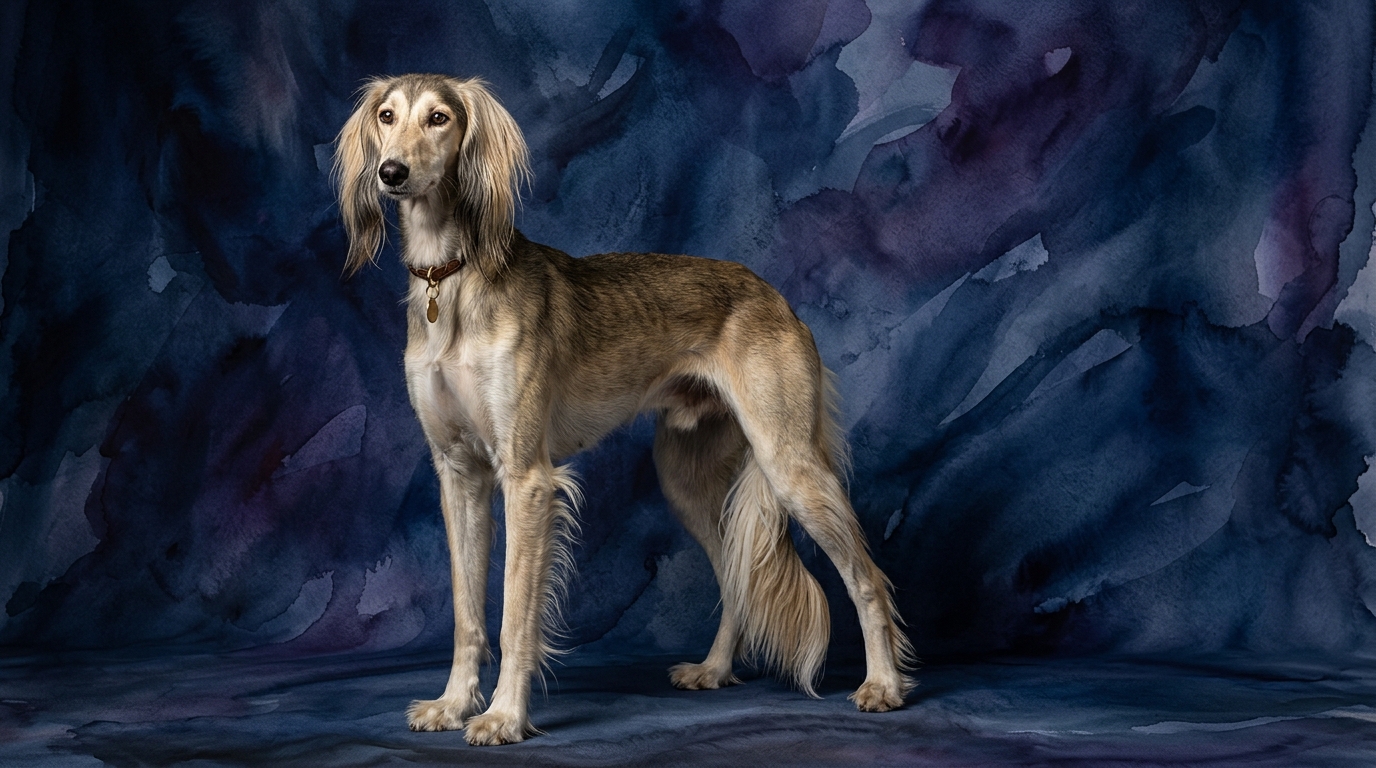
The Cosmic Pet Pet IQ Lab assigns both the Saluki and the Plott Hound a consistent 3/5 across all five cognitive dimensions: Problem Solving, Training Speed, Social Intelligence, Instinctive Drive, and Memory. Despite identical scores, their historical roles mean these capabilities manifest differently. For the Saluki, an ancient desert sighthound, problem-solving involves independent, quick decisions during high-speed chases, assessing terrain and prey movements without human command. Its 3/5 training speed is often perceived as challenging due to its self-reliant nature; Salukis learn quickly but weigh compliance against their own desires. Social intelligence is reserved, forming deep bonds with family but remaining aloof with strangers, understanding subtle household dynamics. Its instinctive drive is profoundly visual, an intense urge to chase anything fast-moving. Memory is strong for routines, safe spaces, and the layout of exercise paths, recalling commands when motivated.
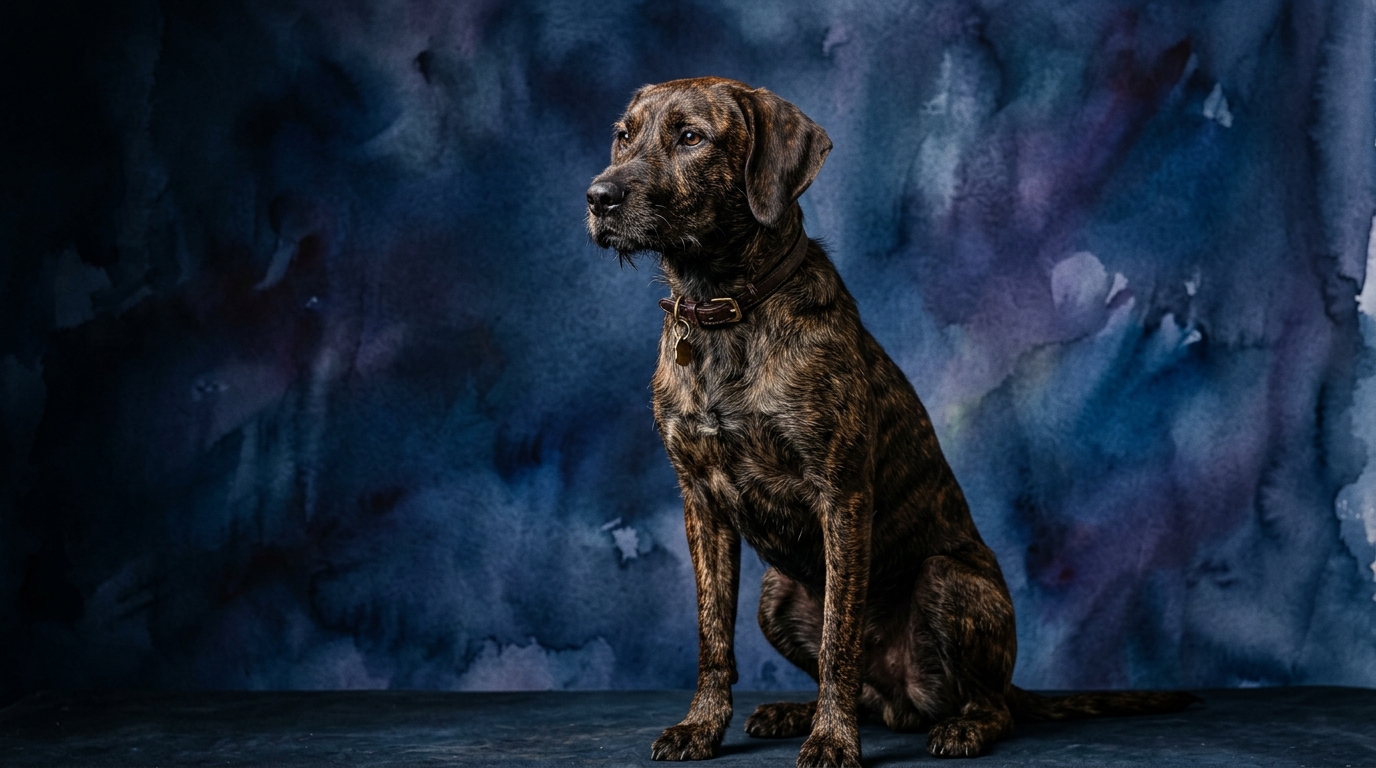
The Plott Hound, a rugged American scenthound, exhibits its 3/5 problem-solving through relentless tracking and overcoming environmental obstacles, involving intricate scent discrimination and cooperative strategy within a hunting party. Its 3/5 training speed benefits from a strong desire to work with its handler, making it eager to learn, though its intense scent focus can distract. Plott Hounds display robust social intelligence, thriving within a pack (human or canine), adept at reading group dynamics and expressing themselves. Their instinctive drive is overwhelmingly olfactory, an insatiable need to follow a scent trail, often with vocalizations. Memory is exceptional for complex scent patterns, tracking routes, and recalling work-related commands.
Where Saluki wins cognitively
The Saluki's cognitive strengths align with its sighthound heritage, excelling in tasks demanding independent, swift visual processing and decision-making. Its problem-solving, rated 3/5, is particularly effective in open environments, making split-second judgments on efficient pursuit paths for fast-moving quarry. This involves inherent spatial awareness and predictive ability honed over millennia. The Saluki also excels in memory related to visual cues and environmental layouts, quickly mapping and recalling safe running areas or object locations. Its reserved social intelligence allows it to detect subtle shifts in human mood and household routines, often understanding its trusted human's desires without overt signals, demonstrating a sophisticated, quiet observational intelligence.
Where Plott Hound wins cognitively
The Plott Hound’s cognitive prowess is rooted in its scenthound role, demonstrating superior capabilities in sustained focus on olfactory information and cooperative effort. Its 3/5 problem-solving is highly effective in tracking, deciphering complex scent trails, differentiating target scents, and overcoming barriers. This involves remarkable processing of sensory data and cognitive endurance. The Plott Hound's memory is exceptional for scent patterns and tracking sequences, allowing it to revisit trails with accuracy. Its social intelligence, also 3/5, is expressed through strong pack drive and collaboration; it excels at working with humans or other dogs, understanding its role and communicating effectively through vocalizations, making it adept at teamwork.
Which is easier to train and why
Assessing training ease requires understanding motivations beyond their 3/5 training speed. The Plott Hound generally responds better to traditional obedience due to its inherent desire to work cooperatively and strong pack drive. They are typically eager to please their human handlers and respond well to positive reinforcement. However, their formidable scent drive is a significant challenge; once a Plott Hound locks onto a smell, focus becomes singular, making recall difficult. Consistent training incorporating scent work can harness this drive.
The Saluki often requires a more nuanced approach. While capable of learning quickly, its independent nature means it's less inclined to follow commands if it doesn't see a clear benefit or if prey drive activates. A Saluki might learn a command but choose not to execute it if distracted. Training demands patience, positive reinforcement, and understanding its sighthound instincts, making it feel like a partnership. Recall, especially, can be a lifelong effort, as chase instinct often overrides learned behaviors. Thus, the Plott Hound's cooperative nature often appears "easier" for general obedience, while the Saluki requires a more creative, understanding engagement.
Which suits active owners vs relaxed owners
The choice between a Saluki and a Plott Hound depends on an owner's definition of "active" or "relaxed." The Saluki, despite its speed, can adapt to a relaxed indoor life if its intense exercise needs are met. They require short bursts of very high-intensity exercise—sprints in a securely fenced area or lure coursing—followed by long periods of lounging. They suit active owners who provide dedicated outlets for speed, appreciating a calm, independent companion indoors. They are not ideal for owners seeking a long-distance jogging partner, but rather a companion for intense, focused activity.
The Plott Hound demands a more consistently active lifestyle. Their scenthound heritage means they thrive on sustained physical and mental engagement, needing regular, vigorous exercise like long walks, hikes, or scent work. An under-exercised Plott Hound can become restless or vocal. They excel with active owners who enjoy outdoor adventures, especially tracking or field work. While they cherish family time, they are less suited for purely sedentary owners. Their tenacious drive and need for a "job" fit individuals committed to integrating their dog into a consistently active routine.
The Verdict
Choose the Saluki if you appreciate an independent, reserved companion who thrives on intense, short bursts of exercise and then enjoys quiet relaxation indoors, understanding their deep bonds are earned rather than freely given.
Opt for the Plott Hound if you seek a tenacious, cooperative partner for consistent outdoor adventures and scent-driven activities, valuing their expressive nature and strong desire to work alongside their human pack.
🧠 Find Your Pet's IQ Score
Our Pet IQ Lab assessment covers 25+ tests across 5 cognitive dimensions — personalized to your breed.
Take the Full IQ Test →Frequently Asked Questions
Do Salukis and Plott Hounds get along with other pets?
Salukis can coexist with other pets, especially if raised with them, but their strong prey drive means small, fast-moving animals might trigger their chase instinct. Plott Hounds generally get along well with other dogs due to their pack nature, but their high prey drive for larger game can also extend to smaller household pets if not properly socialized.
Are Salukis or Plott Hounds good with children?
Salukis are typically gentle and tolerant with well-behaved children, often preferring quieter interactions and appreciating personal space; supervision is always recommended. Plott Hounds, with their robust, playful nature and strong pack instincts, can be excellent family dogs and enjoy interacting with children, though their energy and size require careful management around very young kids.
What are the common vocalization patterns for each breed?
Salukis are generally quiet dogs, occasionally emitting a soft bark or "woo-woo" sound when excited or communicating with their family, but are not known for excessive vocalization. Plott Hounds are distinctively vocal, known for their deep, resonant baying and howling, especially when on a scent trail or when expressing excitement, which requires consideration for close neighbors.