Side-by-Side IQ Profile: Saluki vs. Schipperke
The Cosmic Pet Pet IQ Lab employs five key dimensions to map a breed's cognitive blueprint: Problem Solving, Training Speed, Social Intelligence, Instinctive Drive, and Memory. While both the Saluki and Schipperke possess unique strengths, their profiles reveal divergent approaches to the world around them. Let's examine their individual scores.
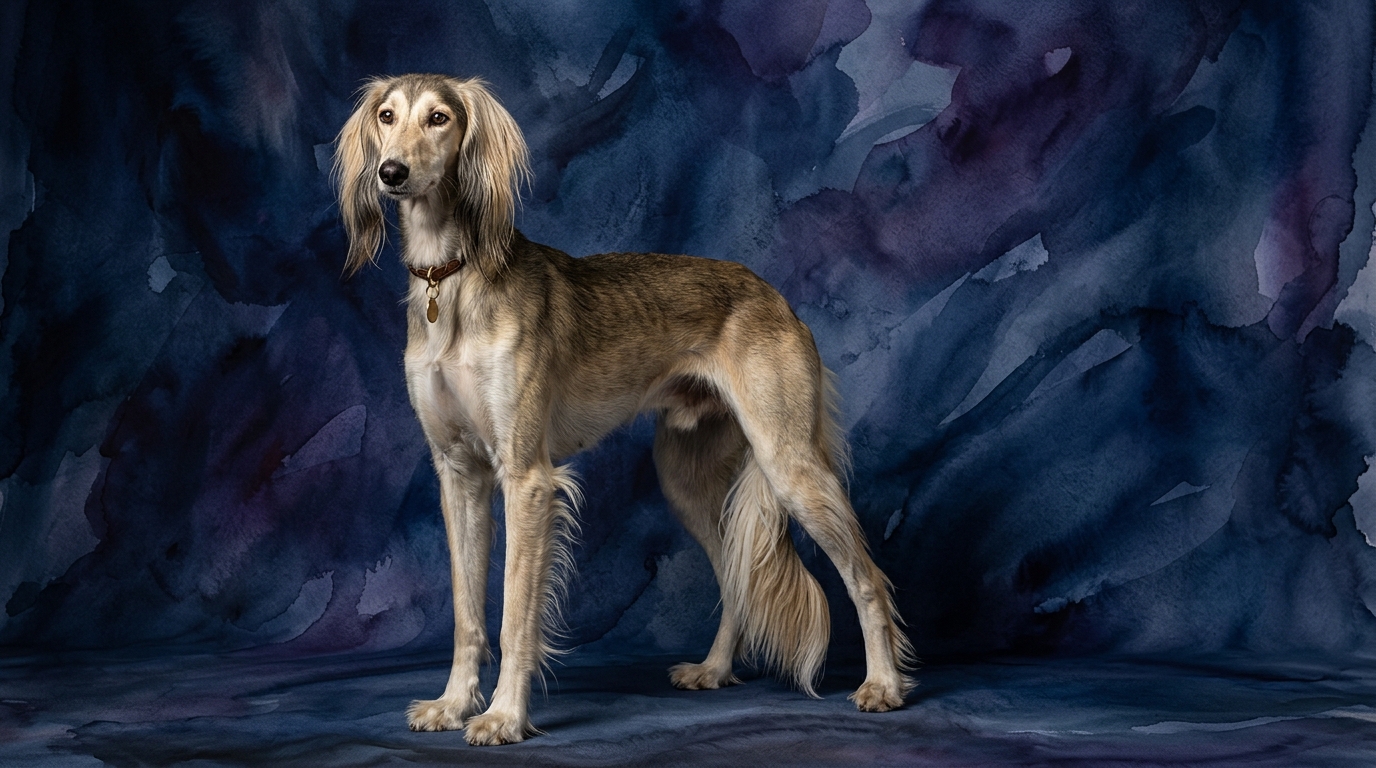
**The Saluki Profile:** This ancient sighthound presents a balanced yet independent cognitive makeup. With a Problem Solving score of 3/5, Salukis demonstrate moderate aptitude for navigating novel challenges, often preferring to rely on their keen senses and established patterns rather than intricate mental puzzles. Their Training Speed, also 3/5, indicates a willingness to learn but a need for consistent, engaging methods that respect their independent spirit. Social Intelligence at 3/5 suggests they are capable of forming strong bonds and understanding human cues, though they might not always prioritize human direction over their own motivations. An Instinctive Drive of 3/5 points to their inherent sighthound tendencies – a powerful urge to chase and hunt, which heavily influences their interactions with their environment. Finally, a Memory score of 3/5 means they retain information adequately, but perhaps not with the precision or recall of breeds more geared towards complex obedience.
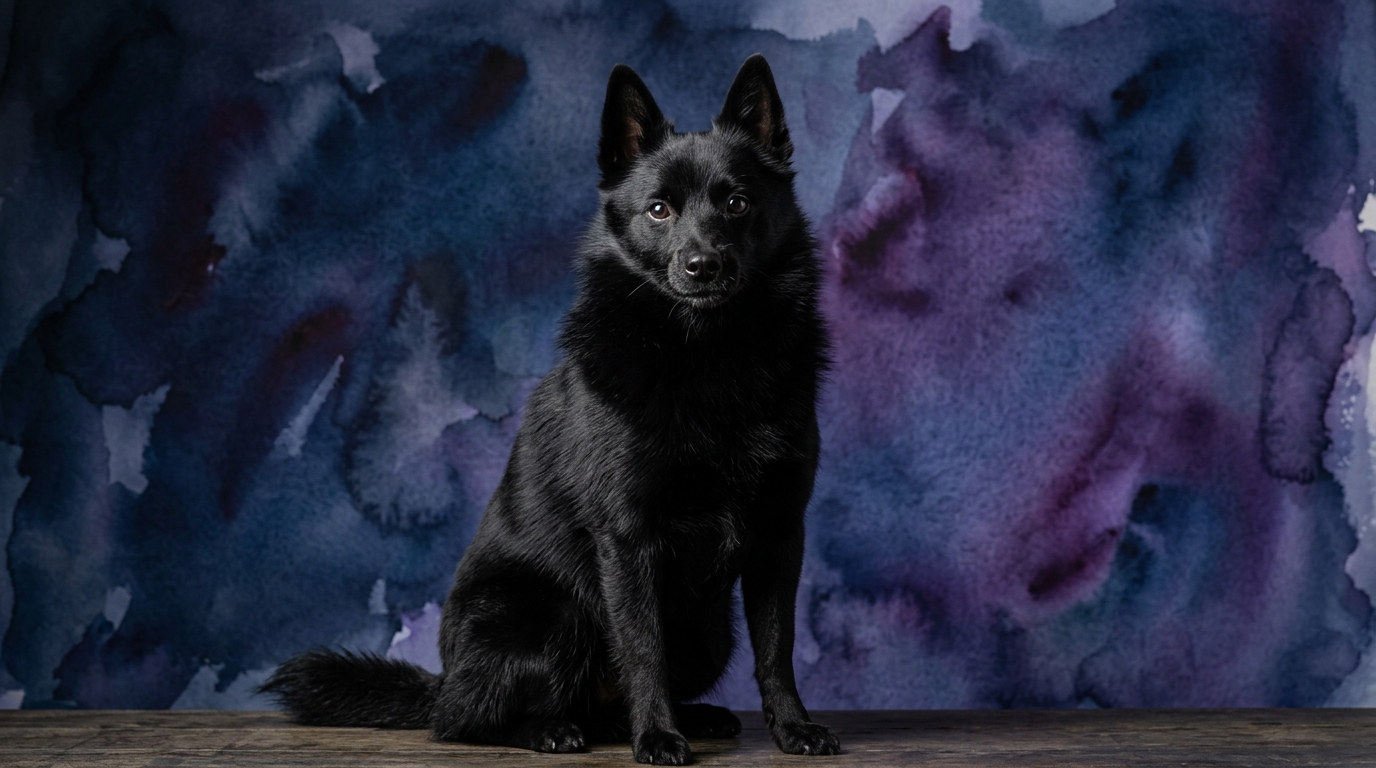
**The Schipperke Profile:** In stark contrast, the 'little black devil' boasts an impressive cognitive toolkit, particularly in areas demanding mental agility. Their Problem Solving capability shines at 5/5, indicating a breed that actively seeks out and masterfully overcomes obstacles, often with inventive solutions. This high score suggests a dog that thrives on mental engagement and complex tasks. Training Speed is also exceptional at 5/5, reflecting a quick grasp of new commands and a strong desire to cooperate, making them remarkably receptive to structured learning. Social Intelligence matches the Saluki at 3/5, meaning they are adept at understanding social dynamics and human emotions, but like the Saluki, they possess a strong independent streak that guides their interactions. Instinctive Drive is likewise 3/5, though their drive manifests more as a territorial watchfulness and a propensity for herding smaller animals rather than the Saluki's open-field pursuit. Their Memory score is an outstanding 5/5, allowing them to recall a vast repertoire of commands, routines, and experiences with remarkable clarity, an asset in both training and daily life.
Where the Saluki Wins Cognitively
While the Schipperke often scores higher in metrics associated with traditional 'trainability,' the Saluki's cognitive strengths lie in areas less about compliance and more about independent judgment and specialized sensory processing. Their 3/5 in Problem Solving, combined with their 3/5 Instinctive Drive, isn't a deficit but a reflection of a different kind of cognitive strength. Salukis excel at tasks requiring sustained focus on a distant moving object, processing complex visual information at high speeds, and making instantaneous decisions based on instinct and environmental cues. This isn't about solving a puzzle box, but about navigating challenging terrain at a gallop to intercept prey, a cognitive feat requiring immense spatial awareness and rapid data interpretation.
Their moderate scores across the board often translate into a balanced, less 'needy' intellect. A Saluki might not be constantly seeking new commands or intellectual games, preferring instead to observe their surroundings with a quiet, discerning mind. This independence, rooted in their history as solitary hunters alongside humans, means they are adept at entertaining themselves and processing information without constant human intervention. Their 3/5 Social Intelligence allows them to form deep, loyal bonds, but their affection is often expressed subtly and on their own terms, a cognitive style that appeals to those who appreciate a less overtly demonstrative companion.
Where the Schipperke Wins Cognitively
The Schipperke's cognitive profile is a masterclass in quick wit and adaptability, making them formidable intellectual companions. Their perfect 5/5 in Problem Solving means they approach new situations with an eager, analytical mind. This breed doesn't just react; they strategize. Owners frequently report Schipperkes figuring out complex latches, plotting escape routes, or devising clever ways to get what they want, showcasing a proactive and inventive approach to challenges. This high problem-solving capacity makes them excellent candidates for advanced obedience, agility, and even canine puzzle games, where their mental dexterity can truly shine.
Coupled with their 5/5 Training Speed and 5/5 Memory, the Schipperke becomes an incredibly efficient learner. They absorb new commands with impressive speed and retain them for extended periods, making complex sequential tasks well within their grasp. This combination allows for a vast vocabulary of commands and a nuanced understanding of routines. Their 3/5 Instinctive Drive, which manifests as a strong territorial instinct and watchfulness, further fuels their cognitive engagement; they are constantly processing their environment for changes or potential intruders, demonstrating a continuous, active mental state that thrives on observation and decision-making.
Which Is Easier to Train and Why
Based on their respective IQ scores, the Schipperke clearly holds an advantage in traditional training scenarios. Their 5/5 Training Speed indicates an innate eagerness and ability to quickly grasp new concepts and commands, often requiring fewer repetitions than many other breeds. This is complemented by their 5/5 Memory, ensuring that once a lesson is learned, it's likely to stick. Schipperkes thrive on structure and mental stimulation, viewing training as an engaging activity rather than a chore. Their high Problem Solving score also means they can generalize learned behaviors to new situations and even anticipate what's being asked of them, making advanced training a smooth progression.
The Saluki, with a Training Speed of 3/5 and Memory of 3/5, presents a different training dynamic. They are certainly capable of learning, but their independent nature and strong instinctive drive often mean they require more patience, creativity, and motivation from their handler. A Saluki might understand a command perfectly but choose not to execute it if something more interesting (like a squirrel darting across the park) captures their attention. Their training often requires finding what intrinsically motivates them, whether it's a specific treat, toy, or the sheer joy of a chase, and integrating that into the learning process. While they can achieve high levels of obedience, it typically demands a deeper understanding of sighthound psychology and a willingness to embrace their selective hearing.
Which Suits Active Owners vs. Relaxed Owners
Defining 'active' and 'relaxed' ownership goes beyond mere physical exertion and delves into the type of mental engagement a breed requires. For the Saluki, an 'active' owner is one who understands their need for bursts of intense physical activity in a safe, enclosed space, allowing them to truly stretch their legs and fulfill their ancestral desire to run. After these exhilarating sprints, Salukis are often content to be remarkably relaxed companions, enjoying quiet companionship and lounging. Their balanced cognitive profile means they aren't constantly demanding mental puzzles or intricate games, making them suitable for owners who appreciate a dog with an 'off switch' after their physical needs are met. A relaxed owner for a Saluki isn't sedentary, but rather someone who values calm presence and independent leisure over constant interaction.
The Schipperke, conversely, demands a different kind of 'active' ownership, one that heavily incorporates mental stimulation. Their 5/5 Problem Solving and Memory, combined with their 3/5 Instinctive Drive (manifesting as keen watchfulness), means they require consistent mental challenges to prevent boredom and destructive behaviors. They are the perfect breed for owners who enjoy teaching new tricks, engaging in dog sports like agility or rally, or providing a variety of puzzle toys. While they are physically energetic and enjoy walks, their mental energy is perhaps their most defining characteristic. A 'relaxed' owner for a Schipperke risks having a bored, ingenious dog who will invent their own entertainment, which often doesn't align with human preferences. They thrive with owners who are actively engaged in shaping their sharp minds.
The Verdict
Choose the Saluki if you appreciate an elegant, independent companion whose intelligence shines in moments of swift action and quiet observation, and you can provide regular opportunities for expansive, safe running. They suit owners who value loyalty expressed subtly and a dog that can transition from high-speed sprints to serene lounging with ease.
Opt for the Schipperke if you are an owner eager to engage a brilliant, quick-witted canine mind that thrives on learning, problem-solving, and continuous mental stimulation. They are ideal for those who enjoy structured training, dog sports, and a vigilant, interactive companion.
🧠 Find Your Pet's IQ Score
Our Pet IQ Lab assessment covers 25+ tests across 5 cognitive dimensions — personalized to your breed.
Take the Full IQ Test →Frequently Asked Questions
Are Salukis difficult to train?
Salukis aren't inherently difficult, but their independent nature and strong sighthound instincts mean training requires patience, consistency, and high-value motivation. They learn best when sessions are engaging and respect their individualistic personality, rather than demanding robotic compliance.
Do Schipperkes need a lot of exercise?
Schipperkes are energetic and benefit from regular physical activity, but their cognitive needs are often more demanding than their purely physical ones. They require significant mental stimulation through training, puzzle toys, and interactive play to keep their sharp minds engaged and prevent boredom.
Which breed is better with children?
Both breeds can be good with children, but their temperaments differ. Salukis are often gentle and tolerant, though they appreciate quiet children who respect their space. Schipperkes are generally robust and playful, but their high energy and territorial instincts mean they need early socialization and supervision, especially with very young children, to ensure positive interactions.