Side-by-Side Cognitive Profile
The Cosmic Pet Pet IQ Lab assesses canine intelligence across five key dimensions. For both the Saluki and the Tibetan Terrier, a consistent score of 3/5 across the board indicates moderate capabilities in each area, yet the *expression* of these abilities is deeply rooted in their breed-specific histories and inherent drives, making a closer look essential.
Saluki IQ Dimensions:
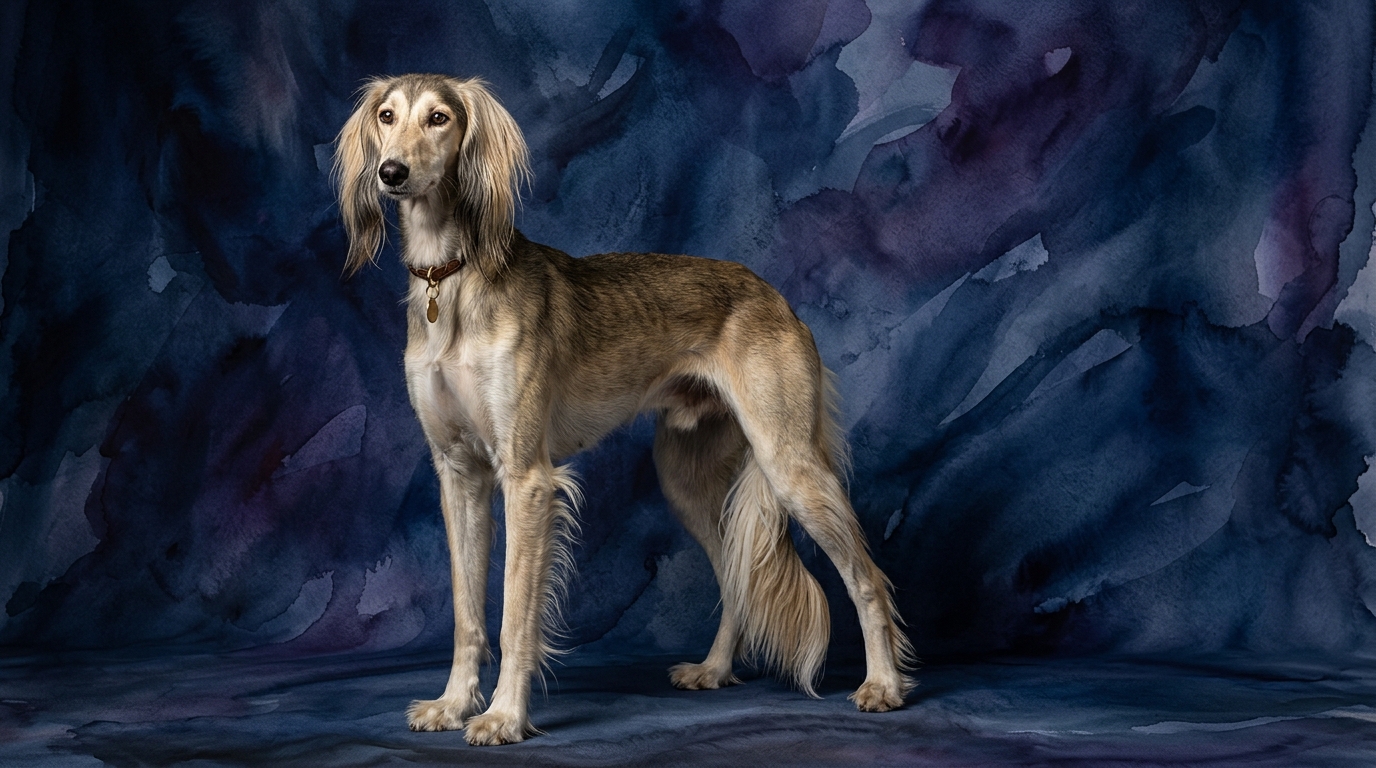
Problem Solving (3/5): Salukis exhibit moderate problem-solving, predominantly in independent pursuit, navigating terrain and making split-second decisions during a chase rather than complex puzzles. Their choices prioritize efficiency in motion.
Training Speed (3/5): They learn at a moderate pace, but their independent spirit means motivation is key; compliance often depends on perceived value, making repetitive drills challenging.
Social Intelligence (3/5): Moderate social intelligence means deep bonds with family, but reserved interactions with strangers and a selective expression of affection. They are observant but not overtly effusive.
Instinctive Drive (3/5): Their moderate drive primarily manifests as a powerful, sight-based prey instinct, guiding their focus and energy in open spaces, an ancient hunting specialization.
Memory (3/5): Salukis possess a moderate memory for routines, commands, and familiar people, influencing future interactions based on past experiences and learned patterns.
Tibetan Terrier IQ Dimensions:
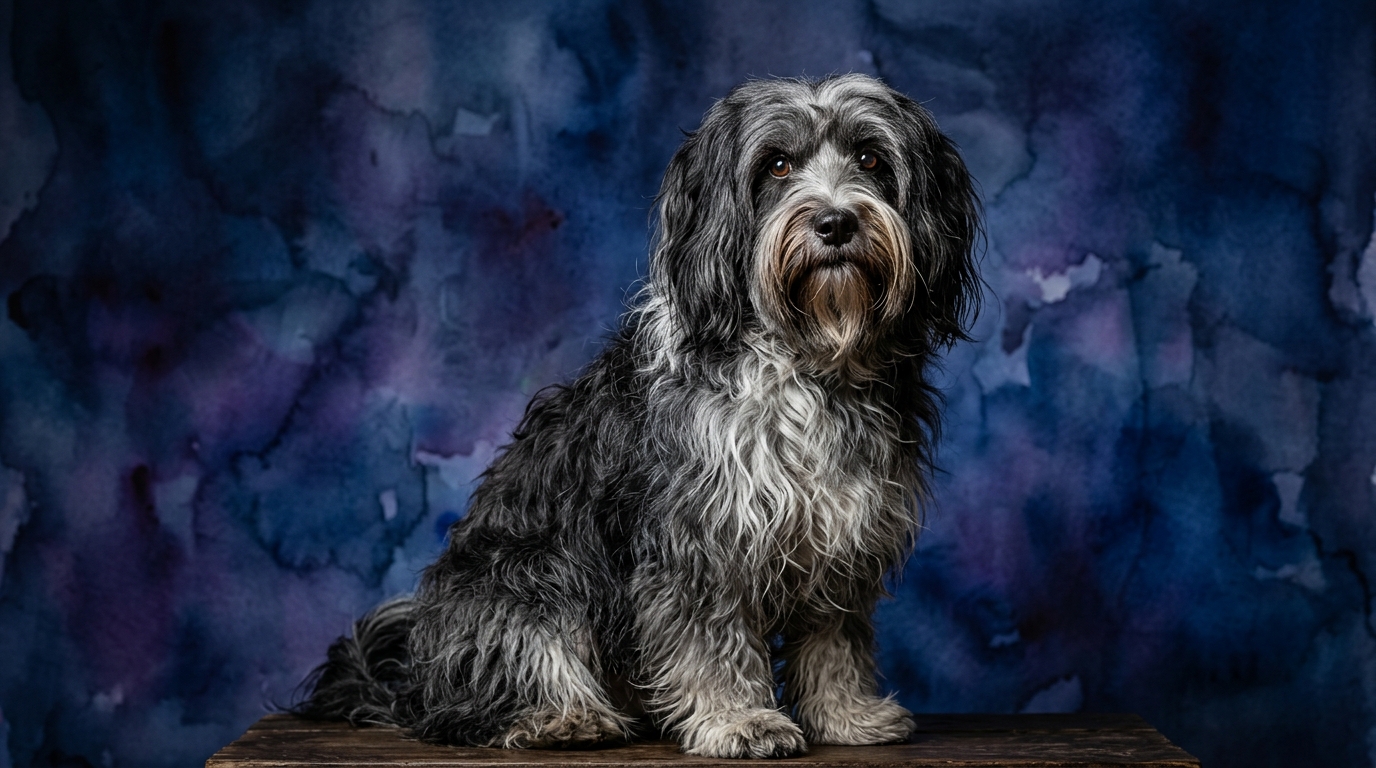
Problem Solving (3/5): Tibetan Terriers show moderate problem-solving, often employing cleverness to achieve domestic goals, like opening cabinets, reflecting a persistent and resourceful nature in their environment.
Training Speed (3/5): Moderate learning speed, though their independent streak and occasional stubbornness demand consistent, patient, positive reinforcement to keep them engaged.
Social Intelligence (3/5): Moderate social intelligence, attuned to family moods and adaptable to routines, generally outgoing and responsive within their home and social circle.
Instinctive Drive (3/5): Their moderate drive includes watchfulness from their guardian heritage and a mild prey drive for small critters, often leading to alert behaviors and an awareness of surroundings.
Memory (3/5): Tibetan Terriers have moderate memory, retaining commands, toy locations, and family routines, shaping their interactions and potential favoritism based on past events.
Saluki's Cognitive Strengths
While both breeds score identically, the Saluki's cognitive strengths are uniquely honed for specialized tasks. Their 3/5 problem-solving is unparalleled in independent pursuit, allowing them to make rapid, tactical decisions during high-speed chases, assessing terrain and anticipating movement without direct human intervention. This self-directed cognitive processing, crucial for their sighthound role, enables efficient pathfinding and obstacle navigation in dynamic environments.
Furthermore, their 3/5 instinctive drive translates to a superior ability to filter distractions and focus intensely on distant visual stimuli, rapidly identifying and locking onto moving objects. This specialized attention to far-off targets is a distinct cognitive advantage, a direct result of generations bred for open-field hunting, where precision and speed of visual processing were paramount.
Tibetan Terrier's Cognitive Strengths
The Tibetan Terrier's cognitive prowess shines in a domestic context, despite identical scores. Their 3/5 problem-solving and social intelligence combine into remarkable adaptability and resourcefulness within human households. They excel at figuring out home dynamics, whether it's manipulating for attention or cleverly accessing treats. This cognitive strength allows them to observe, learn, and adjust their behaviors to fit the nuances of family life, often recalling past successes and applying them to new situations.
Their 3/5 social intelligence also manifests as a heightened ability to read and respond to human emotional states, making them adept communicators within the family unit. They remember social cues and preferences, building complex, reciprocal relationships and often acting as sensitive barometers of the emotional climate in their homes, a valuable trait for a companion breed.
Training Dynamics: Saluki vs. Tibetan Terrier
Despite both breeds scoring 3/5 in training speed, the *ease* of achieving consistent compliance differs significantly due to their inherent temperaments and historical roles. The Tibetan Terrier, with its companion and watchdog heritage, often possesses a stronger desire for social interaction and approval from its human companions. While they can exhibit a stubborn streak, their training is generally more amenable to positive reinforcement methods that leverage their desire to engage and please.
They are often motivated by praise, play, and food, and their moderate social intelligence makes them keen observers of human cues, which can be effectively harnessed during training. Consistency is key to navigating their independent thinking and ensuring commands are retained, as they thrive on routine and clear expectations.
The Saluki, conversely, presents a unique training dynamic rooted in its sighthound independence and ancient hunting heritage. Their 3/5 training speed is often tempered by their self-directed nature; they were bred to make autonomous decisions during a hunt, not to slavishly follow commands. While they are capable of learning a vast array of commands and routines, their compliance is frequently driven by their own assessment of the situation or the immediate reward.
Repetitive drill work can quickly lead to boredom and disengagement, as it runs counter to their instinct for independent action. Training a Saluki often requires understanding their intrinsic motivations, such as the joy of a controlled chase, and integrating these into their learning. Their memory is strong, but they remember what *they* find rewarding. Therefore, while both learn at a moderate pace, the Tibetan Terrier's social orientation often makes the *process* of training feel more collaborative and less like a negotiation compared to the Saluki's independent spirit.
Lifestyle Match: Active vs. Relaxed Owners
When considering an owner's lifestyle, the Saluki's cognitive and physical makeup strongly aligns with active individuals or families who understand their need for vigorous, instinct-fulfilling exercise. Their 3/5 instinctive drive for pursuit means they thrive when given opportunities to run freely and safely in vast, enclosed spaces. While they can be calm indoors, their mental and physical well-being relies on regular bursts of high-speed activity.
Owners who enjoy long, leashed walks or running, but critically, also provide access to secure off-leash areas where the Saluki can truly stretch its legs and engage its sighthound instincts, will find this breed a fulfilling companion. Their independent problem-solving during these activities is a joy to behold, but it means a relaxed owner who cannot provide this outlet may find the Saluki becomes restless or finds its own, potentially destructive, ways to expend energy.
The Tibetan Terrier, while not a couch potato, is generally more adaptable to varying activity levels, making it suitable for both moderately active and somewhat more relaxed owners, provided their social and mental needs are met. Their 3/5 instinctive drive includes watchfulness and a moderate prey drive, which can be satisfied with regular walks, playtime, and mental enrichment. They enjoy being involved in family activities and can adapt to a more urban lifestyle as long as they receive consistent attention and opportunities for exploration.
Owners who appreciate a dog that is engaged, playful, and enjoys being a central part of the household, without requiring marathon runs, would find the Tibetan Terrier a good fit. While they enjoy a good romp, their cognitive strengths in social observation and domestic adaptability mean they are often content with structured play, walks, and interactive puzzle toys that challenge their moderate problem-solving skills, rather than extensive high-speed exercise.
The Verdict
Choose a Saluki if you are an active individual or family who cherishes canine independence and can provide consistent access to safe, expansive areas for exhilarating, instinct-driven runs. They thrive with owners who appreciate a reserved yet deeply bonded companion whose cognitive strengths lie in elegant, self-directed action.
Opt for a Tibetan Terrier if you seek a resourceful, socially intelligent companion eager to be a central, engaging part of family life and can commit to consistent, positive training that respects their clever yet sometimes stubborn nature. They suit owners who enjoy a dog that blends loyalty with playful curiosity in a domestic setting.
🧠 Find Your Pet's IQ Score
Our Pet IQ Lab assessment covers 25+ tests across 5 cognitive dimensions — personalized to your breed.
Take the Full IQ Test →Frequently Asked Questions
Are Salukis good with children?
Salukis can be good with older, respectful children who understand their sometimes reserved nature and need for personal space. Their independence means they may not enjoy constant rough-and-tumble play, preferring calm and predictable interactions.
Do Tibetan Terriers bark a lot?
Tibetan Terriers can be prone to alert barking due to their history as watchdogs, using their moderate instinctive drive to signal perceived threats or new arrivals. Consistent training and early socialization can help manage excessive barking tendencies.
Which breed is more adaptable to apartment living?
The Tibetan Terrier is generally more adaptable to apartment living due to its moderate exercise needs and strong desire to be near its family, provided it receives regular walks and mental stimulation. Salukis can adapt, but their crucial need for safe, open running space makes it more challenging without dedicated effort to provide this outlet.