Side-by-Side IQ Profile: Interpreting Identical Scores
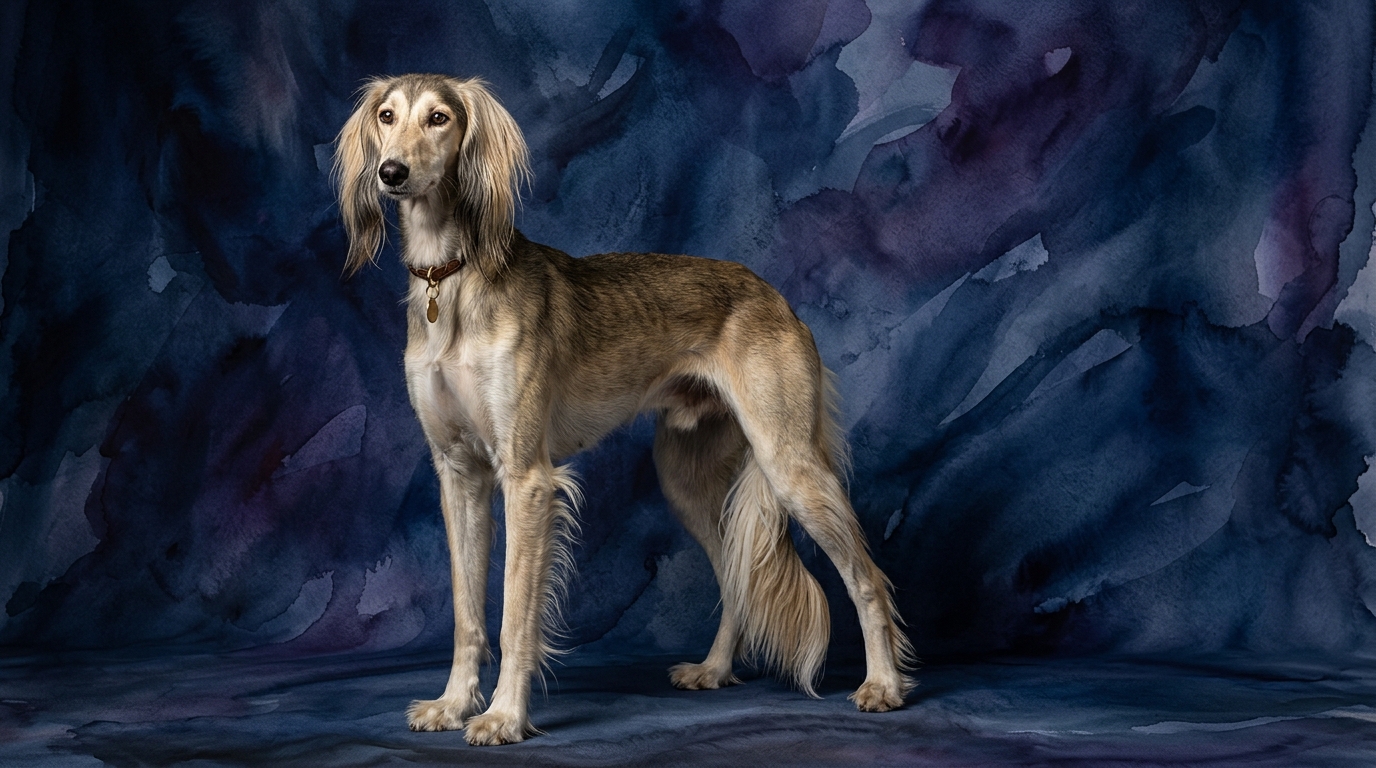
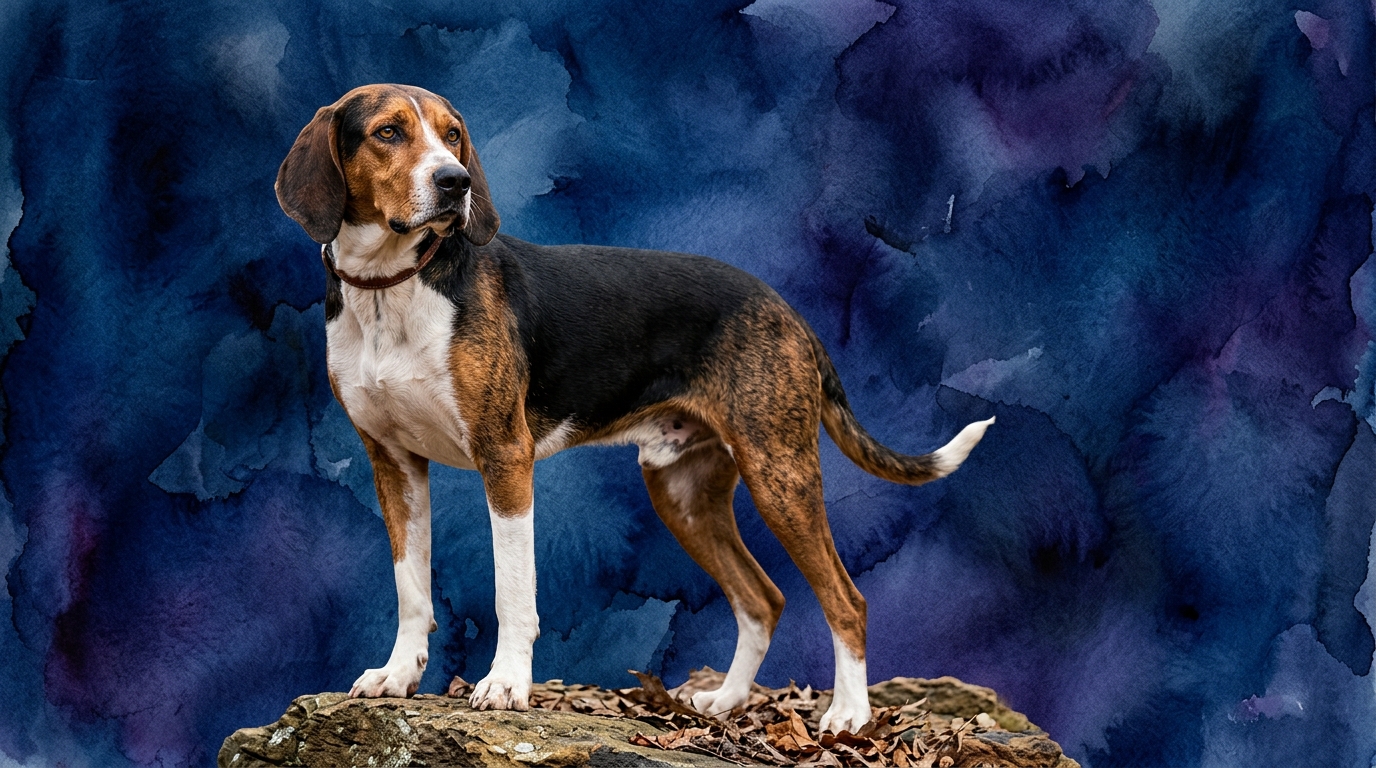
**Problem Solving (3/5):** For the Saluki, a 3/5 in problem-solving manifests as an independent, strategic approach to pursuit. When coursing prey across vast, open territories, their cognitive efforts are directed at anticipating the quarry's escape routes, calculating optimal interception paths, and navigating complex terrain at high speeds. This involves split-second decisions based on visual cues and an innate understanding of physics in motion, often executed without direct human instruction. A Treeing Walker Coonhound's 3/5 in problem-solving is expressed through relentless, focused deduction on a scent trail. Their cognitive challenges involve disentangling a specific scent from environmental clutter, overcoming physical obstacles like streams or fences to maintain the trail, and methodically working to "tree" their quarry. This process demands sustained concentration and an ability to logically follow an invisible path, often collaborating with human partners or other hounds.
**Training Speed (3/5):** The Saluki's training speed of 3/5 reflects their capacity to absorb new commands at a moderate pace, often with a caveat of perceived utility. They are capable learners, particularly when tasks align with their natural sighthound behaviors or involve positive reinforcement that makes the activity worthwhile from their perspective. However, their inherent independence means they might weigh a command against their own inclinations, leading to moments of selective hearing if the directive lacks immediate appeal or clear purpose. Also rated 3/5 for training speed, the Treeing Walker Coonhound learns new behaviors steadily, particularly if the training is consistent and engaging. Their strong drive to follow scent can, at times, appear as a distraction or stubbornness in traditional obedience settings, as their primary focus is often elsewhere. Yet, when training taps into their natural instincts, such as scent work or recall during tracking, they can demonstrate remarkable retention and eagerness to perform.
**Social Intelligence (3/5):** A Saluki’s 3/5 in social intelligence often presents as a refined understanding of their immediate human family's dynamics and emotions, expressed with a quiet dignity. They form deep, loyal bonds, reading subtle cues from their closest companions. While not overtly demonstrative with strangers, they possess an acute awareness of social environments, preferring to observe and choose their interactions rather than engaging with boisterous enthusiasm. Their social understanding is more about discerning trusted relationships than broad, outgoing engagement. For the Treeing Walker Coonhound, a 3/5 in social intelligence manifests as a highly communicative and often affectionate nature within their family unit. Accustomed to working within a pack, they are adept at understanding and responding to both human and canine social signals. Their varied vocalizations are a key part of their social expression, communicating excitement, discovery, or need. They generally thrive on interaction and can be very attuned to the moods and activities of their human companions, often seeking to be included.
**Instinctive Drive (3/5):** The Saluki's 3/5 instinctive drive is overwhelmingly centered on visual pursuit. This deep-seated urge to chase anything that moves quickly and at a distance is a defining characteristic, honed over millennia for hunting fleet-footed desert game. It is a powerful, almost primal impulse that can override other stimuli, manifesting as an immediate, explosive acceleration once a visual trigger is present, making secure containment paramount. The Treeing Walker Coonhound's 3/5 instinctive drive is dominated by an insatiable desire to follow a scent trail. This is not merely an interest but a profound, compelling urge that dictates much of their behavior. Once a compelling scent is detected, their world narrows to that invisible path, driving them forward with incredible tenacity and focus, often accompanied by their characteristic vocalizations. This drive is so strong it can make them oblivious to their surroundings, including calls from their owner.
**Memory (3/5):** With a 3/5 in memory, Salukis possess an excellent recall for spatial information and the outcomes of their independent forays. They can remember optimal chase routes across familiar terrains, where prey was previously sighted, and the successful strategies employed in past pursuits. This memory aids their autonomous hunting style, allowing them to learn from experience and apply that knowledge to future visual challenges, whether on a lure coursing track or in a safely enclosed field. The Treeing Walker Coonhound's 3/5 memory is particularly strong for scent trails, successful hunting locations, and the sequence of events leading to a treed animal. They retain a vast library of olfactory information, associating specific scents with past experiences and outcomes. This cognitive ability allows them to learn and adapt their tracking methods, remembering complex routes and the nuances of various quarry, which is fundamental to their effectiveness as a hunting partner.
Where the Saluki Cognitively Excels
Despite identical scores, the Saluki demonstrates a nuanced cognitive edge in tasks requiring independent, visual problem-solving at speed. Their ancient role as sighthounds means they excel at rapid spatial reasoning, assessing distances, trajectories, and obstacles in a dynamic, open environment. This mental agility allows them to make split-second decisions during a chase, adjusting their pursuit strategy based on the visual cues of fleeing prey, a cognitive feat demanding both speed and precision without human intervention. Furthermore, their reserved social intelligence, while less overtly communicative, enables them to process their environment with a calm, discerning observation, making them less prone to distraction by extraneous social stimuli when focused on a task.
Where the Treeing Walker Coonhound Cognitively Dominates
The Treeing Walker Coonhound's cognitive strengths shine in areas demanding sustained focus on an abstract sensory input and tenacious, methodical problem-solving. Their ability to interpret and follow complex scent trails, often hours old and through varied terrain, is a testament to their superior olfactory processing and memory for scent patterns. This involves a sophisticated form of data analysis, piecing together an invisible narrative from faint chemical signatures. Their social intelligence, geared towards pack cooperation, also gives them an edge in collaborative problem-solving, where their vocalizations and teamwork contribute to a shared objective, such as surrounding a treed animal, showcasing a different kind of cognitive synergy.
Training Dynamics: Saluki vs. Treeing Walker Coonhound
Determining which breed is 'easier' to train is less about raw learning capacity and more about aligning training methods with their inherent drives. The Saluki, while capable of learning at a moderate pace (3/5 Training Speed), possesses a formidable independent streak and a powerful visual prey drive (3/5 Instinctive Drive). Training often requires finding motivations that outweigh their self-directed interests or their impulse to chase. Consistent, positive reinforcement and making training a game that appeals to their desire to run or use their agility will yield better results than rote repetition, as they may disengage if they perceive a lack of purpose. Their memory (3/5) helps them recall learned behaviors, but their independent nature often dictates *when* they choose to apply them.
The Treeing Walker Coonhound, also with a 3/5 Training Speed, is similarly driven by powerful instincts, primarily their scent drive (3/5 Instinctive Drive). This singular focus can make them appear less attentive in traditional obedience, as their nose often leads them astray. However, their pack-oriented social intelligence (3/5 Social Intelligence) means they generally respond well to consistent leadership and thrive on interaction with their human companions. Training that incorporates scent work or provides an outlet for their natural tracking abilities will be highly engaging and effective. They learn quickly when the task is clear and rewarding, and their memory (3/5) for routines and successful outcomes is robust. For an owner willing to embrace scent-based activities, the TWC might feel more 'trainable' in domains that resonate with them, whereas the Saluki requires a more nuanced approach to engage their independent spirit.
Matching Breeds to Lifestyles: Active vs. Relaxed Owners
Both breeds require active engagement, but the *nature* of that activity differs significantly. The Saluki, despite its elegant appearance, is a powerful athlete built for explosive speed and endurance over long distances. They demand active owners who can provide opportunities for safe, off-leash running in securely fenced areas or participate in activities like lure coursing. A 'relaxed' owner who cannot meet this fundamental need for vigorous, visually-driven exercise will likely find their Saluki restless and potentially destructive due to pent-up energy. Their independence means they are content to relax quietly *after* their exercise needs are met, making them suitable for owners who appreciate a calm indoor companion but are dedicated to intense outdoor activity.
The Treeing Walker Coonhound is also an energetic breed, but their activity needs are more about sustained, methodical exploration and mental engagement through scent. They suit active owners who enjoy long walks or hikes, are keen on dog sports like tracking or barn hunt, or are willing to engage in extensive backyard scent games. Their vocal nature and desire for companionship mean they are less suited to owners seeking a truly 'relaxed' pet who can be left alone for extended periods without stimulation. While they can relax indoors, their drive to explore and follow scents means they are always mentally 'on,' requiring an owner who can channel that energy productively and consistently. Owners who prefer quiet, low-key companions might find the TWC's energy and vocalizations overwhelming.
The Verdict
Choose a Saluki if you appreciate an independent, elegant companion whose athleticism demands bursts of high-speed, visually-driven exercise, and you can provide a safe, expansive environment for them to fully express their sighthound instincts.
Opt for a Treeing Walker Coonhound if you are an active owner who thrives on engaging a dog's keen sense of smell, enjoys consistent outdoor adventures, and appreciates a vocal, affectionate partner eager to work alongside you on a scent trail.
🧠 Find Your Pet's IQ Score
Our Pet IQ Lab assessment covers 25+ tests across 5 cognitive dimensions — personalized to your breed.
Take the Full IQ Test →Frequently Asked Questions
Do Salukis and Treeing Walker Coonhounds get along well with other pets?
Salukis often possess a strong prey drive towards smaller, fast-moving animals and may require careful, supervised introductions to cats or small pets. Treeing Walker Coonhounds generally get along well with other dogs due to their pack nature but might view smaller, non-canine pets as something to be chased if their scent drive is engaged.
Are either of these breeds good for first-time dog owners?
Both breeds present unique challenges that might be more suitable for experienced dog owners. Salukis require an understanding of their independent nature and intense exercise needs, while Treeing Walker Coonhounds demand consistent training to manage their powerful scent drive and vocal tendencies.
How do their vocalizations differ?
Salukis are generally quiet dogs, occasionally emitting a soft bark or howl, but they are not known for frequent vocalizations. Treeing Walker Coonhounds, conversely, are highly vocal, utilizing a range of barks, bays, and howls, especially when on a scent trail or when excited, which is a key part of their breed identity.