A Side-by-Side Look at Cognitive Profiles
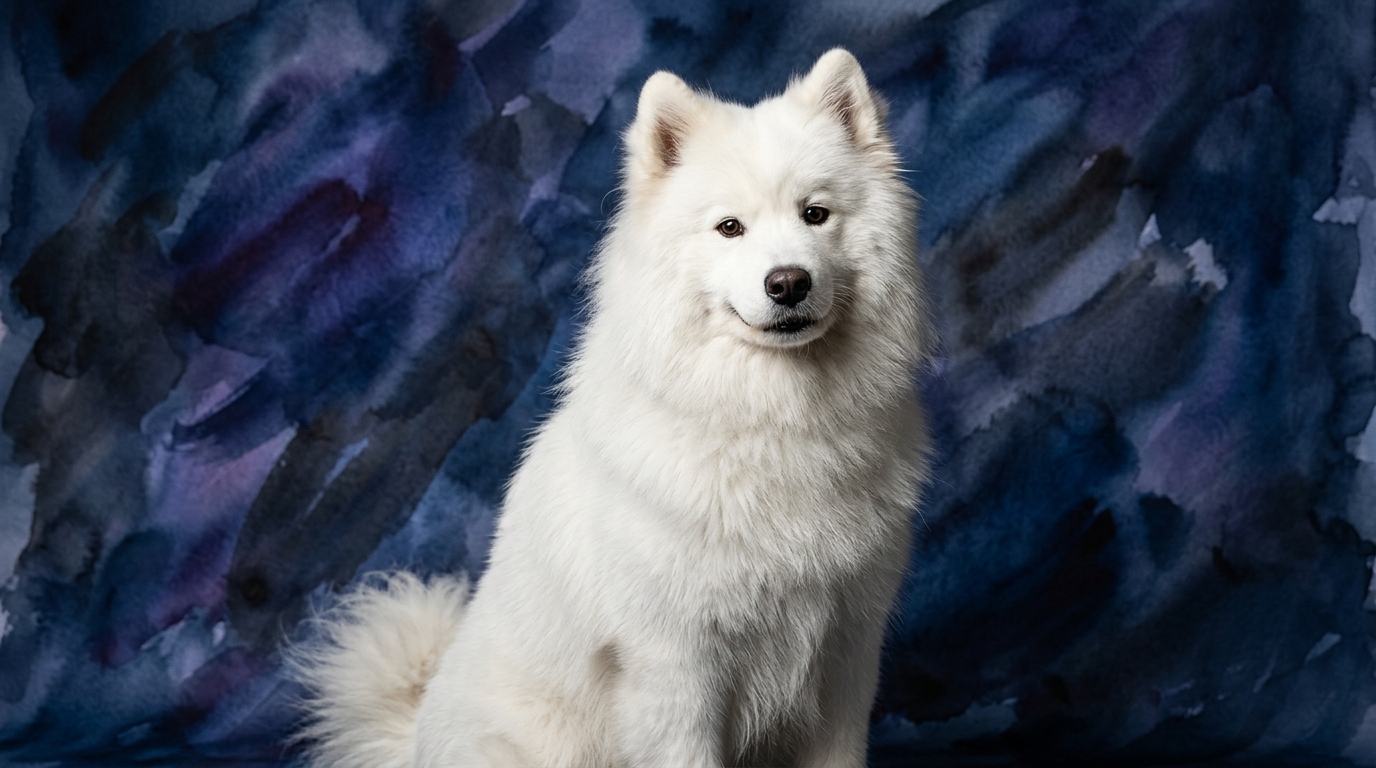
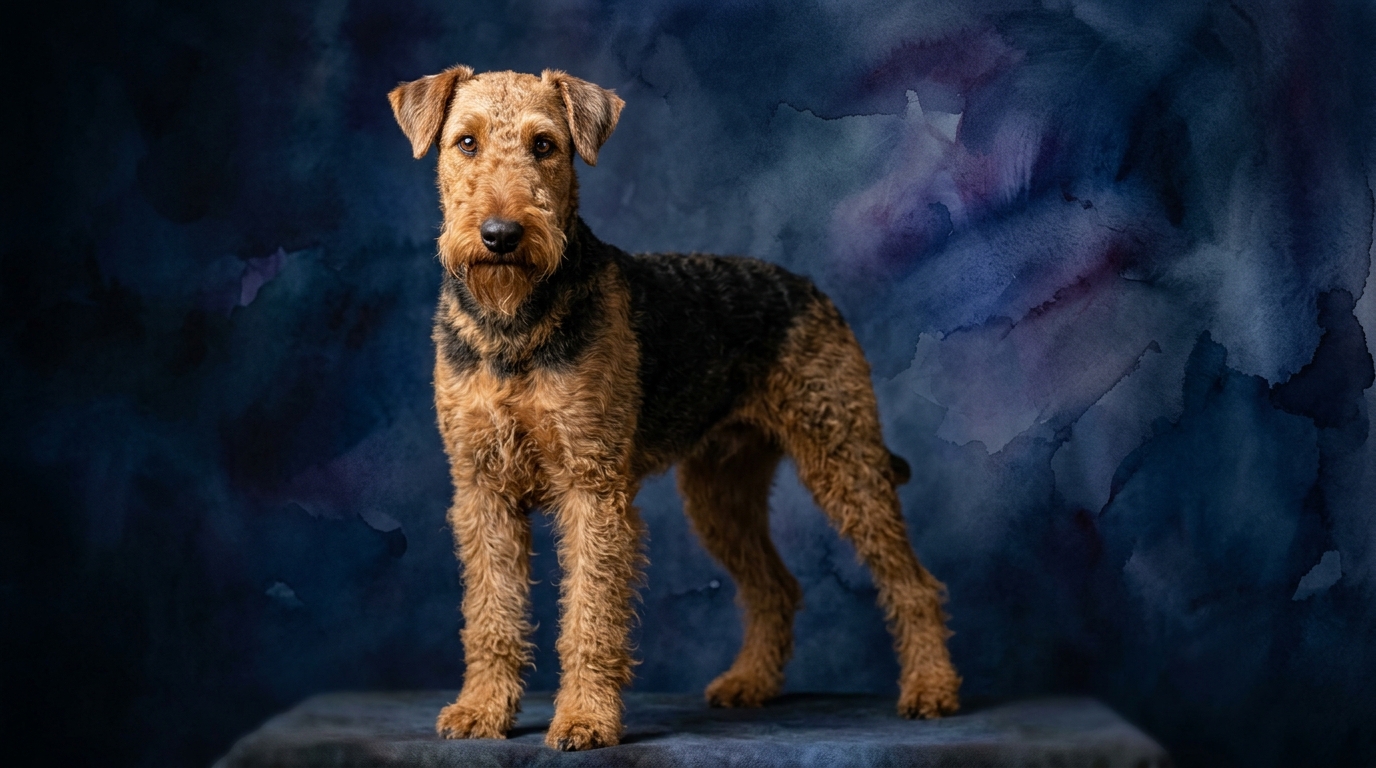
The Cosmic Pet Pet IQ Lab employs a five-dimensional framework to assess canine intelligence, moving beyond simple obedience ranks to capture the nuanced mental capabilities of each breed. For the Samoyed, ranked #33 on Coren's scale, and the Airedale Terrier, ranked #29, these dimensions reveal distinct cognitive blueprints.
The Samoyed's Problem Solving ability scores a moderate 3 out of 5. While capable, they often rely on established routines and human guidance rather than consistently innovating solutions to novel, complex challenges. Their historical role as sled dogs emphasized teamwork and following direction over individual strategic thinking.
In Training Speed, the Samoyed also holds a 3 out of 5. They are willing learners, but their independent working dog spirit and occasional 'selective hearing' can mean new commands take a moderate amount of repetition to solidify. Consistency and positive reinforcement are key to harnessing their cooperative nature.
Where the Samoyed truly shines is in Social Intelligence, earning a perfect 5 out of 5. These dogs possess an exceptional capacity to read and respond to human emotions and social cues, a trait honed by centuries of cooperative work with nomadic tribes. This profound empathy makes them highly attuned companions and effective communicators within a social structure.
Their Instinctive Drive registers a strong 4 out of 5, primarily manifesting as a deep-seated desire to pull, roam, and engage in endurance activities. This drive is rooted in their heritage as sled dogs, requiring sustained effort and purpose-driven movement rather than predatory instincts or territorial guarding. Their Memory scores a 3 out of 5, allowing them to recall learned commands and routines adequately, but perhaps not with the precision or long-term retention of some other breeds.
Conversely, the Airedale Terrier's Problem Solving ability is a robust 4 out of 5. These terriers demonstrate a strong capacity to independently assess and overcome obstacles, a cognitive strength rooted in their history as versatile hunters and farm dogs. They are adept at strategizing to achieve their goals, whether it's finding a hidden toy or navigating a complex environment.
The Airedale's Training Speed is a commendable 4 out of 5. They typically learn new commands and tasks relatively quickly, eager to engage in structured learning activities. Their sharp minds and desire for engagement make them responsive pupils, provided the training is stimulating and varied.
In Social Intelligence, the Airedale scores a 3 out of 5. While they form strong bonds with their families and understand human interactions, their independence means they may not be as overtly people-pleasing or as finely attuned to subtle emotional shifts as the Samoyed. They are confident, often self-assured, and interact on their own terms.
Their Instinctive Drive is a moderate 3 out of 5, but it is intensely focused on typical terrier behaviors: chasing, digging, and an independent hunting mentality. This drive is less about cooperative work and more about individual pursuit and exploration, reflecting their past roles in controlling vermin and tracking game. The Airedale's Memory is a solid 4 out of 5, indicating good retention of commands, routines, and past experiences. They tend to remember what they've learned and where things are, aiding their independent problem-solving.
Where the Samoyed Excels Cognitively
The Samoyed's undeniable cognitive strength lies in their exceptional Social Intelligence. Their ability to seamlessly integrate into a human family, understand subtle emotional cues, and thrive on cooperative interaction is unparalleled. This isn't just about being friendly; it's a deep-seated capacity for empathy and group cohesion, making them highly intuitive companions who often anticipate their owner's needs or moods.
Their strong Instinctive Drive for sustained, purposeful work, particularly pulling or long-distance travel, also sets them apart. While not always translating to quick obedience in a traditional sense, this drive allows them to maintain focus and effort over extended periods when engaged in activities aligned with their heritage. They excel in environments where their collaborative spirit and endurance are valued, making them superb partners for activities like skijoring or carting.
Where the Airedale Terrier Holds the Edge
The Airedale Terrier's cognitive advantages are most evident in their robust Problem Solving capabilities and efficient Training Speed. Their independent thinking allows them to devise strategies for navigating challenges, a trait that makes them formidable in dog sports requiring strategic thought, like agility or scent work. They aren't waiting for instructions; they're actively assessing and reacting.
Furthermore, their superior Memory ensures that once a lesson is learned, it tends to stick. This, combined with their quicker acquisition of new commands, means that an Airedale can build a substantial repertoire of skills and behaviors more rapidly than a Samoyed. They thrive on mental stimulation that allows them to use their intellect to figure things out, making them excellent candidates for complex trick training or advanced obedience.
Training Dynamics: Samoyed vs. Airedale Terrier
When considering ease of training, the Airedale Terrier generally presents a quicker learning curve for specific commands due to their 4/5 Training Speed and 4/5 Memory. They process new information efficiently and retain it well, often showing a keen interest in structured lessons. However, their lower Social Intelligence and strong independent drive (3/5 Instinctive Drive) mean that while they learn fast, they might require consistent motivation to overcome their terrier stubbornness or tendency to follow their own independent agenda, especially when distractions are present.
The Samoyed, with a 3/5 Training Speed and 3/5 Memory, may take more repetitions to master new commands. Yet, their exceptional 5/5 Social Intelligence can make them highly cooperative and eager to please their human companions, provided the training is engaging and relationship-focused. Their 'sled dog stubbornness' often stems from an independent working mentality, where they question the 'why' behind a command rather than outright defiance. Real behavioral differences impact this: a Samoyed might become 'vocal' or attempt to herd if bored, whereas an Airedale might revert to digging or chasing small animals if not mentally engaged, requiring different training approaches to manage these innate behaviors.
Matching Canine Intellect to Owner Lifestyle
For active owners seeking a dynamic, thinking partner, the Airedale Terrier is an excellent match. Their independent problem-solving skills and desire for mental engagement make them ideal for activities like agility, tracking, or advanced obedience where they can use their intellect to navigate complex tasks. They require owners who can provide consistent, stimulating challenges and channel their robust physical and mental energy into productive outlets, thriving on varied routines and opportunities to explore.
The Samoyed, while also requiring significant activity, suits active owners who value a deeply social and cooperative partner for shared adventures. Their high social intelligence means they thrive on being an integral part of family activities, whether it’s long hikes, skijoring, or simply being by your side during outdoor excursions. They are less about independent problem-solving and more about communal effort and emotional connection, making them ideal for owners who want a true 'co-pilot' for their active lifestyle, someone who is attuned to their presence and responsive to social cues.
The Verdict
Choose the Samoyed if you prioritize a deeply social, empathetic, and cooperative companion who thrives on shared activities and whose intelligence is expressed through emotional attunement and group harmony.
Opt for the Airedale Terrier if you seek an independent, quick-thinking, and problem-solving partner who excels at learning complex tasks and requires an owner capable of consistently challenging their sharp intellect.
🧠 Find Your Pet's IQ Score
Our Pet IQ Lab assessment covers 25+ tests across 5 cognitive dimensions — personalized to your breed.
Take the Full IQ Test →Frequently Asked Questions
Do Samoyeds or Airedale Terriers make better family pets?
Both breeds can be wonderful family pets, but their suitability depends on the family's lifestyle and expectations. Samoyeds often integrate seamlessly due to their high social intelligence and desire for group cohesion, while Airedales bring a spirited, independent energy that thrives with consistent engagement and clear boundaries.
Which breed is more prone to independent behavior?
The Airedale Terrier, with its lower social intelligence score and historical role as an independent hunter, is generally more prone to independent thought and action. Samoyeds, while having their own working dog stubbornness, are typically more inclined to seek human interaction and guidance due to their strong social drive.
Are Samoyeds or Airedale Terriers easier to house-train?
House-training success largely depends on consistency and technique, but the Airedale's higher memory and training speed might give them a slight edge in grasping the concept quickly. However, a Samoyed's strong desire to please its family can also make them very motivated to learn house rules with patient guidance.