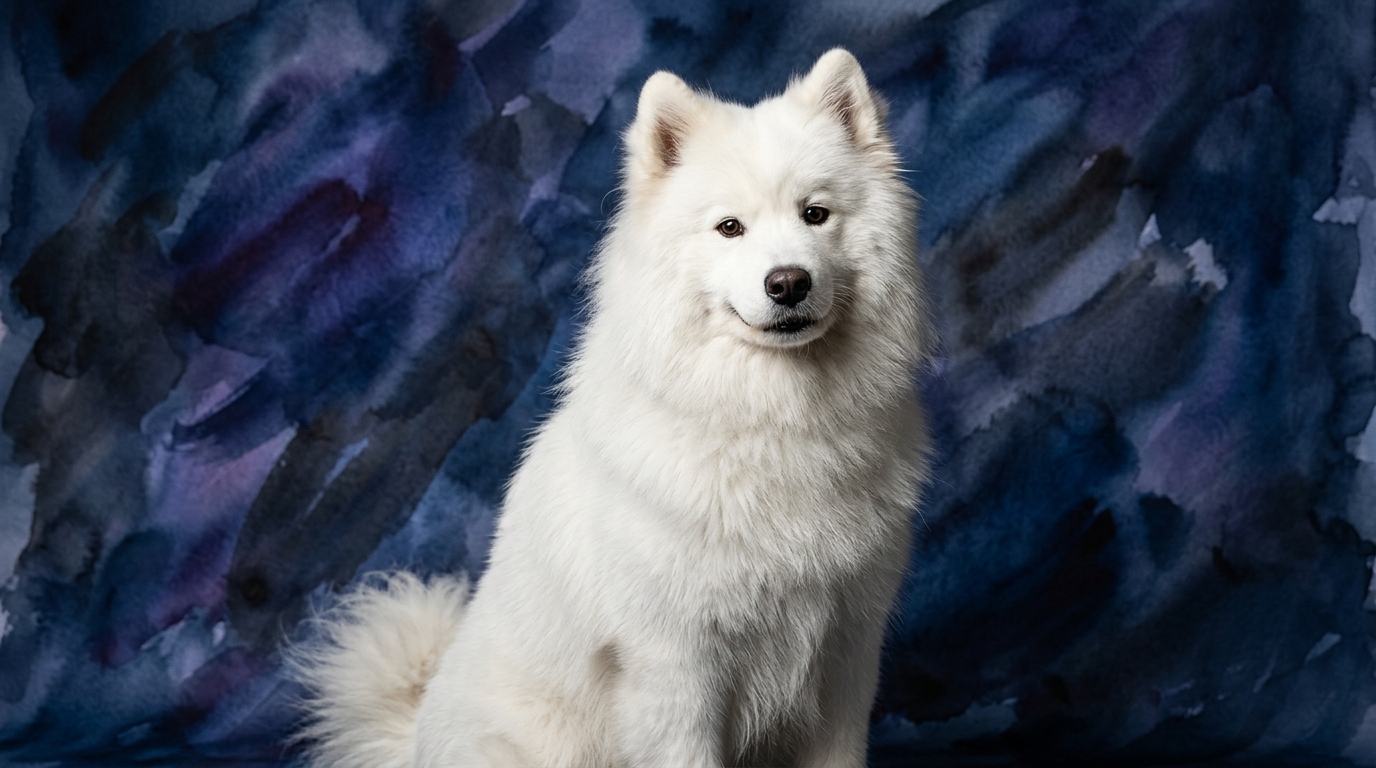
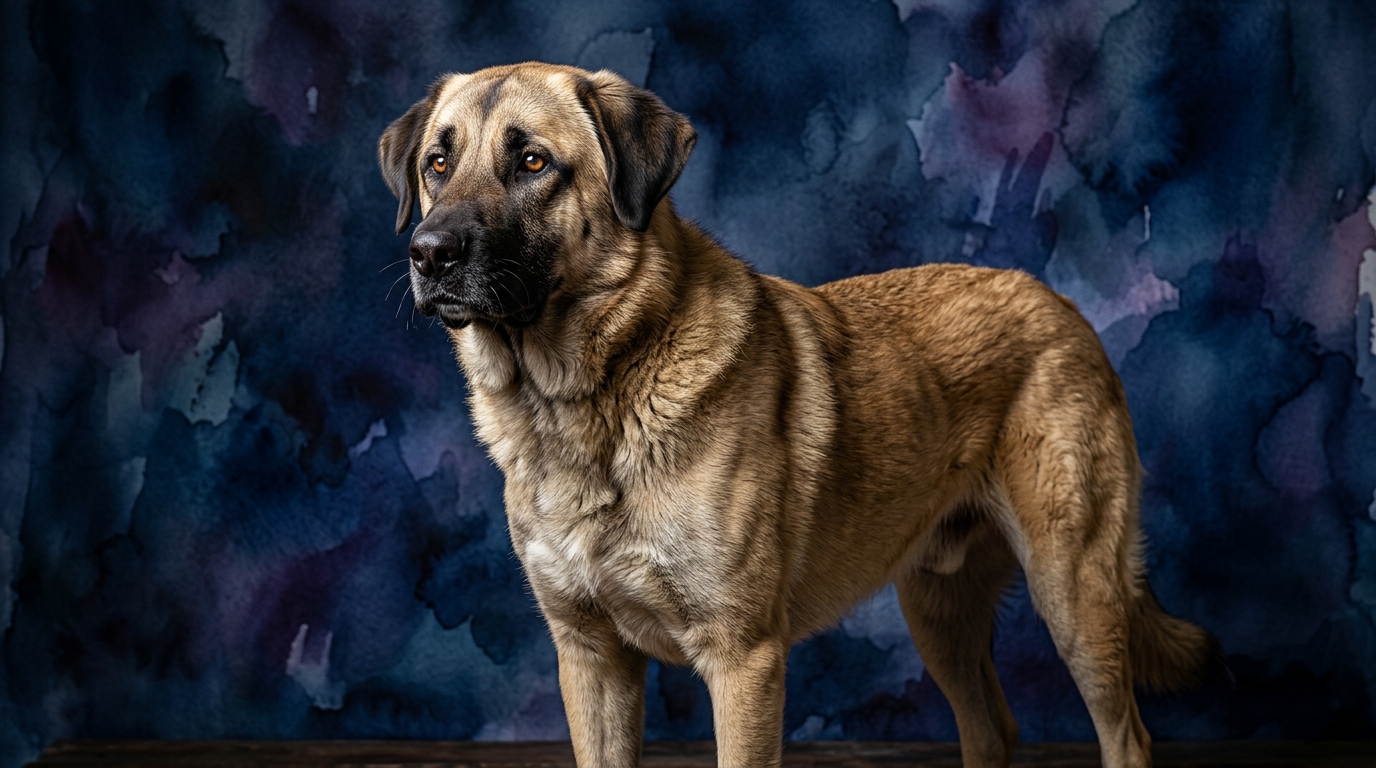
Side-by-Side IQ Profile: Samoyed vs. Anatolian Shepherd Dog
The Cosmic Pet Pet IQ Lab employs a five-dimensional framework to assess canine cognition, providing a nuanced view beyond simple obedience. For the Samoyed, we observe a Problem Solving score of 3/5, indicating a moderate capacity for navigating familiar environments and solving basic puzzles, though complex, multi-step challenges often require human guidance. Their Training Speed is also 3/5, meaning they learn new commands at a moderate pace, but their independent spirit means consistent, positive reinforcement is vital for cementing behaviors. A standout feature is their Social Intelligence at 5/5, reflecting an exceptional ability to interpret human emotions and social cues, forming strong bonds and often anticipating owner needs or moods. Their Instinctive Drive, rated 4/5, is a strong inherent motivation from their herding and sled-pulling past, manifesting as a desire to work, vocalize, and be an active 'pack' member. Finally, their Memory at 3/5 exhibits solid recall for learned commands and routines, especially with regular practice, remembering people and places effectively. The Samoyed is Coren-ranked at #33, suggesting they typically learn new commands in 25-40 repetitions and obey the first command 70% of the time or better.
The Anatolian Shepherd Dog presents a distinct cognitive profile shaped by its guarding heritage. They show a Problem Solving score of 3/5, indicating moderate capacity for independent thought, with solutions often revolving around assessing threats and strategizing protection within their territory. Their Training Speed is 3/5; they learn at a moderate pace, but their strong independent streak means willingness to comply often depends on their perception of a task's relevance. Social Intelligence for the Anatolian is 3/5, reflecting a moderate ability to read social cues; they are generally reserved, forming deep bonds with family but remaining aloof with strangers, valuing independence. Their Instinctive Drive is 3/5, a pronounced drive primarily centered on their livestock guarding heritage, manifesting as vigilance, territoriality, and a strong protective instinct. Memory is rated 3/5, showing good retention for established routines and critical guarding duties, effectively remembering boundaries and perceived threats. Notably, the Anatolian Shepherd Dog is not Coren-ranked, which indicates their training responsiveness doesn't fit the obedience-focused metrics, likely due to their independent and protective nature.
Where the Samoyed Wins Cognitively
The Samoyed truly excels in social intelligence, scoring a perfect 5 out of 5. This translates into an unparalleled ability to interpret human emotions, subtle body language, and social dynamics within a family unit, making them exceptionally attuned companions. They often anticipate their owner's needs or react empathetically to moods, fostering a strong desire to please their 'pack.' Their instinctive drive, rated 4 out of 5, further supports this, manifesting as a desire for engagement and participation rooted in their sled-pulling and herding ancestry. This combination of high social awareness and a cooperative instinctive drive means Samoyeds are often more inclined to seek interaction and collaboration, becoming emotionally intuitive partners in daily life. Their cognitive framework is geared towards harmonious coexistence and active, joyful participation within a social structure.
Where the Anatolian Shepherd Dog Wins Cognitively
The Anatolian Shepherd Dog’s cognitive strengths are profoundly shaped by centuries of independent livestock guarding, leading to a unique mental framework. While their problem-solving and instinctive drive scores are rated 3/5, the *application* of these aptitudes is where they shine. Their problem-solving isn't about puzzles for amusement; it’s about strategic assessment of their environment and potential threats, like determining the best vantage point or deterring intruders without direct instruction. This requires sophisticated situational awareness and independent decision-making. Their instinctive drive (3/5) is almost entirely dedicated to protection and vigilance, manifesting as an unwavering commitment to their charges and territory. This cognitive specialization means they excel in roles requiring independent judgment, self-reliance, and an innate understanding of their protective duties, often making autonomous, calculated decisions.
Which is Easier to Train and Why
When comparing ease of training, the Samoyed generally presents a more straightforward path for the average owner. Both breeds share a 'training speed' rating of 3/5, indicating they grasp new concepts at a moderate pace. However, the Samoyed's exceptional social intelligence (5/5) is the critical differentiator, making them inherently more motivated to engage and please their human companions. They thrive on interaction and view training as a cooperative activity, strengthening their bond. Their Coren ranking of #33 reflects a consistent willingness to comply when properly motivated. In contrast, the Anatolian Shepherd Dog, with a social intelligence of 3/5, possesses a more independent and reserved disposition. While they learn, their motivation often stems from their own assessment of a task's utility, not an inherent desire to please. Training an Anatolian requires immense patience, consistency, and an understanding of their independent nature, focusing on building respect. For most owners, the Samoyed's eagerness to connect makes the training journey significantly more accessible.
Which Suits Active Owners vs. Relaxed Owners
For owners seeking an active, highly engaged companion, the Samoyed is often the better match. Their strong instinctive drive (4/5) and desire for social interaction mean they thrive on regular physical activity, like hikes or canine sports, and significant mental stimulation. Samoyeds demand to be an integral, active part of family life, requiring owners to dedicate daily time to their physical and cognitive needs. Conversely, the Anatolian Shepherd Dog suits owners who appreciate a more independent, watchful presence. While not demanding constant physical engagement, their strong guarding instinct (instinctive drive 3/5) requires a specific 'active' ownership: providing a secure territory, consistent boundaries, and understanding their deep-seated protective nature, rather than high-energy recreational activities.
The Verdict
If you seek a highly social, cooperative, and joyfully interactive companion eager to participate in family life and various activities, the Samoyed is likely your ideal match.
For those who need an independent, vigilant guardian with a profound sense of duty and territory, capable of making autonomous decisions, the Anatolian Shepherd Dog will prove a devoted, albeit more reserved, partner.
🧠 Find Your Pet's IQ Score
Our Pet IQ Lab assessment covers 25+ tests across 5 cognitive dimensions — personalized to your breed.
Take the Full IQ Test →Frequently Asked Questions
Do Samoyeds shed a lot?
Yes, Samoyeds are known for their dense double coats and shed considerably, especially during seasonal 'blows.' Regular grooming, including daily brushing, is essential to manage their fur and maintain coat health.
Are Anatolian Shepherd Dogs good with other pets?
Anatolian Shepherd Dogs can coexist with other pets, especially if raised with them from a young age. However, their strong guarding instincts mean they might be wary of unfamiliar animals and require careful introductions and supervision.
What kind of environment do Anatolian Shepherd Dogs need?
Anatolian Shepherd Dogs thrive in environments with ample space to roam and a clear territory to protect. A securely fenced yard is crucial, and they generally do best in rural or semi-rural settings where their protective instincts are well-placed.