Side-by-Side IQ Profile: Samoyed vs. Boston Terrier
The Cosmic Pet Pet IQ Lab employs five key dimensions to evaluate a breed's cognitive function, offering a detailed look at how different dogs think and learn. Let's delve into the specific profiles of the Samoyed and the Boston Terrier.
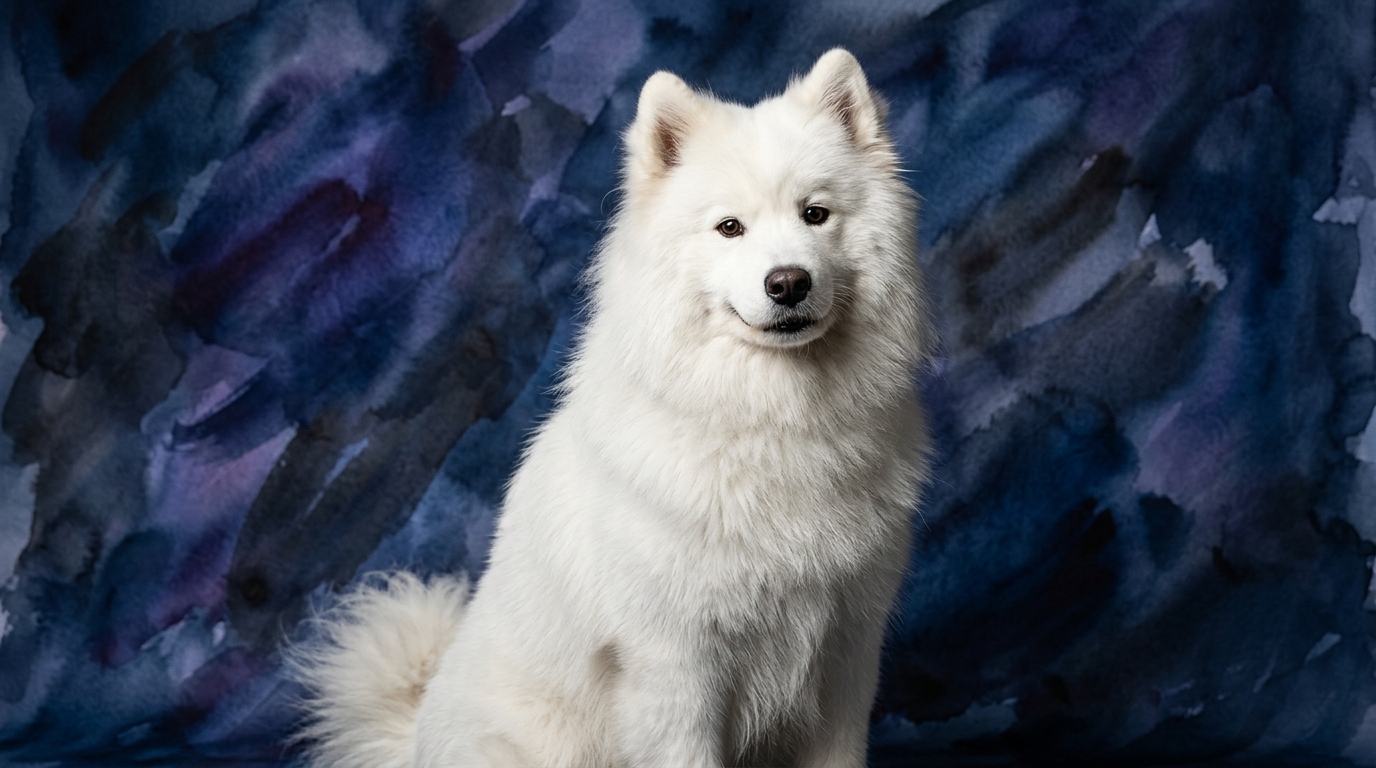
The Samoyed (Working Group, Coren Rank #33) presents a fascinating blend of independence and social acuity:
Problem Solving (3/5): Samoyeds demonstrate practical ingenuity, often devising independent solutions to environmental challenges, like opening latches or navigating complex terrains, reflecting their historical need for self-reliance.
Training Speed (3/5): Their learning capacity is solid, but their independent streak means training requires consistent, engaging methods to maintain focus and ensure compliance, rather than passive obedience.
Social Intelligence (5/5): This breed excels in understanding and navigating social dynamics, interpreting human emotions and integrating smoothly into diverse group settings with remarkable perceptiveness.
Instinctive Drive (4/5): Strong inherent drives for tasks like pulling, herding, and exploration are prominent, fueling their desire for purposeful activity and requiring appropriate outlets.
Memory (3/5): Samoyeds possess a robust memory for routines, commands, and past experiences, contributing to their ability to learn and adapt over time, especially with positive reinforcement.
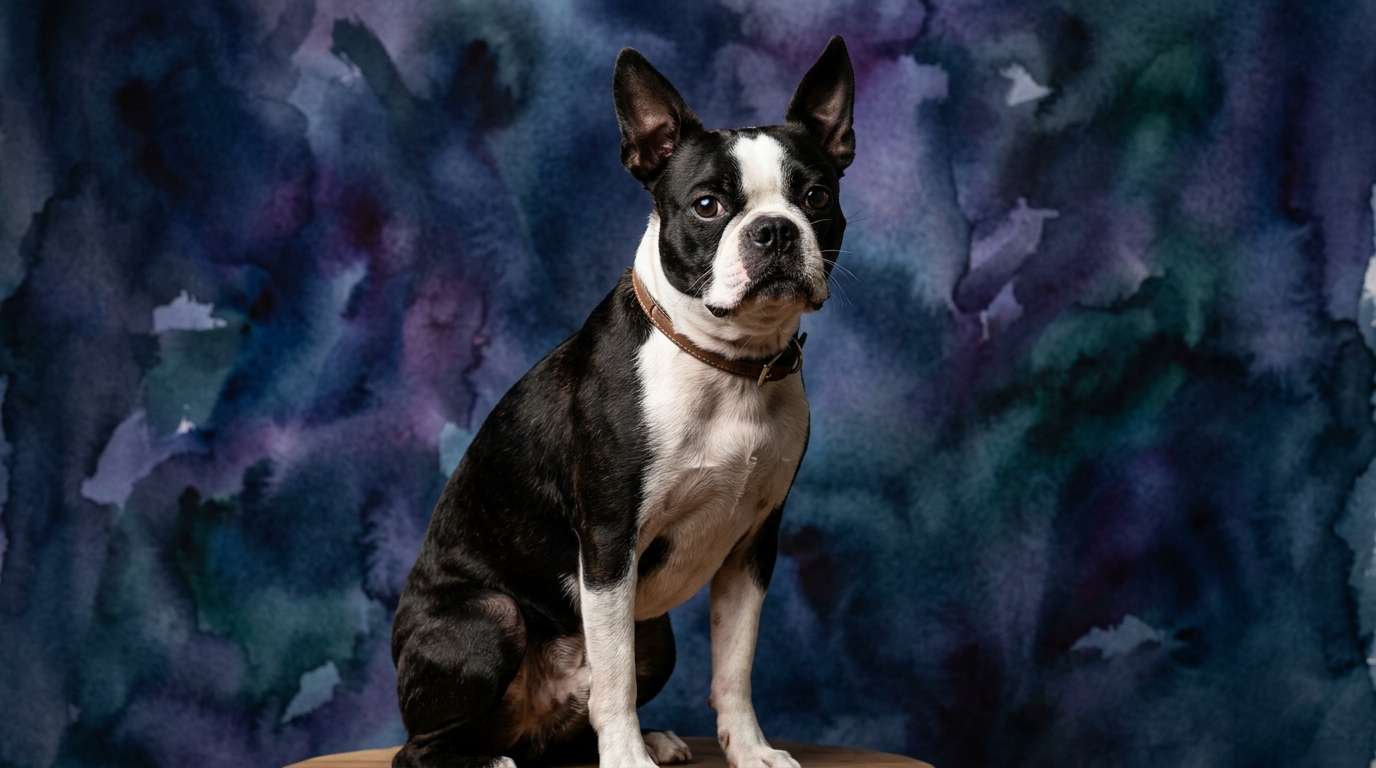
The Boston Terrier (Non-Sporting Group, Coren Rank #54) offers a distinct cognitive makeup, optimized for companionship:
Problem Solving (3/5): Boston Terriers apply their quick wit to immediate, practical puzzles within their environment, often finding direct solutions to access desired items or navigate household obstacles.
Training Speed (3/5): They are capable learners, benefiting from positive reinforcement and consistent methods, though their occasional charming stubbornness may require patience during training.
Social Intelligence (4/5): These dogs are highly attuned to their human families, forming strong bonds and enjoying social interaction, adapting well to a companion-focused lifestyle.
Instinctive Drive (2/5): Typically possessing a lower instinctive drive, Boston Terriers are less compelled by strong working urges like herding or intense exploration, making them well-suited for domestic life.
Memory (3/5): Boston Terriers reliably recall commands, routines, and familiar people, consistently applying learned behaviors, particularly when associated with positive outcomes and owner approval.
Where the Samoyed Wins Cognitively
The Samoyed’s preeminent cognitive advantage lies in its exceptional social intelligence, rated 5/5. This isn't merely about being friendly; it reflects a deep capacity to interpret subtle social cues, understand emotional states, and adapt their behavior within complex group dynamics. This allows them to forge profound, nuanced connections and seamlessly integrate into varied family structures, often sensing shifts in human moods before they are overtly expressed. Coupled with their strong instinctive drive (4/5), which predisposes them to purposeful activity, Samoyeds possess a cognitive framework that thrives on engagement with their environment and social partners. This drive isn't just physical energy, but a mental inclination to act, explore, and "work," even if that work is playing a complex game with their human. This combination makes them highly perceptive and internally motivated individuals who seek meaningful interaction and outlets for their inherent capabilities.
Where the Boston Terrier Wins Cognitively
The Boston Terrier's cognitive strength, particularly when viewed through the lens of a companion animal, is highlighted by its lower instinctive drive (2/5). This reduced intensity of innate working urges means they are less prone to independent, task-oriented behaviors that might conflict with domestic living. Unlike breeds with strong drives to roam or herd, a Boston Terrier's mental focus is more consistently directed towards its human family, making them inherently more adaptable to a relaxed, home-centric lifestyle. Their 4/5 social intelligence, combined with this lower drive, means they are wonderfully attentive and affectionate companions without the added layer of powerful, often demanding, breed-specific instincts. Their cognitive profile is optimized for forming deep, uncomplicated bonds and finding contentment in close proximity to their owners, requiring less external motivation for intense mental or physical tasks.
Training Dynamics: Samoyed vs. Boston Terrier
While both breeds share a 3/5 rating for training speed and problem-solving, their underlying cognitive drivers create different training experiences. The Samoyed's higher instinctive drive (4/5) and independent working heritage mean they often evaluate commands, sometimes choosing to prioritize their own internal motivations—like exploring a scent or greeting a new person—over immediate obedience. Their robust memory (3/5) ensures they learn commands, but consistent compliance requires engaging, varied methods to overcome their self-directed nature and keep them invested. For instance, a Samoyed might learn "recall" but decide that the thrill of a chase outweighs the command in a high-distraction environment, demanding more proofing and higher-value rewards.
In contrast, the Boston Terrier's lower instinctive drive (2/5) generally makes them more straightforward to train, despite the same 3/5 training speed. They are typically eager to please their owners and lack the powerful, independent urges that can sometimes make Samoyeds appear "stubborn." A Boston Terrier's cognitive focus is more consistently centered on human interaction and the rewards associated with it, rather than being pulled by deep-seated working instincts. Their social intelligence (4/5) and reliable memory (3/5) allow them to quickly grasp and retain commands, especially when positive reinforcement is used. While they can exhibit charming stubbornness, it's usually a personality trait rather than an overriding instinct, making their training path generally smoother for the average owner seeking a compliant household companion.
Matching Cognitive Needs to Lifestyle
The Samoyed, with its robust instinctive drive (4/5) and history as a working dog, is an ideal match for active owners. Their cognitive makeup thrives on purpose and consistent mental and physical engagement. Owners who enjoy extensive outdoor activities like hiking, dog sports, or even regular interactive puzzle sessions will find a Samoyed's cognitive needs align perfectly. Their high social intelligence (5/5) means they want to actively participate in family adventures, not just observe. Without adequate outlets for their problem-solving abilities and strong drives, a Samoyed may develop undesirable coping mechanisms like digging or excessive vocalization, indicating an unfulfilled cognitive landscape. Their need for a "job" is deeply ingrained.
Conversely, the Boston Terrier, characterized by its lower instinctive drive (2/5) and primary focus on companionship, is an excellent fit for more relaxed owners. While they enjoy daily walks and playtime, their cognitive requirements are generally met with moderate physical activity and abundant family interaction. They are content to be a devoted "velcro dog," equally happy on a quiet evening at home as they are on a neighborhood stroll. Their problem-solving (3/5) and memory (3/5) are sufficient for learning household routines and basic commands, but they don't possess the same intense, task-oriented mental challenge requirement as a Samoyed. A relaxed owner prioritizing close companionship and a less demanding routine will find the Boston Terrier's cognitive profile to be a perfect, attentive, and engaging presence.
The Verdict
Select a Samoyed if you are an active individual or family seeking a highly social, purpose-driven companion who thrives on extensive engagement, outdoor adventures, and consistent mental challenges.
Opt for a Boston Terrier if you desire a devoted, adaptable companion dog whose cognitive focus is primarily on close family interaction and who is content with a more relaxed daily routine.
🧠 Find Your Pet's IQ Score
Our Pet IQ Lab assessment covers 25+ tests across 5 cognitive dimensions — personalized to your breed.
Take the Full IQ Test →Frequently Asked Questions
Do Samoyeds require more mental stimulation than Boston Terriers?
Yes, Samoyeds generally require more structured mental stimulation due to their higher instinctive drive and history as working dogs, needing outlets for problem-solving and purpose-driven activities to remain fulfilled. Boston Terriers, while still benefiting from engagement, have lower inherent drives and are often content with less intense mental tasks.
Which breed is better with children from a cognitive perspective?
Both breeds can be good with children, but the Samoyed's superior social intelligence (5/5) means they often possess a more nuanced understanding of social dynamics and emotional states, making them exceptionally perceptive in interactions with youngsters. Boston Terriers (4/5 social intelligence) are also sociable but may not interpret subtle cues with the same depth.
How does memory impact training for these two breeds?
Both breeds share a 3/5 memory rating, indicating they reliably retain commands and routines. However, the Samoyed's independent cognitive bent means their memory of a command might be overridden by a stronger instinctual drive, whereas the Boston Terrier's memory is more consistently applied towards pleasing their owner in a domestic context.