Side-by-Side IQ Profile: Samoyed vs. Boxer
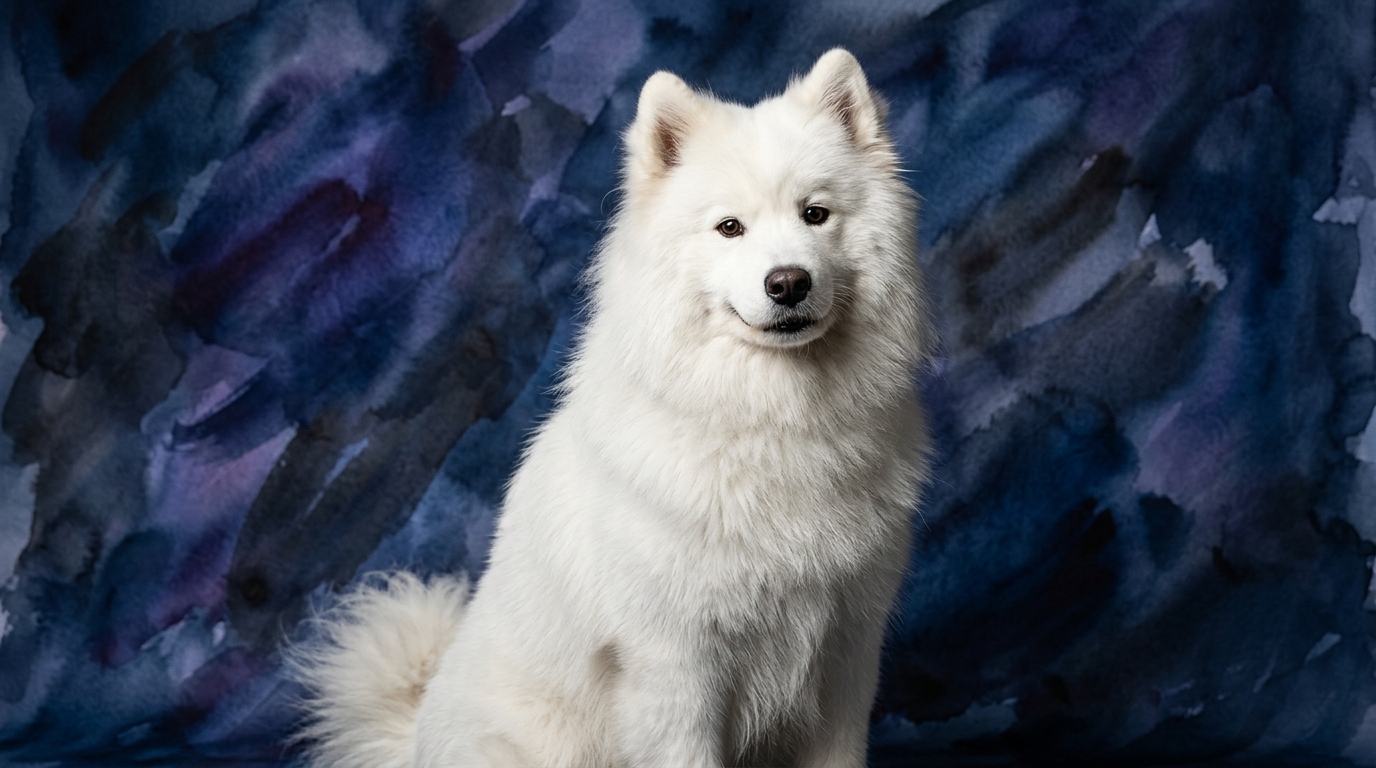
The Cosmic Pet Pet IQ Lab provides a comprehensive framework to assess canine intelligence across five key dimensions. For the Samoyed, ranked #33 on the Coren scale, their profile details a Problem Solving score of 3/5, a Training Speed of 3/5, an outstanding Social Intelligence of 5/5, an Instinctive Drive of 4/5, and a Memory of 3/5. This Coren rank indicates they typically understand new commands in 15-25 repetitions and obey the first command 70% of the time or better, reflecting a solid capacity for structured obedience. Samoyeds demonstrate a practical approach to challenges, methodically trying different methods to open a gate or retrieve a toy, but complex, multi-step puzzles might require significant trial and error or human guidance to solve efficiently. Learning at a moderate pace, they benefit immensely from consistent, positive reinforcement; their independent nature means they might take longer to generalize commands to new environments, requiring patient repetition and high-value rewards. A defining trait, Samoyeds are exceptionally attuned to human emotions and social cues, excelling at reading body language and forming deep, empathetic bonds. Bred for pulling sleds and herding reindeer, they possess a strong innate drive for purposeful work and activity, requiring outlets like harness work or consistent vigorous exercise. Samoyeds possess a good working memory for learned commands and routines, especially those regularly practiced, though infrequently reinforced behaviors may require occasional refreshers.
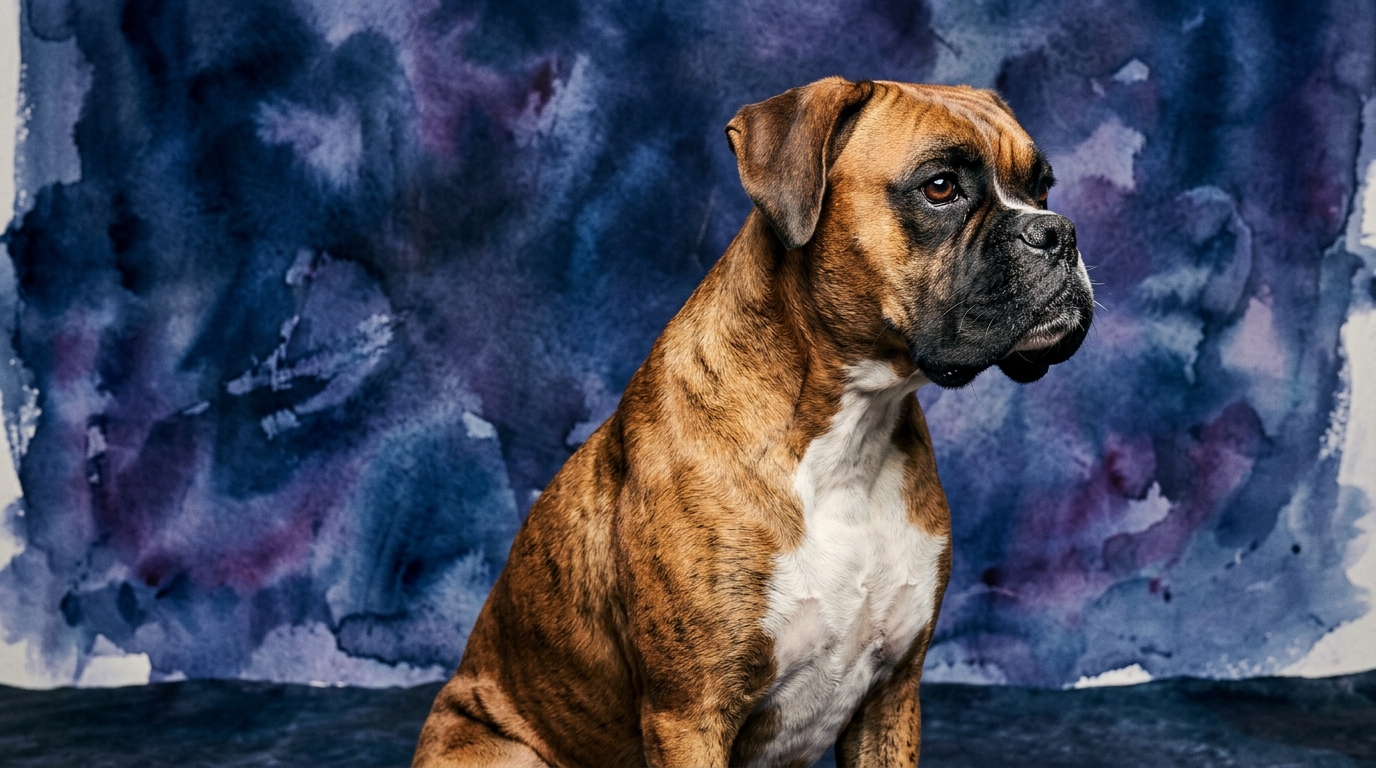
The Boxer, ranked #48 on the Coren scale, presents a similar IQ profile with a Problem Solving score of 3/5, Training Speed of 3/5, Social Intelligence of 5/5, Instinctive Drive of 4/5, and Memory of 3/5. Their Coren rank places them in the 'average' category for working intelligence, meaning they typically learn new commands in 25-40 repetitions and obey the first command 50% of the time or better, indicating a capable but sometimes slower learner compared to higher-ranked breeds. Boxers approach problems with an enthusiastic, often physical, energy, using their paws or nose to investigate and manipulate objects through trial-and-error. While persistent, their solutions might not always be the most elegant or direct without prior learning. Boxers learn at a moderate pace, but their high energy and playful nature can sometimes lead to distractions, requiring engaging training sessions that leverage their strong desire for interaction and play to maintain focus. Boxers are renowned for their profound social intelligence, displaying exceptional empathy and an intuitive understanding of human emotions; they thrive on close companionship, often mirroring their owner's feelings. Developed for hunting and guarding, Boxers possess robust protective instincts, a strong prey drive, and an intense need for physical activity and play, requiring structured outlets for their energy. Boxers have a reliable memory for commands and routines, particularly those associated with positive reinforcement and strong emotional connections, with consistent reinforcement helping solidify their recall.
Where the Samoyed Wins Cognitively
The Samoyed’s Coren rank of #33 gives them a subtle edge in the speed of command acquisition compared to the Boxer's #48, suggesting they might grasp new concepts and generalize learned behaviors to novel situations with marginally fewer repetitions. Their historical role demanded independent decision-making and problem-solving in challenging environments, fostering a mental resilience that allows them to think through tasks rather than relying purely on instinct or handler cues. This independence, while sometimes perceived as stubbornness, is a cognitive strength for navigating complex scenarios, enabling them to adapt and figure things out even when direct guidance isn't immediately available.
Where the Boxer Wins Cognitively
While their Coren ranks suggest a difference in command acquisition, the Boxer's strength lies in their remarkable observational intelligence and nuanced interpretation of human communication. They are masters at reading subtle cues – a shift in facial expression, a change in tone, or a slight body movement – often anticipating their owner's intentions or emotional state with impressive accuracy. This exceptional social perceptiveness, coupled with their strong protective instincts, enables them to react quickly and decisively in situations they perceive as requiring intervention, demonstrating a keen situational awareness that is a distinct cognitive advantage in a family setting.
Which Is Easier to Train and Why
Both breeds share a Training Speed rating of 3/5, indicating a moderate learning curve, but their temperaments dictate different training approaches. Samoyeds, with their independent and sometimes stubborn streak, require patient, consistent training built on positive reinforcement and mutual respect. They can become bored with repetitive drills, so varied and engaging sessions are key. Their social intelligence means they respond well to relationship-based methods, but their strong instinctive drive for pulling or herding requires dedicated effort for reliable off-leash recall, especially in distracting environments. Boxers, while equally rated in training speed, bring an intense eagerness to please and boundless energy. This enthusiasm makes them keen learners, but also prone to distraction, demanding short, frequent, and highly engaging training sessions. Their strong play drive can be effectively leveraged, turning training into a game, yet their boisterous nature necessitates early and consistent impulse control work to prevent overly enthusiastic greetings or jumping. Ultimately, neither is definitively “easier” but rather requires different strategies to harness their specific cognitive and behavioral traits for successful outcomes.
Which Suits Active Owners vs. Relaxed Owners
Both Samoyeds and Boxers, with their 4/5 instinctive drive, are emphatically suited for active owners. Samoyeds, bred for endurance in the Arctic, thrive on consistent, vigorous exercise, such as long runs, challenging hikes, or activities like skijoring or carting. Their thick double coat enables them to enjoy outdoor adventures even in colder climates, making them perfect companions for owners who embrace an active, outdoor lifestyle year-round. A relaxed or sedentary owner would likely find a Samoyed's substantial exercise requirements overwhelming, potentially leading to destructive behaviors born of boredom. Boxers, characterized by their boundless energy and playful exuberance, also demand significant daily physical and mental stimulation. They excel in dog sports like agility, flyball, or advanced obedience, and require engaging play sessions beyond simple walks. While they are affectionate and enjoy cuddling, they are not suited for a truly relaxed, sedentary household. Both breeds require an owner committed to providing ample opportunities for physical exertion and cognitive engagement to ensure a well-adjusted and happy companion.
The Verdict
Choose a Samoyed if you value a companion with an independent spirit and a slightly quicker grasp of new commands, thriving on cooperative tasks and outdoor adventures in cooler climates. Their social attunement makes them wonderful family members, especially for those who appreciate their nuanced communication style.
Choose a Boxer if you seek an exuberantly playful, deeply loyal, and highly expressive companion who thrives on intense interaction and physical activity, and who excels at interpreting your every mood. Their protective instincts and zest for life make them engaging family guardians.
🧠 Find Your Pet's IQ Score
Our Pet IQ Lab assessment covers 25+ tests across 5 cognitive dimensions — personalized to your breed.
Take the Full IQ Test →Frequently Asked Questions
Do Samoyeds and Boxers learn at the same pace?
While both breeds have a Training Speed rating of 3/5, their Coren ranks suggest a slight difference in initial command acquisition. Samoyeds (rank #33) may grasp new commands with marginally fewer repetitions than Boxers (rank #48), though consistency and individual personality are key factors for both.
Which breed is more social?
Both Samoyeds and Boxers share an exceptional Social Intelligence rating of 5/5. This indicates both breeds are highly attuned to human emotions, thrive on interaction, and form strong, empathetic bonds with their families, making them outstanding companions for social households.
Are Samoyeds or Boxers better at problem-solving?
Both breeds are rated 3/5 for Problem Solving, indicating moderate capabilities. They can navigate everyday challenges and figure out ways to achieve goals, but complex, multi-step puzzles might require more trial and error or human guidance for either breed to solve efficiently.