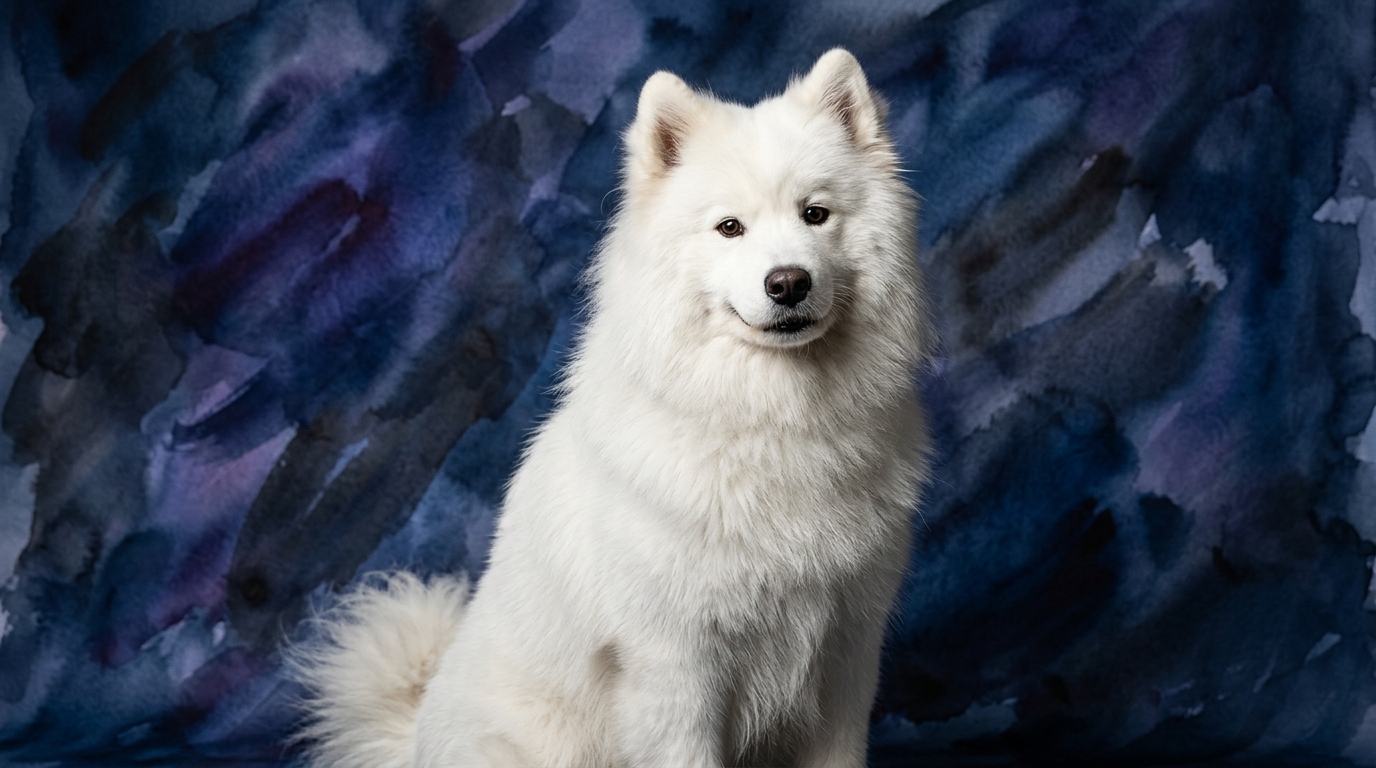
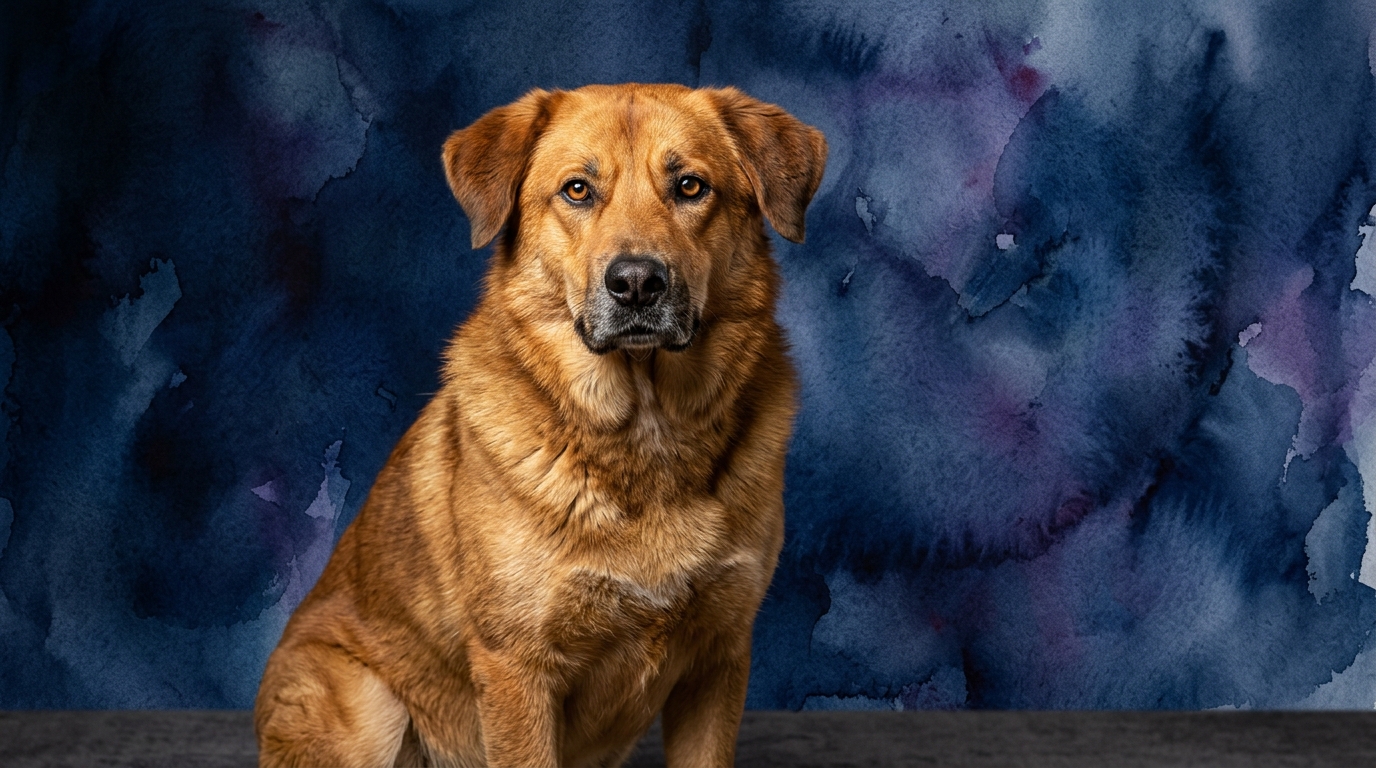
Side-by-Side IQ Profile
The Samoyed, originating from the frigid expanses of Siberia, exhibits a distinctive cognitive profile. Their problem-solving ability is rated at 3/5, indicating a moderate capacity to navigate novel challenges and figure things out independently, relying on a blend of instinct and learned experience. Training speed also sits at a steady 3/5, suggesting they grasp new commands and routines at a consistent pace, requiring patience and positive reinforcement. Where the Samoyed truly shines is in social intelligence, scoring a remarkable 5/5; these dogs are profoundly attuned to human emotions and cues, thriving on constant interaction and connection. Their instinctive drive is strong at 4/5, a reflection of their heritage as both herders of reindeer and tireless sled pullers, demanding a robust outlet for their energy. Finally, their memory is a consistent 3/5, capable of retaining learned behaviors and complex routines effectively over time.
The Chinook, a rarer American-bred sled dog, offers a more uniformly balanced cognitive makeup. Their problem-solving ability is rated 3/5, mirroring the Samoyed's capacity for independent thought in new situations, demonstrating a practical intelligence. Similarly, their training speed is 3/5, indicating a consistent learning pace that benefits from clear, patient instruction rather than rapid acquisition. In contrast to the Samoyed, the Chinook's social intelligence is rated 3/5, suggesting they form strong, dedicated bonds with their immediate family but might be less universally gregarious or outwardly expressive of their feelings. Their instinctive drive is also moderate at 3/5, reflecting their sledding background without the overwhelming intensity seen in some other working breeds. Memory rounds out their profile at 3/5, allowing them to recall learned tasks and routines reliably.
Where Samoyed Wins Cognitively
The Samoyed's most striking cognitive advantage lies in their exceptional social intelligence, scoring a perfect 5/5 compared to the Chinook's 3/5. This isn't merely about being friendly; it signifies a profound capacity to read human emotions, respond to subtle cues, and actively seek interaction and companionship. This deep social attunement means Samoyeds often display a remarkable empathy, quickly understanding the mood of their household and adjusting their behavior accordingly. They are often described as having a keen "people sense," making them incredibly responsive partners in shared activities and deeply integrated family members who thrive on being part of every human endeavor, a trait fostered by centuries of close cohabitation with nomadic tribes.
Another area where Samoyeds exhibit a cognitive edge is their instinctive drive, rated at 4/5 versus the Chinook's 3/5. This stronger drive manifests as a robust desire to work, explore, and engage with their environment with greater persistence. While this often translates to a higher need for mental and physical stimulation, it also means Samoyeds typically approach tasks with greater enthusiasm and tenacity. Their ancestral role involved both herding reindeer and pulling sleds alongside humans, demanding a multifaceted drive that combined independence with cooperation. This translates to a dog that, when properly engaged, can channel this drive into various activities, from canine sports to adventurous hikes, showcasing a powerful internal motivation to be active and purposeful.
Where Chinook Shows Unique Cognitive Strengths
While the Chinook doesn't outscore the Samoyed in any specific cognitive dimension based on our metrics, its unique strength lies in its balanced and consistent cognitive profile, with most scores at a steady 3/5. This uniformity across problem-solving, training speed, social intelligence, instinctive drive, and memory suggests a dog that is reliably moderate in its needs and responses. Unlike breeds with extreme peaks in certain areas, the Chinook presents a predictable and even-keeled cognitive landscape. This can be a significant advantage for owners seeking a companion that isn't prone to extreme behavioral tendencies stemming from an overabundance of a specific drive or a hyper-social nature, offering a steady, unwavering presence.
The Chinook's moderate social intelligence (3/5) also offers a different kind of "win" for certain owners. Instead of the Samoyed's broad, effusive friendliness, Chinooks tend to form incredibly deep, devoted bonds with their chosen family, often displaying a reserved loyalty towards strangers. This means their affection is often more focused and profound within their inner circle, making them exceptional one-family dogs who don't necessarily crave the attention of every passerby. Their moderate instinctive drive (3/5) similarly means they possess the working ethic of their heritage without the overwhelming intensity that can sometimes accompany higher-drive breeds, making their exercise requirements more manageable for an active, but not extreme, household seeking a balanced companion.
Which is Easier to Train and Why
Both the Samoyed and the Chinook share a training speed score of 3/5, indicating they learn at a comparable, steady pace. However, the nuances in their other cognitive dimensions create distinct training experiences. The Samoyed's exceptional social intelligence (5/5) means they are often profoundly motivated by human interaction, praise, and the desire to please their handler. They are incredibly sensitive to their owner's mood and body language, which can make positive reinforcement training particularly effective. This social attunement often translates into a dog that is eager to engage in training sessions, viewing them as valuable bonding opportunities and seeking to cooperate.
Conversely, the Chinook's moderate social intelligence (3/5) might mean they are less overtly driven by human approval during training. While they are certainly capable learners, they might require a trainer to be more patient and consistent, perhaps relying more heavily on clear, structured commands and reward-based motivation rather than expecting constant, enthusiastic engagement. Their moderate instinctive drive (3/5) suggests they are less likely to be overwhelmed by powerful innate urges during training, which can sometimes make redirection simpler. The Samoyed's higher instinctive drive (4/5), while a great asset for working, can sometimes manifest as a strong independent streak or a tendency to follow scent or sight distractions, requiring more consistent focus and management during training sessions.
Which Suits Active Owners vs Relaxed Owners
For active owners seeking a highly engaged and enthusiastic partner, the Samoyed is often the more fitting choice. Their 4/5 instinctive drive, combined with a 5/5 social intelligence, means they thrive on consistent physical activity and deep mental engagement alongside their human companions. Samoyeds need robust outlets for their working heritage, whether it's long hikes, challenging dog sports like agility or skijoring, or complex puzzle toys. They are not content to be couch potatoes and will often become restless or destructive if their significant need for interaction and purposeful activity is not met. Their enjoyment of being part of every family adventure makes them ideal for households with a dynamic, outdoor-oriented lifestyle, where they can truly participate.
The Chinook, with its more moderate 3/5 instinctive drive, suits active owners who appreciate a slightly less intense daily commitment. While certainly a working breed requiring regular exercise, their needs are often more manageable than those of a Samoyed. Chinooks enjoy brisk walks, moderate runs, and exploring new environments, but they might be more content to settle down and relax at home after a good outing, transitioning smoothly between activity and repose. Their moderate social intelligence means they are loyal and loving companions, but they might not demand constant attention in the same way a Samoyed does. They fit well into households that are active but also value periods of quiet companionship, offering a balance between outdoor adventure and relaxed indoor living.
The Verdict
Choose a Samoyed if you are an active individual or family seeking a deeply social, empathetic companion who thrives on constant interaction and purposeful engagement in a variety of activities.
Opt for a Chinook if you desire a loyal, steady, and moderately active companion who forms profound bonds with their immediate family, appreciating a balance of outdoor adventures and quiet, devoted companionship.
🧠 Find Your Pet's IQ Score
Our Pet IQ Lab assessment covers 25+ tests across 5 cognitive dimensions — personalized to your breed.
Take the Full IQ Test →Frequently Asked Questions
Do Samoyeds and Chinooks require similar amounts of exercise?
While both are working breeds, Samoyeds generally possess a higher instinctive drive (4/5) compared to Chinooks (3/5), suggesting Samoyeds often benefit from more intense and varied physical and mental stimulation to prevent boredom. Chinooks still need regular activity but might be content with slightly less demanding routines, making them adaptable to different levels of activity.
How does their social intelligence impact their family life?
Samoyeds, with a social intelligence of 5/5, typically crave constant interaction and are deeply integrated into family activities, often seeking to be the center of attention and providing emotional support. Chinooks, at 3/5, tend to form strong bonds with their immediate family but might be more reserved with strangers and less overtly demonstrative of affection, valuing quiet companionship and a close-knit circle.
Are there significant differences in their adaptability to new situations?
Both breeds have a problem-solving score of 3/5, indicating a moderate ability to navigate novel challenges. However, the Samoyed's higher social intelligence might make them more inclined to look to their human companions for guidance and reassurance in new environments, while the Chinook might approach new situations with a more self-reliant, watchful demeanor, assessing independently before reacting.