Side-by-Side Cognitive Profiles: Samoyed vs. Collie (Rough)
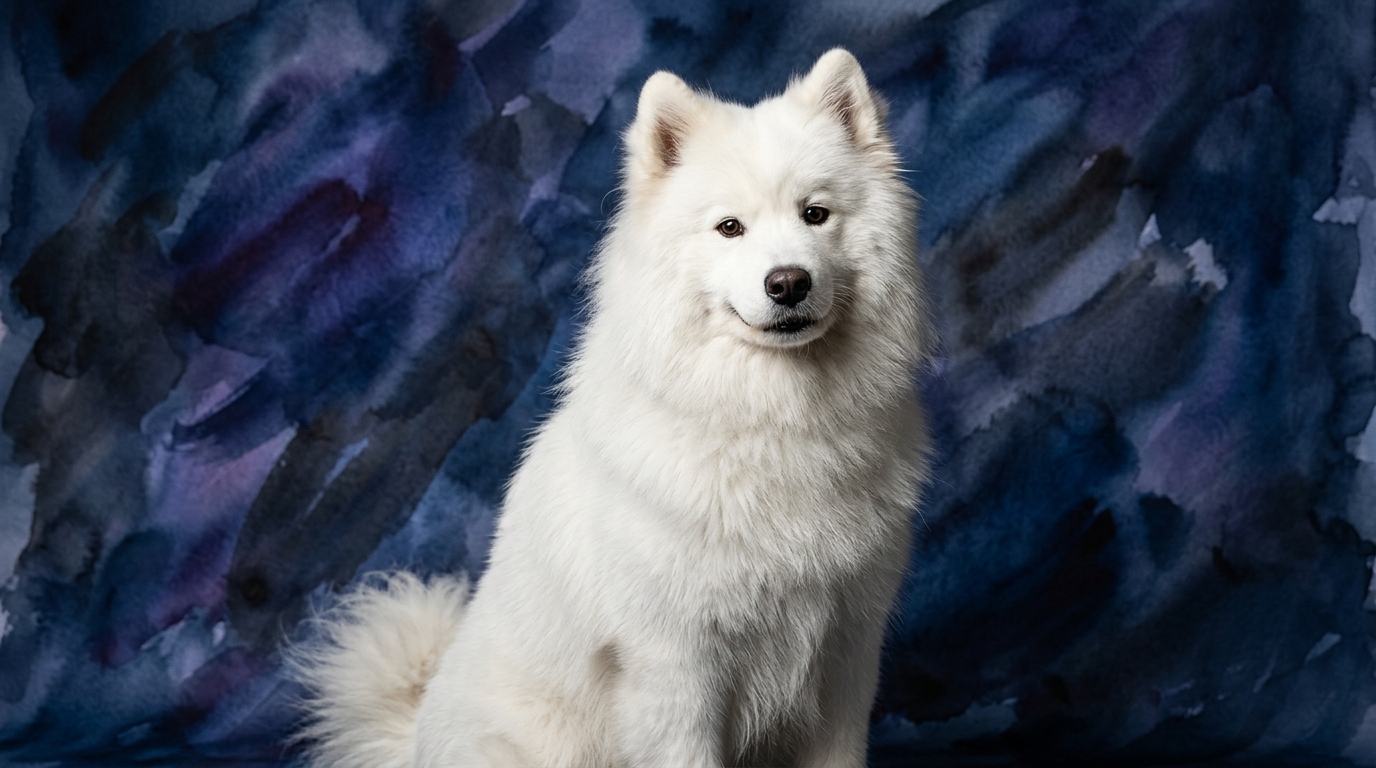
At The Cosmic Pet Pet IQ Lab, we analyze canine cognition across five crucial dimensions, offering a nuanced view beyond simple obedience rankings. For the Samoyed, a member of the Working group with a Coren rank of #33, their profile illuminates a distinct set of strengths. Their problem-solving ability scores a 3/5, indicating they can figure out solutions to moderate challenges but might not independently strategize complex puzzles. Training speed is also rated 3/5; while capable, they often require consistent, patient guidance and thrive when training feels like a collaboration rather than strict instruction. Where the Samoyed truly shines is in social intelligence, earning a perfect 5/5, reflecting an exceptional capacity for understanding human emotions and intentions, fostering profound bonds. Their instinctive drive is strong at 4/5, manifesting in natural desires for pulling, exploring, and vocalizing, remnants of their sled dog heritage. Memory, at 3/5, suggests they retain commands and routines adequately but might benefit from periodic refreshers for less frequently practiced tasks.
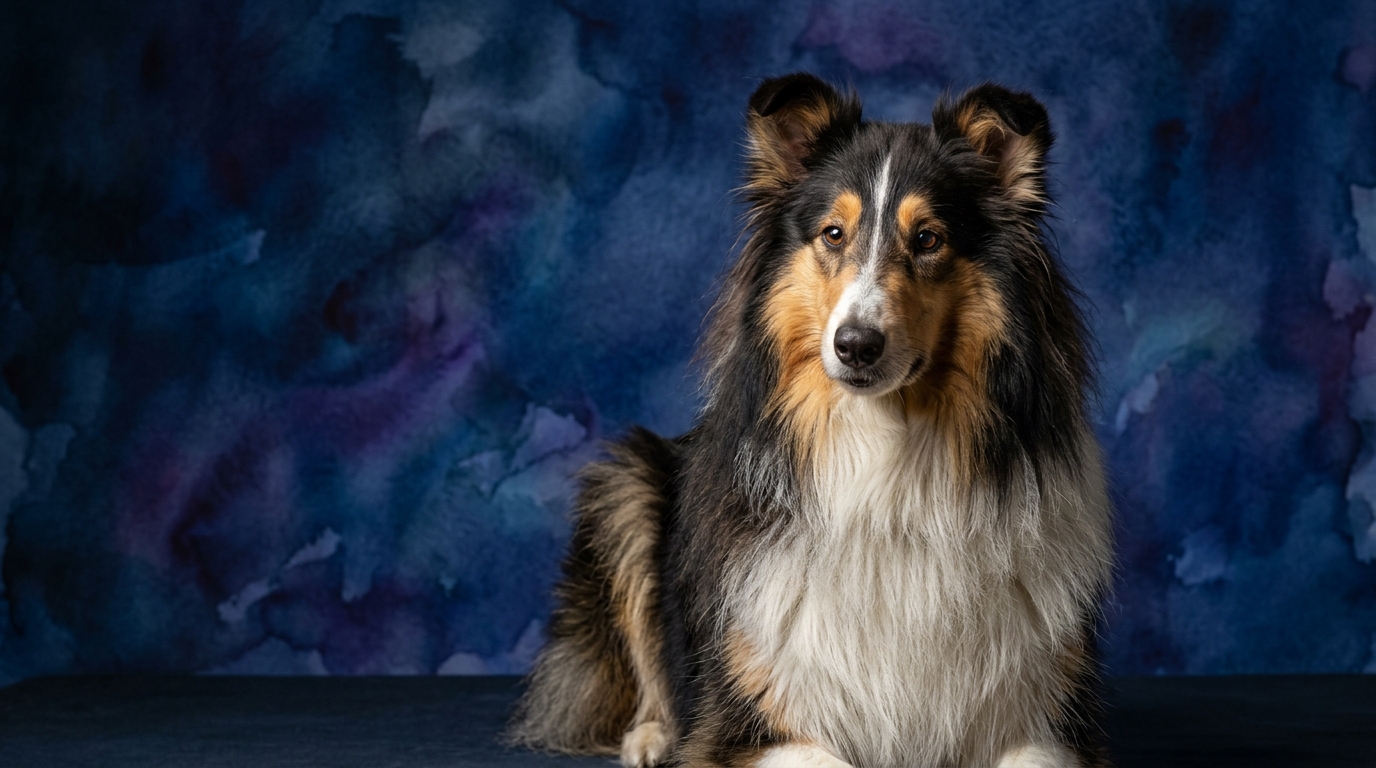
In contrast, the Collie (Rough), a distinguished member of the Herding group with a Coren rank of #16, presents a different cognitive landscape. Their problem-solving prowess registers a solid 4/5, indicating a greater aptitude for adapting to new situations and devising more intricate solutions. Training speed is notably quicker at 4/5; these dogs are often eager to learn and grasp new commands with relative ease. The Collie's social intelligence, while good, scores 3/5, meaning they are deeply bonded with their family but can be more reserved or less overtly expressive with strangers compared to the universally affable Samoyed. Their instinctive drive is moderate at 3/5, with a present but typically manageable herding instinct that is less intense than the Samoyed's working drives. The Collie's memory is a standout at 5/5, suggesting a remarkable capacity to retain complex sequences, commands, and routines over extended periods, making them highly reliable in learned behaviors.
Where the Samoyed Wins Cognitively
The Samoyed's undisputed cognitive advantage lies in their extraordinary social intelligence, rated 5/5. This isn't merely about being friendly; it signifies a profound empathy and an unparalleled ability to read and respond to human emotions and subtle cues. A Samoyed often seems to understand what you're feeling without a word, offering comfort or mirroring your joy with uncanny accuracy. This exceptional social acumen translates into deeply intuitive companionship, where they actively seek connection and participation in family life, often acting as emotional anchors. Their distinctive 'Sammy smile' and vocalizations are not just charming quirks but expressions of their sophisticated social communication, making them masters of emotional bonding and interaction within their social group.
Where the Collie (Rough) Wins Cognitively
The Collie (Rough) excels in domains emphasizing structured learning, retention, and adaptive thought. Their superior memory (5/5) is a significant cognitive asset, allowing them to recall an extensive repertoire of commands, routines, and experiences with remarkable precision over long durations. This memory, combined with a strong problem-solving ability (4/5), enables them to not only learn quickly but also to apply learned principles to novel situations effectively. They can strategize a path through an obstacle course or remember a complex sequence of tasks, demonstrating a capacity for sustained mental engagement and logical progression that makes them particularly adept at detailed training regimens and dog sports requiring precision and recall.
Which is Easier to Train and Why
When considering ease of training, the Collie (Rough) generally offers a more straightforward experience. Their training speed (4/5) and exceptional memory (5/5) mean they typically grasp new commands rapidly and retain them with minimal reinforcement. Collies often possess an inherent eagerness to please their handlers, which, combined with a moderate instinctive drive (3/5), makes them highly receptive to instruction. They thrive on consistency and positive reinforcement, quickly building a reliable understanding of expectations and complex sequences, making them suitable for intricate obedience work or performance activities.
The Samoyed, with a training speed of 3/5 and a strong instinctive drive (4/5), presents a different training dynamic. While undoubtedly capable of learning, their independence and historical role as working dogs mean they often require more patience and creative motivation. A Samoyed might question the 'why' behind a command or prioritize their own inherent drives, such as scent tracking or vocalizing, over immediate compliance. Training a Samoyed often benefits from making the process feel like a game or a shared adventure, leveraging their high social intelligence to build a partnership where they are motivated by connection and positive reinforcement, rather than strict adherence to rules they perceive as arbitrary. Their training is more about guiding their independent spirit than simply dictating.
Which Suits Active Owners vs. Relaxed Owners
For owners seeking an active, adventurous companion, the Samoyed is an excellent match. Their strong instinctive drive (4/5) means they thrive on significant physical exercise and mental engagement, particularly activities that tap into their heritage like hiking, pulling (canicross or skijoring), or exploring new environments. They are not content to be couch potatoes; their social intelligence demands they are active participants in family life, making them ideal for individuals or families who enjoy daily outdoor excursions and can provide consistent mental stimulation to prevent boredom. A Samoyed's energy and need for engagement require an owner committed to an active lifestyle.
The Collie (Rough), while still requiring regular exercise, is generally more adaptable to a range of owner activity levels. Their moderate instinctive drive (3/5) means they enjoy daily walks, playtime, and engaging activities, but are also content to settle down for quiet family time. They appreciate mental stimulation through training, puzzle toys, and interactive games, which satisfies their problem-solving and memory strengths without demanding the same intensity of physical output as a Samoyed. Collies can suit moderately active owners who enjoy consistent daily activity but also appreciate a dog that is equally happy to relax indoors, making them versatile companions for various lifestyles, provided their mental needs are met.
The Verdict
Choose a Samoyed if you prioritize an exceptionally empathetic companion who thrives on deep emotional connection and shared outdoor adventures, and you are prepared to engage their independent spirit with consistent, positive, and creative training.
Opt for a Collie (Rough) if you desire a highly trainable and reliable companion adept at learning complex tasks, who will enjoy regular activity but also appreciate quieter family time, and offers a more straightforward, eager-to-please training experience.
🧠 Find Your Pet's IQ Score
Our Pet IQ Lab assessment covers 25+ tests across 5 cognitive dimensions — personalized to your breed.
Take the Full IQ Test →Frequently Asked Questions
Is the Samoyed's lower Coren rank indicative of lesser overall intelligence?
The Coren ranking primarily measures obedience and working intelligence, which aligns with training speed and problem-solving in a structured context. While the Samoyed ranks lower here, their exceptional social intelligence is a distinct cognitive strength not fully captured by this metric, indicating a different form of canine cognition.
How does the Collie's superior memory affect daily life?
A Collie's outstanding memory means they quickly learn and retain household rules, routines, and a vast array of commands over extended periods. This makes them highly predictable, reliable, and adaptable once behaviors are established, simplifying daily management and enabling them to perform complex, multi-step tasks with precision.
Can a Samoyed be trained for complex tasks despite its training speed rating?
Absolutely. While their training speed is rated 3/5, Samoyeds are capable of learning complex tasks, especially when training is approached with patience, consistency, and motivation that appeals to their social intelligence and independent nature. Engaging them through play and positive reinforcement, making them feel like active partners, can unlock their learning potential for intricate challenges.