Side-by-Side Cognitive Profile
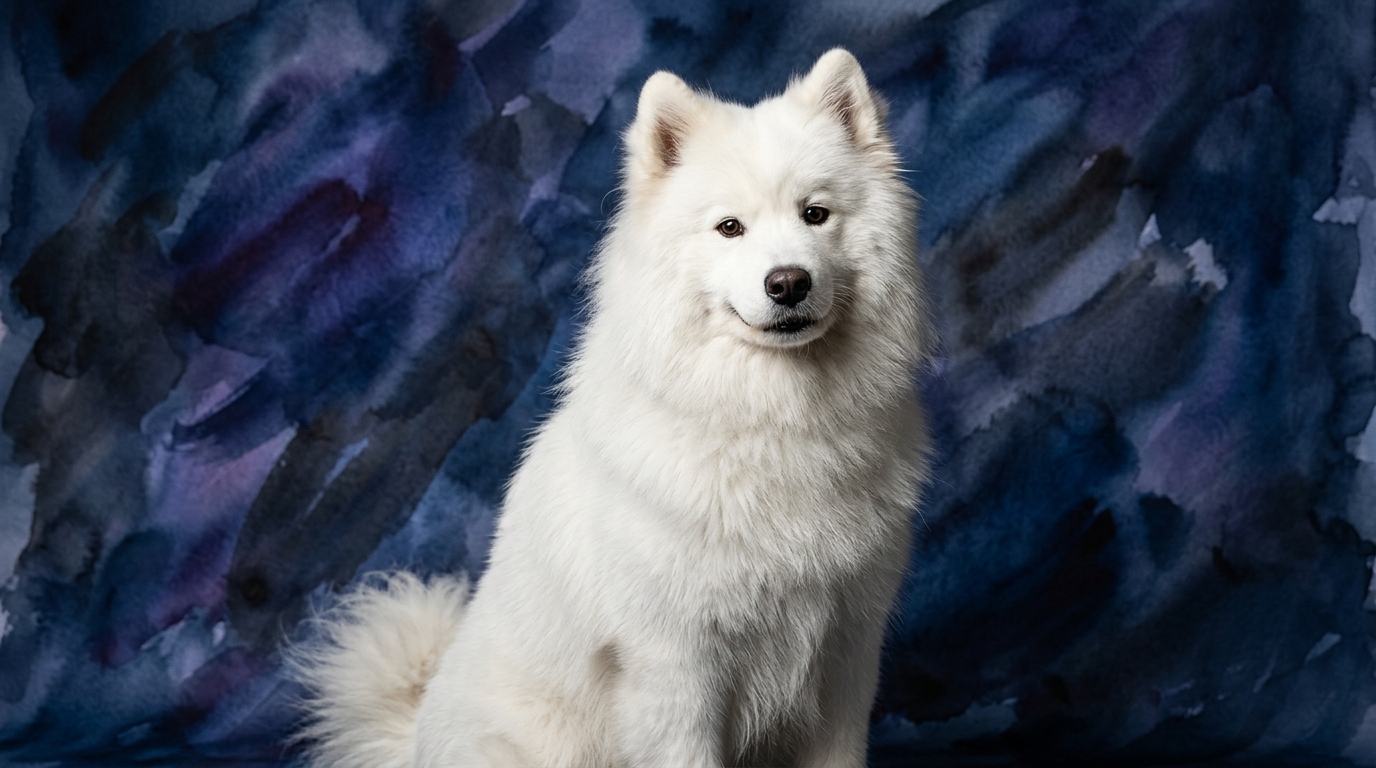
The Samoyed, a breed steeped in history as a sled dog, exhibits a unique blend of cognitive strengths. Their problem-solving ability, rated 3/5, suggests a resourceful approach to challenges, often employing persistence rather than direct efficiency. Training speed at 3/5 indicates they are capable learners, though their independent spirit often means they require consistent motivation and a clear understanding of 'why' a task is relevant. Where they truly shine is social intelligence, scoring a perfect 5/5, making them exceptionally attuned to human emotions and pack dynamics. An instinctive drive of 4/5 reflects their powerful working heritage, manifesting in strong pulling and herding tendencies, while their memory, at 3/5, is solid for core lessons but may require refreshing for less frequently practiced commands.
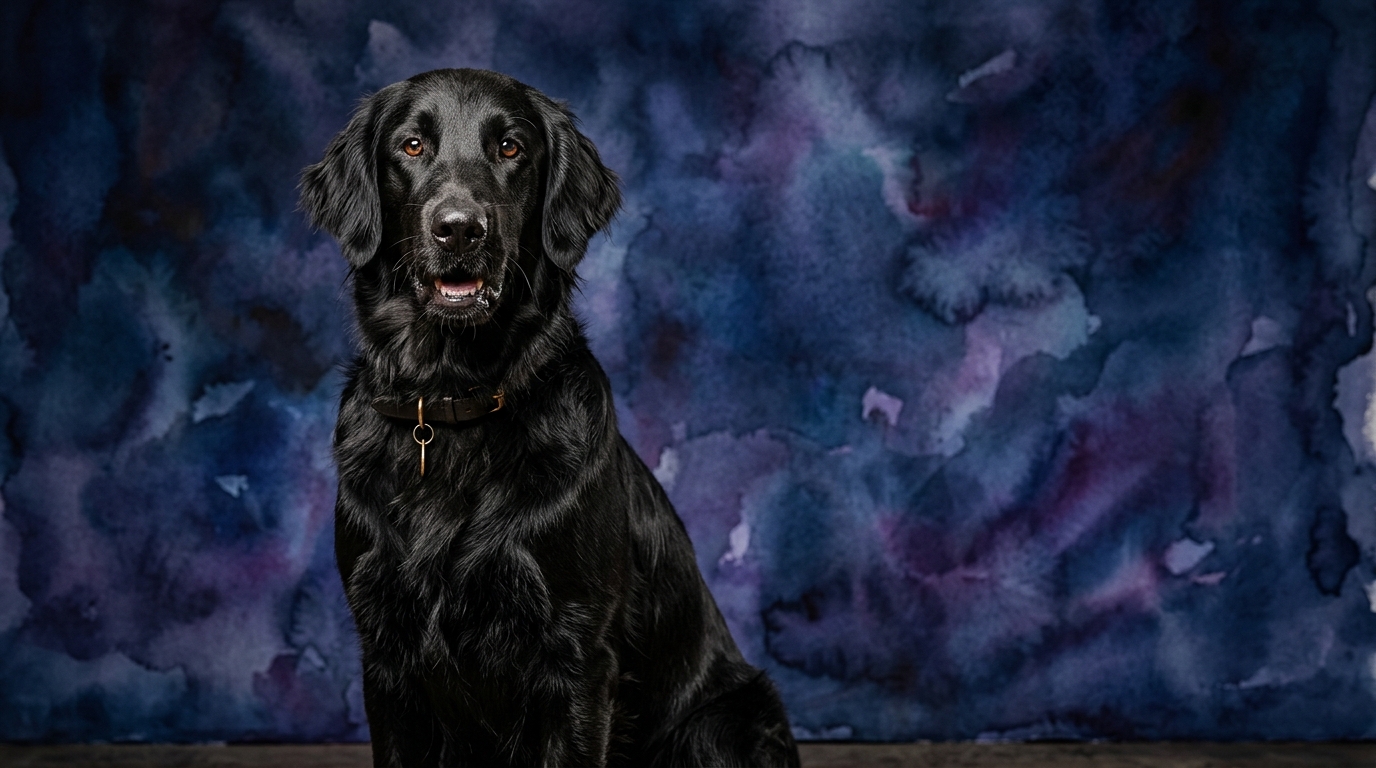
In contrast, the Flat-Coated Retriever, a breed developed for retrieving game, showcases a different set of mental aptitudes. Their problem-solving capacity is rated 4/5, indicating a keen ability to navigate complex situations, especially when a clear goal or reward is involved. Training speed also scores 4/5, highlighting their quick grasp of new concepts and an eagerness to engage with learning. Their social intelligence, at 3/5, points to a friendly and outgoing nature, though perhaps less nuanced in interpreting subtle human cues compared to the Samoyed. An instinctive drive of 3/5 is focused primarily on retrieving, with less of the broad working drive seen in the Samoyed. A standout feature is their memory, rated 5/5, suggesting an exceptional ability to recall intricate sequences, locations, and learned behaviors with remarkable consistency.
Where the Samoyed Wins Cognitively
The Samoyed’s cognitive prowess is most evident in its profound social intelligence. Scoring a perfect 5/5 in this dimension, Samoyeds possess an unparalleled ability to read and respond to human emotions, often anticipating needs or moods without explicit commands. This makes them deeply empathetic companions, capable of forming incredibly strong, intuitive bonds with their families, thriving in environments where subtle communication is valued. Their social acumen extends to their interactions with other dogs and even strangers, often displaying a gentle, understanding demeanor.
Furthermore, their 4/5 instinctive drive, a legacy of their sled-pulling ancestors, means Samoyeds possess an enduring spirit and a natural inclination for cooperative work when properly engaged. This drive, when channeled into activities like canicross, skijoring, or even long, purposeful hikes, allows them to excel in tasks requiring sustained effort and teamwork, demonstrating a powerful mental fortitude that goes beyond simple obedience. They are not merely following instructions but engaging their intrinsic motivation to achieve a shared goal.
Where the Flat-Coated Retriever Wins Cognitively
The Flat-Coated Retriever truly excels in areas demanding rapid cognitive processing, practical problem-solving, and exceptional retention. Their 4/5 problem-solving ability means they are quick to analyze situations and devise effective strategies, particularly when a task is presented as a puzzle or a game with a clear objective. This makes them particularly adept at navigating complex scent trails, intricate agility courses, or deciphering novel challenges in their environment, driven by an inherent desire to succeed.
Coupled with this is their impressive 4/5 training speed and an unparalleled 5/5 memory. Flat-Coats absorb new commands and routines with remarkable swiftness, often requiring fewer repetitions than many other breeds. Once a lesson is learned, it is deeply ingrained, allowing for reliable and consistent performance, even after extended periods without practice. This combination of quick learning and steadfast recall makes them star pupils in advanced obedience, competitive retrieving, and any activity where precision and consistency are paramount.
Which is Easier to Train and Why
When considering ease of training for conventional obedience and canine sports, the Flat-Coated Retriever generally holds an advantage. Their 4/5 training speed and perfect 5/5 memory mean they grasp new concepts quickly and retain them reliably. This, combined with their eager-to-please temperament and 4/5 problem-solving skills, translates into a dog that actively participates in training, often finding joy in the learning process itself. They are typically highly motivated by positive reinforcement and respond well to consistent, clear instruction, making them a rewarding partner for trainers seeking rapid progress and consistent performance.
The Samoyed, with a 3/5 training speed and 3/5 memory, presents a different training dynamic. While capable of learning, their independent nature and strong instinctive drives mean they often require more patience, creativity, and a deep understanding of their motivations. They may question the 'why' behind a command and are less inclined to simply obey without perceiving value in the task. Training a Samoyed requires building a strong relationship based on trust and mutual respect, turning lessons into engaging interactions rather than rote memorization. Their social intelligence allows for nuanced communication, but their independent streak means a trainer must earn their cooperation.
Which Suits Active Owners vs. Relaxed Owners
For owners who thrive on structured activities, advanced training, and competitive canine sports, the Flat-Coated Retriever is often the more suitable match. Their cognitive strengths—high problem-solving, fast training speed, and exceptional memory—make them excellent candidates for agility, obedience trials, flyball, and particularly retrieving tasks where their instincts and mental aptitudes align perfectly. They require consistent mental and physical engagement to prevent boredom and channel their enthusiastic energy. These are dogs that genuinely enjoy having a 'job' and excel when given opportunities to use their intellect.
Conversely, while Samoyeds are also active, their activity needs lean more towards endurance, companionship, and exploration. Owners who appreciate a dog with deep social attunement and are prepared for extensive outdoor adventures—long hikes, sledding, or simply exploring nature—will find the Samoyed's blend of social intelligence and instinctive drive incredibly rewarding. They are not as driven by the precision of sport but thrive on shared experiences and a strong bond. Neither breed is ideal for truly 'relaxed' owners seeking a sedentary companion, as both possess significant energy and a need for mental engagement, albeit expressed in different ways.
The Verdict
Choose the Samoyed if you prioritize a deep emotional connection, nuanced social interaction, and a dog with a robust, enduring spirit for outdoor adventures, and are prepared for a more independent training journey.
Opt for the Flat-Coated Retriever if you seek a highly trainable, enthusiastic partner for dog sports, intricate obedience, or demanding retrieving tasks, valuing rapid learning and consistent performance.
🧠 Find Your Pet's IQ Score
Our Pet IQ Lab assessment covers 25+ tests across 5 cognitive dimensions — personalized to your breed.
Take the Full IQ Test →Frequently Asked Questions
Are Samoyeds difficult to train?
Samoyeds are not inherently difficult, but their 3/5 training speed and independent nature mean they respond best to positive reinforcement, patience, and consistency. Their strong instinctive drive requires channeling into productive outlets rather than solely relying on rote commands.
Do Flat-Coated Retrievers need a lot of mental stimulation?
Absolutely. With 4/5 problem-solving and 5/5 memory, Flat-Coated Retrievers thrive on mental challenges like puzzle toys, advanced obedience, and scent work. Consistent mental engagement is crucial to prevent boredom and maintain their cheerful, cooperative disposition.
Which breed is better with children?
Both breeds can be wonderful with children, but in different ways. Samoyeds' 5/5 social intelligence makes them very gentle and attuned to family dynamics, while Flat-Coated Retrievers' outgoing nature makes them playful and robust companions, though supervision is always key with any dog and child.