Side-by-Side IQ Profile: Unpacking Cognitive Dimensions
The Cosmic Pet Pet IQ Lab assesses canine cognition across five key dimensions: Problem Solving, Training Speed, Social Intelligence, Instinctive Drive, and Memory. While overall scores might appear similar in some areas, the manifestation of these abilities differs greatly between breeds like the Samoyed and the French Bulldog, reflecting their distinct evolutionary paths and purposes.
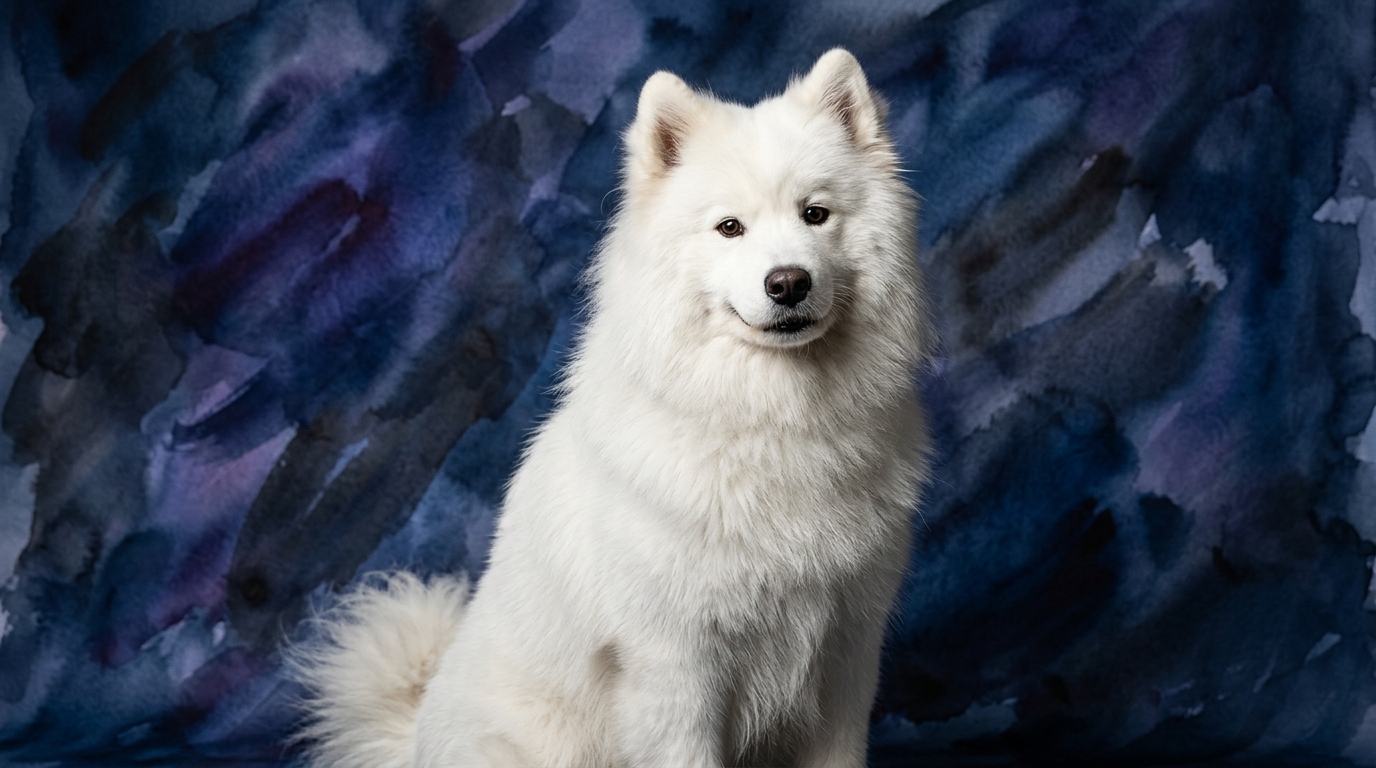
As a Working breed, the Samoyed's cognitive framework is shaped by centuries of demanding tasks. Their Problem Solving is rated 3/5, reflecting an ability to navigate complex situations independently, often involving environmental challenges or flock management, rather than solely human-directed puzzles. Training Speed at 3/5 suggests they learn new commands at a moderate pace, but their independent spirit means they may choose to execute them on their own terms. A remarkable 5/5 in Social Intelligence highlights their deep connection to their pack, be it human or canine, and an innate understanding of social cues and hierarchies. Their Instinctive Drive is a robust 4/5, powering their desire to herd, pull, and engage in purposeful activity, a strong motivator for their actions. Memory, at 3/5, indicates a solid capacity to retain learned behaviors and routines, particularly those tied to their instinctive roles.
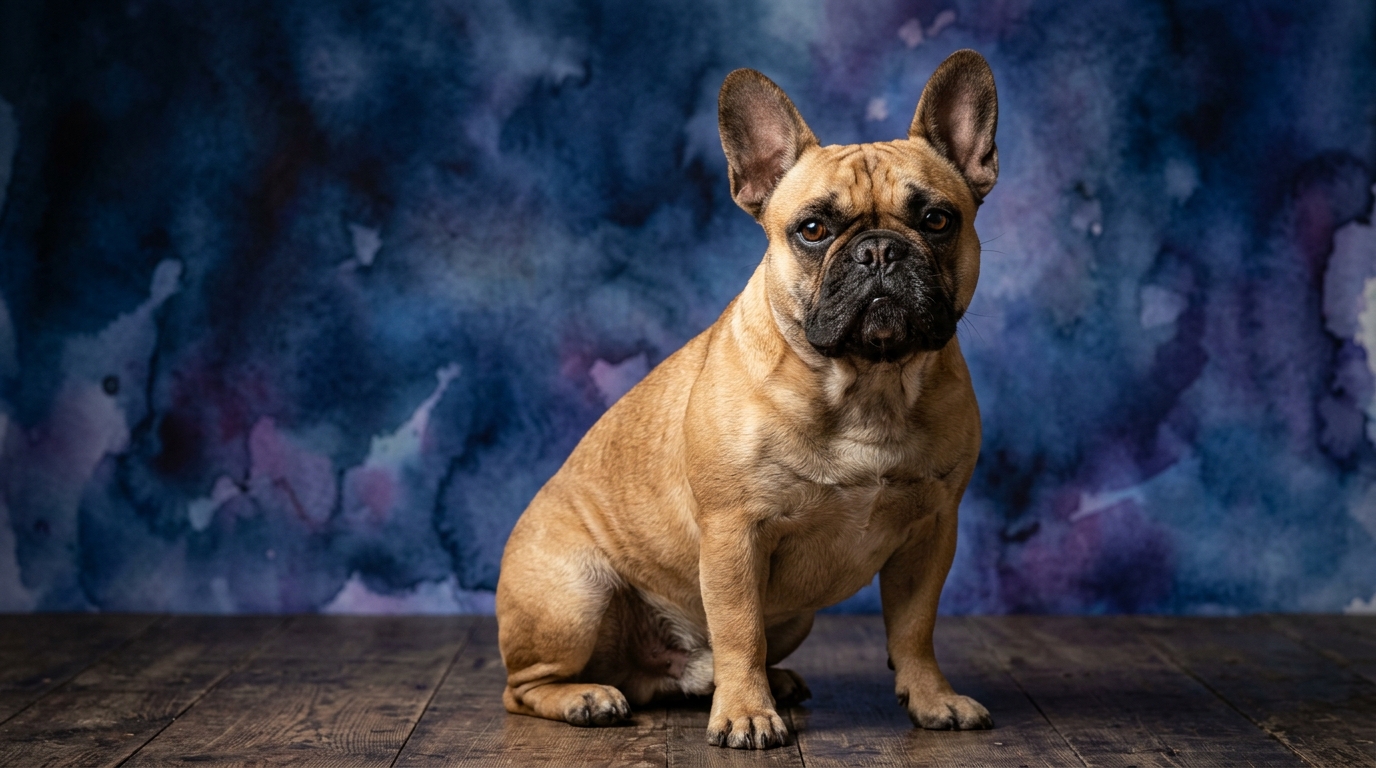
The French Bulldog, a Non-Sporting companion breed, exhibits a cognitive profile tailored for close human interaction. Their Problem Solving, also 3/5, typically manifests in clever ways to achieve comfort or attention within a domestic setting, such as figuring out how to get onto a favorite couch or manipulate their owner for a treat. Training Speed, mirroring the Samoyed at 3/5, means they can learn new commands steadily, though their motivation might be more food-driven or comfort-seeking than task-oriented. Like the Samoyed, their Social Intelligence is a perfect 5/5, reflecting their profound ability to bond with humans, read emotional states, and integrate seamlessly into family life, often becoming the emotional core of a household. In contrast, their Instinctive Drive is a modest 2/5, indicating a lower intrinsic motivation for complex physical tasks or independent outdoor pursuits; their drives are primarily centered around companionship and comfort. Their Memory, 3/5, allows them to recall routines, people, and pleasant experiences with good consistency.
Where the Samoyed Excels Cognitively
The Samoyed's cognitive strengths distinctly align with their historical roles. Their 4/5 Instinctive Drive gives them an edge in tasks requiring sustained effort, endurance, and initiative, such as navigating varied terrain or performing repetitive duties like pulling a sled. This drive translates into a persistent focus on a goal once engaged, even if it's a human-assigned “job.” While their Problem Solving is rated equally to the French Bulldog, the Samoyed's 3/5 often involves practical, environmental challenges – figuring out how to get around an obstacle on a trail or how to communicate a need within a working team. This type of problem-solving is less about manipulating humans for comfort and more about active engagement with the world around them, often requiring a degree of independent decision-making in dynamic situations. Their social intelligence, while high in both, allows the Samoyed to thrive in a structured group, understanding their role and contributing effectively, which is a different nuance from the French Bulldog's more intimate, one-on-one social focus. Their Coren rank of #33 further underscores their capacity for adaptive obedience and working intelligence.
Where the French Bulldog Excels Cognitively
The French Bulldog shines in the realm of domesticity and nuanced human interaction. Their 5/5 Social Intelligence, while shared with the Samoyed, manifests as an exceptional ability to interpret subtle human cues, emotional states, and household routines. This allows them to become incredibly attuned companions, anticipating needs or offering comfort without explicit instruction. Their 3/5 Problem Solving often involves creative solutions within their immediate environment to maximize comfort or attention, like finding the perfect sunbeam spot or subtly nudging a hand for affection. Despite a lower Instinctive Drive, their cognitive resources are channeled into optimizing their social and comfort-seeking strategies, making them adept at navigating the complexities of family dynamics. Their memory, also 3/5, is particularly effective at recalling pleasant social interactions and routines, reinforcing their bond and making them predictable and cherished household members. Unlike the Samoyed, the French Bulldog's cognitive profile is entirely geared towards harmonious living as a cherished family member.
Which is Easier to Train and Why
Determining “easier” to train depends heavily on an owner's approach and expectations. Both breeds share a 3/5 Training Speed, meaning they absorb commands at a similar pace. However, their motivations and behavioral tendencies diverge significantly. The French Bulldog, with its lower 2/5 Instinctive Drive and intense focus on human companionship, often responds well to positive reinforcement centered around food, praise, and comfort. They are generally eager to please their primary human and their problem-solving skills might be employed to figure out how to earn that treat or cuddle. Their compact size and lower energy also mean fewer physical distractions during training sessions, making them potentially more manageable in a home environment.
In contrast, the Samoyed's robust 4/5 Instinctive Drive, coupled with their independent working heritage, means they might be more inclined to follow their own judgment or pursue an interesting scent than to immediately comply with a command. Training a Samoyed often requires more patience, consistency, and a deep understanding of their innate drives, channeling their desire for purpose into structured activities rather than expecting absolute obedience without a clear “why” from their perspective. Their strong social intelligence means they understand the command, but their independent spirit dictates their response time, making consistency and engaging training methods key.
Which Suits Active Owners vs. Relaxed Owners
The choice between a Samoyed and a French Bulldog largely hinges on an owner's lifestyle and capacity for engagement. Active owners who enjoy outdoor adventures, long hikes, or even dog sports will find a compatible partner in the Samoyed. Their 4/5 Instinctive Drive and historical role as working dogs necessitate significant physical and mental exercise. A Samoyed thrives when given a “job,” whether it's pulling a cart, participating in agility, or simply accompanying their human on extended treks. Their cognitive abilities are best expressed and maintained through regular, stimulating activity that challenges both their body and mind, preventing boredom and potential behavioral issues.
Conversely, relaxed owners seeking a devoted, low-maintenance companion will likely find the French Bulldog a better fit. With their 2/5 Instinctive Drive and preference for comfort, French Bulldogs are content with moderate daily walks and ample time spent lounging with their family. Their cognitive engagement primarily revolves around social interaction and navigating the household environment, making them ideal for individuals or families with less active lifestyles who prioritize close companionship over demanding physical pursuits. Their social intelligence is perfectly suited for a life centered around human interaction within the home.
The Verdict
Select a Samoyed if you are an active individual or family prepared to provide consistent mental and physical stimulation, appreciating a partner with an independent streak and a strong drive for purposeful activity.
Opt for a French Bulldog if you seek a devoted, comfort-loving companion who thrives on close human interaction and fits seamlessly into a more relaxed, domestic lifestyle.
🧠 Find Your Pet's IQ Score
Our Pet IQ Lab assessment covers 25+ tests across 5 cognitive dimensions — personalized to your breed.
Take the Full IQ Test →Frequently Asked Questions
Do Samoyeds and French Bulldogs learn at the same pace?
Both breeds share a Training Speed rating of 3/5, suggesting they learn new commands at a similar moderate pace. However, their motivations differ, with French Bulldogs often more eager to please for comfort, while Samoyeds might require more engagement of their innate drives for compliance.
How does social intelligence differ between these two breeds, given both have a 5/5 rating?
While both score 5/5, the manifestation differs: Samoyeds excel in understanding pack dynamics and contributing to a working group, whereas French Bulldogs typically focus their high social intelligence on intimate human bonding and interpreting subtle household cues for companionship and comfort.
Can a French Bulldog be trained for complex tasks like a Samoyed?
While French Bulldogs can learn many commands, their lower instinctive drive (2/5) means they generally lack the intrinsic motivation for sustained, complex physical tasks or independent problem-solving in challenging environments, areas where the Samoyed's 4/5 instinctive drive excels.