Side-by-side IQ profile
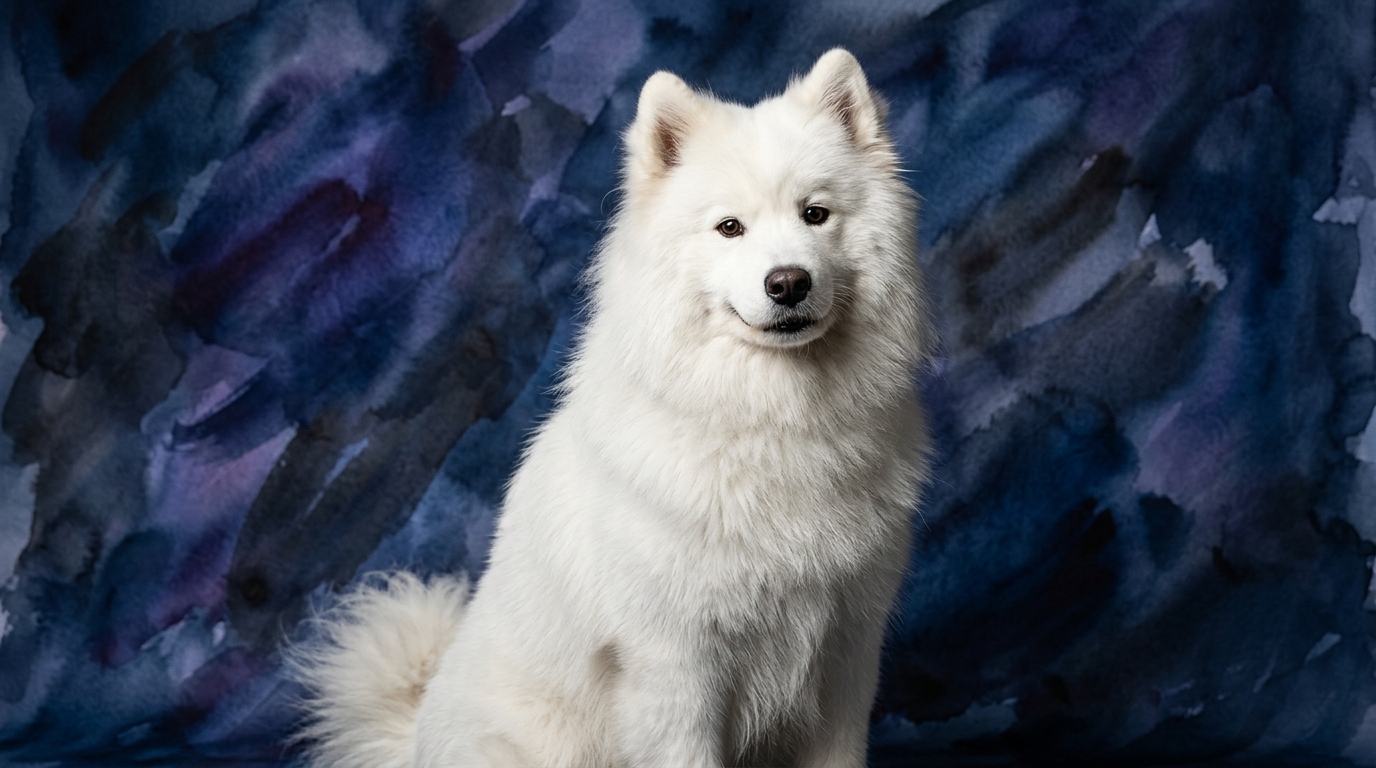
As a Working breed, the Samoyed's cognitive strengths lean towards cooperative tasks and social interaction. Its problem-solving capacity registers a moderate 3/5, suggesting it navigates challenges but benefits from guidance. Training speed sits at 3/5, indicating a steady learning pace thriving on consistent positive reinforcement. The Samoyed distinguishes itself in social intelligence, scoring a perfect 5/5, reflecting a deep understanding of human cues and strong desire for companionship. Its instinctive drive is a robust 4/5, often manifesting in sledding or herding tendencies, while memory is a solid 3/5 for retaining learned behaviors. Coren's #33 ranking underscores its general aptitude for adaptive learning within a working context.
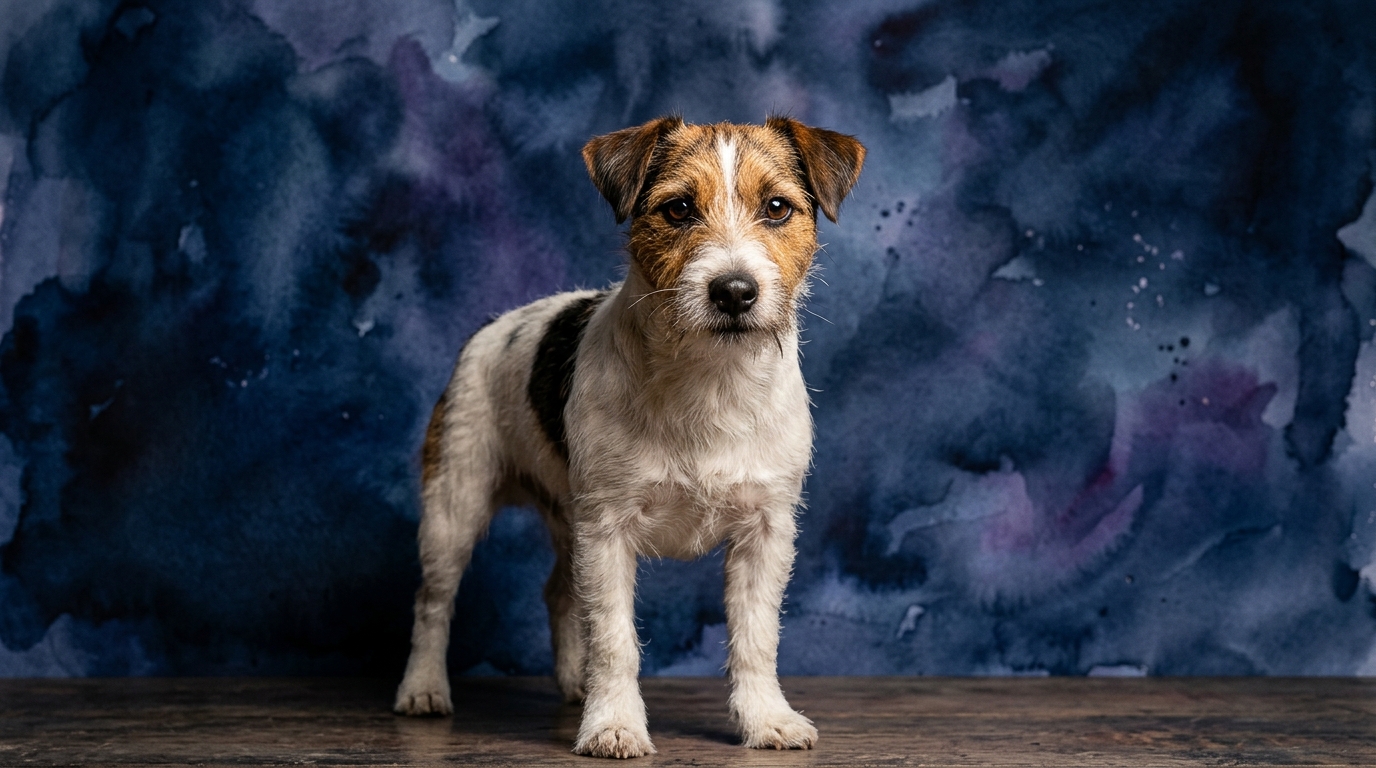
The Jack Russell Terrier, a Terrier breed, presents a cognitive blueprint honed for independent hunting and persistent pursuit. Its problem-solving ability is exceptional, rated 5/5, showcasing a knack for independent thought and overcoming obstacles. Training speed is a moderate 3/5, but often reflects a terrier's independent streak, demanding engaging methods. Social intelligence is 3/5, suggesting a strong bond with primary handlers but less universal attunement to nuanced social cues. Its instinctive drive is an outstanding 5/5, deeply rooted in prey drive, digging, and exploration. Memory is strong at 4/5, enabling it to recall complex sequences and past experiences, particularly related to its instinctive pursuits. This breed is not specifically Coren-ranked, common for terriers whose intelligence manifests in specific, task-oriented ways.
Where Samoyed Wins Cognitively
The Samoyed's cognitive superiority primarily resides in its exceptional social intelligence, scoring a perfect 5/5. This means a Samoyed is remarkably adept at understanding human emotions, intentions, and social dynamics, excelling in situations requiring empathy and cooperation. Their desire to please and work alongside human companions often augments their 3/5 problem-solving and training speed, making them highly responsive to collaborative tasks. This breed's 4/5 instinctive drive, readily channeled into teamwork, makes them outstanding partners in activities like sledding where communication and mutual understanding are paramount. Their moderate memory of 3/5 is sufficient for retaining complex social cues and established routines, further reinforcing their role as intuitive companions.
Where Jack Russell Terrier Wins Cognitively
The Jack Russell Terrier's cognitive strengths shine brightest in independent problem-solving and an intense instinctive drive. Scoring a 5/5 in problem-solving, these terriers are masters at figuring things out on their own, whether escaping a yard or locating hidden objects, a capability stemming from their historical role as independent hunters. Their instinctive drive, also a 5/5, is a powerful engine for this problem-solving, compelling them to dig, chase, and explore with relentless determination. This drive, combined with a robust 4/5 memory, allows them to recall complex strategies and locations, making them formidable in tasks requiring persistence and independent decision-making. While their social intelligence is a moderate 3/5, their intelligence is geared towards action and self-reliance, making them exceptionally effective in tasks demanding tenacity and quick, individualistic thinking.
Which is Easier to Train and Why
When considering ease of training, the Samoyed generally presents a more straightforward path for the average owner, primarily due to its superior social intelligence and cooperative nature. With a social intelligence score of 5/5, Samoyeds are inherently attuned to their human companions, eager to understand and please, making them highly responsive to positive reinforcement. While their training speed is a moderate 3/5, their willingness to engage and cooperative spirit mean they are often more forgiving and consistent once a command is learned. Their Coren ranking of #33 further supports their capacity for obedience. In contrast, the Jack Russell Terrier, despite its 3/5 training speed, can be more challenging. Its exceptional 5/5 problem-solving and 5/5 instinctive drive often translate into an independent streak, prioritizing its own agenda if a more enticing 'problem' presents itself. Training requires immense consistency, creativity, and a firm but fair approach to channel their independent spirit, rather than suppress it.
Which Suits Active Owners vs Relaxed Owners
For active owners seeking an engaged, collaborative partner, the Samoyed, with its 4/5 instinctive drive for working and 5/5 social intelligence, thrives on shared activities like hiking or dog sports where teamwork is key. They need consistent mental and physical exercise, but their cooperative nature makes them excellent companions for long outings. A Samoyed is not for a relaxed owner; their working heritage demands significant interaction and activity, though they adapt well to indoor relaxation *after* adequate exercise. For the owner who defines 'active' as relentless pursuit and intricate problem-solving, the Jack Russell Terrier is an unparalleled fit. Its 5/5 instinctive drive and 5/5 problem-solving mean it requires an owner who can match its boundless energy and provide outlets for its terrier instincts, such as agility or earthdog trials. A Jack Russell Terrier is definitely not suited for a relaxed owner; their drive for action and mental engagement is constant, and without sufficient outlets, they can become destructive or excessively vocal. Owners who enjoy intricate training challenges and can provide a structured, high-energy environment will find a Jack Russell Terrier incredibly rewarding.
The Verdict
Opt for a Samoyed if you value a highly social, cooperative companion eager to work alongside you, thriving on companionship and shared outdoor adventures. They are ideal for owners who appreciate a dog that understands nuanced social cues and integrates deeply into family life, demanding consistent interaction and exercise.
Select a Jack Russell Terrier if you seek an independent, tenacious problem-solver with an insatiable drive for action and exploration, perfect for dedicated owners who can channel their boundless energy and sharp intellect into challenging activities. They suit those who enjoy intricate training and can manage a strong prey drive and independent decision-making.
🧠 Find Your Pet's IQ Score
Our Pet IQ Lab assessment covers 25+ tests across 5 cognitive dimensions — personalized to your breed.
Take the Full IQ Test →Frequently Asked Questions
Is the Samoyed truly a 'smarter' dog than the Jack Russell Terrier?
'Smarter' is subjective; they possess different forms of intelligence. The Samoyed excels in social understanding and cooperation, while the Jack Russell Terrier shines in independent problem-solving and instinctive drive. Their cognitive profiles are specialized for their historical roles, making direct comparisons of overall 'smartness' less meaningful.
Can a Jack Russell Terrier be trained for advanced obedience despite its independent nature?
Yes, a Jack Russell Terrier can achieve advanced obedience, but it requires a dedicated and creative trainer. Their 3/5 training speed, combined with their 5/5 problem-solving and instinctive drive, means training must be highly engaging, consistent, and reward-based to channel their independence effectively. They respond best to challenges that stimulate their active minds.
How does the Samoyed's social intelligence manifest in daily life?
A Samoyed's 5/5 social intelligence means they are highly attuned to their family's moods, often offering comfort or seeking interaction based on human cues. They integrate seamlessly into family dynamics, enjoy being part of all activities, and generally get along well with other pets and people, making them excellent therapy or family dogs.