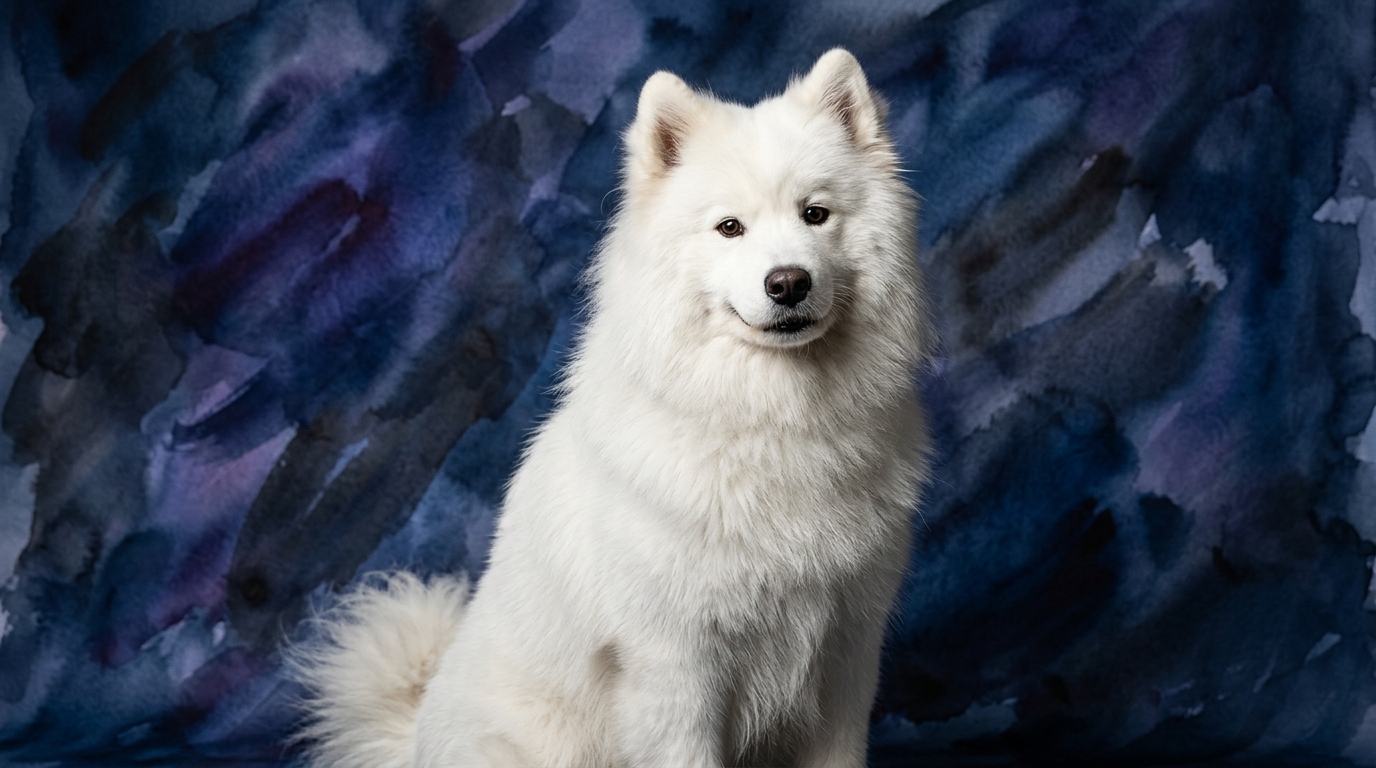
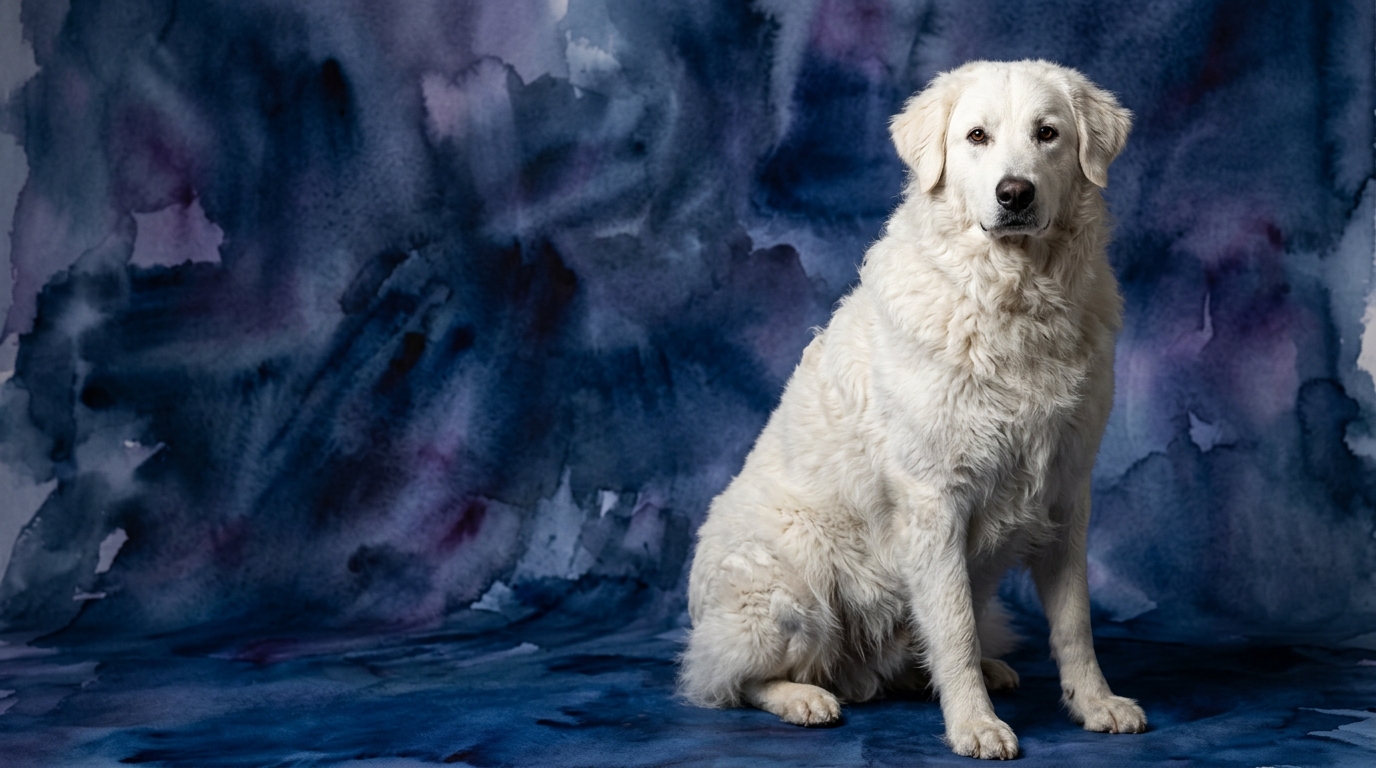
Side-by-Side Cognitive Profiles: Samoyed vs. Kuvasz
**Samoyed:**
**Problem Solving (3/5):** Samoyeds exhibit moderate problem-solving abilities, handling straightforward challenges but not always excelling at complex, multi-step tasks. Their solutions often prioritize immediate, practical responses.
**Training Speed (3/5):** This breed learns new commands at a moderate pace. Their eagerness to please, when channeled effectively with positive reinforcement, allows for steady progress.
**Social Intelligence (5/5):** Samoyeds truly shine here, possessing exceptional social acumen. They readily understand human emotions and social cues, forming deep, empathetic connections and responding to subtle interpersonal dynamics within their family.
**Instinctive Drive (4/5):** Their strong instinctive drive stems from their heritage in herding and sled-pulling. This manifests as a natural inclination to work collaboratively, follow structured tasks, and engage actively with their environment.
**Memory (3/5):** Samoyeds demonstrate a solid, average memory, reliably retaining learned behaviors and recognizing familiar individuals and places. However, complex sequences might require consistent reinforcement.
**Kuvasz:**
**Problem Solving (3/5):** Similar to the Samoyed, the Kuvasz shows moderate problem-solving skills, capable of independent decision-making, particularly concerning guarding duties. Their solutions are often direct and pragmatic.
**Training Speed (3/5):** Kuvasz learn at a moderate pace, though their independent nature can make them seem less enthusiastic about repetitive drills. Training requires patience, consistency, and understanding their self-reliant motivations.
**Social Intelligence (3/5):** While forming strong family bonds, the Kuvasz's social intelligence is more reserved. They are observant and protective but less overtly empathetic with strangers, focusing on assessing trustworthiness and potential threats.
**Instinctive Drive (3/5):** The Kuvasz's instinctive drive is primarily focused on guarding and protection. This manifests as a strong territorial instinct, a watchful demeanor, and an innate desire for independent oversight and defense.
**Memory (4/5):** The Kuvasz demonstrates notable memory capacity, especially for routines, boundaries, and individuals. This strong recall supports their guardian role, allowing them to remember who belongs and where their territory lies, even over long periods.
Where the Samoyed Excels Cognitively
The Samoyed's standout cognitive strength lies in its exceptional social intelligence (5/5). This breed possesses an unparalleled ability to interpret and respond to human emotions and social cues, making them remarkably attuned companions. They are adept at reading the room, often anticipating their owner's mood or intentions, fostering a profound empathetic connection. This high social acuity also translates into a collaborative spirit; Samoyeds thrive on working alongside their human partners, readily engaging in activities that involve shared goals. Their instinctive drive (4/5) further supports this, channeling their energy into purposeful interaction and allowing them to integrate seamlessly into family dynamics, understanding subtle non-verbal communication.
Where the Kuvasz Excels Cognitively
The Kuvasz's cognitive prowess is anchored in its superior memory (4/5) and its independent, protective instincts. This breed excels at retaining detailed information about its environment, people, and routines, crucial for its traditional role as a livestock guardian. They remember boundaries and who belongs, allowing them to make critical decisions independently without constant human direction. Their problem-solving (3/5) is often applied pragmatically to real-world scenarios, such as assessing a perceived threat or navigating a complex landscape to protect their charges. This strong memory, coupled with a moderate but self-reliant problem-solving ability, makes the Kuvasz an exceptionally reliable and vigilant guardian, capable of long-term vigilance and strategic decision-making in its domain.
Which is Easier to Train and Why
When considering ease of training, the Samoyed generally presents a more straightforward path for the average owner, largely due to its superior social intelligence and collaborative instinctive drive. Samoyeds are inherently eager to please and deeply motivated by positive human interaction, making them highly responsive to praise, treats, and playful engagement. Their strong social connection means they are more inclined to view training as a joint activity, readily following cues. While their training speed is moderate (3/5), their willingness to engage and ability to pick up on subtle human signals makes the process feel intuitive and rewarding. In contrast, the Kuvasz, despite moderate training speed (3/5) and excellent memory (4/5), can be more challenging due to its independent nature. As a livestock guardian, the Kuvasz is bred to think for itself; this can translate into a strong-willed demeanor in training. They might question commands or prioritize their own assessment of a situation, especially if they perceive a command as unnecessary. Training a Kuvasz requires immense patience, consistency, and building respect and trust.
Which Suits Active Owners vs. Relaxed Owners
For active owners seeking a dynamic and highly interactive companion, the Samoyed is often the more suitable choice. Their robust instinctive drive (4/5) for purposeful activity, coupled with their exceptional social intelligence (5/5), means they thrive on shared adventures. Samoyeds excel in activities like hiking, sledding, or agility, where they engage physically and mentally alongside their human. They are social creatures who genuinely enjoy being involved in family outings, making them ideal for individuals or families who embrace an active outdoor lifestyle. Their moderate problem-solving (3/5) and training speed (3/5) make them capable partners in engaging dog sports.
Conversely, for owners who appreciate an independent, watchful presence and a more relaxed daily routine, particularly those with a large property, the Kuvasz might be a better fit. While they still require regular exercise, their primary drives are more focused on guarding and observation rather than constant interactive activity. Their strong memory (4/5) and moderate problem-solving (3/5) allow them to effectively patrol and protect their territory, often content with monitoring surroundings. They are not typically demanding of constant engagement, preferring to observe from a distance and intervene only when necessary. This aligns well with owners who value a diligent, self-reliant guardian over a perpetually playful companion.
The Verdict
If you seek an empathetic, highly social, and collaborative companion eager to participate in shared activities and thrives on deep human connection, the Samoyed's exceptional social intelligence and collaborative drive make it an ideal choice.
If your lifestyle values a fiercely loyal, independent guardian with a remarkable memory for its domain and a reserved but protective social nature, the Kuvasz will diligently watch over your home and family.
🧠 Find Your Pet's IQ Score
Our Pet IQ Lab assessment covers 25+ tests across 5 cognitive dimensions — personalized to your breed.
Take the Full IQ Test →Frequently Asked Questions
Are Samoyeds or Kuvasz better with children?
Samoyeds, with their high social intelligence and gentle nature, often integrate well into families with children, displaying patience and a playful demeanor. Kuvasz can be good with children in their own family but require careful socialization due to their protective instincts, which might make them wary of unfamiliar children.
Do Samoyeds and Kuvasz require similar amounts of grooming?
Both breeds possess thick double coats that require significant grooming. Samoyeds need regular brushing to prevent matting and manage shedding, especially seasonally, to keep their fluffy white coat pristine. Kuvasz also require consistent brushing to maintain their dense coat, though their hair might be slightly coarser and less prone to fine matting than the Samoyed's.
Which breed is more prone to separation anxiety?
Samoyeds, due to their profound social intelligence and strong desire for companionship, can be more prone to separation anxiety if left alone for extended periods. The Kuvasz, with its independent nature and guardian instincts, tends to be more self-sufficient and less likely to develop severe separation anxiety, often content to monitor its territory even when its owners are absent.