
Side-by-Side Cognitive Profiles
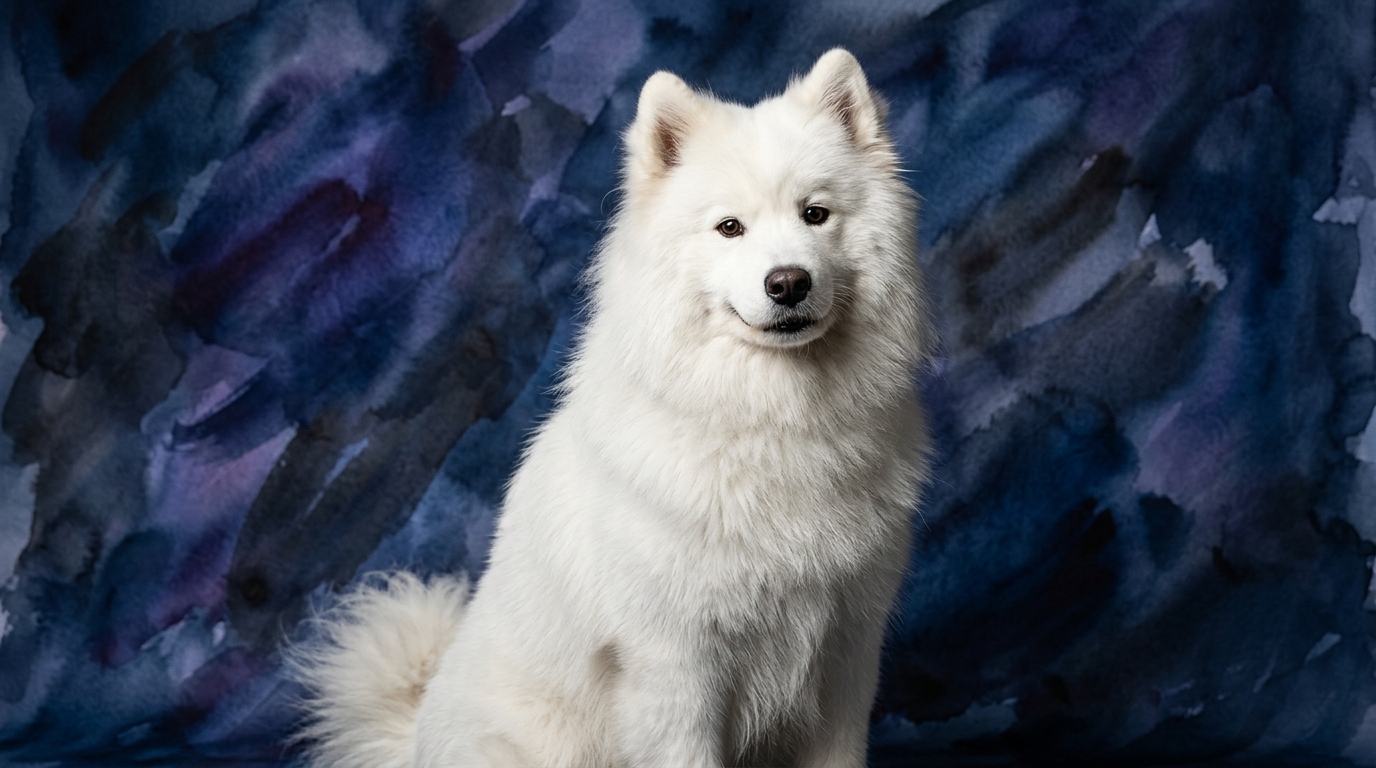
The Samoyed, a breed originating from Siberia, exhibits a cognitive profile tailored for cooperative work and close human connection. Their problem-solving ability is rated at 3/5, indicating a moderate capacity for independent thought and overcoming obstacles. Training speed also registers at 3/5, suggesting they acquire new commands at a steady, average pace. A standout feature is their social intelligence, rated an impressive 5/5, reflecting exceptional empathy and a strong desire for interaction. Their instinctive drive comes in at 4/5, hinting at a strong inherent motivation for purposeful activities, while their memory is a solid 3/5, allowing them to retain learned behaviors reliably.
In contrast, the Leonberger, a majestic breed from Germany, presents a remarkably consistent cognitive landscape. Across all five dimensions – problem-solving, training speed, social intelligence, instinctive drive, and memory – they consistently score 3/5. This uniform assessment suggests a balanced and predictable intellectual temperament. Their 3/5 problem-solving indicates a moderate ability to navigate novel situations, and their 3/5 training speed means they learn at a pace comparable to the Samoyed. A 3/5 social intelligence points to an amicable and loyal nature without the intense, 'velcro' attachment seen in some breeds. Similarly, their 3/5 instinctive drive indicates a moderate motivation for work, and their 3/5 memory ensures they retain information consistently.
Where the Samoyed Wins Cognitively
The Samoyed's most pronounced cognitive advantage lies in their exceptional social intelligence, scoring a perfect 5/5. This signifies a profound capacity for understanding and responding to human emotions, intentions, and social cues, making them highly empathetic companions. They often demonstrate an intuitive grasp of family dynamics, quickly learning who to approach for comfort or play, and are adept at communicating their own needs through vocalizations and body language. This elevated social awareness translates into a dog that not only enjoys but often actively seeks out deep, reciprocal relationships with their human family, thriving on connection and shared experiences. Furthermore, their 4/5 instinctive drive provides a distinct edge in activities requiring sustained motivation and purpose, such as pulling sports or long, exploratory hikes, where their inherent drive to work alongside their human shines.
This heightened social acumen also means Samoyeds are often more attuned to their owner's mood and highly responsive to praise and positive interaction, making them feel incredibly connected. Their ability to 'read' a room or a person is often remarkable, allowing them to adapt their behavior to suit social situations. While their problem-solving and training speed are moderate, their social brilliance means they are often quick to understand *what* their human wants, even if the physical execution of a new command takes average repetitions. This makes them exceptionally engaging and interactive partners, always eager to participate in family life and form deep, emotional bonds.
Where the Leonberger Wins Cognitively
While the Leonberger's individual cognitive scores are generally lower or equal to the Samoyed's, their consistent 3/5 across all five dimensions represents a unique cognitive strength: a balanced and predictable intellectual profile. This uniformity means they aren't prone to extreme sensitivities, overwhelming drives, or intense demands in any single area, offering a remarkably steady and even-tempered cognitive experience. For an owner, this translates into a dog with moderate yet reliable problem-solving abilities, a consistent training pace, and a social demeanor that is present and amicable without being overwhelmingly demanding or intensely focused on social dynamics.
This cognitive balance can be a significant advantage for owners seeking a large, loyal companion whose intellectual responses are dependable and unexaggerated. The Leonberger's steady 3/5 social intelligence means they are affectionate and devoted but often with a more independent streak than the highly social Samoyed, offering companionship without constant 'velcro' attachment. Their moderate instinctive drive (3/5) ensures they are active and engaged but generally less driven by an incessant need for a 'job,' making them content with a comfortable balance of activity and quiet family time. This overall cognitive stability fosters a calm, reliable, and generally less complex intellectual partnership, which can be highly appealing to those who value consistency and a serene presence in their home.
Which is Easier to Train and Why
Both the Samoyed and the Leonberger share a 3/5 training speed, suggesting they acquire new commands at a moderate pace. However, the practical experience of training these breeds can feel quite different due to their diverging social intelligence and instinctive drives. The Samoyed's exceptional 5/5 social intelligence creates a significant advantage; their profound desire to connect and please their human companions makes them highly motivated by positive reinforcement, social interaction, and praise. They often perceive training sessions as enjoyable bonding opportunities, making the *process* of training feel smoother and more rewarding for many owners, even if the inherent speed of learning a new task is average. Their eagerness to engage and their sensitivity to human cues often make them more forgiving of handler errors and more persistent in trying to understand what is being asked of them.
Conversely, the Leonberger's 3/5 social intelligence, while still indicating a friendly and loyal nature, suggests a more independent streak. While they are certainly trainable and desire companionship, their motivation isn't as heavily weighted towards pleasing their human through intense social connection. Training a Leonberger might require more consistent, patient reinforcement and clearer, more methodical commands, as their cooperation is less driven by an innate eagerness to mirror their owner's emotional state. Owners might find they need to work harder to maintain a Leonberger's focus, relying on strong foundational techniques and positive reinforcement to build cooperation, rather than leaning on an intense social bond to drive their responsiveness.
Active Owners vs. Relaxed Owners
The Samoyed, with its 4/5 instinctive drive, is generally a better match for active owners who relish engaging in purposeful activities and outdoor adventures. Their heritage as working dogs for herding reindeer and pulling sleds means they possess a deep-seated need for consistent mental and physical stimulation. They thrive on having a 'job,' whether it's through long hikes, sledding, advanced obedience, or agility training. An owner who can channel this inherent drive into constructive outlets will find a deeply satisfied and well-behaved companion, whereas insufficient engagement can lead to boredom and potential behavioral issues.
The Leonberger, possessing a 3/5 instinctive drive, suits owners who appreciate a large, active companion but might lean towards a slightly more relaxed lifestyle. While they still require regular exercise and mental engagement typical of a large working breed, their drive is moderate, making them generally content with daily walks, playtime in a securely fenced yard, and ample family companionship without the intense, almost relentless need for a 'job' that a Samoyed often expresses. They are more likely to be satisfied with a comfortable balance of activity and quiet family time, enjoying being a part of the family unit without constantly demanding high-intensity tasks.
The Verdict
Opt for a Samoyed if you seek an exceptionally social, empathetic, and communicative companion eager for shared activities and deeply attuned to your emotional state, thriving on purposeful engagement.
Select a Leonberger if you desire a steady, balanced, and moderately active companion whose consistent temperament and amiable social nature provide a calm, reliable, and less demanding presence.
🧠 Find Your Pet's IQ Score
Our Pet IQ Lab assessment covers 25+ tests across 5 cognitive dimensions — personalized to your breed.
Take the Full IQ Test →Frequently Asked Questions
Do Samoyeds and Leonbergers differ in their ability to learn complex tasks?
Both breeds share a 3/5 problem-solving score, indicating a moderate capacity for complex tasks. While neither are at the very top tier, they are capable of learning a wide range of commands and problem-solving challenges with consistent training. Their differences lie more in *how* they approach these tasks rather than their ultimate capability, with Samoyeds often more socially driven in their learning.
How does the social intelligence difference impact their family life?
The Samoyed's 5/5 social intelligence means they are often more "velcro" dogs, deeply integrated into family dynamics, highly empathetic, and prone to "talking" to their humans. The Leonberger's 3/5 social intelligence suggests they are affectionate and loyal but often more independent, enjoying companionship without the same intense need for constant interaction or emotional mirroring, offering a calmer social presence.
Is one breed better for first-time dog owners?
Neither breed is typically recommended for absolute first-time owners due to their size, grooming needs, and working breed characteristics. However, the Samoyed's higher social intelligence might make them feel more responsive and easier to connect with for a committed novice, while the Leonberger's more independent nature might require a slightly more experienced hand to ensure consistent training.