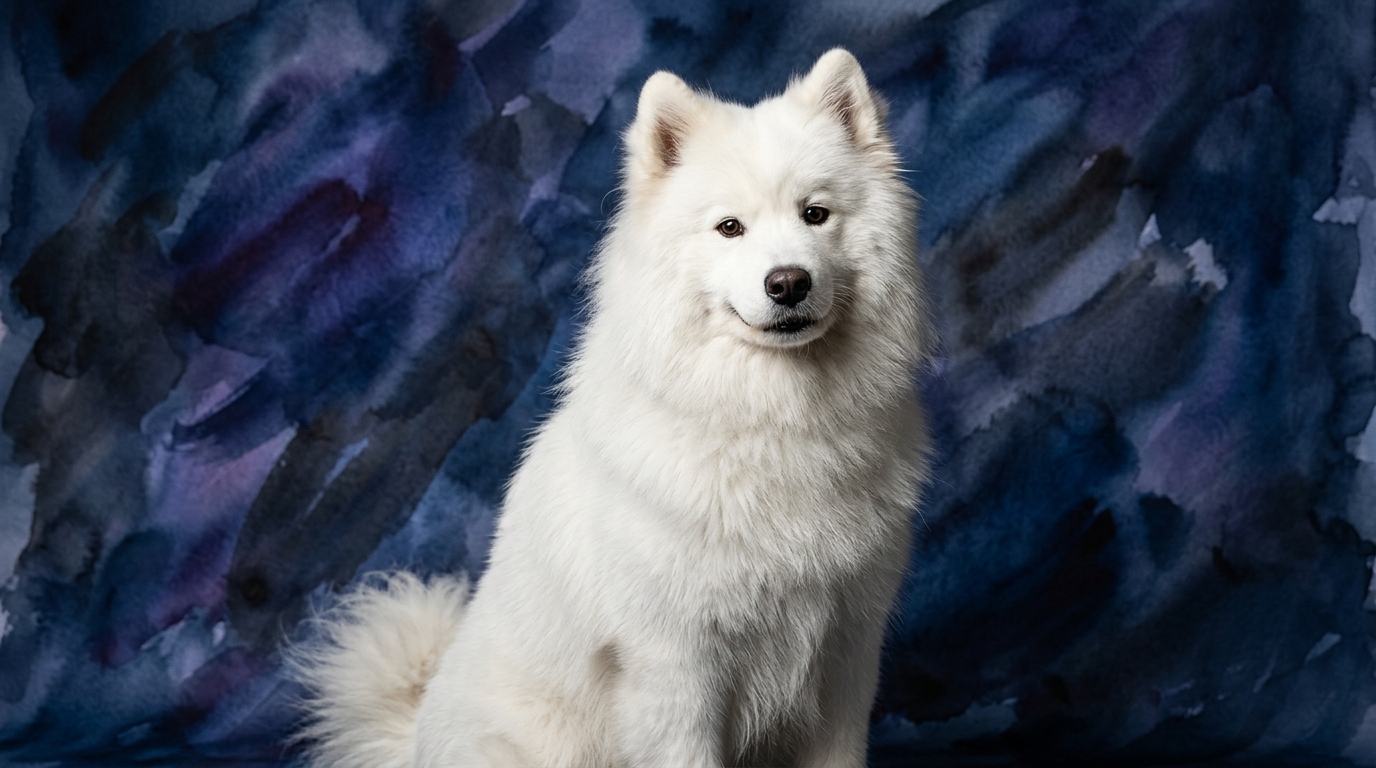

Side-by-Side Cognitive Profiles
The Cosmic Pet Pet IQ Lab's framework provides a detailed lens through which to examine these two magnificent breeds. The Samoyed, ranking 33rd on the Coren scale, presents a profile marked by balanced problem-solving (3/5), moderate training speed (3/5), exceptional social intelligence (5/5), strong instinctive drive (4/5), and average memory (3/5). This combination points to a dog that engages deeply with its human companions and possesses an inherent drive for purposeful activity.
In contrast, the Mastiff, positioned at 72nd on the Coren scale, demonstrates a consistent profile across the board: problem-solving (3/5), training speed (3/5), social intelligence (3/5), instinctive drive (3/5), and memory (3/5). This suggests a more measured and less overtly driven cognitive style, reflecting their historical role as guardians who observe and act with deliberate intent rather than constant engagement. While their scores are generally lower than the Samoyed's, it's crucial to understand these numbers represent different forms of cognitive strength, not a deficit.
Where the Samoyed Shines Cognitively
The Samoyed's most prominent cognitive advantage lies in its remarkable social intelligence, rated a perfect 5 out of 5. This score indicates an unparalleled ability to read human cues, understand social dynamics, and integrate seamlessly into a family unit. A Samoyed often anticipates owner moods, responds keenly to subtle body language, and actively seeks interaction, making them incredibly empathetic and connected companions. Their 'Sammy smile' is not just a facial feature but an expression of their profound social engagement, reflecting their desire to communicate and participate.
Furthermore, their robust instinctive drive (4/5) gives Samoyeds a significant edge in purposeful activity. Bred for herding reindeer and pulling sleds in harsh environments, they possess an innate motivation for tasks. This drive translates into a need for mental and physical engagement, often manifesting as enthusiasm for dog sports like agility, canicross, or even complex trick training. Owners will observe their Samoyed actively seeking opportunities to 'work' or engage their minds, a clear reflection of their higher internal motivation compared to many breeds.
Where the Mastiff's Cognition Excels
While the Mastiff's cognitive scores are generally more moderate, their strengths lie in a different, equally valuable domain: a profound sense of calm, discernment, and unwavering loyalty. Their problem-solving and memory scores (both 3/5) match the Samoyed, indicating an equal capacity to learn and adapt, albeit through a different motivational lens. The Mastiff's cognitive excellence is often expressed through their patient watchfulness and ability to assess situations before reacting, a hallmark of a guardian breed.
The Mastiff's moderate instinctive drive (3/5) and social intelligence (3/5) can be interpreted as a cognitive win for owners seeking a less demanding, more independent companion. Unlike the Samoyed's constant need for engagement, a Mastiff is often content to be a calm presence, observing their surroundings with a quiet dignity. Their cognitive strength is in their steadfastness; they are less prone to separation anxiety or needing constant validation, instead offering a profound, stable companionship that values peaceful coexistence and a discerning judgment of their environment. This steady, unexcitable temperament requires a specific type of cognitive processing, prioritizing calm assessment over impulsive action.
Training Dynamics: Samoyed vs. Mastiff
Both breeds share a training speed score of 3/5, suggesting neither is inherently 'easy' nor 'difficult' to train, but rather require consistent, informed approaches. For the Samoyed, their high social intelligence (5/5) means they are highly receptive to positive reinforcement and eager to please their human companions. However, their strong instinctive drive (4/5) and independent problem-solving (3/5) can sometimes lead to what owners perceive as stubbornness. If a Samoyed doesn't see the purpose of a command or prefers its own agenda, its independent streak may surface, requiring patience and creative motivation to maintain engagement. Their propensity for vocalization also means training includes teaching appropriate communication.
The Mastiff, with its moderate social intelligence (3/5) and instinctive drive (3/5), often requires a more patient and repetitive training approach. They are less likely to be intrinsically motivated by social praise alone and may respond better to tangible rewards or a clear understanding of the task's utility. Their sheer size necessitates early and consistent socialization and obedience training, but their calm demeanor can be an asset, as they are less prone to impulsive outbursts. While they may take longer to master a command, once learned, a Mastiff's understanding is often deeply ingrained due to their solid memory (3/5). The key for both is consistency, clear communication, and positive reinforcement, tailoring the motivation to their unique cognitive profiles.
Matching Breeds to Lifestyles: Active vs. Relaxed Owners
For owners with an active lifestyle, the Samoyed is an exceptionally fitting choice. Their elevated instinctive drive (4/5) means they thrive on consistent physical and mental stimulation. These dogs are happiest when engaged in activities that challenge their minds and bodies, whether it's long hikes, dog sports, or interactive puzzle toys. Their high social intelligence also means they genuinely enjoy being an integral part of all family adventures, making them ideal companions for those who love to share their dynamic life with a canine partner. A bored Samoyed can invent its own, often less desirable, forms of entertainment.
Conversely, the Mastiff is a superb match for more relaxed owners who appreciate a calm, steadfast presence. While daily, moderate exercise is necessary, their lower instinctive drive (3/5) means they are generally content with a leisurely walk and ample time to lounge comfortably at home. Their less demanding social intelligence (3/5) means they offer profound loyalty without requiring constant interaction or intense play sessions. Owners who value a quiet, watchful companion, capable of deep affection but without the need for constant activity or engagement, will find the Mastiff's measured temperament perfectly suited to their pace of life.
The Verdict
Choose the Samoyed if you seek an effusive, highly social companion eager to participate in an active lifestyle, thriving on mental and physical challenges.
Opt for the Mastiff if you prefer a calm, discerning guardian offering steady companionship and profound loyalty, content with moderate activity and a peaceful home environment.
🧠 Find Your Pet's IQ Score
Our Pet IQ Lab assessment covers 25+ tests across 5 cognitive dimensions — personalized to your breed.
Take the Full IQ Test →Frequently Asked Questions
Does a Samoyed's 'problem-solving' score mean they are independent thinkers?
Yes, a Samoyed's 3/5 problem-solving score indicates they possess a moderate capacity for independent thought. This means they can devise solutions to challenges, which can be an asset in tasks but might also lead to creative ways of getting their own way during training if not properly guided.
How does a Mastiff's 'social intelligence' rating affect their family interactions?
A Mastiff's 3/5 social intelligence suggests they are responsive to family members but may not be as overtly expressive or constantly seeking interaction as some other breeds. They form deep bonds and are loyal, but their affection is often demonstrated through a calm, watchful presence rather than constant demands for attention.
Are Samoyeds or Mastiffs more prone to destructive behaviors if not mentally stimulated?
The Samoyed, with its higher instinctive drive (4/5) and social intelligence (5/5), is generally more prone to developing destructive behaviors like excessive barking or chewing if not provided with adequate mental and physical stimulation. A Mastiff's lower drive (3/5) means they are less likely to become destructive purely out of boredom, though any dog can develop issues without proper care.