Side-by-Side IQ Profile: Samoyed vs. Miniature Poodle
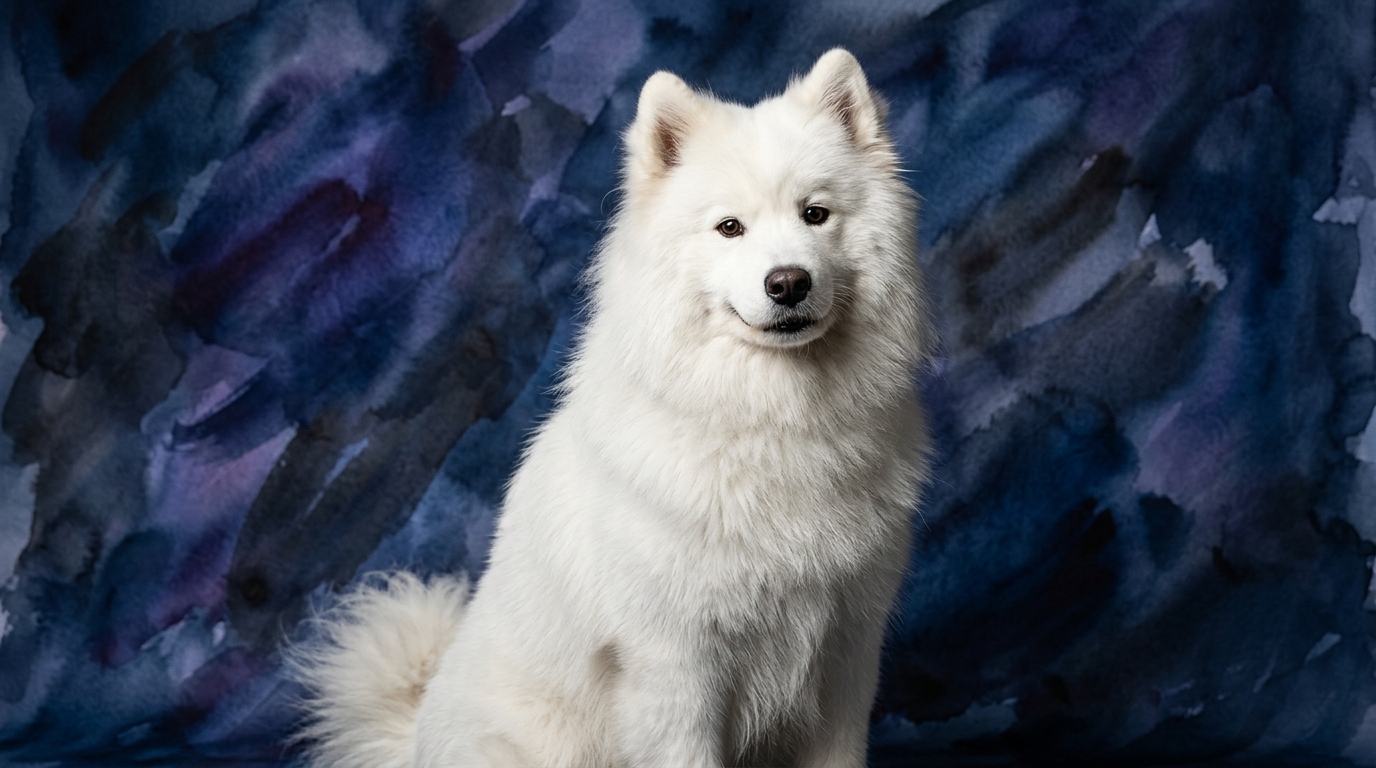
For the Samoyed, ranked #33 by Coren, their cognitive profile reveals distinct strengths. Their 3/5 problem-solving suggests a moderate capacity for independent thought, while a 3/5 training speed means consistent repetition is key for learning new commands. A perfect 5/5 in social intelligence highlights their deep understanding of human cues, fostering strong, empathetic bonds. Their 4/5 instinctive drive reflects a robust inclination for ancestral working tasks, like pulling. Finally, their 3/5 memory implies adequate but not immediate recall of learned information.
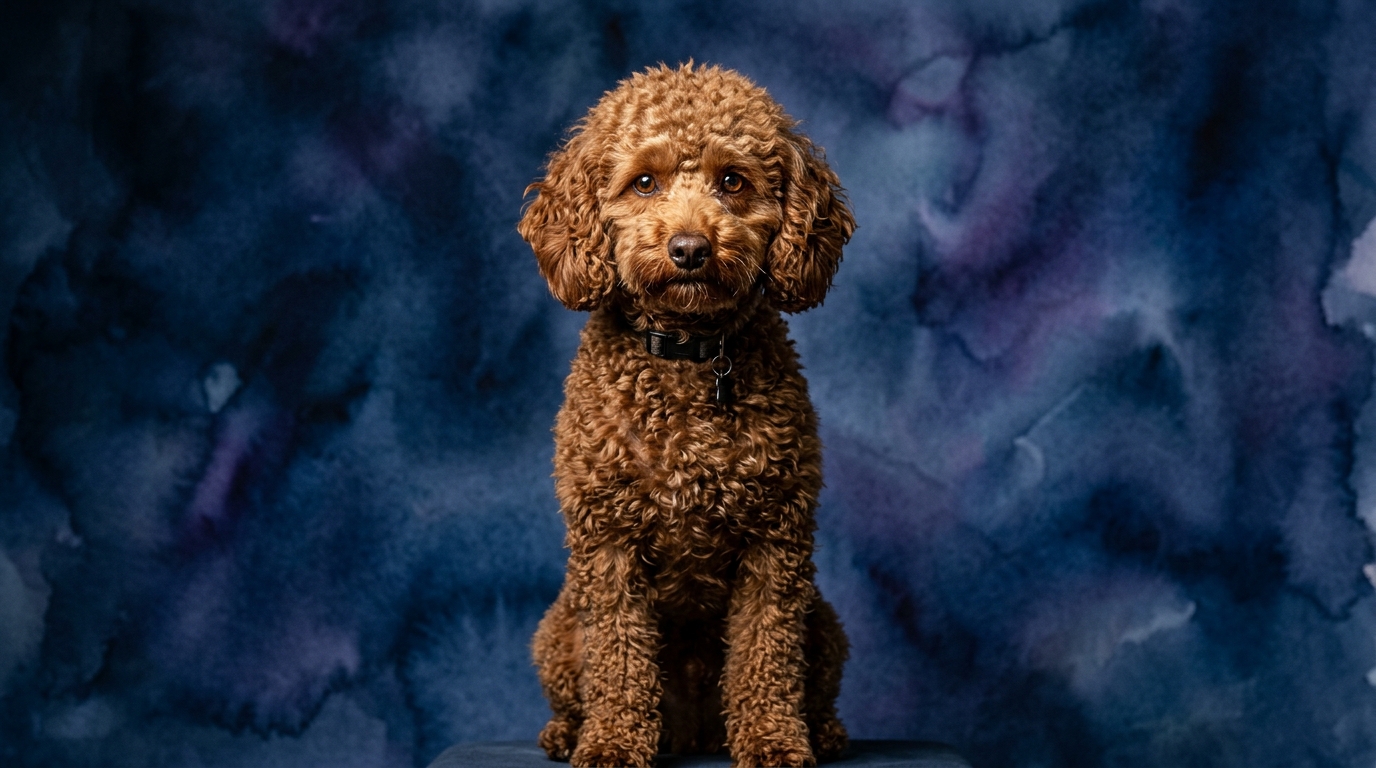
The Miniature Poodle, holding an impressive Coren rank of #2, presents a different cognitive landscape. A remarkable 5/5 in problem-solving demonstrates their capacity to devise independent solutions to novel challenges. This is paired with an exceptional 5/5 training speed, allowing for rapid learning and command acquisition. Their 3/5 social intelligence indicates they understand human cues but are often less overtly people-focused than a Samoyed, preferring to engage more on their own terms. A moderate 3/5 instinctive drive is highly adaptable, complemented by an outstanding 5/5 memory for retaining information long-term.
Where the Samoyed Wins Cognitively
The Samoyed’s cognitive strengths shine particularly bright in areas demanding interpersonal connection and inherent drive. Their perfect 5/5 score in social intelligence means they possess an unparalleled capacity to attune to human emotions, intentions, and social dynamics. This isn't just about being friendly; it's about a deep, intuitive understanding of their human companions, making them exceptional emotional support animals or family members who naturally comfort and respond to moods. This social acumen allows them to navigate complex household dynamics with grace. Furthermore, their 4/5 instinctive drive, rooted in centuries of working alongside humans in harsh Arctic conditions, gives them a robust sense of purpose and a strong inclination towards tasks involving cooperation, such as pulling sleds or participating in outdoor adventures. This drive represents a powerful internal motivation that, when channeled appropriately, can make them incredibly dedicated partners in activities requiring endurance and teamwork.
Where the Miniature Poodle Wins Cognitively
The Miniature Poodle truly stands out in dimensions related to rapid learning, complex problem-solving, and robust memory. Their 5/5 score in problem-solving indicates a dog that isn't just reactive but actively thinks through novel challenges, figuring out how to open gates, retrieve hidden toys, or even manipulate objects to achieve a desired outcome. This cognitive agility means they thrive on mental puzzles and can become bored without sufficient intellectual stimulation. Coupled with a perfect 5/5 in training speed, the Miniature Poodle absorbs new commands and routines with impressive swiftness, often requiring only a few repetitions to master a new behavior. This makes them highly adaptable to various dog sports, complex trick training, or service roles. Their memory, also a perfect 5/5, ensures that these learned skills and solutions are retained for extended periods, minimizing the need for constant refreshers. They recall past experiences, successful strategies, and even specific locations or people with remarkable clarity, contributing to their consistent reliability.
Which Is Easier to Train and Why
When considering ease of training, the Miniature Poodle generally presents a more straightforward experience, primarily due to their exceptional 5/5 training speed, 5/5 problem-solving, and 5/5 memory. They rapidly connect actions with consequences, quickly grasping what is expected of them and retaining that information. For instance, teaching a Miniature Poodle to "stay" will likely involve fewer repetitions and a faster progression to longer durations and distractions compared to a Samoyed. Their problem-solving prowess means they are often trying to figure out the "game" of training, actively seeking the correct response rather than passively waiting for instruction. The Samoyed, with a 3/5 training speed and 3/5 memory, requires more patience and consistent repetition. While they are highly social (5/5), which makes them eager to please their human companions, their 4/5 instinctive drive can sometimes redirect their focus. A Samoyed might be more inclined to follow an interesting scent or observe social interactions than to immediately comply with a command if their innate drives are stronger in that moment. Training a Samoyed often means leveraging their social bond and channeling their working drive, whereas training a Miniature Poodle often means challenging their intellectual capacity.
Which Suits Active Owners vs. Relaxed Owners
Determining suitability for active versus relaxed owners involves considering both physical energy and cognitive engagement. The Samoyed, originating as a working breed, possesses a robust 4/5 instinctive drive and requires consistent physical exertion to prevent boredom and destructive behaviors. They thrive with active owners who enjoy outdoor adventures like hiking, jogging, or even sledding, channeling their natural pulling instincts. Their high social intelligence (5/5) means they also crave companionship during these activities, making them excellent partners for shared experiences. A relaxed owner might struggle to meet a Samoyed's need for physical outlets, potentially leading to a dog that invents its own, less desirable, forms of activity. In contrast, while often perceived as less physically demanding than a Samoyed, the Miniature Poodle is far from a sedentary lapdog. Their 5/5 problem-solving and 5/5 memory mean they require significant mental stimulation. An active owner for a Miniature Poodle might engage in agility, obedience trials, or complex trick training, providing the intellectual challenge they crave. A relaxed owner could suit a Miniature Poodle if they are committed to daily puzzle toys, training sessions, and varied environments, even if the physical exercise is moderate. For both breeds, mental engagement is crucial, but the Samoyed's strong instinctive drive leans towards physically active, cooperative pursuits, while the Miniature Poodle's superior cognitive processing thrives on intellectual challenges and learning.
The Verdict
Choose a Samoyed if you seek a deeply socially intelligent companion for cooperative physical adventures and are prepared for consistent training to channel their working drives.
Opt for a Miniature Poodle if you desire a highly trainable, problem-solving partner who excels in learning complex tasks and thrives on intellectual challenges in various settings.
🧠 Find Your Pet's IQ Score
Our Pet IQ Lab assessment covers 25+ tests across 5 cognitive dimensions — personalized to your breed.
Take the Full IQ Test →Frequently Asked Questions
Does a Samoyed's high social intelligence make them easier to train in some aspects?
While their 5/5 social intelligence makes Samoyeds attuned to human intentions, their 3/5 training speed and strong instinctive drives mean consistency is crucial. This social understanding can motivate them, but patience is required to channel their independent nature effectively.
How does the Miniature Poodle's memory impact their daily behavior?
A Miniature Poodle's 5/5 memory ensures they recall commands, routines, and experiences with remarkable clarity, leading to consistent learned behaviors. This also means they remember both positive and negative training interactions, emphasizing the importance of clear, positive reinforcement.
Can a Samoyed excel in dog sports despite a lower training speed score?
Absolutely. While their 3/5 training speed means a longer learning curve, a Samoyed's 4/5 instinctive drive and high social intelligence make them dedicated partners. With engaging, consistent training that taps into their working nature, they can certainly achieve success in various dog sports.