Side-by-Side Cognitive Profiles
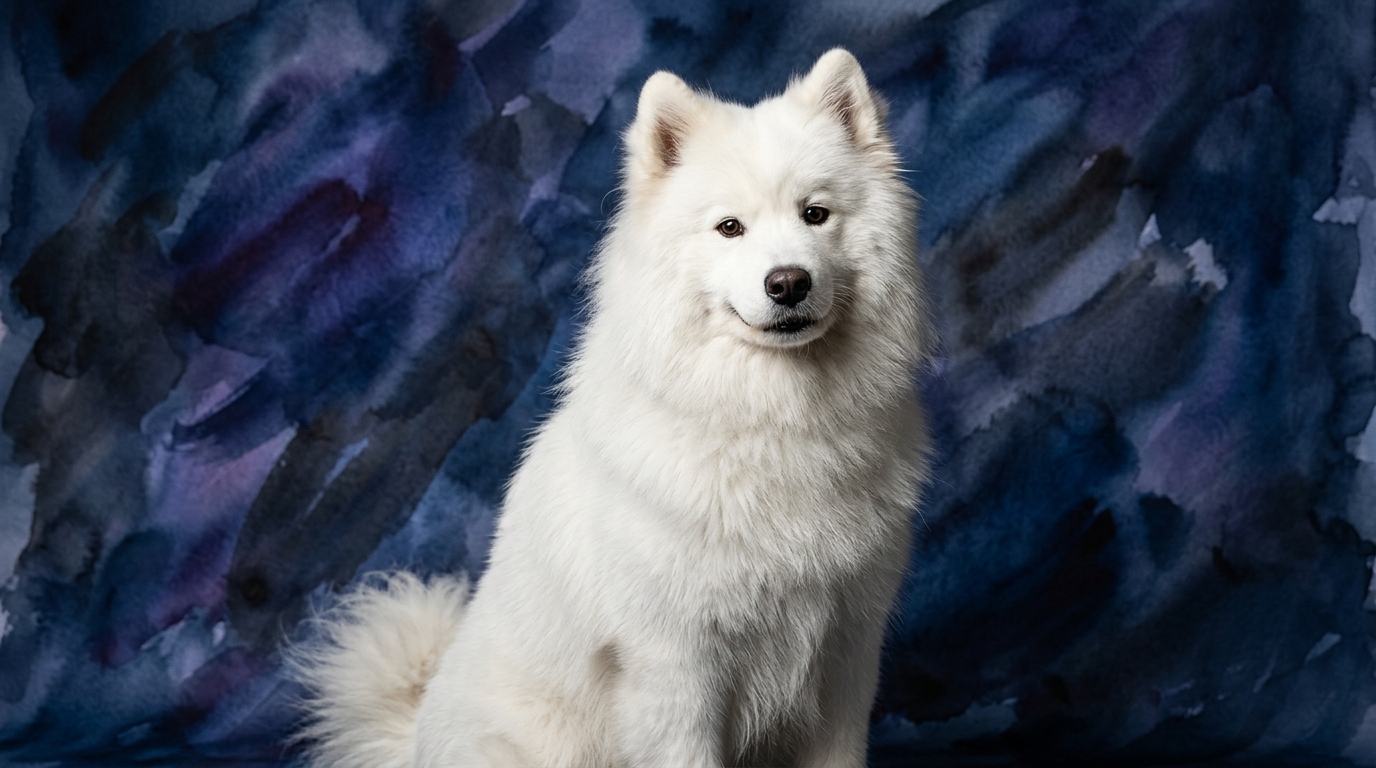
The Samoyed, a breed traditionally employed for herding reindeer, pulling sleds, and providing companionship in harsh Arctic conditions, exhibits a cognitive profile reflecting these versatile demands. Their problem-solving ability scores a 3 out of 5, indicating a capacity to navigate novel situations without being overly complex in their solutions. Training speed is also rated 3 out of 5, suggesting they can grasp new commands at a moderate pace, but consistent reinforcement is key. Where the Samoyed truly shines is in social intelligence, earning a perfect 5 out of 5; this reflects their profound ability to understand human cues, cooperate, and form strong bonds. Their instinctive drive, rated 4 out of 5, speaks to their inherent motivation for tasks like pulling or herding, while memory sits at a solid 3 out of 5, allowing them to retain learned behaviors and routines effectively. This breed ranks #33 in Coren's intelligence scale, a testament to their balanced cognitive toolkit.
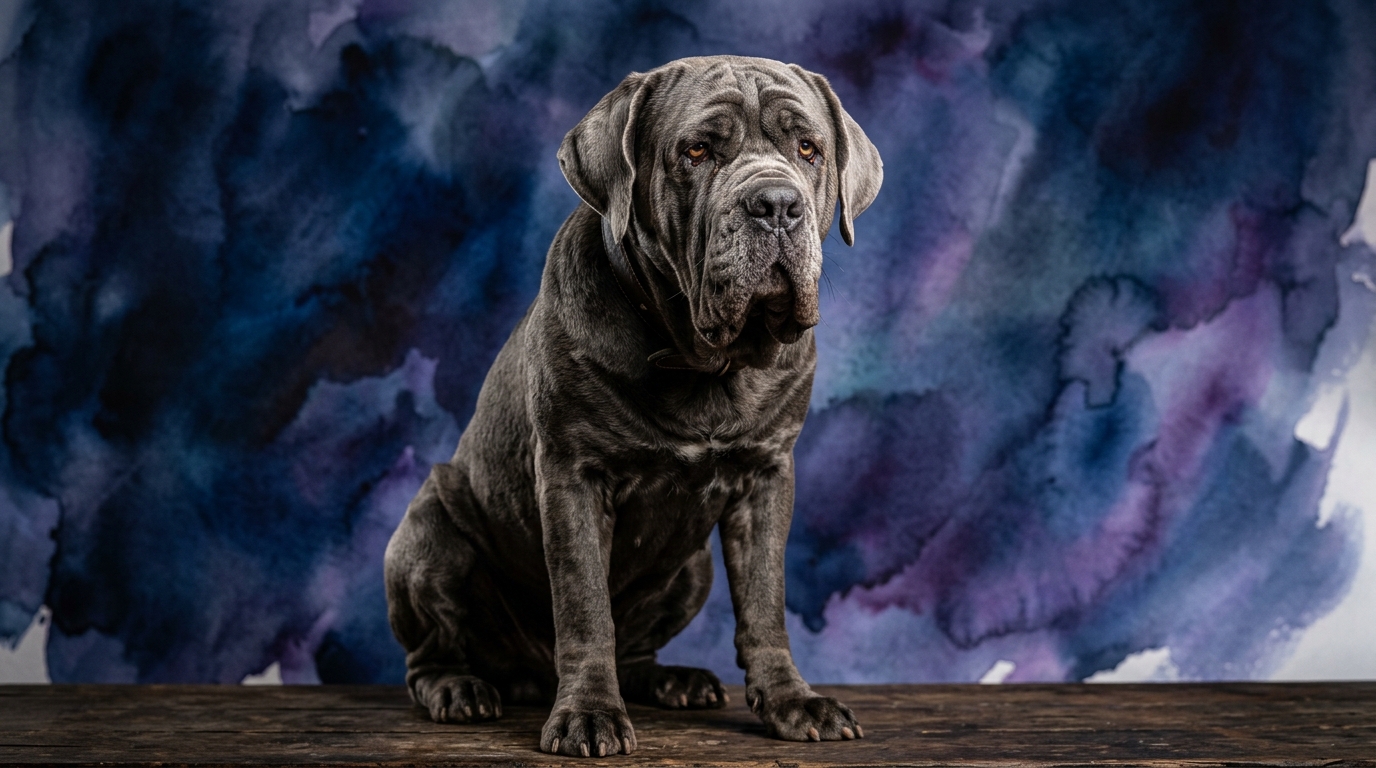
In contrast, the Neapolitan Mastiff, a breed whose lineage stretches back to ancient Roman war dogs and estate guardians, presents a different cognitive emphasis. Their problem-solving ability also scores a 3 out of 5, indicating they can assess and react to situations but may not seek out intricate mental challenges. Similarly, training speed is a 3 out of 5, meaning they learn at a comparable pace to the Samoyed but might require different motivational strategies due to their independent nature. Their social intelligence, however, is rated 3 out of 5, suggesting a more reserved and less universally cooperative demeanor, often preferring the company of their immediate family. Instinctive drive, also 3 out of 5, is primarily channeled into guarding and protection, manifesting as vigilance rather than a drive for active tasks. Memory, like the Samoyed, scores a 3 out of 5, allowing them to recall important information about their environment and routines. The Neapolitan Mastiff is not ranked on Coren's intelligence scale, underscoring their distinct, often more specialized, cognitive approach.
Where the Samoyed Excels Cognitively
The Samoyed's most striking cognitive advantage lies in its exceptional social intelligence, scoring a perfect 5 out of 5. This translates into an innate ability to read and respond to human emotions and intentions, fostering a deeply cooperative and empathetic relationship with their family. This high social IQ makes them incredibly attuned to their owners, often anticipating needs or seeking interaction, which is a significant asset in complex household dynamics or therapy work. Furthermore, their instinctive drive, at 4 out of 5, is geared towards partnership in tasks, whether it's pulling a sled or participating in agility. This drive is often expressed as an eagerness to engage in activities with their human companions, making them highly motivated partners in various endeavors.
While their problem-solving and training speed scores are on par with the Neapolitan Mastiff, the Samoyed's superior social intelligence often enhances these other cognitive functions. Their willingness to engage and understand human direction can make problem-solving a collaborative effort, and their desire to please can accelerate the application of learned behaviors, even with a moderate training speed. This blend of social acumen and cooperative drive allows Samoyeds to integrate seamlessly into family life, making them responsive and adaptable companions in a way that is distinctly different from their Mastiff counterpart.
Where the Neapolitan Mastiff's Cognition Shines
While the Neapolitan Mastiff's scores may not reach the Samoyed's peak in every category, their cognitive profile is uniquely suited to their historical purpose, making them excel in distinct ways. Their problem-solving ability, rated 3 out of 5, is effectively deployed in assessing potential threats and making independent judgments within their territory. This isn't about solving puzzles for human entertainment, but about discerning intruders from friends, a critical application of intelligence for a guardian breed.
The Neapolitan Mastiff's lower social intelligence (3 out of 5) is not a deficit but an asset in their primary role. This trait contributes to their reserved nature with strangers and their deep, but often singular, loyalty to their immediate family, preventing them from being easily distracted or overly friendly with outsiders. Their instinctive drive, also 3 out of 5, is powerfully focused on territorial protection and vigilance. This manifests as a calm, watchful presence, with an underlying readiness to act when necessary, rather than a broad desire for varied activities. This focused drive, combined with their problem-solving in a guardian context, allows them to be effective, independent protectors who don't necessarily require constant human instruction to perform their duties.
Trainability: Samoyed's Eagerness vs. Mastiff's Deliberation
When it comes to training, the Samoyed generally presents a more eager and cooperative student, largely due to their high social intelligence (5/5). They are motivated by human interaction and praise, often thriving on the opportunity to work alongside their owners. While their training speed is a moderate 3/5, their strong desire to please and their cooperative instinctive drive (4/5) mean they are generally receptive to learning and consistent in applying what they've learned. They respond well to positive reinforcement and clear communication, making the training process a bonding experience.
The Neapolitan Mastiff, with a social intelligence of 3/5 and an instinctive drive of 3/5, approaches training with a different mindset. They are capable of learning, as indicated by their 3/5 training speed, but their independent and sometimes stubborn nature requires a patient, consistent, and firm approach. They are less likely to perform simply to please and often need to understand the 'why' behind a command or perceive a clear benefit. Their motivation is often internal or driven by their protective instincts. Early socialization and consistent boundary setting are crucial to channel their formidable presence into well-mannered behavior, but owners should be prepared for a more deliberate learning curve compared to the Samoyed's generally more enthusiastic participation.
Lifestyle Suitability: Active Companionship vs. Calm Vigilance
For active owners seeking a dynamic companion, the Samoyed is often the more fitting choice. Their 4/5 instinctive drive for tasks like pulling and their overall cheerful disposition mean they thrive on regular exercise and mental engagement. They enjoy activities such as hiking, jogging, or dog sports, and their high social intelligence makes them excellent partners for shared adventures. They integrate well into family activities and generally enjoy being at the center of attention, making them ideal for households that prioritize interactive companionship and outdoor pursuits.
Conversely, the Neapolitan Mastiff is better suited for more relaxed owners who appreciate a calm, dignified presence and strong protective instincts. While they require regular, moderate exercise to maintain health, their instinctive drive (3/5) is not geared towards high-energy activities but rather patrolling and observing their territory. Their lower social intelligence means they are often content to be near their family rather than constantly seeking active engagement. They are excellent for owners who desire a loyal, watchful guardian and appreciate a dog with a more independent and reserved demeanor, often preferring quiet companionship over boisterous play.
The Verdict
Choose the Samoyed if you seek an active, highly social, and cooperative companion eager to participate in family life and outdoor adventures.
Opt for the Neapolitan Mastiff if you desire a calm, independent, and supremely loyal guardian whose cognitive strengths lie in discernment and protection.
🧠 Find Your Pet's IQ Score
Our Pet IQ Lab assessment covers 25+ tests across 5 cognitive dimensions — personalized to your breed.
Take the Full IQ Test →Frequently Asked Questions
Is the Samoyed truly more trainable than the Neapolitan Mastiff?
While both breeds have a 3/5 training speed, the Samoyed's 5/5 social intelligence and 4/5 instinctive drive make them generally more receptive and eager to please during training sessions. The Neapolitan Mastiff's independence means they require more patience and consistent motivation, often needing a clear purpose to comply.
How does social intelligence impact their interaction with strangers?
A Samoyed's 5/5 social intelligence means they are typically friendly and outgoing with strangers, often seeking attention and interaction. A Neapolitan Mastiff's 3/5 social intelligence, combined with their guardian instincts, results in a more reserved, watchful, and sometimes aloof demeanor towards those outside their immediate family, which is intentional for their protective role.
Do these breeds require different types of mental stimulation?
Yes, their cognitive profiles suggest different needs. Samoyeds thrive on interactive games, puzzle toys that involve problem-solving with human guidance, and learning new commands. Neapolitan Mastiffs benefit from environmental enrichment, opportunities to observe their surroundings, and training that reinforces their protective duties or provides a clear, practical purpose.