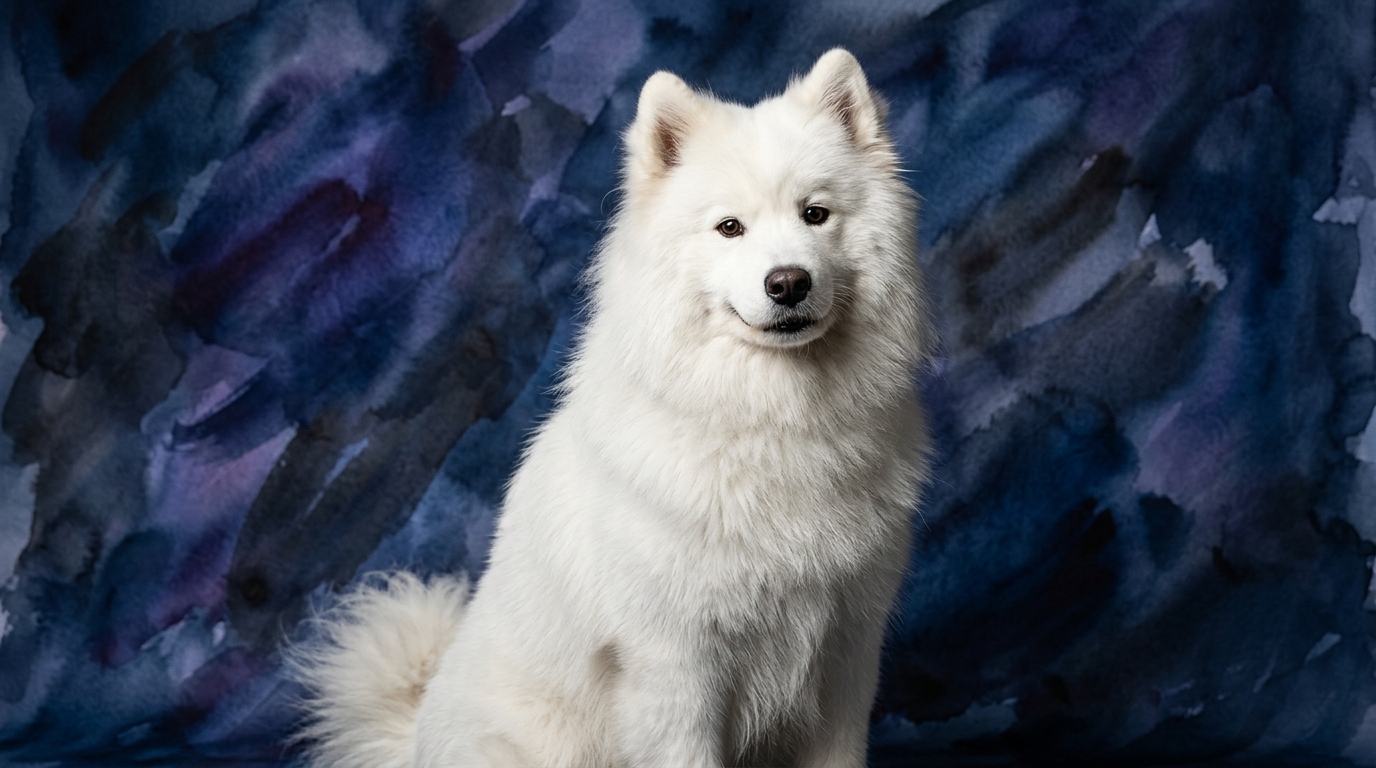
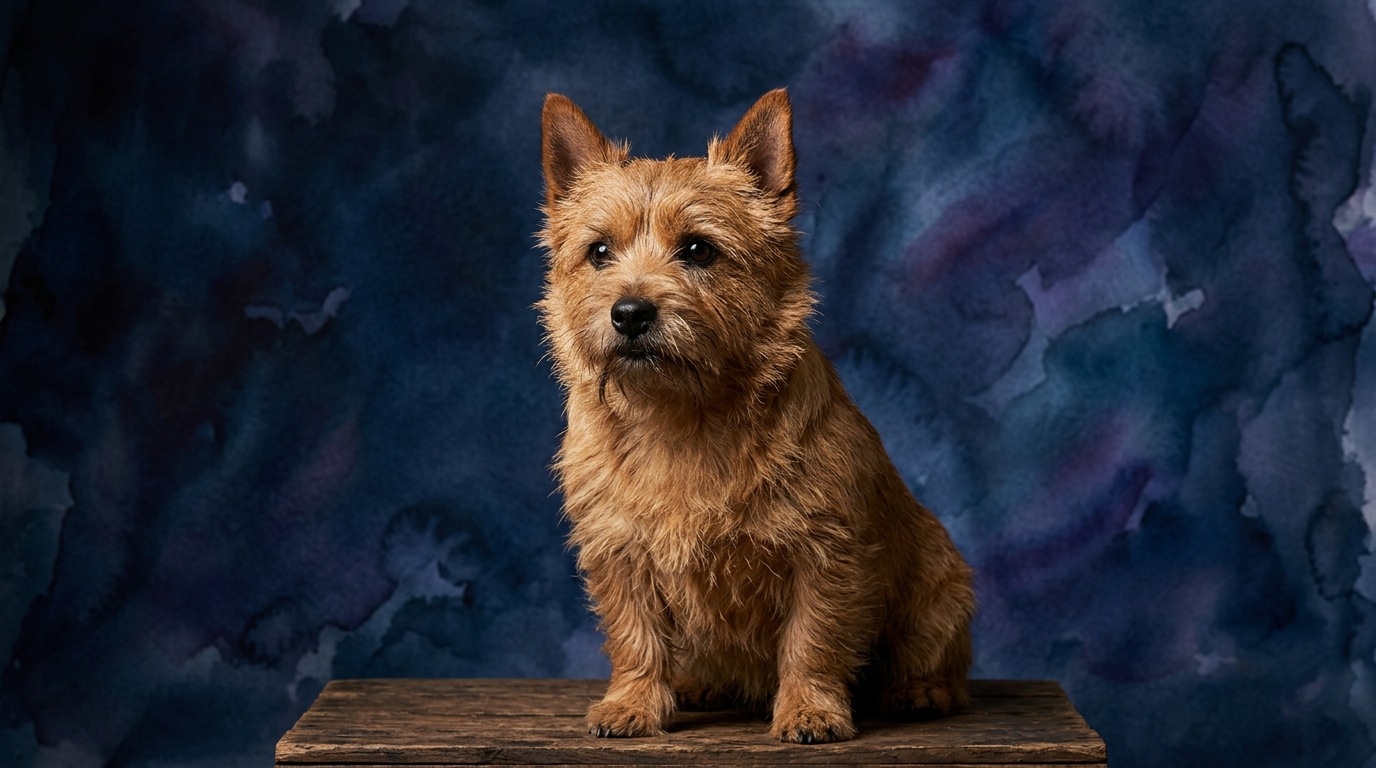
Side-by-Side Cognitive Profiles
At The Cosmic Pet Pet IQ Lab, we analyze canine intelligence across five critical dimensions, providing a granular view of how different breeds process the world. For the Samoyed, a breed historically tasked with demanding work alongside humans, we observe a Coren rank of #33, indicating a solid capacity for understanding and executing new commands.
The Samoyed's cognitive breakdown reveals a Problem Solving score of 3/5, meaning they are capable of navigating puzzles and challenges, though they often benefit from human guidance rather than purely independent strategizing. Their Training Speed also stands at 3/5, suggesting they respond well to consistent, positive reinforcement, absorbing new information at a steady pace. Where the Samoyed truly excels is in Social Intelligence, scoring a remarkable 5/5; these dogs are exceptionally attuned to human emotions and intentions, thriving on interaction and collaborative effort. Their Instinctive Drive is strong at 4/5, reflecting an innate desire for purposeful activity, often related to their working heritage, while their Memory is a respectable 3/5, allowing them to retain learned behaviors and experiences effectively.
In contrast, the Norwich Terrier, a tenacious terrier breed, does not appear on Coren's ranking, which suggests a different emphasis in their historical roles and a varied approach to learning. Their Problem Solving ability is rated at 3/5, on par with the Samoyed, but often manifested through persistent, independent investigation rather than collaborative effort. Similarly, their Training Speed is 3/5, indicating they can learn, though their independent nature means engagement might require more creative motivation and patience from their trainer.
The Norwich Terrier's Social Intelligence is 3/5, signifying that while they appreciate companionship, they are less driven by human approval compared to the Samoyed and possess a more self-reliant social disposition. Their Instinctive Drive is 3/5, typically focused on specific terrier tasks like hunting and digging, rather than broad collaborative working roles. Their Memory score of 3/5 aligns with the Samoyed, indicating a similar capacity for retaining information over time.
Where the Samoyed's Cognition Shines
The Samoyed's cognitive profile reveals distinct strengths, primarily in their exceptional Social Intelligence (5/5) and robust Instinctive Drive (4/5). Their unparalleled social acumen means they are not just capable of understanding commands, but are also deeply empathetic and perceptive, often reading human cues with remarkable accuracy. This translates to an intuitive grasp of household dynamics, allowing them to anticipate needs or moods and respond with genuine connection, making them outstanding therapy dogs or deeply integrated family members.
Furthermore, their strong instinctive drive, rooted in centuries of sled-pulling, herding, and guarding in harsh Arctic environments, means they possess an innate motivation for purposeful, collaborative activity. This isn't merely boundless energy; it's a cognitive drive to engage in structured tasks alongside their human companions, making them highly receptive to activities such as agility, obedience, or even advanced trick training where their cooperative spirit can genuinely flourish. Samoyeds thrive on having a 'job' and participating as an active, communicative partner, leveraging their vocalizations and body language to interact effectively within their 'pack'.
Unpacking the Norwich Terrier's Unique Cognitive Strengths
While the Norwich Terrier's raw scores might appear numerically similar or lower in some areas compared to the Samoyed, their cognitive strengths lie in a distinct and highly specialized approach to intelligence. Their Problem Solving score of 3/5, identical to the Samoyed, manifests differently; Norwich Terriers excel at independent, persistent problem-solving, particularly when it involves investigation, scent work, or navigating complex physical environments to achieve a self-directed goal, such as locating a hidden toy or 'prey.' Their cognitive prowess here is characterized by unwavering tenacity and an ability to devise solutions through trial-and-error, driven by an internal motivation rather than a desire for human partnership.
Their Social Intelligence score of 3/5, lower than the Samoyed's, isn't a cognitive deficit but rather an indicator of greater self-reliance. This means they are less prone to seeking constant human validation for every action, which can be a distinct cognitive advantage for owners who appreciate a companion that is robustly independent and capable of self-entertainment. This self-sufficiency allows them to be content with less constant human direction, making them cognitively strong in solitary exploration and focused tasks. Their Instinctive Drive of 3/5 is highly specialized towards their terrier heritage, driving them to pursue specific tasks like digging and chasing with an intense, unwavering focus that showcases a unique and formidable cognitive determination.
Training Dynamics: Samoyed vs. Norwich Terrier
The training experience with a Samoyed often feels like a collaborative journey, largely due to their exceptional Social Intelligence (5/5). They possess an inherent desire to please and work alongside their human, making them generally eager students. While their Training Speed is 3/5, requiring consistency and clear communication, their cooperative nature means they are often willing to try and respond positively to reinforcement. However, their strong instinctive drive (4/5) can sometimes lead to distractions, particularly if their natural inclinations for pulling or vocalizing are not channeled constructively; early socialization and positive reinforcement are key to harnessing their communicative nature and channeling their enthusiasm.
Training a Norwich Terrier, in contrast, often demands more creativity and patience, stemming from their greater independence and lower drive to please. With a Training Speed of 3/5 and Social Intelligence of 3/5, they are capable learners but are less inherently motivated by human approval. Trainers must find high-value rewards and make sessions feel like engaging games to maintain their focus, as repetitive drills can quickly lead to boredom or stubbornness. Their strong, focused instinctive drive (3/5) means recall in distracting environments can be a significant challenge, as their instinct to pursue a scent or perceived 'prey' often overrides other commands. Consistency, clear boundaries, and a sense of fun are paramount to successful Norwich Terrier training.
Matching Breeds to Lifestyles: Active vs. Relaxed Owners
For owners with an active lifestyle, the Samoyed is often an ideal match. Their high energy levels coupled with a strong instinctive drive (4/5) demand consistent physical and mental engagement. They thrive with owners who enjoy outdoor activities such as hiking, running, or dog sports, and who can provide structured 'jobs' that satisfy their innate desire to work collaboratively. Furthermore, their exceptional social intelligence means they are not content to be left alone for extended periods; they require active inclusion in family life and suffer if their social and mental needs are neglected, making them best suited for owners who integrate their dog into nearly all aspects of their daily routine.
The Norwich Terrier, while undeniably energetic, suits a different kind of owner. Their energy often manifests in shorter, spirited bursts rather than the sustained endurance of a Samoyed, requiring daily walks and focused playtime but not necessarily hours of continuous exercise. Their independent nature, a consequence of their 3/5 social intelligence, means they can be content with less constant human interaction, but this does not equate to a 'relaxed' need for mental stimulation. They require puzzle toys, scent games, and opportunities to satisfy their problem-solving drive and tenacious terrier instincts. They are well-suited for owners who appreciate a spirited companion for walks and indoor play, and who are prepared to provide firm, consistent guidance for their strong-willed personality, perhaps even engaging in earthdog trials or scent work that taps into their specialized drives.
The Verdict
Choose the Samoyed if you are seeking a highly social, collaborative, and empathetic companion eager to be a central part of family activities and participate in structured tasks. They thrive with owners who enjoy consistent training and outdoor adventures with their dog, valuing a deep, communicative bond.
Opt for the Norwich Terrier if you appreciate an independent, tenacious, and spirited companion with a focused drive for exploration and problem-solving, capable of self-entertainment while still enjoying companionship. This breed is best for those who value a dog with a strong personality and are prepared for consistent, creative training to harness their unique terrier traits.
🧠 Find Your Pet's IQ Score
Our Pet IQ Lab assessment covers 25+ tests across 5 cognitive dimensions — personalized to your breed.
Take the Full IQ Test →Frequently Asked Questions
Are Samoyeds 'smarter' than Norwich Terriers based on their IQ profiles?
While the Samoyed's Coren rank of #33 suggests a higher capacity for traditional obedience, our IQ breakdown shows both breeds have a Problem Solving and Training Speed of 3/5. The Samoyed excels in social intelligence, making them more collaborative, whereas the Norwich Terrier's intelligence shines in independent, tenacious problem-solving relevant to their terrier heritage.
Which breed is better suited for apartment living, considering their cognitive needs?
The Norwich Terrier is generally better suited for apartment living due to their smaller size and energy that comes in bursts, requiring less sustained outdoor exercise than the Samoyed. However, both breeds need regular mental stimulation to prevent boredom, with the Norwich benefiting from puzzle toys and independent games, while the Samoyed requires more collaborative activities and constant social inclusion to thrive in smaller spaces.
Do Samoyeds or Norwich Terriers bark more, relating to their communication styles?
Samoyeds are known for being quite vocal, using a range of barks, 'talks,' and 'Sammy smiles' to communicate, reflecting their high social intelligence and desire to interact, which might translate to more frequent vocalizations. Norwich Terriers, while not silent, tend to bark more specifically at perceived threats or during focused play, driven by their alert terrier instincts rather than a broad social communicative drive.