Side-by-Side IQ Profile: Samoyed vs. Pharaoh Hound
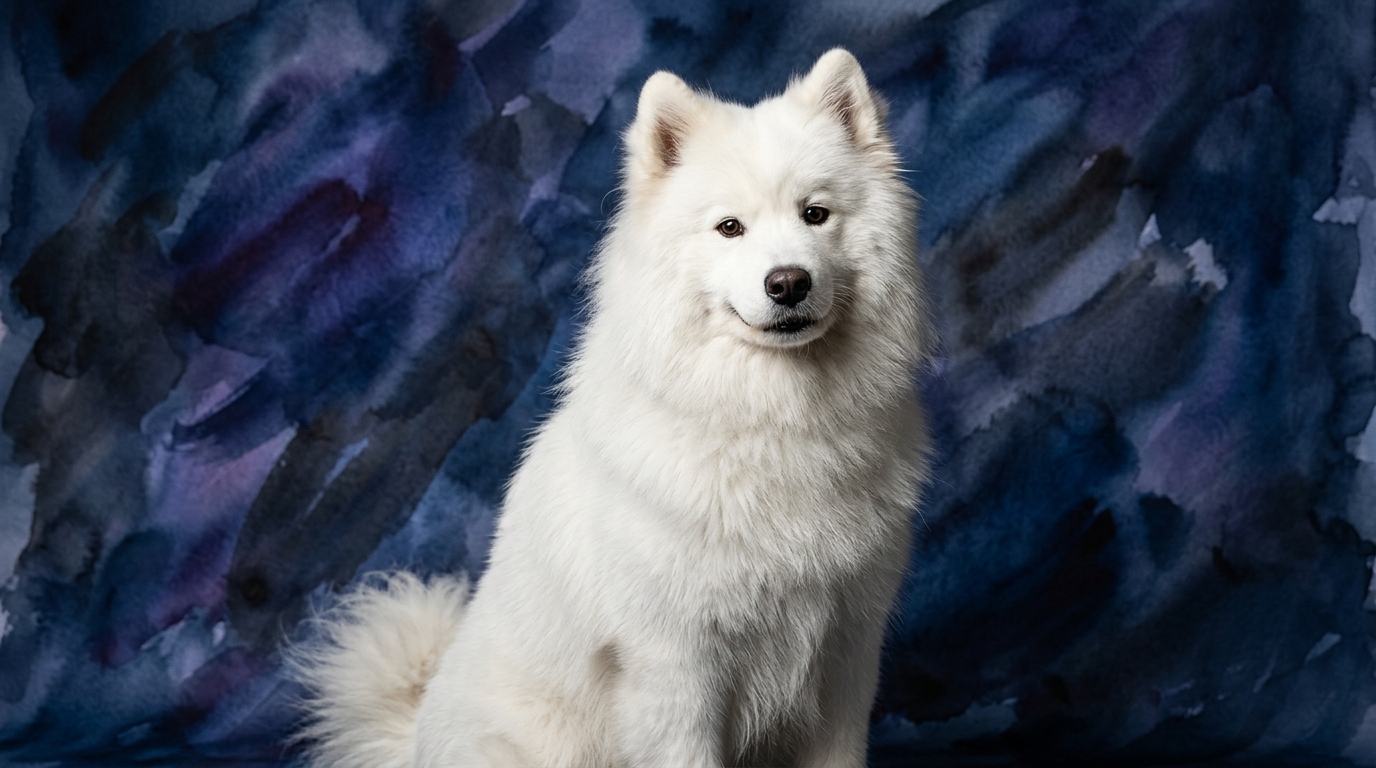
At The Cosmic Pet Pet IQ Lab, we assess canine intelligence across five key dimensions. For the Samoyed, a breed ranked #33 by Coren for working intelligence, their profile shows a balanced Problem Solving (3/5) and Training Speed (3/5), indicating a moderate capacity for independent thought and learning new commands. Their Social Intelligence truly stands out at an impressive 5/5, reflecting a strong inclination towards connection and understanding human cues. An Instinctive Drive of 4/5 highlights their inherent motivation for tasks, while Memory scores a solid 3/5, suggesting a reliable, though not exceptional, recall of experiences.
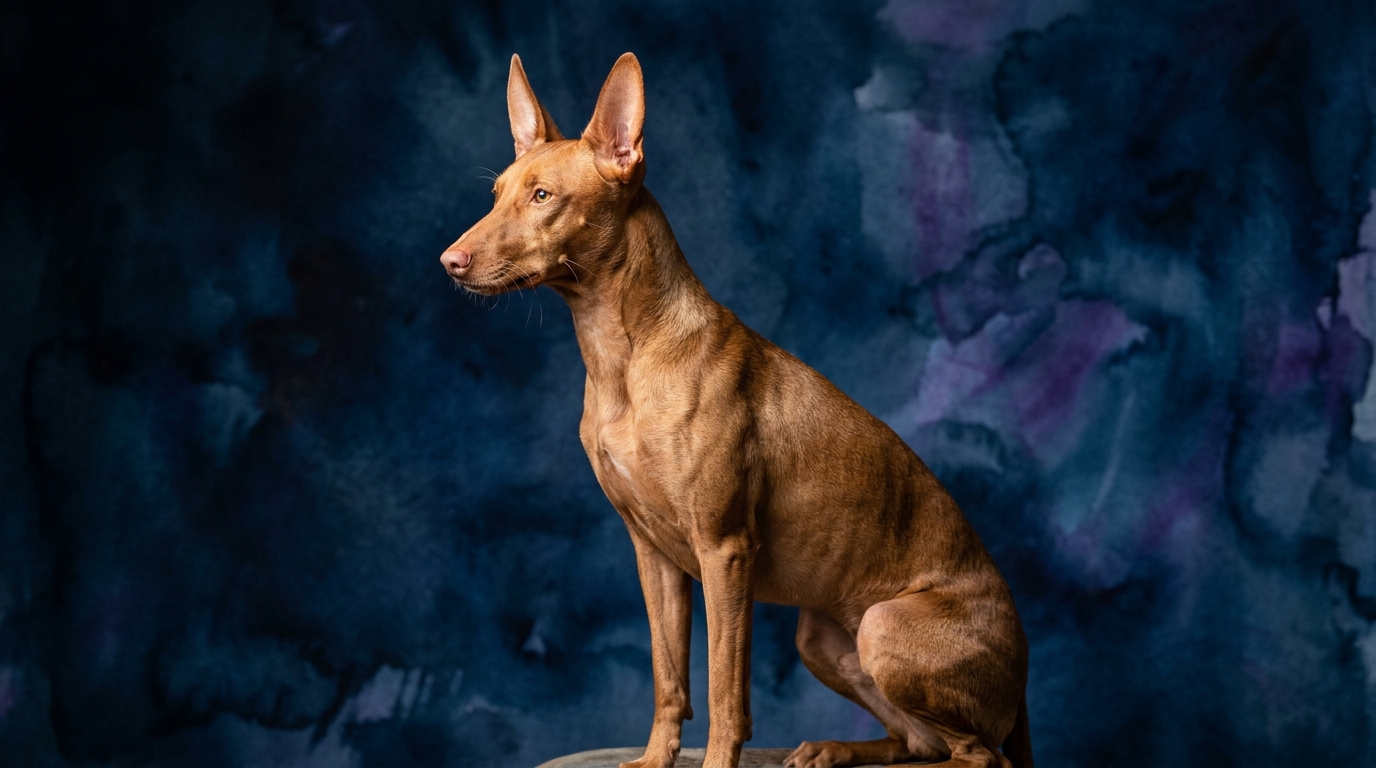
The Pharaoh Hound, a member of the Hound group and not Coren-ranked, presents a remarkably consistent cognitive profile. Across all five dimensions – Problem Solving, Training Speed, Social Intelligence, Instinctive Drive, and Memory – they score a uniform 3/5. This balanced assessment suggests a breed with consistent, moderate abilities in all areas, perhaps prioritizing self-reliance and ancient instincts over specialized cognitive strengths. Their scores point to a capable, self-sufficient dog that approaches challenges and social interactions with a steady, independent demeanor.
Where the Samoyed Shines Cognitively
The Samoyed’s cognitive strengths are most pronounced in areas related to social interaction and inherent motivation. With a Social Intelligence score of 5/5, the Samoyed demonstrates an exceptional ability to interpret human emotions, body language, and vocal tones. This isn't just about being friendly; it means they are remarkably attuned to their human companions, often anticipating needs or responding sensitively to mood shifts. This high social acumen makes them adept at cooperative tasks and deeply integrated into family dynamics, often seeking and thriving on interaction.
Furthermore, their Instinctive Drive of 4/5 indicates a strong internal motivation for activity and purpose. Originating as working dogs in harsh environments, this drive translates into a willingness to engage in tasks, pull sleds, or participate in demanding activities with enthusiasm. While their Problem Solving and Training Speed are moderate (3/5), this higher drive ensures they often apply themselves with vigor once a task is understood, making them persistent and dedicated partners in activities that resonate with their innate working spirit.
Where the Pharaoh Hound's Cognition Excels
While the Pharaoh Hound's uniform scores of 3/5 across all categories might not suggest a standout 'win' in a comparative sense against higher scores, their cognitive profile represents a unique strength in consistency and independent functionality. Their moderate Problem Solving (3/5) combined with a similar Training Speed (3/5) means they are capable of learning and adapting, but often on their own terms, processing information with a thoughtful, self-directed approach. This balanced cognitive structure reflects their ancient lineage as hunting hounds, where individual initiative and sustained focus were paramount.
The Pharaoh Hound's Instinctive Drive at 3/5, though lower than the Samoyed's, is perfectly suited to their original purpose: tracking and pursuing game with enduring stamina and minimal direct human intervention. This moderate drive, coupled with their consistent Memory (3/5), enables them to recall scents and routes reliably over long periods, maintaining focus without becoming overly reliant on constant external stimulation. Their cognitive evenness across the board allows them to operate effectively as self-contained units, making decisions based on their environment and internal compass rather than solely human direction.
Trainability: Samoyed's Eagerness vs. Pharaoh Hound's Independence
When it comes to trainability, both the Samoyed and the Pharaoh Hound share a Training Speed score of 3/5, suggesting they learn at a similar, moderate pace. However, the behavioral implications of their other cognitive scores create distinct training experiences. The Samoyed's exceptional Social Intelligence (5/5) means they are highly motivated by human interaction and praise. They typically enjoy the training process as a bonding activity, eager to please and respond to cues from their beloved companions. This strong social connection makes them generally more amenable to structured training sessions, even when the task itself is challenging. Their higher Instinctive Drive (4/5) also means they can be channeled into productive tasks with relative ease, provided the motivation is clear and consistent.
Conversely, the Pharaoh Hound’s consistent 3/5 across all categories, including Social Intelligence and Instinctive Drive, points to a more independent learner. While capable of understanding commands, their motivation often comes from within or from the inherent reward of the task, rather than a strong desire to please. Training a Pharaoh Hound requires patience, consistency, and often creative methods to engage their interest. They are less likely to perform simply because you asked, and more likely to comply if they see value or enjoyment in the activity. Their hunting instincts mean they can be easily distracted by scents or movement, requiring a highly secure training environment and a keen understanding of their independent nature.
Lifestyle Match: Active Engagement vs. Self-Directed Exploration
Choosing between a Samoyed and a Pharaoh Hound often comes down to an owner's lifestyle and their preferred level of interactive engagement. The Samoyed, with its high Social Intelligence (5/5) and robust Instinctive Drive (4/5), thrives with active owners who enjoy incorporating their dog into daily activities and providing consistent companionship. These dogs require regular mental stimulation and physical exercise that often involves their human family, such as long walks, dog sports, or even simply being part of family gatherings. They are not content to be left alone for extended periods and flourish in environments where their social needs are met through play, training, and affection.
The Pharaoh Hound, on the other hand, while still requiring significant physical exercise, is better suited for owners who appreciate a more self-directed companion. Their balanced 3/5 scores across the board suggest a dog that is capable and content with periods of independent activity, provided their exercise needs are met. They excel in environments where they can explore safely, perhaps with a large, securely fenced yard for running and scent tracking. While they enjoy human company, their social needs are often less intense than a Samoyed's, making them a good fit for owners who might not want a dog constantly seeking their attention, but who can provide ample opportunities for their hound to engage its natural instincts in a safe and stimulating manner.
The Verdict: When to Choose Each Breed
The Samoyed is an excellent choice for owners seeking a highly social, interactive companion eager to participate in family life and demanding activities, thriving on connection and cooperative tasks. Their cognitive profile makes them highly responsive to human companionship and a joyful presence in an engaged household.
The Pharaoh Hound suits owners who value independence and self-reliance in a canine partner, offering a steady, capable presence that appreciates opportunities for self-directed exploration and sustained physical activity without constant human oversight.
The Verdict
Choose a Samoyed if you desire a deeply social, cooperative companion who thrives on consistent interaction and shared activities, eager to please and participate in family life.
Opt for a Pharaoh Hound if you appreciate an independent, self-reliant dog with a consistent temperament, perfect for owners who can provide ample space for exploration and respect their thoughtful, self-directed nature.
🧠 Find Your Pet's IQ Score
Our Pet IQ Lab assessment covers 25+ tests across 5 cognitive dimensions — personalized to your breed.
Take the Full IQ Test →Frequently Asked Questions
Do Samoyeds or Pharaoh Hounds bark more?
Samoyeds are generally known for being more vocal, often emitting a range of sounds including barks, 'woo-woos,' and howls, especially when seeking attention or expressing excitement. Pharaoh Hounds tend to be less prone to excessive barking, typically reserving their voices for specific alerts or during active hunting.
Which breed is better with children?
The Samoyed's high Social Intelligence (5/5) often makes them naturally gentle and patient with children, thriving on being part of a family unit. The Pharaoh Hound, with its 3/5 Social Intelligence, can be good with children but may prefer a calmer interaction style and might not seek out playful engagement as readily as a Samoyed.
Are Samoyeds or Pharaoh Hounds easier to house-train?
Both breeds have a Training Speed of 3/5, suggesting moderate ease in house-training. However, the Samoyed's strong desire to please and bond with its owner can make them slightly more cooperative in adhering to house-training routines. Pharaoh Hounds, being more independent, might require a bit more consistency and patience to establish solid habits.