Side-by-Side Cognitive Profiles
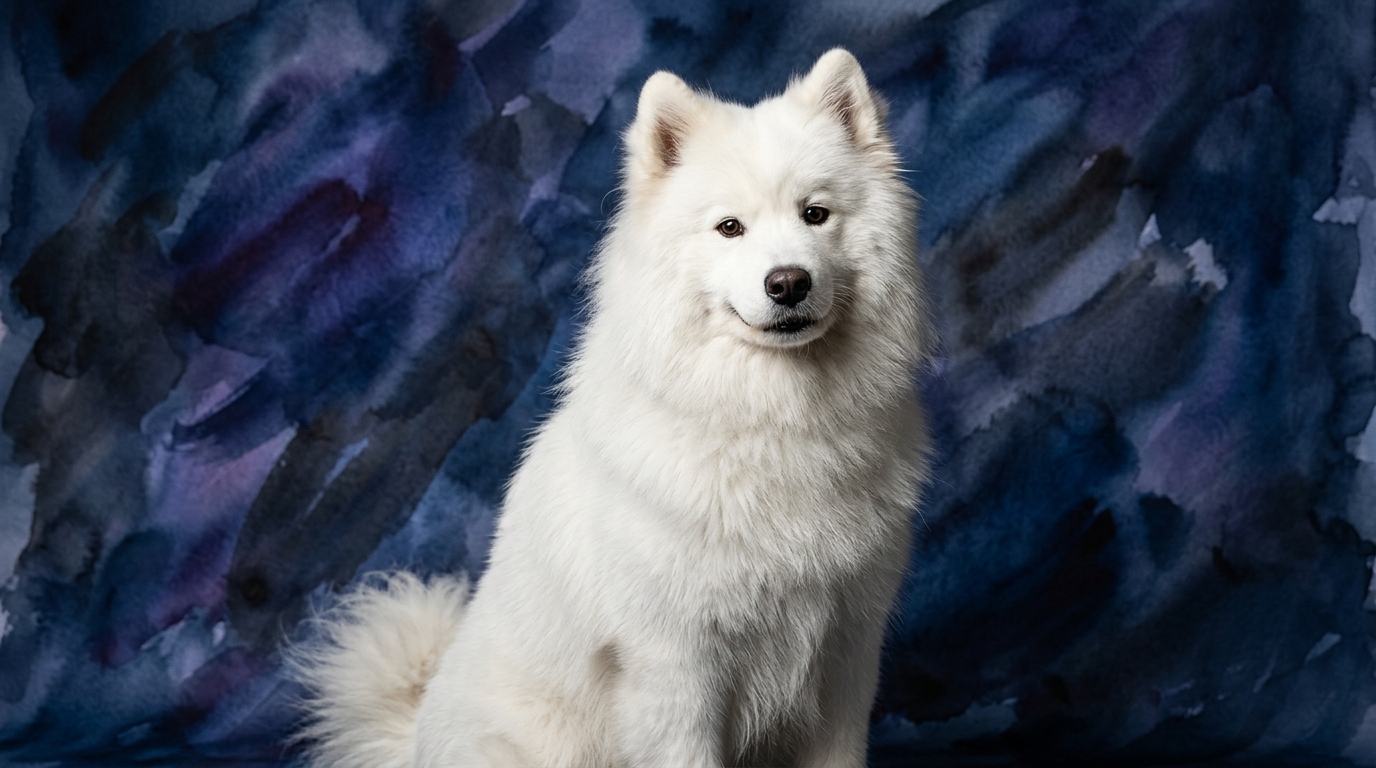
To truly appreciate the distinct cognitive frameworks of the Samoyed and the Portuguese Water Dog, we must examine their individual IQ dimensions. The Samoyed, a breed Coren-ranked at #33, presents a profile marked by balanced problem-solving (3/5) and training speed (3/5), but truly shines in social intelligence (5/5) and possesses a robust instinctive drive (4/5), alongside a solid memory (3/5). This blend reflects their historical role as cooperative herders and sled pullers in harsh Siberian conditions, where close human-animal bonds and sustained effort were paramount for survival and success.
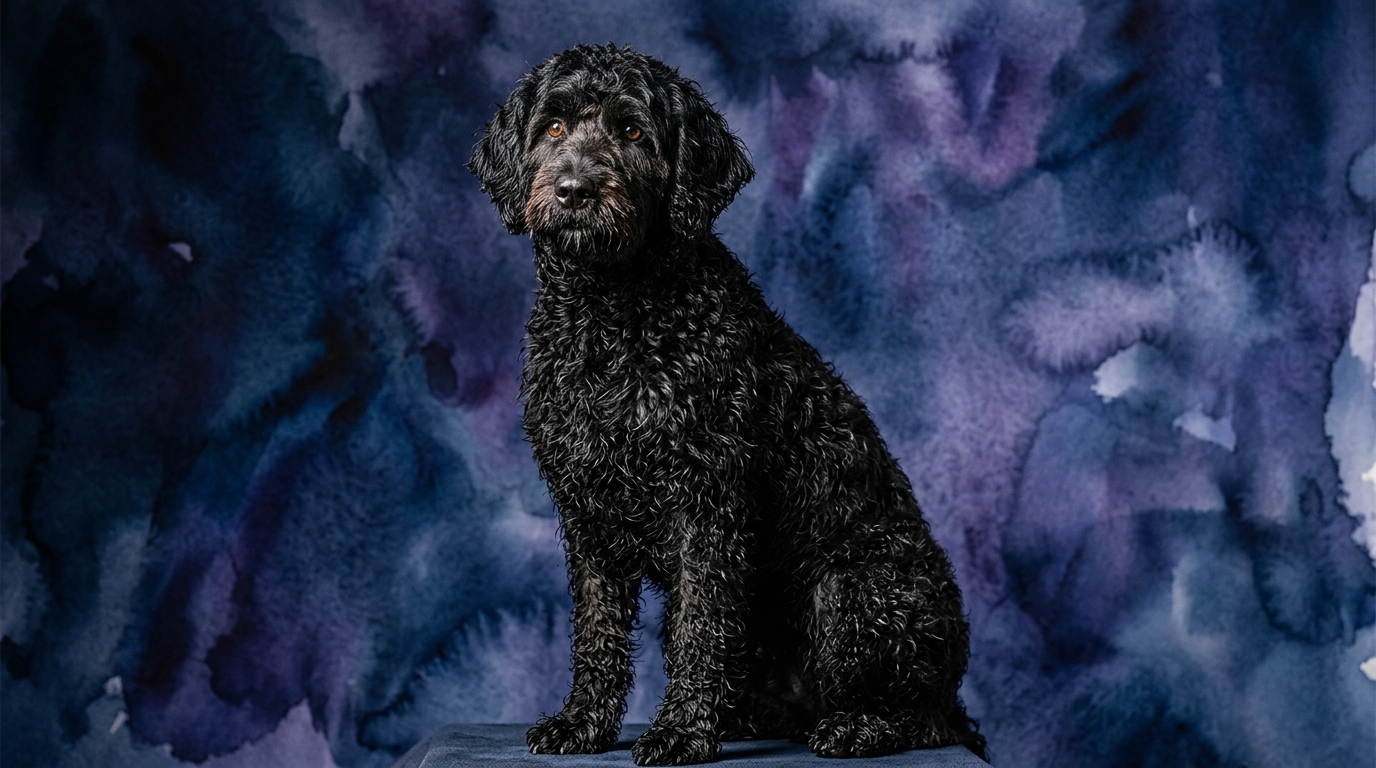
The Portuguese Water Dog, while not appearing on Coren's ranking list, demonstrates a consistent 3/5 across all five cognitive dimensions: problem solving (3/5), training speed (3/5), social intelligence (3/5), instinctive drive (3/5), and memory (3/5). This uniform scoring suggests a breed with a broad, adaptable cognitive toolkit, perfectly suited for their versatile history as a fisherman's companion, retrieving nets, herding fish, and acting as a courier between boats and shore. Their cognitive profile indicates a capable, all-rounder rather than a specialist in any single intellectual domain, emphasizing practical application over extreme scores.
Where the Samoyed's Mind Excels
The Samoyed's cognitive strengths distinctly emerge in areas demanding profound social connection and sustained, driven effort. With a remarkable 5/5 in social intelligence, the Samoyed is exceptionally attuned to human emotions, cues, and social dynamics within a pack or family unit. This superior social awareness translates into an intuitive understanding of their human companions' moods and intentions, fostering a deep, almost empathetic bond. They thrive on interaction and cooperative tasks, often anticipating human desires with an innate grace, making them superb partners for activities requiring close collaboration.
Furthermore, their 4/5 instinctive drive underscores a powerful intrinsic motivation for work and activity, deeply rooted in their heritage of pulling sleds and herding reindeer over vast, challenging terrains. This isn't merely boundless energy, but a persistent, goal-oriented drive that, when properly channeled, allows them to engage in demanding physical and mental tasks with impressive endurance. For instance, a Samoyed might show remarkable tenacity in a long-distance sledding simulation or a complex scent work trail, driven not just by reward, but by the inherent satisfaction of the task itself and the desire to work alongside their human partner. This blend of social acumen and sustained drive makes them particularly adept at roles requiring both sensitivity and stamina.
Portuguese Water Dog's Unique Cognitive Edge
While the Portuguese Water Dog's scores are consistently at 3/5, this balanced profile isn't a deficiency but a testament to their remarkable versatility and adaptability, which constitutes their unique cognitive edge. Their 3/5 in problem solving, for instance, reflects an ability to think independently and creatively within their environment, particularly when faced with novel challenges related to water work. Unlike breeds specialized for a single task, PWDs historically had to adapt to diverse demands of fishermen, from retrieving lost gear to guiding fish into nets, often requiring on-the-spot solutions in dynamic aquatic environments. This practical problem-solving is less about abstract puzzles and more about real-world efficacy.
Their 3/5 social intelligence indicates a companionable nature that, while not as intensely focused on human approval as a Samoyed, allows for a more independent working style when necessary. This means a Portuguese Water Dog can be entrusted with a task and often execute it with less direct oversight, a valuable trait for a dog working alongside a busy fisherman. This independence, coupled with their instinctive drive (3/5) focused on their aquatic heritage, means they are self-motivated by water-based activities and can maintain focus on a task even when their human is occupied. Their cognitive profile allows them to be competent, flexible partners in a variety of situations, not just those requiring intense human-dog collaboration.
Training Dynamics: Samoyed vs. Portuguese Water Dog
When it comes to training, the core cognitive differences between these two breeds translate into distinct approaches and experiences. The Samoyed's 5/5 social intelligence and 4/5 instinctive drive can make them highly responsive to positive reinforcement and eager to please, especially when training involves close interaction and a sense of shared purpose. Their deep desire to connect with their human partners means they often pick up cues quickly (training speed 3/5) and are motivated by praise and affection. However, their strong instinctive drive, while making them persistent, can also manifest as an independent streak; if a task doesn't align with their perceived purpose or if they become distracted by a more compelling scent or sight, their focus might waver. Consistency and making training feel like a cooperative game are crucial for harnessing their social eagerness.
The Portuguese Water Dog, with a consistent 3/5 across the board, including training speed, presents a different kind of training challenge and reward. They are capable learners, but their 3/5 social intelligence suggests they may not possess the same intense need for human approval as a Samoyed. This means while they are receptive, motivation might need to be more varied, perhaps relying more heavily on engaging play, high-value treats, or the inherent enjoyment of the task itself, rather than solely on social praise. Their balanced instinctive drive means they are not as relentlessly driven as a Samoyed, but they are also less likely to be sidetracked by overpowering instincts. Training a PWD often benefits from variety, mental stimulation, and a clear purpose, as their adaptable nature thrives on new challenges and practical application of skills. They may require more patience and creative engagement to maintain focus over long training sessions.
Ideal Companions: Active vs. Relaxed Lifestyles
Choosing between a Samoyed and a Portuguese Water Dog often comes down to aligning their inherent cognitive and behavioral needs with an owner's lifestyle. Samoyeds, with their profound social intelligence and strong instinctive drive, are best suited for active owners who relish deep canine companionship and are prepared to integrate their dog fully into their daily lives. These are dogs that thrive on participation, requiring consistent social interaction, structured activities like sledding, canicross, or herding games, and ample outdoor exercise to channel their drive. Owners who enjoy long hikes, winter sports, or dog sports that emphasize teamwork will find an incredibly devoted and capable partner in a Samoyed. They are not content to be left alone for extended periods; their social needs are as significant as their physical ones, making them ideal for individuals or families who can offer consistent engagement and companionship.
Portuguese Water Dogs, with their balanced cognitive profile and adaptable nature, appeal to active owners who appreciate versatility and a slightly more independent spirit in their companion. While still requiring substantial physical and mental stimulation, their energy often manifests in bursts rather than the sustained endurance of a Samoyed. They excel in activities like swimming, dock diving, agility, or obedience, where their problem-solving skills and moderate drive can be put to good use. Owners who enjoy a variety of outdoor activities, particularly those involving water, and who can provide diverse mental challenges will find the PWD a rewarding companion. They are suitable for owners who might appreciate a dog that can entertain itself for short periods but is always ready to jump into the next adventure, making them excellent partners for varied, active lifestyles without the intense social demands of the Samoyed.
The Verdict
Choose the Samoyed if you seek a deeply social, empathetic companion eager for cooperative activities and have the lifestyle to provide consistent interaction and outlets for their strong, sustained drive.
Opt for the Portuguese Water Dog if you desire a versatile, adaptable, and moderately independent partner for diverse activities, especially water sports, and can offer a varied and engaging environment.
🧠 Find Your Pet's IQ Score
Our Pet IQ Lab assessment covers 25+ tests across 5 cognitive dimensions — personalized to your breed.
Take the Full IQ Test →Frequently Asked Questions
Do Samoyeds or Portuguese Water Dogs bark more?
Samoyeds are often quite vocal, known for their 'Sammy smile' accompanied by howls, 'talk,' and barks, especially when excited or seeking attention due to their high social intelligence. Portuguese Water Dogs tend to be less vocally expressive in general, though they will bark to alert or when engaged in play, but typically not with the same frequency or range of sounds as a Samoyed.
Which breed is better with children?
Both breeds can be excellent with children when properly socialized and trained, but their approaches differ. Samoyeds, with their high social intelligence and affectionate nature, often bond deeply with family members, including children, and can be very gentle. Portuguese Water Dogs are also generally good with children, often enjoying active play, but their slightly more independent nature means they might tolerate less intense interaction than a Samoyed, benefiting from supervised play.
Are Samoyeds or Portuguese Water Dogs easier to groom?
Grooming needs are quite different: Samoyeds possess a thick double coat that requires extensive and frequent brushing to prevent matting and manage shedding, especially during seasonal blows. Portuguese Water Dogs have a single coat that is either wavy or curly; it doesn't shed much but needs regular brushing and professional clipping every 6-8 weeks to prevent matting and maintain hygiene, making their grooming less about shedding and more about coat maintenance.