Side-by-Side IQ Profile: Samoyed vs. Puli
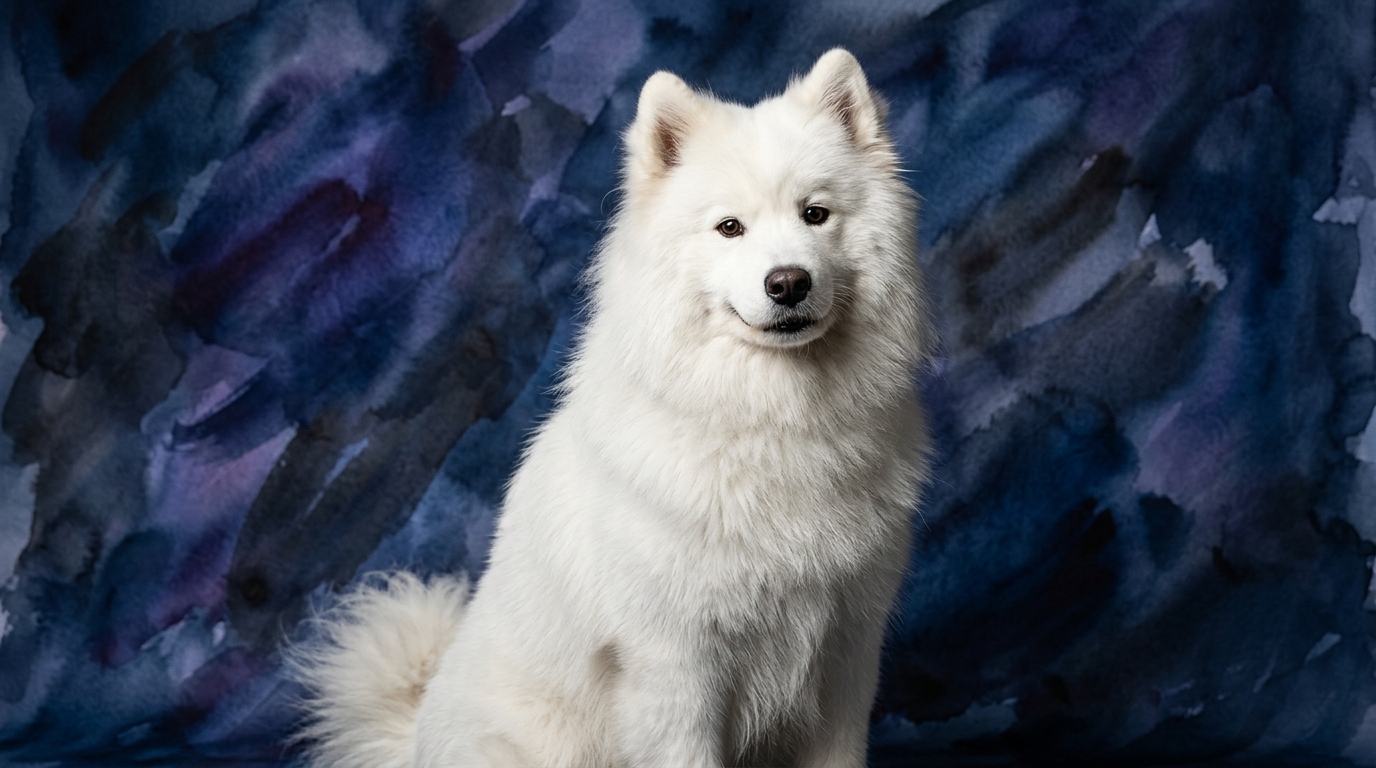
The Cosmic Pet Pet IQ Lab utilizes five key dimensions to map a breed's cognitive landscape. For the Samoyed, categorized as a Working breed with a Coren ranking of #33, their intelligence shines in specific areas. Their Problem Solving is rated 3/5, indicating a practical, rather than abstract, approach to challenges, often relying on learned behaviors and human direction. Training Speed, also at 3/5, reflects an independent streak; while capable, they require consistent, engaging methods to truly focus. Where the Samoyed truly excels is Social Intelligence, scoring a perfect 5/5, demonstrating an exceptional ability to read human cues, form deep bonds, and thrive in cooperative environments. Their Instinctive Drive is strong at 4/5, rooted in their historical role as pulling and herding dogs, exhibiting stamina and a desire for purpose-driven activity. Finally, their Memory at 3/5 is solid for routines and commands, though perhaps not for intricate, multi-step sequences.
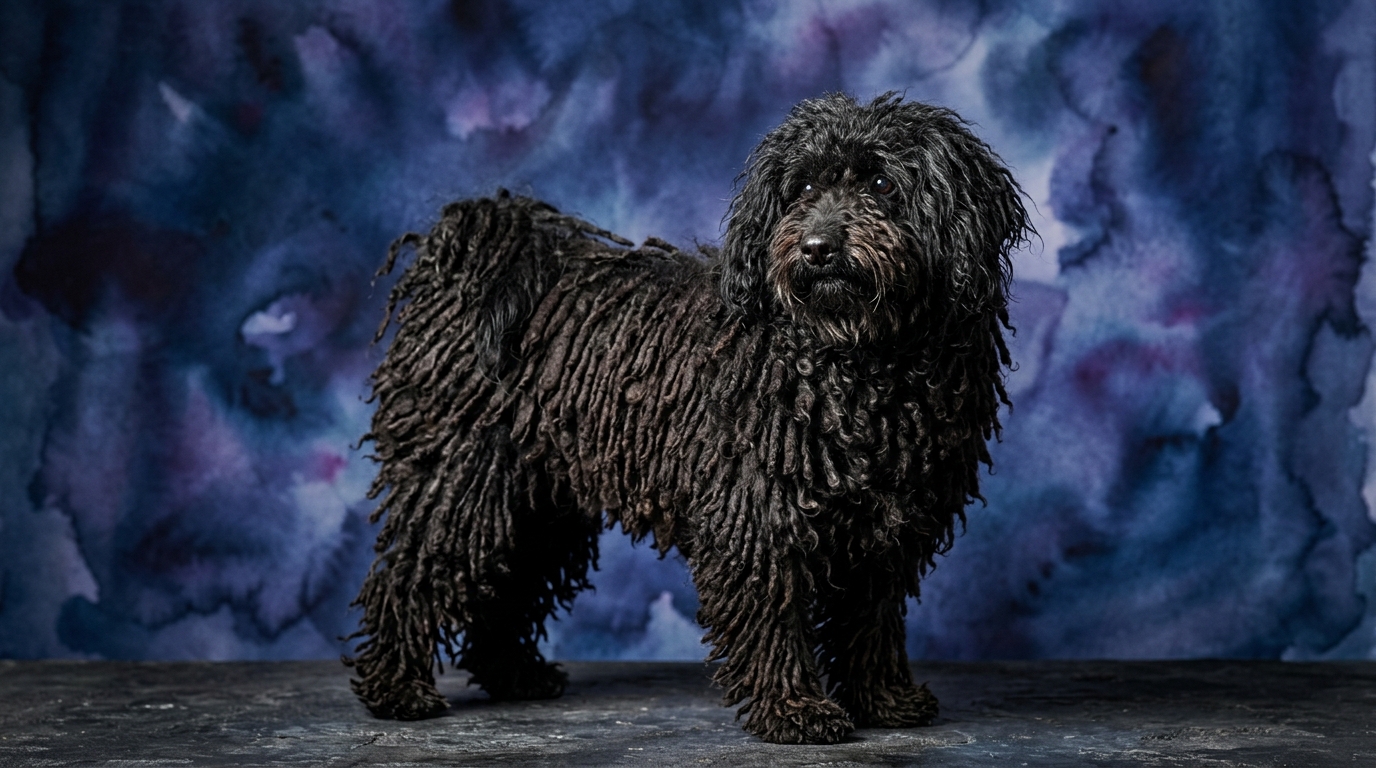
The Puli, a Herding breed with a higher Coren ranking of #25, presents a contrasting cognitive blueprint. Their Problem Solving is a robust 4/5, showcasing a quick wit and adaptability, crucial for independent decision-making in herding livestock. Training Speed is equally impressive at 4/5, as Pulik are typically eager, focused learners who grasp new concepts with relative ease. However, their Social Intelligence is rated 3/5; while devoted to their family, they tend to be less universally gregarious than a Samoyed, often reserving their deepest affection for their inner circle. Their Instinctive Drive, at 3/5, is strongly geared towards herding tasks, exhibiting agility and a watchful nature, but perhaps less raw physical endurance than a Samoyed. The Puli's Memory stands out at 4/5, indicating an excellent capacity for retaining complex tasks, routines, and experiences, making them adept at intricate learned behaviors.
Where the Samoyed Wins Cognitively
The Samoyed's cognitive strengths are deeply rooted in their history as companions and working partners in harsh arctic environments. Their unparalleled Social Intelligence (5/5) means they are masters of human connection, displaying an uncanny ability to understand emotional states and respond with empathy. This makes them exceptional therapy dogs and family companions, thriving on close interaction and cooperative tasks. They don't just tolerate human presence; they actively seek and interpret it, leading to a remarkable synchronicity with their owners. This superior social acumen allows them to integrate seamlessly into diverse family dynamics, often becoming the emotional glue of a household.
Furthermore, their robust Instinctive Drive (4/5) manifests as a powerful desire for purpose and sustained physical effort. While not always quick to learn new tricks, a Samoyed's drive is perfectly suited for endurance activities like skijoring or carting, where consistent effort and a strong bond with their human partner are paramount. Their cognitive strength here lies in their ability to maintain focus and motivation over long periods in a shared endeavor, a testament to their working heritage. This sustained engagement, coupled with their social intelligence, makes them highly responsive to cooperative work that builds on partnership rather than strict obedience.
Where the Puli Wins Cognitively
The Puli's cognitive edge lies in their sharp, independent thinking, a legacy of their herding origins. Their Problem Solving (4/5) is particularly pronounced, allowing them to assess novel situations and devise solutions quickly. This isn't just about following commands; it's about making on-the-spot decisions, such as figuring out how to outmaneuver a stubborn sheep or navigate a complex agility course. Owners often observe their Pulik contemplating a puzzle or a desired object, then executing a precise, often clever, strategy to achieve their goal. This quick intellectual processing makes them formidable in dog sports requiring agility and independent thought.
Complementing their problem-solving prowess are their superior Training Speed (4/5) and Memory (4/5). Pulik are typically eager students, absorbing new commands and sequences rapidly. Once a task is learned, it tends to stick, thanks to their excellent memory. This combination allows them to master complex routines and retain intricate behaviors over time, making them highly trainable for advanced tasks beyond basic obedience. Their cognitive architecture supports efficient learning and reliable recall, which is invaluable for herding work where precise, remembered movements are essential, and translates well into competitive disciplines.
Which is Easier to Train and Why
When it comes to ease of training, the Puli generally holds an advantage over the Samoyed, primarily due to their higher scores in Training Speed (4/5 for Puli vs. 3/5 for Samoyed) and Memory (4/5 for Puli vs. 3/5 for Samoyed). Pulik exhibit a natural eagerness to learn and a focused attention span, often keen to understand what their human wants and quick to offer behaviors for reward. Their strong memory ensures that once a command or sequence is learned, it is retained effectively, leading to more consistent performance over time. This makes the Puli a relatively straightforward student for various obedience and skill-based training.
The Samoyed, while very willing to please due to their high Social Intelligence, can present more challenges in terms of Training Speed because of their independent streak and sometimes selective hearing. Their working dog mentality means they often question the 'why' behind a command and may prioritize their own instincts or desires over immediate compliance. Training a Samoyed requires immense patience, positive reinforcement, and a deep understanding of their motivations. While they eventually learn, the process can be slower and demands more creativity from the trainer to make lessons engaging and consistent, overcoming their characteristic 'Samoyed stubbornness' with charm and persistence.
Which Suits Active Owners vs. Relaxed Owners
Both Samoyeds and Pulik are active breeds that require significant physical and mental engagement, so neither is truly suited for a relaxed, sedentary owner. However, their activity needs manifest differently. The Samoyed, with its strong Instinctive Drive (4/5) for sustained effort, thrives with owners who enjoy long, vigorous outdoor activities. They are ideal companions for hiking, running, or participating in pulling sports like canicross or skijoring, needing consistent, extended periods of exercise to be content. Their high Social Intelligence also means they require an owner who integrates them fully into family life, as they don't do well left alone for long periods.
The Puli, while also energetic, often prefers activities that engage their Problem Solving (4/5) and agility. They excel in dog sports like agility, flyball, or herding trials, where quick bursts of speed, precise movements, and strategic thinking are paramount. They need owners who can provide not just physical exercise, but also ample mental stimulation through puzzle toys, training sessions, and structured play that challenges their intellect. While they enjoy a good run, their satisfaction often comes from mastering a task or outsmarting a challenge, making them suited for owners who are equally enthusiastic about interactive training and problem-solving games.
The Verdict
Choose a Samoyed if you seek a deeply social, cooperative companion for extensive outdoor adventures and are prepared to invest in consistent, positive training to harness their independent spirit.
Opt for a Puli if you desire a quick-witted, agile companion who thrives on mental challenges, structured tasks, and appreciates an independent streak, provided you can meet their intellectual and physical demands.
🧠 Find Your Pet's IQ Score
Our Pet IQ Lab assessment covers 25+ tests across 5 cognitive dimensions — personalized to your breed.
Take the Full IQ Test →Frequently Asked Questions
Are Samoyeds difficult to train?
Samoyeds are not inherently difficult, but their independent nature and occasional stubbornness mean they require consistent, positive reinforcement training. Their high social intelligence means they genuinely want to please, but their individual will can sometimes take precedence, necessitating patient and engaging methods.
Do Pulik need a lot of mental stimulation?
Yes, Pulik have a high problem-solving capacity and excellent memory, making mental stimulation crucial for their well-being. They thrive on activities like puzzle toys, obedience training, agility, or herding games that engage their intellect and prevent boredom-induced behaviors.
Which breed is better for a first-time dog owner?
Neither breed is typically recommended for entirely novice owners due to their distinct needs. However, the Puli's higher training speed might make basic obedience slightly more straightforward, while the Samoyed's social needs are intense. Both benefit greatly from owners committed to understanding and managing their specific cognitive and behavioral traits.