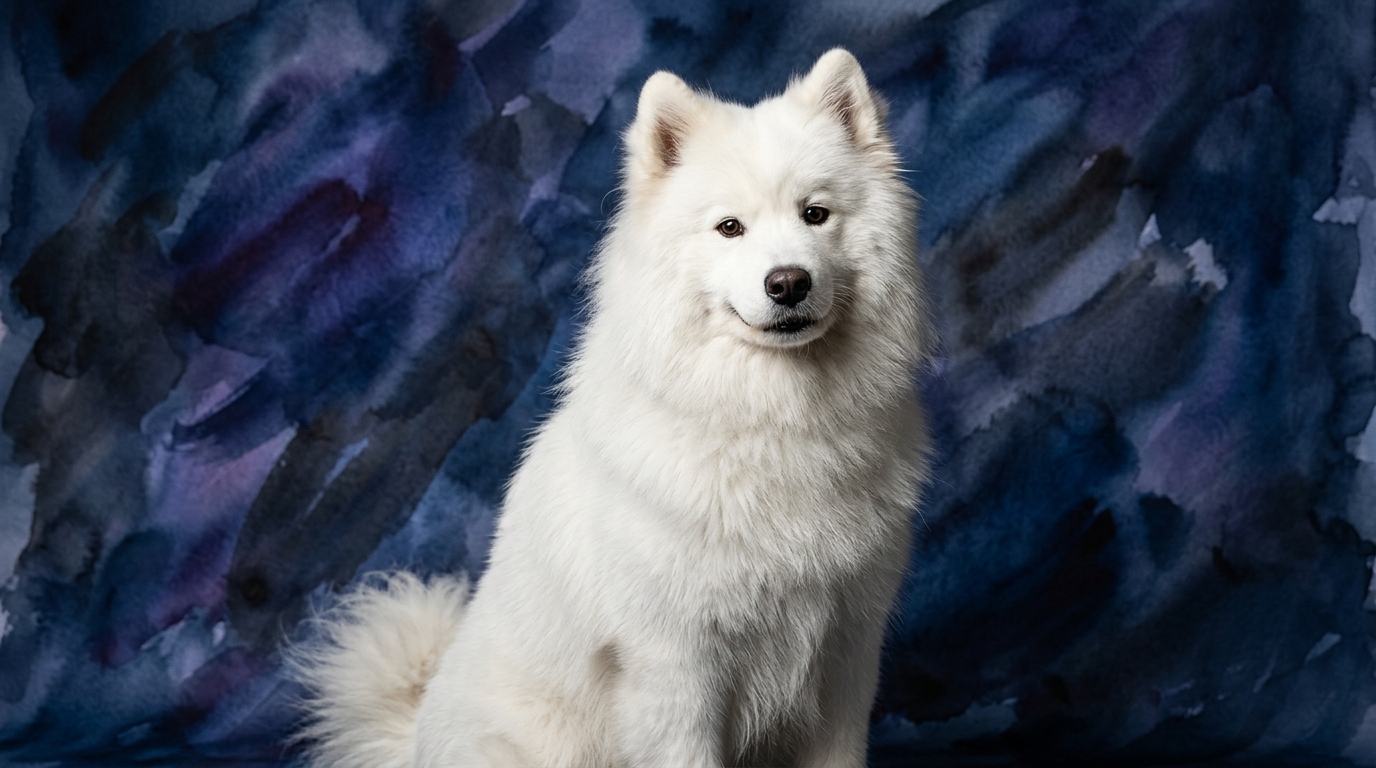
Side-by-Side IQ Profile: Samoyed
The Samoyed, a northern working breed ranked #33 on the Coren intelligence scale, presents a captivating cognitive blueprint. Their Problem Solving is rated 3/5, indicating a capacity to navigate challenges and figure out solutions, sometimes with a creative flair that can lead to ingenious mischief. Training Speed also sits at 3/5; they grasp concepts at an average pace, yet their independent spirit often means applying what they've learned requires consistent, engaging motivation. Where they truly shine is Social Intelligence, scoring a perfect 5/5, demonstrating an exceptional ability to read human emotions, intentions, and integrate seamlessly into family dynamics. Their Instinctive Drive, at 4/5, is largely channeled towards companionship, pulling, and collaborative activities, fueled by a strong desire for interaction. Finally, their Memory is 3/5, reliably recalling commands and past experiences, though their social focus can sometimes override perfect recall in stimulating environments.
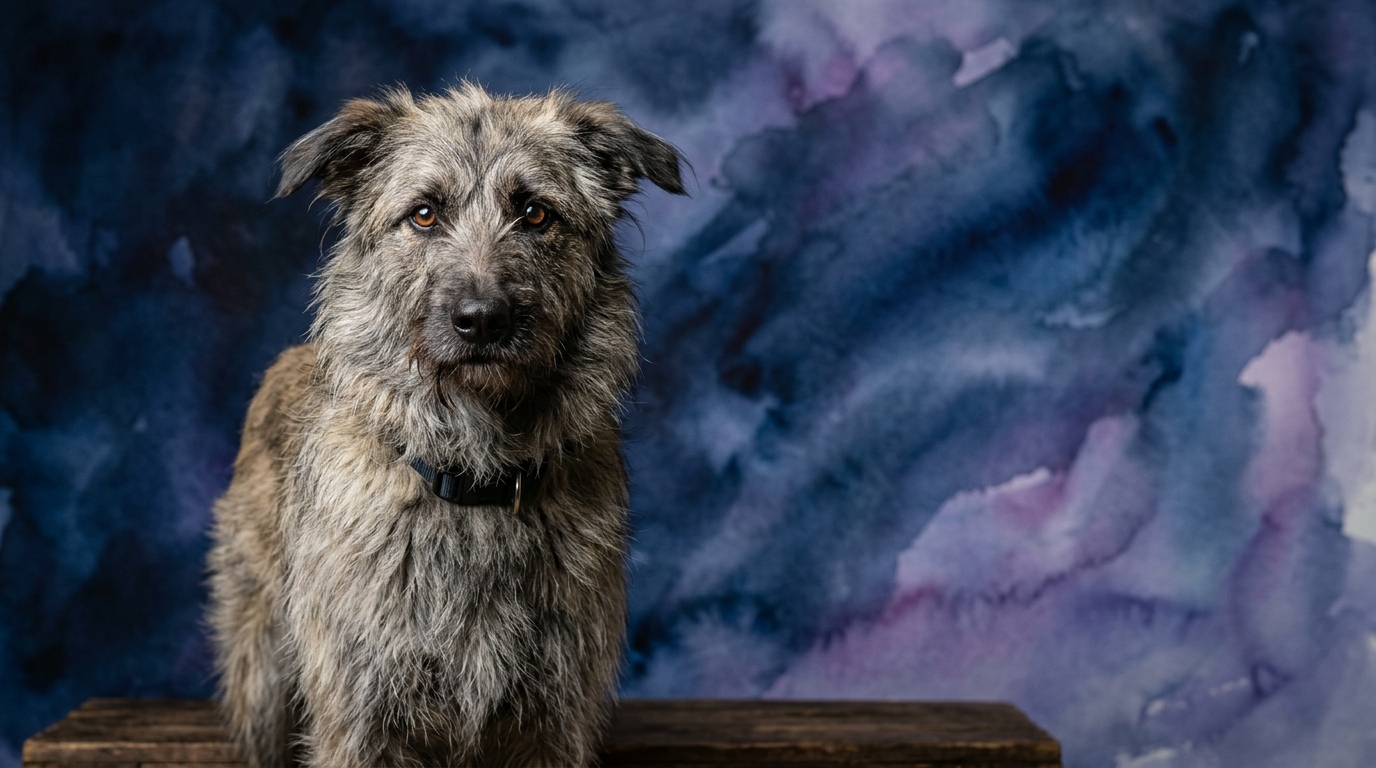
Side-by-Side IQ Profile: Pyrenean Shepherd
In contrast, the Pyrenean Shepherd, a diligent herding dog not ranked on the Coren scale, offers a distinct cognitive profile. Their Problem Solving, also 3/5, manifests as practical ingenuity, enabling them to make quick, independent decisions to manage livestock and navigate complex terrain. Training Speed is 3/5; they learn efficiently when trust is established, but their inherent wariness and independent nature can initially pose a barrier to immediate compliance. Their Social Intelligence is 3/5, meaning they are observant of their primary handler and family, but generally more reserved and less overtly demonstrative than many breeds, often showing suspicion towards strangers. An Instinctive Drive of 3/5 is strongly focused on herding, movement control, and vigilance, less driven by general companionship and more by purpose. Their Memory, rated 3/5, is solid for tasks, routines, and recalling specific past interactions, particularly those related to their working life.
Where the Samoyed Wins Cognitively
The Samoyed clearly distinguishes itself in the realm of social cognition. With a Social Intelligence score of 5/5 compared to the Pyrenean Shepherd's 3/5, Samoyeds possess an unparalleled aptitude for understanding and responding to human emotional nuances. This manifests as a deep empathy, an eagerness to participate in family life, and a remarkable ability to adapt their behavior based on the mood and intentions of their human companions. Their higher Instinctive Drive (4/5 versus 3/5) further supports this, as their natural inclinations are strongly geared towards forming cooperative partnerships and engaging in shared activities, making them highly attuned to collaborative human-dog interactions. This social acuity allows them to integrate into diverse family dynamics with remarkable ease, often anticipating needs or simply offering comforting presence.
Where the Pyrenean Shepherd Wins Cognitively
While the Pyrenean Shepherd matches the Samoyed in Problem Solving at 3/5, the *application* of this cognitive skill is where they truly excel in their unique context. Their problem-solving is intrinsically tied to their herding legacy, requiring swift, independent decisions in dynamic, often unpredictable environments. This involves complex spatial reasoning, anticipating livestock movement, and making split-second judgments without direct human command. This practical, real-world application of their cognitive abilities often involves a focused intensity that allows them to maintain a task even amidst significant distractions, a trait less pronounced in the more socially-driven Samoyed. Their cognitive strengths lie in independent task execution and maintaining vigilance, which are critical for their historical role.
Which is Easier to Train and Why
Evaluating ease of training between these two breeds, both rated 3/5 for Training Speed, requires understanding their motivational drivers. The Samoyed, despite its average learning speed, often *appears* easier to train for a novice due to its exceptional Social Intelligence (5/5) and strong Instinctive Drive for companionship (4/5). They are highly motivated by positive reinforcement, social praise, and the sheer joy of interacting with their human. However, their independent 'Samoyed smile' can sometimes mask a selective hearing, meaning consistency and engaging methods are crucial to overcome their occasional stubborn streak. Conversely, the Pyrenean Shepherd, also 3/5 for Training Speed, demands a different approach. Their lower Social Intelligence (3/5) means they aren't primarily driven by social approval alone. Training success hinges on building deep trust and establishing clear, consistent leadership, often channeling their herding Instinctive Drive (3/5) into purposeful tasks. A Pyr Shep will learn quickly once they understand their 'job' and trust their handler, but their inherent wariness and independence mean they won't automatically offer eager compliance for every request. For a first-time dog owner, the Samoyed's social eagerness might feel more forgiving, while the Pyrenean Shepherd requires a more experienced hand capable of understanding and directing a working dog mentality.
Which Suits Active Owners vs. Relaxed Owners
Neither the Samoyed nor the Pyrenean Shepherd is suited for truly relaxed, sedentary owners. Both breeds demand significant physical and mental engagement. The Samoyed, while a loving companion, requires moderate-to-high daily exercise, thriving on long walks, runs, and opportunities for social interaction and play. Their strong social drive means they also need substantial human company and mental stimulation to prevent boredom and potential destructive behaviors. They are excellent partners for active families who enjoy outdoor adventures like hiking, jogging, or even sledding. The Pyrenean Shepherd, however, represents a higher echelon of energy and purpose. As a true herding dog, they need not only extensive physical exercise but also a tangible 'job' or purposeful activity to fulfill their inherent drives. This could be competitive dog sports like agility, obedience, or actual herding. Without an outlet for their intense focus and energy, a Pyr Shep can become anxious, destructive, or develop undesirable behaviors. Therefore, while both require active owners, the Samoyed is more adaptable to an active lifestyle focused on companionship, whereas the Pyrenean Shepherd specifically thrives with owners who can provide a structured, high-purpose activity.
The Verdict
Choose the Samoyed if you seek a highly social, empathetic, and engaging companion who thrives on family interaction and outdoor adventures, and you're prepared for an independent thinker with a charming, vocal personality.
Opt for the Pyrenean Shepherd if you are an experienced, very active owner seeking a task-oriented, watchful, and intensely loyal partner for demanding activities like herding, competitive dog sports, or extensive, purposeful outdoor pursuits.
🧠 Find Your Pet's IQ Score
Our Pet IQ Lab assessment covers 25+ tests across 5 cognitive dimensions — personalized to your breed.
Take the Full IQ Test →Frequently Asked Questions
Are Samoyeds difficult to train?
While Samoyeds have an average training speed, their exceptional social intelligence means they respond very well to positive, engaging methods and thrive on interaction. Their independent streak can lead to selective hearing, so consistency, patience, and creative training approaches are key to maintaining their focus and compliance.
Do Pyrenean Shepherds make good family pets?
Pyrenean Shepherds can be devoted family members, but they are typically reserved with strangers and form their deepest bond with a primary handler. Their strong herding drive and need for a job mean they are best suited for active homes that understand and can channel their working dog temperament, providing ample mental and physical stimulation.
Which breed is more vocal?
Samoyeds are generally known for being quite vocal, expressing themselves with a range of barks, howls, and the distinctive 'Samoyed smile' that often accompanies their sounds. Pyrenean Shepherds tend to be more reserved but will certainly bark to alert their owners or when actively engaged in their work.