A Side-by-Side Look at Canine Cognition
The Cosmic Pet Pet IQ Lab employs five key dimensions to evaluate a dog's cognitive landscape: problem-solving, training speed, social intelligence, instinctive drive, and memory. These metrics offer a granular view beyond general perceptions, allowing us to appreciate the specific mental aptitudes of each breed.
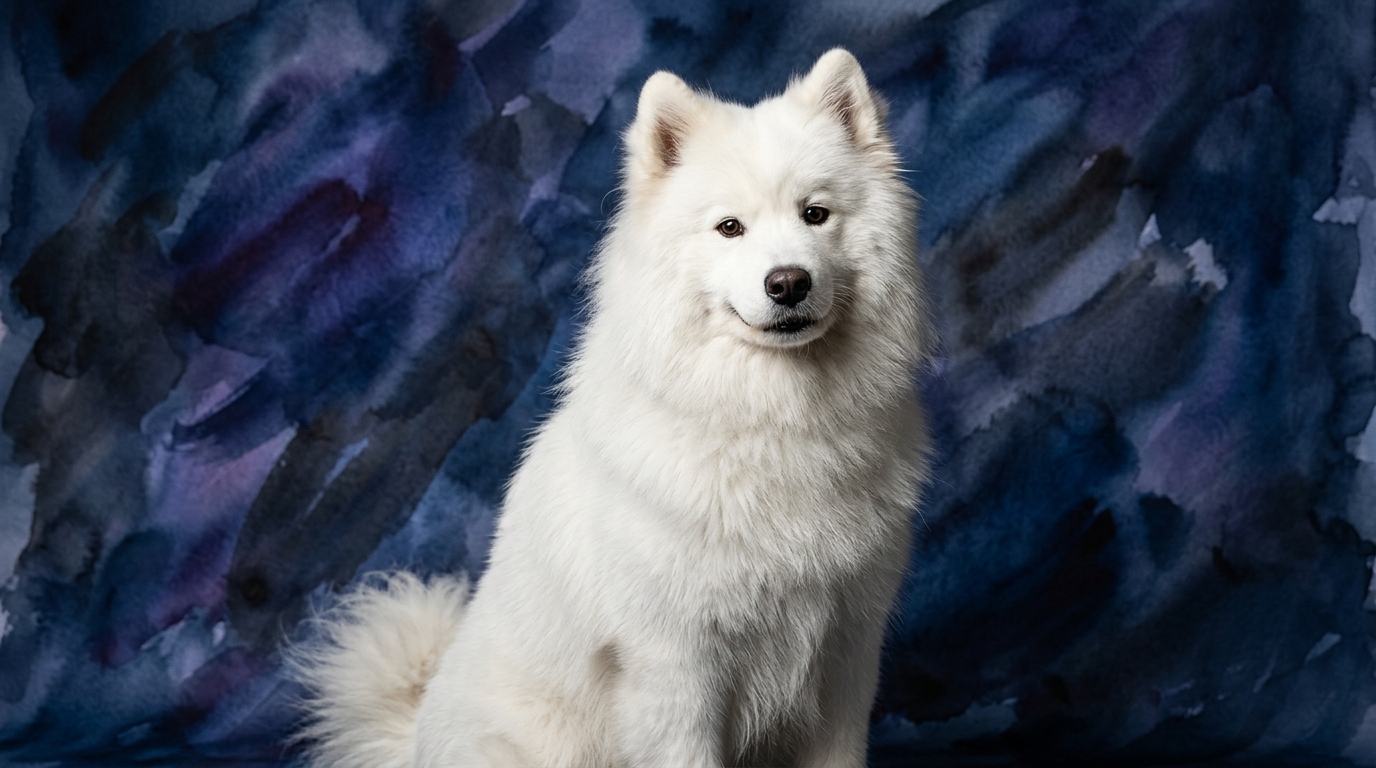
The Samoyed, a Working group dog with a Coren rank of #33, exhibits a balanced cognitive profile: problem-solving at 3/5, training speed at 3/5, social intelligence at a notable 5/5, instinctive drive at 4/5, and memory at 3/5. This blend reflects their history as cooperative sled dogs and herders, where teamwork and social cohesion were paramount.
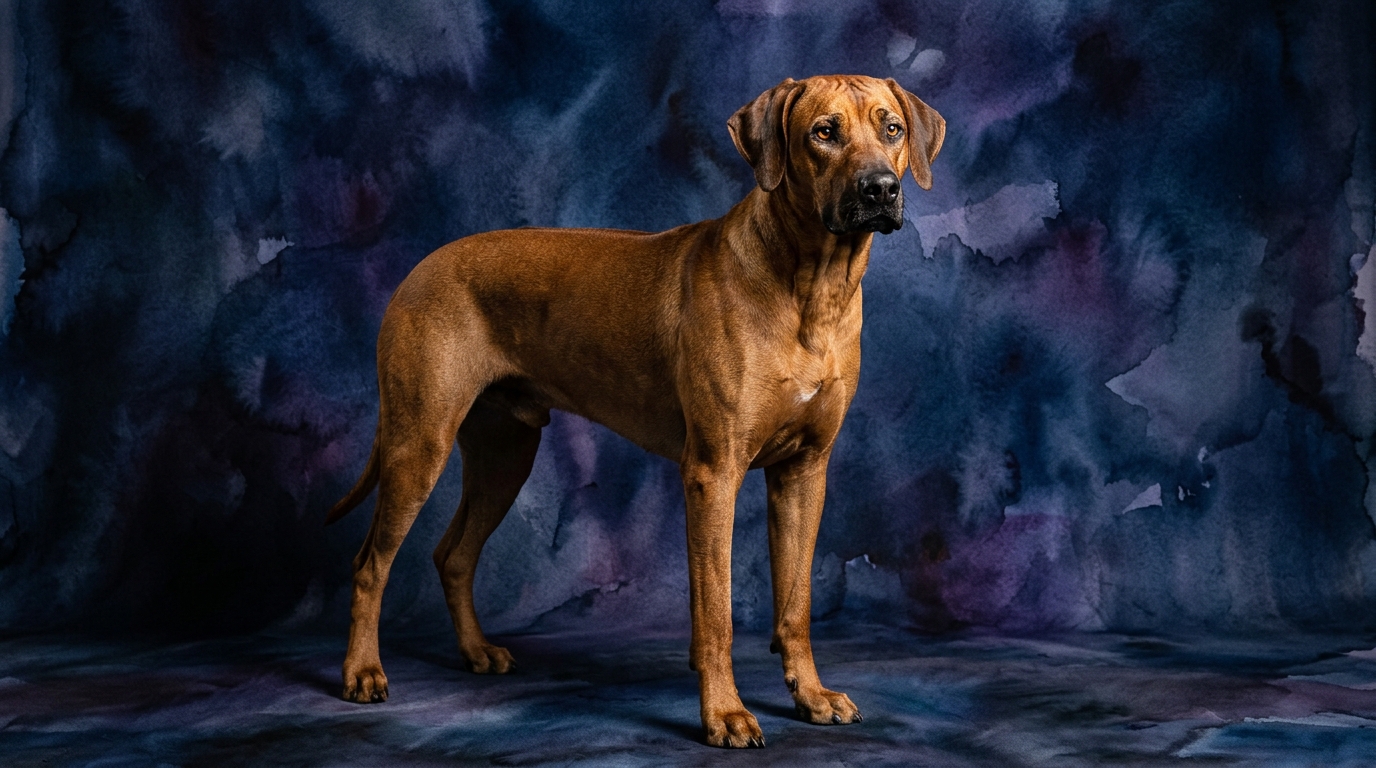
In contrast, the Rhodesian Ridgeback, a Hound group dog with a Coren rank of #52, presents a more self-reliant cognitive blueprint: problem-solving at 3/5, training speed at 3/5, social intelligence at 3/5, instinctive drive at 3/5, and memory at 3/5. Their scores speak to a heritage of independent hunting, where dogs needed to make complex decisions autonomously in challenging environments.
Where the Samoyed's Cognition Shines Brightest
The Samoyed's most pronounced cognitive advantage lies in their exceptional social intelligence, scoring a full 5 out of 5. This translates into a profound capacity for understanding and responding to human emotions and social cues, making them highly perceptive companions. Their historical role demanded close cooperation with humans in demanding Arctic conditions, fostering an innate drive to connect and integrate within a social unit, whether human or canine.
Their instinctive drive, rated at 4/5, further complements their social aptitude. This drive isn't merely about physical exertion; it's about a persistent, goal-oriented focus often directed towards cooperative tasks. Whether it's pulling a sled or participating in family activities, a Samoyed's drive is frequently channeled through their desire for shared purpose and interaction, making them eager participants in collaborative endeavors.
Unpacking the Rhodesian Ridgeback's Unique Cognitive Strengths
While the Rhodesian Ridgeback shares a 3/5 rating with the Samoyed in problem-solving, its application of this capacity is distinctly geared towards independent assessment and action. For a breed tasked with tracking and holding large game without direct human command, their problem-solving involves navigating complex terrains, evaluating threats, and strategizing autonomously. This isn't about solving puzzles for a treat, but about making critical decisions in dynamic, high-stakes situations.
The Ridgeback's moderate social intelligence (3/5) and instinctive drive (3/5) should be viewed not as limitations, but as indicators of a self-sufficient mental architecture. Their drive is often singular in its focus, rooted in a specific hunting purpose, and less reliant on constant human validation. This independence allows them to maintain focus on a task even when human guidance is absent, a cognitive strength for a dog bred to operate with significant autonomy.
Training Dynamics: A Tale of Two Temperaments
Both Samoyeds and Rhodesian Ridgebacks share a training speed score of 3/5, suggesting they grasp new commands and concepts at a comparable pace. However, the ease of training extends beyond mere comprehension, deeply influenced by their differing social and instinctive drives.
For the Samoyed, training is often a joyful, cooperative experience. Their high social intelligence means they are inherently motivated by human approval and the pleasure of shared activity. While they might occasionally display an independent streak characteristic of working breeds, their deep desire for connection and willingness to engage with their human partners often makes them eager students, translating their understanding into consistent performance.
The Rhodesian Ridgeback, with its moderate social intelligence and independent drive, approaches training with a different mindset. While they are capable of learning, their motivation often hinges on perceiving value in the command for themselves. They might require more consistent, firm, and reward-based motivation, as their self-reliant nature means they are less inclined to perform simply for human approval. Their training success often depends on an owner's ability to establish clear leadership and make tasks engaging enough to appeal to their independent spirit.
Matching Canine Minds to Lifestyles
Samoyeds are well-suited for active owners who seek a deeply interactive and emotionally responsive canine companion. Their high social intelligence and cooperative drive mean they thrive on being an integrated part of family life, participating enthusiastically in activities that involve their human pack. They require consistent mental and physical engagement that channels their working dog energy in a collaborative manner, such as dog sports, long walks, or interactive play.
Rhodesian Ridgebacks, while also requiring active engagement, appeal to owners who appreciate a more self-possessed and independent companion. Their problem-solving and instinctive drive are geared towards purpose-driven activities where their independent judgment is an asset. Owners must be prepared to provide consistent leadership and outlets for their focused energy, such as tracking, scent work, or extensive exploration, which engage their cognitive capacity for autonomous decision-making.
Cognition in Action: The Ideal Environment
The Samoyed excels in environments where social cohesion and shared tasks are paramount. Their cognitive strengths make them ideal for families seeking a deeply integrated canine member, particularly those interested in dog sports requiring teamwork like agility, obedience, or sledding. They flourish when their social perception and cooperative drive are consistently engaged, allowing them to feel valued within their human pack.
The Rhodesian Ridgeback flourishes with owners who understand their independent nature and can provide outlets for their original hunting instincts, even if sublimated into tracking, lure coursing, or focused obedience. They need clear boundaries and mental engagement that respects their self-assured decision-making, thriving in a structured environment where their independence is acknowledged and their cognitive abilities are challenged through purpose-driven activities.
The Verdict
If your household thrives on cooperative interaction, seeks a dog deeply integrated into family life, and values a canine partner eager to engage in shared activities and display strong social perception, the Samoyed is a compelling choice.
Opt for the Rhodesian Ridgeback if you appreciate a dog with a self-sufficient mindset, capable of independent thought, and are prepared to provide consistent leadership and outlets for their focused, purpose-driven instincts.
🧠 Find Your Pet's IQ Score
Our Pet IQ Lab assessment covers 25+ tests across 5 cognitive dimensions — personalized to your breed.
Take the Full IQ Test →Frequently Asked Questions
Are Samoyeds good with other pets?
Their high social intelligence suggests a good capacity for coexistence, often showing empathy and adaptability in multi-pet households, though early socialization is always beneficial for harmonious living.
Do Rhodesian Ridgebacks bark a lot?
Ridgebacks are generally not excessive barkers; their independent nature often means they are more reserved and observant, typically only vocalizing when they perceive a genuine reason or threat, rather than out of boredom.
How do their memory scores impact training?
Both breeds share a 3/5 memory score, indicating they retain learned commands and experiences adequately. While they won't forget everything overnight, consistent reinforcement will still be key to solidifying behaviors and ensuring reliable recall over time.