
Side-by-Side Cognitive Profiles
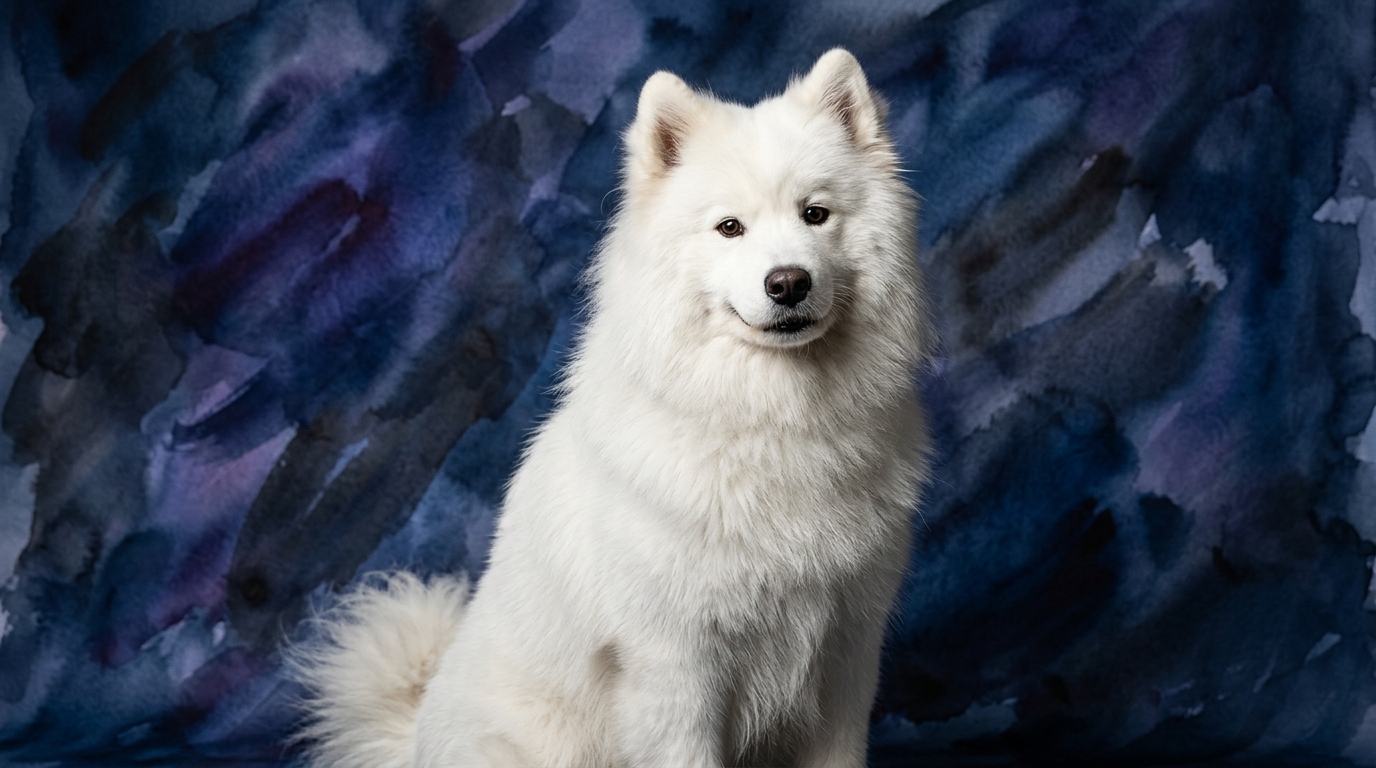
The Samoyed, originating from the Working group, carries a respectable Coren rank of #33, signaling its capacity for understanding and obedience. Its cognitive profile includes a Problem Solving score of 3/5, indicating an ability to navigate moderate challenges and figure out solutions independently. Training Speed also stands at 3/5, suggesting a willingness to learn new commands at a steady pace, though perhaps not with lightning-fast acquisition. Where the Samoyed truly shines is its Social Intelligence, scoring a perfect 5/5, reflecting its deep desire for connection and cooperation within its pack. Its Instinctive Drive is strong at 4/5, a testament to its heritage as a herder and sled dog, possessing an inherent motivation to perform tasks. Memory is solid at 3/5, allowing it to retain learned behaviors and routines effectively.
In contrast, the Russian Toy, a dainty member of the Toy group, is not included in Coren's ranking, which often focuses on breeds with more traditional working roles. Despite its small stature, its Problem Solving ability registers at 3/5, demonstrating a surprising capacity to figure things out for itself, perhaps in navigating its environment or manipulating objects. Its Training Speed matches the Samoyed at 3/5, indicating it can pick up new commands and tricks with comparable efficiency. However, its Social Intelligence is rated 3/5, suggesting it forms strong bonds but might be less universally gregarious than the Samoyed, often reserving its deepest affection for its primary caregivers. Instinctive Drive is 3/5, lower than the Samoyed, reflecting its primary role as a companion rather than a working animal, though it still possesses an innate curiosity and desire to engage. Memory is also 3/5, allowing it to remember routines and learned behaviors consistently.
Where the Samoyed Wins Cognitively
The Samoyed's primary cognitive advantage lies in its exceptional Social Intelligence (5/5) and robust Instinctive Drive (4/5). Its profound desire to connect and cooperate makes it an intrinsically motivated partner in activities that involve human interaction. This isn't merely about affection; it translates into a dog that actively seeks to understand and participate in its owner's world, making it highly responsive to cues and emotional states. In a complex social setting, a Samoyed will often demonstrate an intuitive grasp of group dynamics, adapting its behavior to maintain harmony or elicit attention. This high social intelligence makes them excellent therapy dogs, as they can read human emotions and respond with comforting presence.
Furthermore, its strong instinctive drive means the Samoyed possesses an inherent engine for purpose-driven activity. This isn't just about physical energy; it's a cognitive drive to engage with tasks, whether it's pulling a sled, participating in agility, or solving a puzzle that yields a reward. This intrinsic motivation, coupled with its social intelligence, means a Samoyed can tackle more complex, multi-stage tasks that require sustained effort and collaboration. For example, in competitive obedience or advanced trick training, the Samoyed’s drive to work alongside its human, combined with its memory and problem-solving, allows it to excel in intricate sequences that demand focus and commitment over extended periods.
Where the Russian Toy Wins Cognitively
While the Russian Toy doesn't boast higher scores in any single category compared to the Samoyed, its cognitive 'wins' are found in the efficiency and application of its abilities within its specific context. Its Problem Solving (3/5) and Training Speed (3/5) scores are particularly noteworthy given its small size and Toy group classification. For a breed not bred for traditional working roles, matching a working dog in these areas suggests a highly adaptable and efficient mind. This means the Russian Toy can learn intricate tricks and household routines with a surprising quickness and ingenuity, often finding clever ways to achieve its goals within a domestic environment, such as figuring out how to get to a favored treat or toy.
The Russian Toy's cognitive strengths manifest in its ability to thrive as a sophisticated companion. Its equal Problem Solving and Training Speed scores mean it is perfectly capable of engaging in stimulating mental games, learning complex sequences of tricks, or even navigating puzzle toys designed for larger breeds. Its moderate social intelligence (3/5) ensures it is receptive to human guidance, while its moderate instinctive drive (3/5) means it can be motivated by play and positive reinforcement without the intense, often demanding, drive of a working dog. This combination makes the Russian Toy an excellent candidate for owners who enjoy teaching new things and engaging in brain games, but without the high-stakes commitment required by a breed with intense working instincts.
Which is Easier to Train and Why?
Both the Samoyed and the Russian Toy share a Training Speed score of 3/5, implying they learn new commands at a similar pace. However, the 'ease' of training them diverges due to their other cognitive attributes. The Samoyed's superior Social Intelligence (5/5) means it is inherently more inclined to work cooperatively with its owner and seeks to understand human intentions, which can make it appear easier to motivate for tasks that involve partnership. Yet, its strong Instinctive Drive (4/5) can sometimes translate into stubbornness or an independent streak, especially if its needs for mental and physical stimulation aren't met. Training a Samoyed often requires consistent motivation, clear communication, and channeling its inherent drive into desired behaviors, otherwise, its intelligence might be used to outsmart the trainer.
The Russian Toy, despite the same Training Speed, might present a different training experience. Its lower Instinctive Drive (3/5) means it might not possess the same inherent eagerness for demanding, prolonged tasks as a Samoyed. However, this can also mean less resistance to training if the sessions are kept engaging and positive, focusing on play and reward. Its moderate Social Intelligence (3/5) means it will still bond deeply and respond well to its primary caregiver, but might not possess the same universal 'people-pleasing' drive. For the Russian Toy, training success often hinges on making the process fun and rewarding, utilizing its problem-solving skills for agility or trick training appropriate for its size, rather than demanding strenuous physical tasks. Ultimately, neither is inherently 'easier' in all contexts; rather, their trainability depends on the trainer's approach aligning with their specific cognitive strengths and motivations.
Which Suits Active Owners vs. Relaxed Owners?
For active owners, the Samoyed is often the more fitting choice due to its high Instinctive Drive (4/5) and exceptional Social Intelligence (5/5). These traits combine to create a dog that thrives on purpose and activity alongside its human companions. Samoyeds require significant mental and physical engagement; they excel in activities like hiking, running, sledding, agility, and competitive obedience. Their strong drive means they need outlets for their energy and intelligence, and an active owner who can provide consistent training, outdoor adventures, and structured play will find a highly engaged and cooperative partner. A Samoyed that lacks sufficient stimulation can become bored and potentially destructive, channeling its problem-solving skills into less desirable behaviors.
The Russian Toy, with its moderate Instinctive Drive (3/5) and Social Intelligence (3/5), offers more flexibility for both active and relaxed owners, leaning slightly towards the latter. While they certainly benefit from regular walks, playtime, and mental stimulation through training, their needs are less demanding than a Samoyed's. A relaxed owner can enjoy the Russian Toy's companionship in quieter settings, with shorter bursts of indoor play or brief outdoor excursions sufficient to keep them content. However, an active owner would also find the Russian Toy a willing participant in activities like urban agility, trick training, or even short walks, enjoying the mental engagement without the intense physical requirements of a working breed. Their smaller size also makes them highly adaptable to various living situations, from apartments to larger homes, as long as their cognitive and physical needs are met appropriately for their stature.
The Verdict: When to Choose Each
Choosing between a Samoyed and a Russian Toy hinges on aligning a dog's cognitive profile with your lifestyle and expectations for companionship and activity. The Samoyed is an ideal companion for owners who lead an active lifestyle, relish deep social interaction, and are prepared to engage a dog with a strong working drive and a desire for partnership in demanding activities. Their high social intelligence makes them deeply connected family members, but their inherent drive requires consistent mental and physical outlets.
The Russian Toy is best suited for individuals or families seeking an intelligent, adaptable companion who can thrive in various home environments, from quiet apartments to more active households, without the intense physical demands of a working breed. They are perfect for owners who appreciate a quick-witted dog capable of learning many tricks and engaging in mental games, but who prefer a more manageable level of instinctive drive and a less demanding physical exercise routine.
The Verdict
Choose a Samoyed if you are an active owner seeking a highly social, cooperative, and driven partner for adventures and demanding mental engagement, prepared for consistent training and stimulation.
Choose a Russian Toy if you desire a quick-witted, adaptable companion who thrives on mental engagement and can fit into various lifestyles, offering delightful companionship without intense physical demands.
🧠 Find Your Pet's IQ Score
Our Pet IQ Lab assessment covers 25+ tests across 5 cognitive dimensions — personalized to your breed.
Take the Full IQ Test →Frequently Asked Questions
Can a Russian Toy learn complex tricks like a Samoyed?
Yes, despite its size, the Russian Toy's Problem Solving and Training Speed scores match the Samoyed's, indicating a comparable capacity for learning complex sequences. While their physical capabilities differ, their cognitive ability to grasp and perform intricate tricks is quite similar, making them excellent trick learners for their stature.
Do Samoyeds become destructive if not mentally stimulated?
Samoyeds, with their high Instinctive Drive and Problem Solving abilities, absolutely require consistent mental stimulation. Without adequate engagement through training, puzzle toys, or active participation in family life, they can indeed channel their intelligence and energy into less desirable behaviors like chewing, digging, or excessive barking, as they seek to entertain themselves.
How does the social intelligence difference impact daily life?
The Samoyed's higher social intelligence means it often seeks out interaction and collaboration, making it very attuned to human emotions and group dynamics, thriving in a central family role. The Russian Toy's moderate social intelligence indicates it forms strong bonds, often with its primary caregiver, but might be less universally gregarious or outwardly expressive of its desire for group interaction, finding contentment with its core family unit.