Side-by-Side IQ Profile: Samoyed vs. Shih Tzu
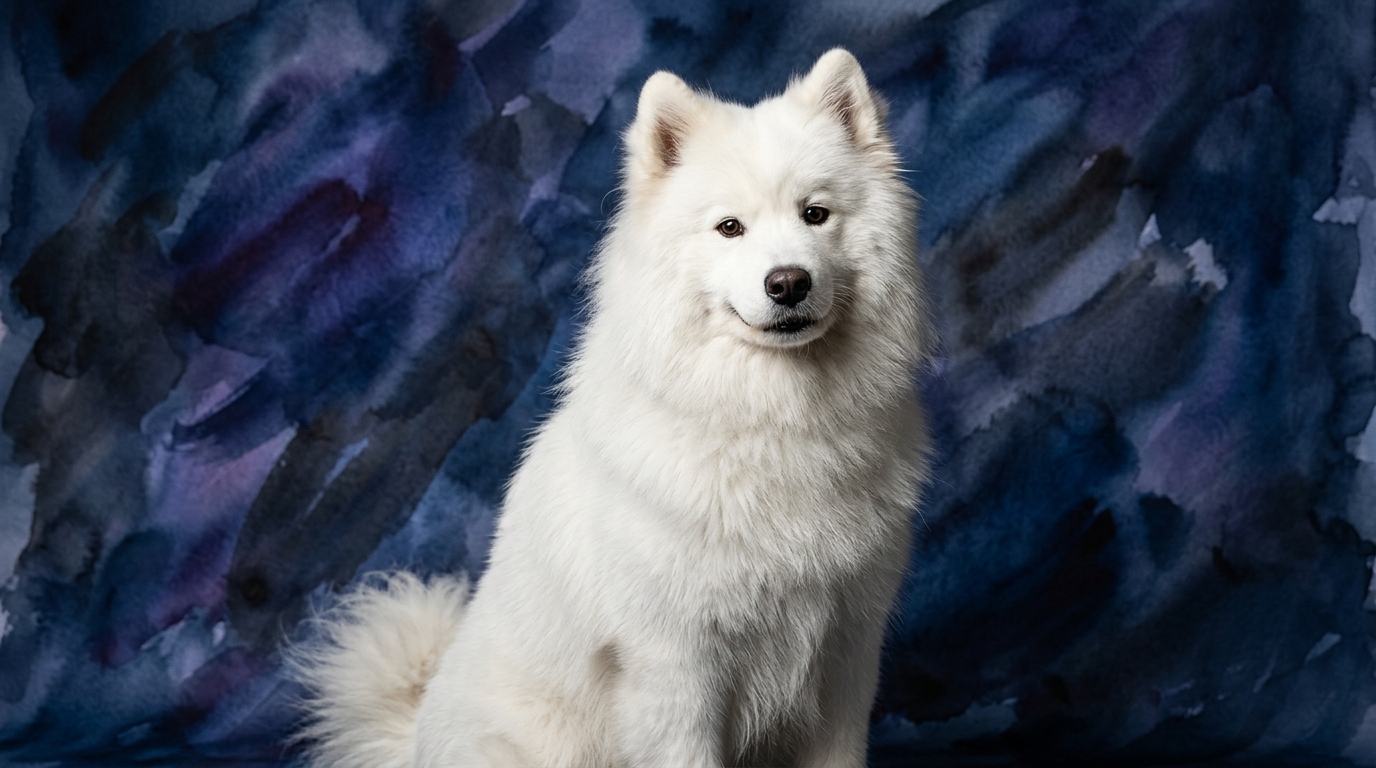
At The Cosmic Pet Pet IQ Lab, we evaluate canine cognition across five key dimensions, revealing the distinct mental frameworks of different breeds. The Samoyed, a robust working dog, holds a Coren rank of #33, indicating a notable capacity for understanding and obedience. Their Problem Solving is rated 3/5, suggesting a moderate ability to navigate challenges, while their Training Speed of 3/5 means they grasp new commands with fair readiness. A standout feature is their Social Intelligence at 5/5, reflecting an exceptional ability to read human cues and integrate into family dynamics. Their Instinctive Drive scores 4/5, rooted in a strong desire for purposeful tasks, and their Memory is a solid 3/5 for recalling routines and experiences.
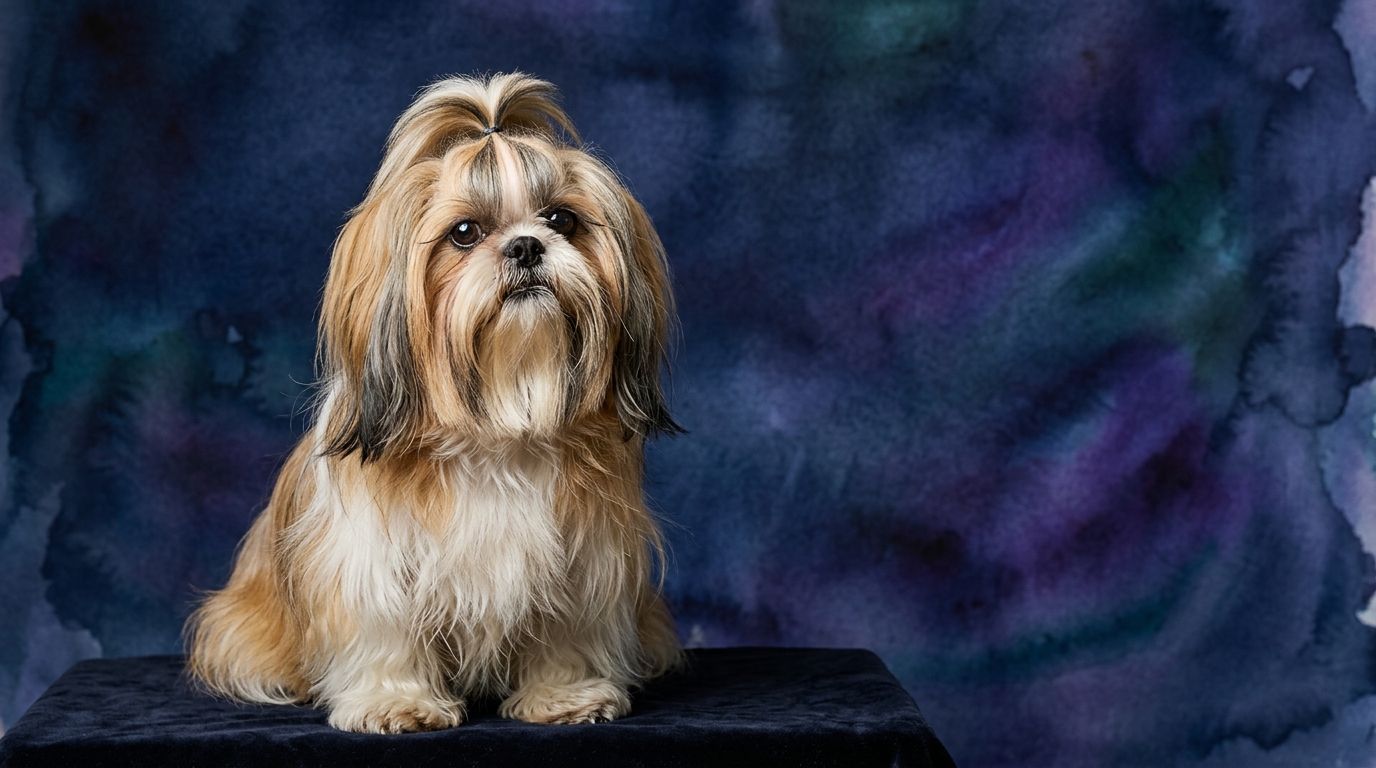
In contrast, the Shih Tzu, a cherished toy breed, is positioned at Coren rank #70, signaling a cognitive profile geared more towards companionship than complex work. They share a Problem Solving score of 3/5, often applied to navigating household environments or achieving comfort, and a Memory score of 3/5, reliably recalling learned behaviors. Their Training Speed, however, is 2/5, indicating a need for more patience and repetition during learning. Crucially, like the Samoyed, their Social Intelligence is an outstanding 5/5, underscoring their profound ability to connect emotionally with humans. Their Instinctive Drive is notably lower at 2/5, reflecting their history as lapdogs who prioritize interaction and comfort over strenuous activity.
Where the Samoyed Wins Cognitively
The Samoyed's cognitive advantages are deeply intertwined with their historical role as a working breed, excelling where purpose and active engagement are paramount. Their Instinctive Drive, rated at 4/5, is a clear differentiator; this inherent motivation, once channeled into herding reindeer and pulling sleds, now translates into a natural eagerness for structured activities and a desire to participate in challenging tasks. This drive makes them particularly adept at dog sports, advanced obedience, or any activity requiring sustained effort and direction.
Furthermore, the Samoyed’s Training Speed of 3/5 gives them a tangible edge in the learning process. Compared to breeds with lower scores, they typically assimilate new commands and routines more quickly, often displaying sustained focus once engaged. This responsiveness is a direct legacy of their working heritage, where rapid comprehension and execution were crucial for effective partnership with their human handlers. Their cognitive make-up predisposes them to collaborative learning and a willingness to perform under instruction, especially when tasks are varied and stimulating.
Where the Shih Tzu Wins Cognitively
While the Shih Tzu's cognitive profile may not emphasize traditional 'work,' their strengths are perfectly aligned with their role as devoted companions, making them uniquely adept in a home environment. Their Problem Solving score of 3/5, while numerically matching the Samoyed, is often deployed differently; Shih Tzus excel at navigating social situations, discerning the most comfortable resting spots, or subtly communicating their desires for attention. This isn't about solving complex external puzzles, but rather optimizing their immediate comfort and social landscape.
A significant 'win' for the Shih Tzu lies in their lower Instinctive Drive of 2/5. This isn't a cognitive deficiency but rather an evolutionary trait that makes them exceptionally content with a relaxed, indoor lifestyle. Unlike breeds with high working drives, the Shih Tzu experiences less innate need for strenuous activity or a 'job,' making them supremely adaptable to quiet homes, apartment living, and less active owners. Their cognitive design prioritizes social interaction and comfort, allowing them to thrive in environments where other breeds might become restless or destructive due to unmet drives. Their profound Social Intelligence (5/5) allows them to master the art of companionship, intuiting human moods and responding with comforting presence.
Which is Easier to Train and Why
When it comes to ease of training, the Samoyed generally presents a more straightforward path for owners, primarily due to their higher Training Speed (3/5) and robust Instinctive Drive (4/5). Their historical role required them to be responsive and collaborative, fostering an inherent desire to engage with and please their human partners. Samoyeds typically respond well to positive reinforcement, clear commands, and consistent training sessions, often showing genuine enthusiasm for learning new skills, especially when the activities are varied and mentally stimulating. Their drive can be effectively channeled into structured training, making them eager participants.
The Shih Tzu, with a Training Speed of 2/5, often requires a more patient and persistent approach. While capable of learning, their independent spirit and a primary focus on comfort can make them less inclined to perform tasks that don't immediately benefit them or provide social gratification. Owners may find they need to employ more creative techniques, higher-value rewards, and shorter, more engaging sessions to maintain a Shih Tzu's attention. House-training, in particular, can sometimes be a longer process due to their smaller bladder capacity and occasional stubbornness, requiring extra consistency and vigilance.
Which Suits Active Owners vs. Relaxed Owners
For active owners seeking a canine partner for adventures and engagement, the Samoyed is an ideal match. Their strong instinctive drive (4/5), coupled with their problem-solving abilities (3/5) and a robust physical build, means they thrive on consistent mental and physical stimulation. Samoyeds excel in activities like hiking, jogging, sledding, or participating in dog sports such as agility and obedience. An active owner can fully tap into their cognitive strengths by providing varied challenges, extended outdoor time, and opportunities for purposeful 'work,' preventing boredom and channeling their energy constructively.
Conversely, the Shih Tzu is perfectly suited for more relaxed owners or those with less active lifestyles. Their lower instinctive drive (2/5) and primary cognitive focus on social interaction (5/5) mean they are content with shorter, leisurely walks and prefer spending quality time indoors, often on a lap or nearby. They adapt beautifully to apartment living and are excellent companions for individuals who prioritize affectionate interaction and a calm home environment. Their cognitive profile is geared towards discerning social cues and enjoying the comforts of companionship, making them a low-maintenance choice in terms of physical exertion requirements.
The Verdict
Choose a Samoyed if you are an active individual or family seeking a communicative, engaging partner for outdoor activities, dog sports, and a collaborative training journey.
Opt for a Shih Tzu if you desire a devoted, adaptable companion for a relaxed indoor lifestyle, prioritizing affectionate interaction and a less demanding physical routine.
🧠 Find Your Pet's IQ Score
Our Pet IQ Lab assessment covers 25+ tests across 5 cognitive dimensions — personalized to your breed.
Take the Full IQ Test →Frequently Asked Questions
Are Samoyeds difficult to train?
Samoyeds possess a training speed of 3/5 and a strong instinctive drive, making them generally responsive to consistent, positive reinforcement. While they enjoy learning, their working dog independence means they benefit from clear leadership and engaging methods to prevent boredom.
Do Shih Tzus understand human emotions well?
Absolutely, Shih Tzus score 5/5 in social intelligence, indicating an exceptional ability to read and respond to human emotions and cues. This makes them incredibly empathetic and attuned companions, often anticipating their owner's needs for comfort or interaction.
Which breed is better for apartment living based on intelligence?
Based on their cognitive profiles, the Shih Tzu is generally better suited for apartment living due to their lower instinctive drive and contentment with a relaxed indoor routine. Samoyeds, with their higher drive and need for mental and physical engagement, require more space and structured activity to thrive in such environments.