Side-by-Side IQ Profile
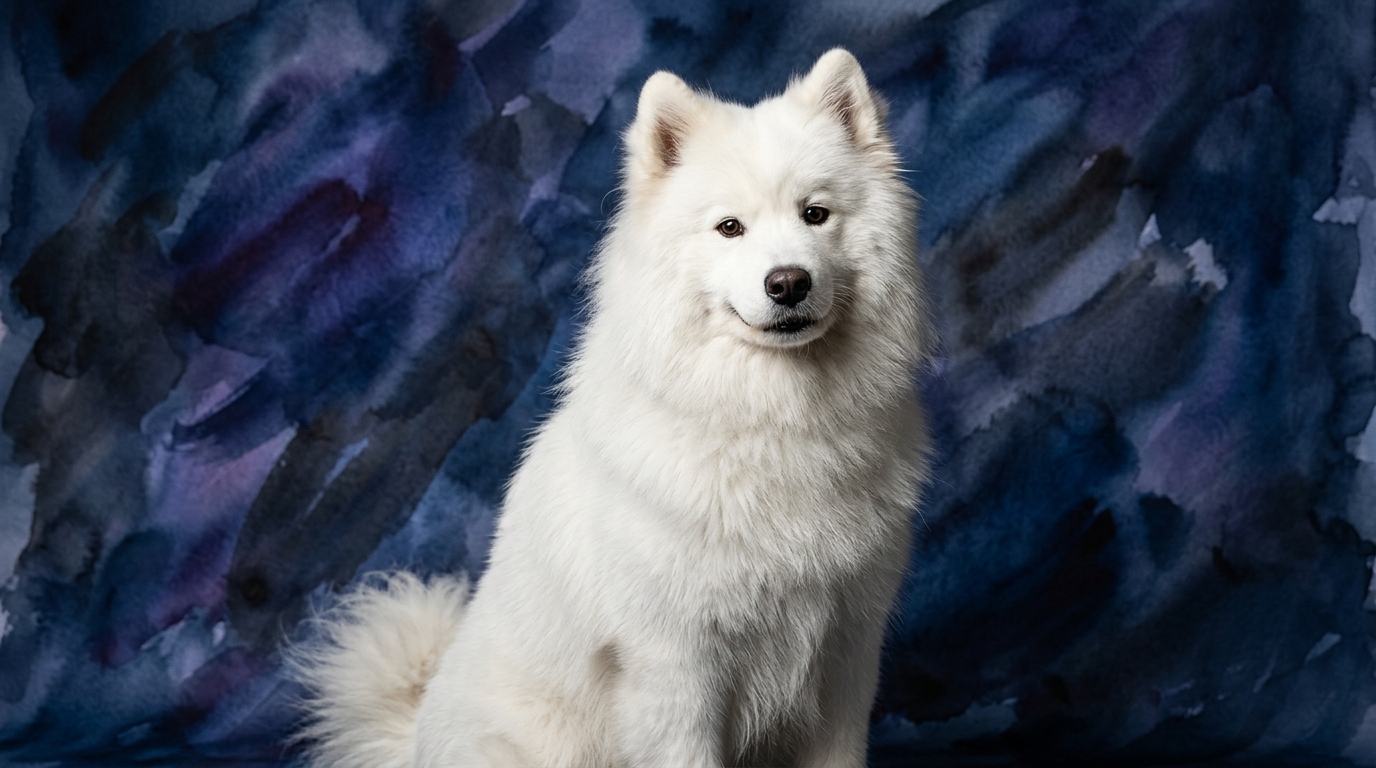
To genuinely understand the cognitive landscape of these two distinct breeds, we must examine their intellectual attributes across five key dimensions. The Samoyed, originating from the Arctic, brings a unique set of mental aptitudes shaped by centuries of herding and companionship. Its problem-solving ability scores a moderate 3 out of 5, indicating it can navigate complex situations and puzzles but may not always seek the most direct or obvious solution. Its training speed also registers at 3 out of 5, suggesting that while capable of learning, it requires consistent, engaging methods to truly solidify commands. Where the Samoyed truly shines is in social intelligence, scoring an exceptional 5 out of 5; these dogs are highly attuned to human emotions and social dynamics, thriving on interaction and connection. Their instinctive drive is robust at 4 out of 5, reflecting their heritage in pulling sleds and herding reindeer, a drive that needs appropriate outlets. Finally, their memory stands at a steady 3 out of 5, allowing them to retain routines and learned behaviors with regular reinforcement.
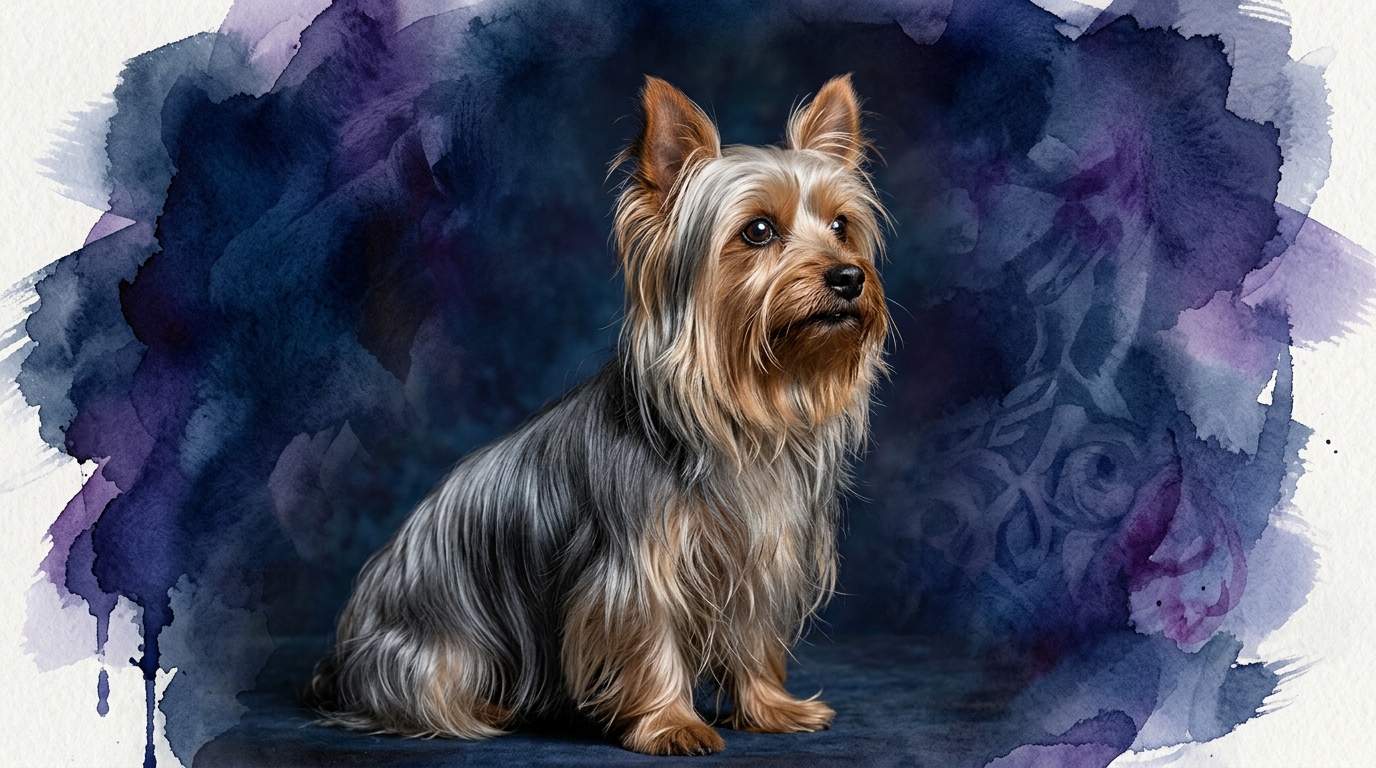
In contrast, the Silky Terrier, a vibrant companion dog, presents a different cognitive blueprint. Its problem-solving skills also score 3 out of 5, demonstrating an ability to overcome obstacles, often through tenacity and persistence rather than intricate strategic planning. Similarly, its training speed is a moderate 3 out of 5; while capable of learning, the Silky can be easily distracted or exhibit a characteristic terrier independence, demanding patient and creative instruction. Its social intelligence is 3 out of 5, indicating it forms strong bonds with its immediate family but may be more selective or reserved with strangers compared to the effusive Samoyed. The Silky Terrier's instinctive drive is 3 out of 5, reflecting a characteristic terrier prey drive and alertness, though less focused on complex working tasks. Its memory, like the Samoyed's, is a solid 3 out of 5, enabling it to recall learned behaviors and routines effectively with ongoing practice.
Where Samoyed Wins Cognitively
The Samoyed's most pronounced cognitive strength lies in its exceptional social intelligence, scoring a perfect 5 out of 5. This breed possesses an unparalleled capacity to read human emotions, understand social cues, and integrate seamlessly into a family unit. Their history as close companions to the Samoyede people, sleeping in their tents and working alongside them, has deeply ingrained a desire for connection and cooperation. This makes them profoundly empathetic and responsive partners, often anticipating their owner's moods and reacting with comforting presence or playful invitations. This level of social attunement means a Samoyed often learns through observation of human behavior and thrives on collaborative activities, making them highly engaged family members who actively seek to participate in daily life.
Furthermore, the Samoyed's robust instinctive drive, rated at 4 out of 5, provides a cognitive advantage in tasks requiring sustained purpose and physical engagement. This drive manifests as a strong desire to pull, herd, and perform duties, which can be channeled into various dog sports or activities like sledding, carting, or even competitive obedience. Their minds are wired to find satisfaction in purposeful work, allowing them to remain focused and motivated during challenging physical and mental exercises. This innate drive, coupled with their social intelligence, means they are often eager to learn and execute tasks when they perceive a shared goal with their human companions, leading to a profound sense of fulfillment for the dog.
Where Silky Terrier Wins Cognitively
While the Silky Terrier’s problem-solving, training speed, and memory scores align with the Samoyed at 3 out of 5, its unique cognitive strengths emerge from its terrier heritage. The Silky’s moderate instinctive drive (3/5), though lower than the Samoyed's, is characterized by a keen alertness and a persistent, often independent, approach to challenges. This translates into a quick reaction time and an ability to swiftly detect changes in their environment, making them excellent, albeit sometimes vocal, watchdogs. Their cognitive process in problem-solving often involves a tenacious, trial-and-error method, where they might not devise the most elegant solution but will relentlessly pursue a goal until it’s achieved, showcasing a distinct form of intellectual resilience.
Moreover, the Silky Terrier's moderate social intelligence (3/5), while less effusive than the Samoyed's, allows for a different kind of cognitive advantage in specific contexts. Their independent streak means they are often less reliant on constant human direction and can make quick, self-reliant decisions. This trait can be beneficial in situations where immediate, individual action is required, such as navigating a novel environment or reacting to unexpected stimuli without waiting for human input. While they form deep bonds, their cognitive framework permits a degree of self-sufficiency, which, when properly understood and managed, can be a valuable asset for owners who appreciate a dog with a strong sense of self and an alert, inquisitive mind.
Which is Easier to Train and Why
When evaluating ease of training, both Samoyeds and Silky Terriers share a moderate training speed score of 3 out of 5, suggesting neither breed is inherently a "quick study" compared to top-tier obedience breeds. However, their distinct cognitive profiles significantly influence the *approach* and *experience* of training.
The Samoyed, with its exceptional social intelligence (5/5), often approaches training with a strong desire to cooperate and please its human companion. They are highly responsive to positive reinforcement, praise, and the opportunity for shared activity. Their cognitive framework makes them receptive to subtle cues and emotional feedback from their trainers. However, their independent streak, stemming from their working dog heritage, means they can sometimes appear "stubborn" if they don't understand the purpose of a command or if they find something more interesting. Consistent, joyful, and reward-based training sessions that tap into their desire for companionship and their instinctive drive (4/5) for purposeful work are essential. They learn best when they feel like an active participant in a collaborative effort.
Conversely, the Silky Terrier, also with a 3 out of 5 training speed, presents a different set of training dynamics. Their moderate social intelligence (3/5) means they might not possess the same inherent drive to please as a Samoyed. Instead, a Silky often operates with a "what's in it for me?" mindset, characteristic of many terriers. They are intelligent but can be easily distracted by novel stimuli or display a stubborn streak if the training isn't engaging enough. Their moderate instinctive drive (3/5), which includes a strong prey drive, can make recall a significant challenge without rigorous, consistent training. To succeed with a Silky, trainers must employ highly varied, short, and stimulating sessions, using high-value rewards to capture and maintain their attention. Their independent nature means they respond best to clear, firm, and consistent boundaries, coupled with positive reinforcement that makes learning feel like a fun game. Neither is "easy" in the sense of being effortless, but the Samoyed's social cooperative nature often makes the *process* feel more collaborative, while the Silky requires more strategic engagement to overcome its independent tendencies.
Which Suits Active Owners vs Relaxed Owners
Matching a dog's cognitive and physical needs with an owner's lifestyle is crucial for a harmonious relationship. For active owners, the Samoyed stands out as an ideal companion. Its robust instinctive drive (4/5) means it genuinely thrives on consistent physical and mental engagement. These dogs were bred for endurance and purpose, requiring daily, substantial exercise like long hikes, running, or engaging in dog sports such as agility, obedience, or even urban mushing. Their exceptional social intelligence (5/5) means they not only tolerate but deeply enjoy being an integral part of an active family's adventures, often becoming enthusiastic partners in outdoor pursuits. An owner who can provide outlets for their desire to "work" and explore will find the Samoyed to be a wonderfully fulfilled and engaging companion.
For owners with a more relaxed lifestyle, the Silky Terrier often presents a more suitable match, though "relaxed" does not equate to "sedentary." While energetic, their smaller size and moderate instinctive drive (3/5) mean their exercise requirements are generally met with daily walks, active indoor play, and short bursts of outdoor activity. They are adaptable to apartment living, provided they receive sufficient mental stimulation to prevent boredom, which can lead to undesirable behaviors. Their moderate social intelligence (3/5) allows them to be content with close family interaction without the constant, intense need for collaborative engagement seen in Samoyeds. A relaxed owner who enjoys engaging their dog with puzzle toys, short training sessions, and consistent, moderate physical activity will find the Silky Terrier to be an alert, spirited, and affectionate presence without the demanding exercise regimen of a working breed.
The Verdict
Choose the Samoyed if you seek a highly social, engaged canine partner for an active lifestyle, willing to invest in consistent training to channel their working instincts and nurture their profound desire for companionship.
Opt for the Silky Terrier if you appreciate a spirited, alert companion with a moderate activity level, suitable for more compact living spaces, and enjoy engaging their independent spirit with varied mental challenges.
🧠 Find Your Pet's IQ Score
Our Pet IQ Lab assessment covers 25+ tests across 5 cognitive dimensions — personalized to your breed.
Take the Full IQ Test →Frequently Asked Questions
Are Samoyeds difficult to train?
Samoyeds possess moderate training speed (3/5), meaning they are capable learners but require consistency and positive reinforcement. Their high social intelligence makes them eager to please, but their independent streak means training should be engaging and purposeful to achieve the best results.
Do Silky Terriers need a lot of exercise?
Silky Terriers have a moderate instinctive drive (3/5) and are energetic, but their exercise needs are typically met with daily walks and active indoor play. They require mental stimulation to prevent boredom, making puzzle toys and short training sessions important for their well-being.
Which breed is better with children?
Samoyeds, with their exceptional social intelligence (5/5) and gentle nature, often thrive in families with children when properly socialized and supervised. Silky Terriers, while loyal, can be more sensitive and might prefer older, respectful children due to their smaller size and independent temperament.