Side-by-Side Cognitive Profile
At The Cosmic Pet Pet IQ Lab, we assess canine intelligence across five critical dimensions: Problem Solving, Training Speed, Social Intelligence, Instinctive Drive, and Memory. While both the Samoyed and Smooth Fox Terrier demonstrate distinct cognitive profiles, their scores reveal interesting differences in how they perceive and interact with their world.
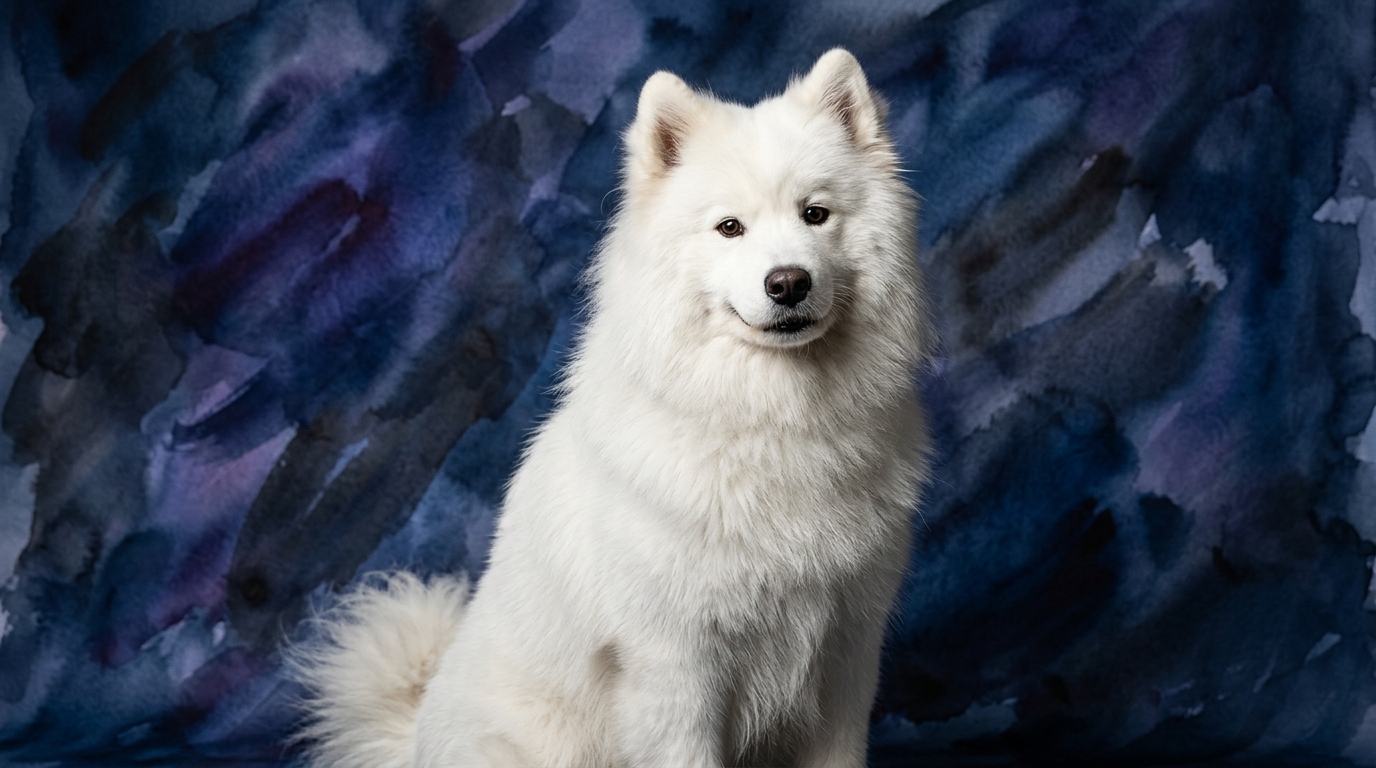
The **Samoyed**, a dog from the Working group, exhibits a Problem Solving score of 3/5, indicating an aptitude for practical solutions in varied environments. Their Training Speed is also 3/5, suggesting they learn at a moderate pace with engaging methods. A standout feature is their exceptional Social Intelligence at 5/5, highlighting their deep connection to human companions. Their Instinctive Drive is strong at 4/5, reflecting their heritage in demanding tasks, while their Memory stands at 3/5, allowing for good retention of experiences and training.
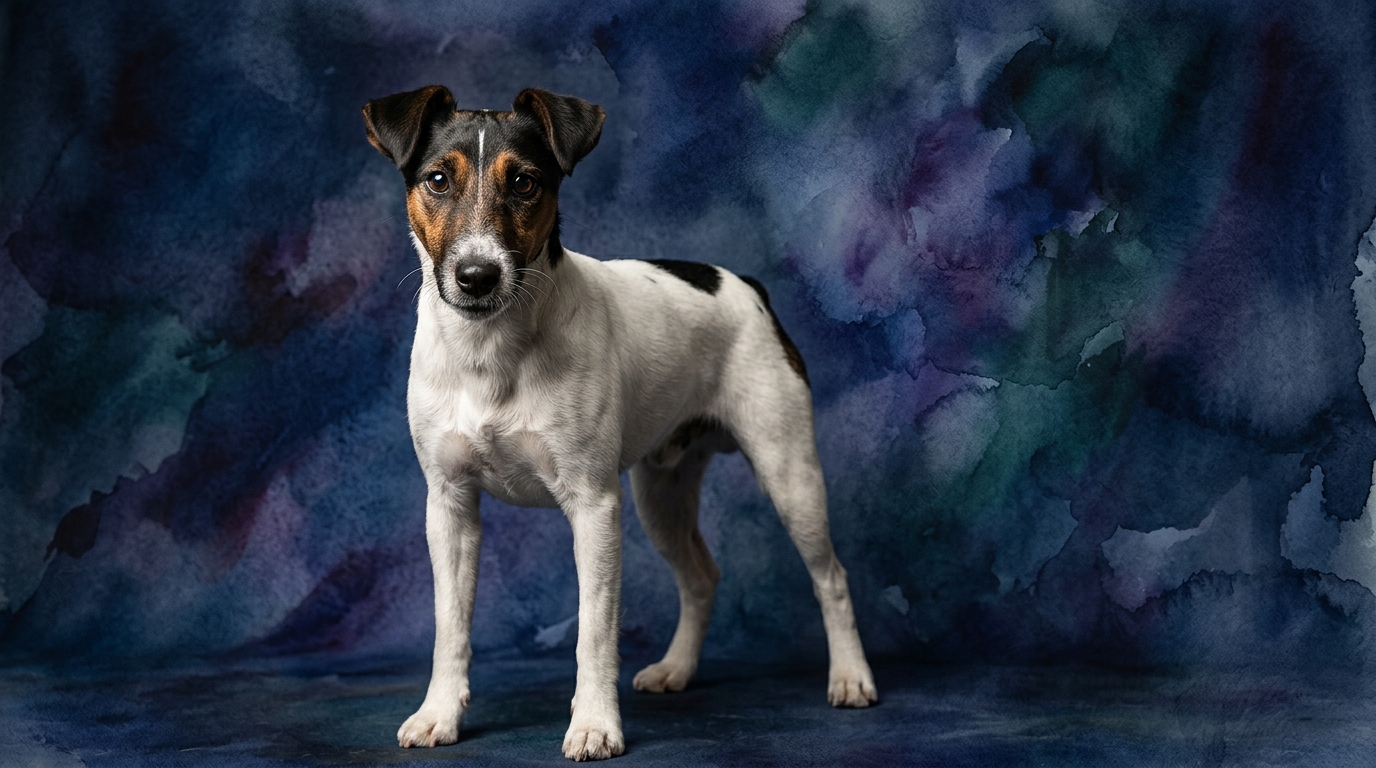
The **Smooth Fox Terrier**, a dog from the Terrier group, shares a Problem Solving score of 3/5, often applied to tenacious pursuit or navigating complex physical spaces. Their Training Speed is 3/5, requiring consistent, stimulating approaches. Their Social Intelligence is 3/5, denoting loyalty to their inner circle but potentially more reserved interactions otherwise. An Instinctive Drive of 3/5 underscores their historical role in hunting, manifesting as focused determination. Like the Samoyed, their Memory is 3/5, enabling them to recall routines and associations effectively.
Where the Samoyed Excels Cognitively
The Samoyed's preeminent cognitive strength lies in its profound Social Intelligence, scoring a rare 5/5. This indicates an exceptional capacity to understand and respond to human emotions, intentions, and social cues. They are deeply attuned companions, often anticipating their owner's needs or reacting empathetically to moods, making them highly collaborative partners in daily life and activities.
While both breeds score 3/5 in Problem Solving, the Samoyed's higher Instinctive Drive (4/5) for working and their superior social acumen often channel their problem-solving skills towards collaborative efforts. Whether it's figuring out how to engage their family in play or working alongside humans in a task, their cognitive processes are frequently geared towards achieving shared goals within a social context, leveraging their understanding of human interaction.
Where the Smooth Fox Terrier Excels Cognitively
The Smooth Fox Terrier's cognitive advantages manifest in their independent problem-solving and remarkable persistence. Despite a 3/5 Problem Solving score, their tenacity, fueled by their terrier instincts, means they will diligently work at a challenge. This might involve cleverly finding a hidden object or figuring out how to overcome a barrier, often demonstrating a focused, single-minded determination until their objective is met.
Their historical role as hunters required a keen awareness of their physical environment, navigating complex terrain and detecting subtle cues. This translates to an acute environmental acuity; they often notice details, scents, or movements that others might miss, utilizing this information to solve immediate, practical problems related to their surroundings. This focused observational skill is a hallmark of their cognitive approach.
Training Dynamics: Samoyed vs. Smooth Fox Terrier
When considering trainability, both breeds share a Training Speed score of 3/5, yet their approaches to learning differ significantly due to their distinct social and instinctive drives. The Samoyed, with its exceptional social intelligence, often proves easier to train in terms of willingness to engage and desire to please their human companions. They respond enthusiastically to positive reinforcement, praise, and interactive methods.
However, Samoyeds possess an independent streak, a remnant of their working heritage where they often made decisions autonomously. They are not blindly obedient and thrive when they understand the purpose behind a command or are convinced through engaging rewards. While they may test boundaries, their fundamental desire for collaboration makes them receptive to consistent, fair, and positive training techniques.
The Smooth Fox Terrier, while also scoring 3/5 in Training Speed, can present more challenges due to their independent nature and powerful prey drive. Their focus can be easily diverted by environmental stimuli, demanding highly engaging and varied training sessions to maintain their attention. Their historical role required self-reliance and quick, decisive action in the field, not necessarily strict adherence to commands.
Successful training with a Smooth Fox Terrier requires immense consistency, patience, and creativity. Training often needs to be framed as a game or puzzle to capture their interest and prevent boredom-driven mischief. Owners must be prepared to be more persistent and inventive to channel their inherent drive into desired behaviors.
Matching Canine Companions to Lifestyles
The Samoyed, with its robust Instinctive Drive (4/5) for work and unparalleled social intelligence, thrives with active owners who can fully integrate them into family life and activities. They demand substantial physical exercise, whether it's long walks, adventurous hikes, or participation in dog sports like agility or pulling. Beyond physical exertion, their deep need for social interaction means they flourish when included in family outings and receive consistent attention and collaborative engagement. Owners who enjoy shared adventures and can provide both physical and mental stimulation will find a Samoyed an immensely joyful and devoted companion.
Neither breed truly suits a 'relaxed' owner in the sense of minimal engagement, as both demand consistent interaction. However, the Smooth Fox Terrier's activity profile might better suit an owner whose focus is on bursts of intense play and mental challenges rather than sustained endurance activities. Their problem-solving (3/5) and focused instinctive drive (3/5 for hunting) mean they need regular outlets for their energy and cunning, like vigorous games of fetch, puzzle toys, or scent work that taps into their natural instincts. An owner who appreciates a spirited, tenacious companion and can provide a secure, stimulating environment with consistent, engaging play will find the Smooth Fox Terrier a lively and rewarding partner.
The Cosmic Pet Verdict
The Verdict
Choose a Samoyed if you value a highly social, collaborative companion who thrives on shared activities and empathetic connection, and you can provide ample physical exercise in a family-oriented environment.
Opt for a Smooth Fox Terrier if you appreciate a spirited, independent, and tenacious companion who excels at focused, goal-oriented tasks and enjoys engaging in vigorous play and mental challenges.
🧠 Find Your Pet's IQ Score
Our Pet IQ Lab assessment covers 25+ tests across 5 cognitive dimensions — personalized to your breed.
Take the Full IQ Test →Frequently Asked Questions
Are Samoyeds difficult to train?
Samoyeds learn effectively (Training Speed 3/5) but benefit most from positive reinforcement and engaging methods due to their independent streak. Their high social intelligence means they respond well to humans they trust and respect, making consistency and clear communication vital.
Do Smooth Fox Terriers get along with other pets?
Smooth Fox Terriers possess a strong prey drive, which means careful introductions and constant supervision are essential, especially with smaller pets. While their social intelligence (3/5) allows them to coexist, their natural instincts require thoughtful management and training.
Which breed is better for first-time dog owners?
Both breeds present unique challenges, but a Samoyed's strong social intelligence and desire for companionship might make them slightly more forgiving for a first-time owner committed to consistent training and exercise. Smooth Fox Terriers often require a more experienced owner who understands terrier tenacity and can provide consistent, engaging mental stimulation.