A Side-by-Side Look at Cognitive Profiles
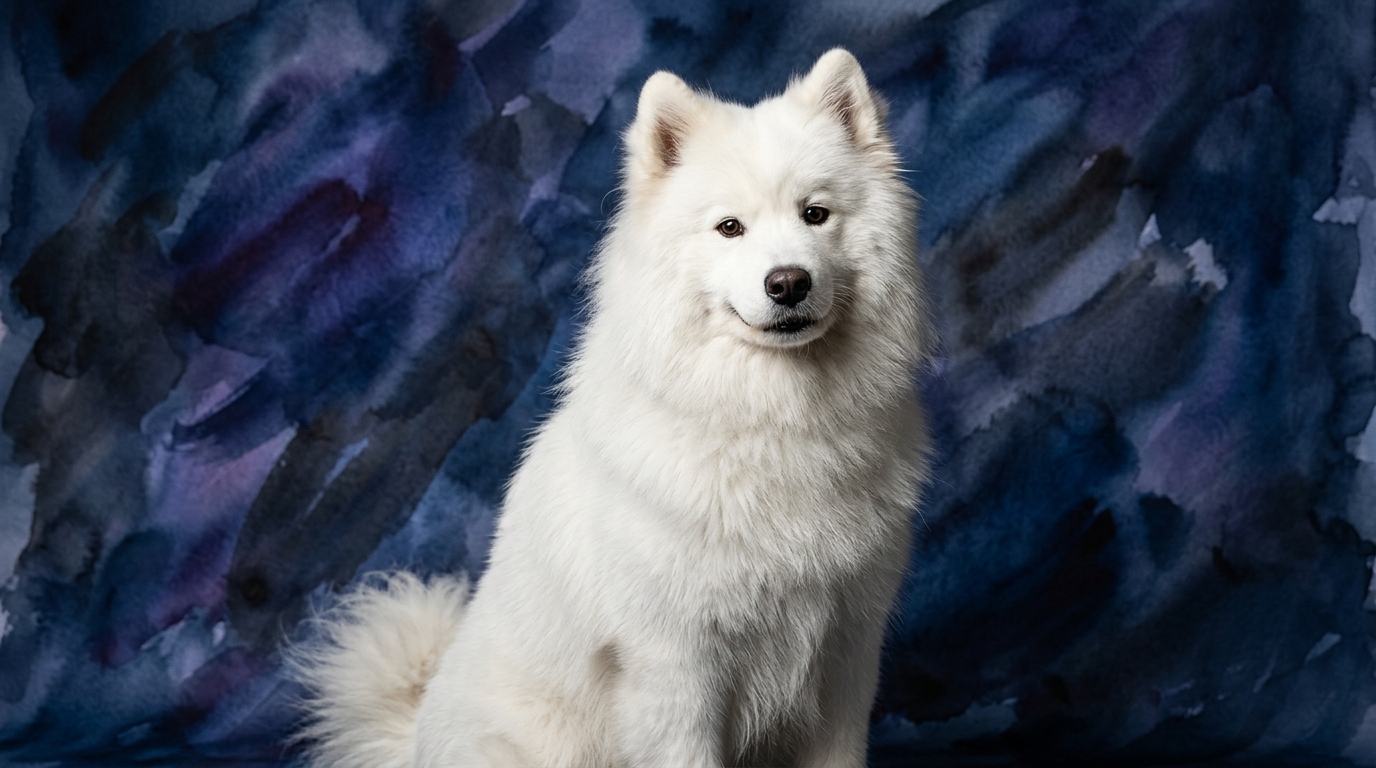
The Samoyed, a Working group dog, holds Coren rank #33, indicating a respectable capacity for learning and obedience. Its cognitive breakdown includes Problem Solving (3/5), suggesting a practical rather than innovative approach to challenges, and Training Speed (3/5), meaning it learns at a moderate pace, benefiting from consistent, engaging methods. Where the Samoyed truly shines is in Social Intelligence (5/5), demonstrating an exceptional ability to read and respond to human emotions and social cues, fostering deep bonds. Its Instinctive Drive (4/5) is robust, reflecting its heritage in pulling sleds and vocalizing, while Memory (3/5) is solid for retaining commands and routines with regular reinforcement.
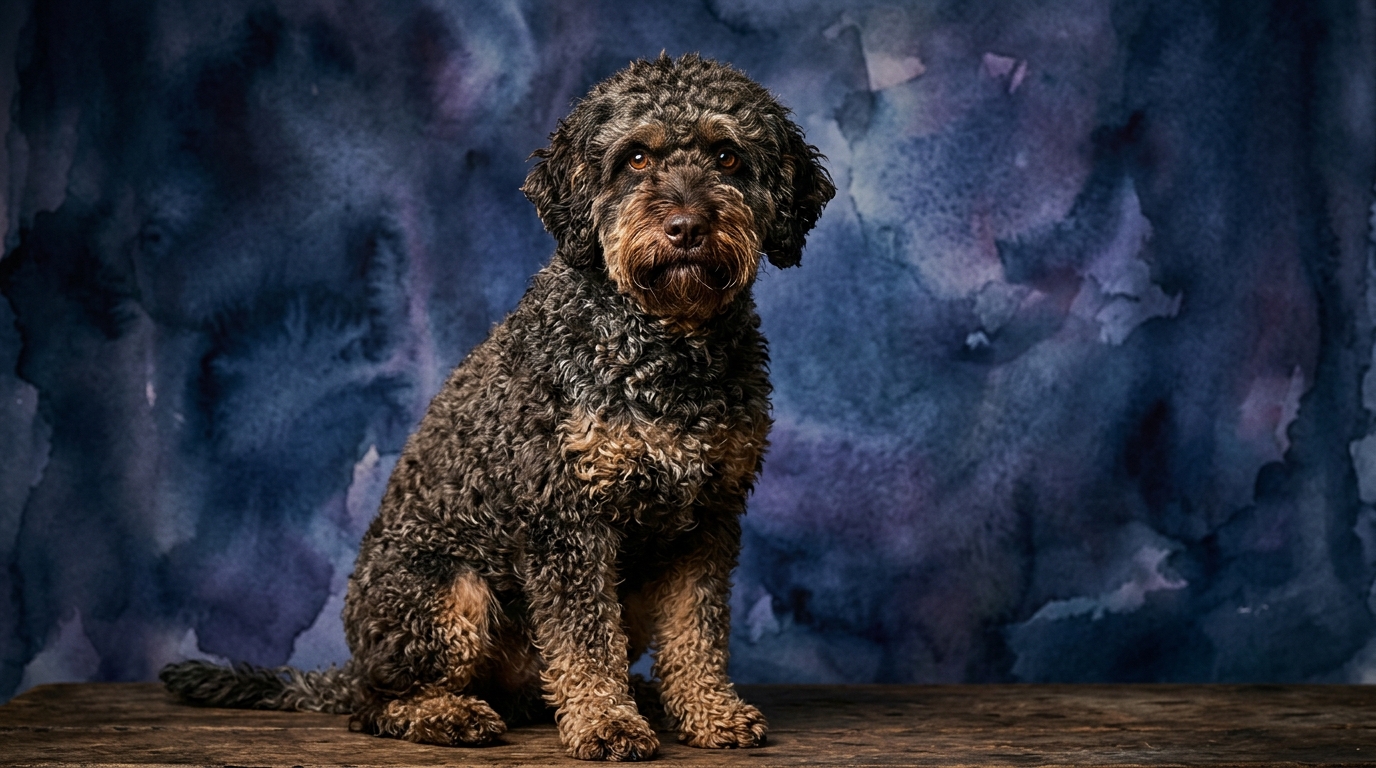
The Spanish Water Dog, from the Herding group and not Coren-ranked, presents a slightly different cognitive profile. It shares a Problem Solving score of 3/5, indicating an ability to navigate tasks, particularly those related to its herding and guarding roles, but without a strong inclination for abstract innovation. Its Training Speed is also 3/5, learning steadily but often requiring motivation tied to task completion and a firm, consistent handler. In Social Intelligence, the Spanish Water Dog scores 3/5, being responsive to its immediate family but often reserved with strangers, prioritizing its inner circle. Its Instinctive Drive is 3/5, manifesting as strong herding and guarding behaviors, while Memory is 3/5, allowing for good recall of learned tasks and people, especially with consistent practice.
Where the Samoyed's Mind Truly Shines
The Samoyed's standout cognitive strength lies unequivocally in its social intelligence, scoring a perfect 5/5 compared to the Spanish Water Dog's 3/5. This isn't merely about being friendly; it signifies a profound ability to understand and integrate into human social structures. A Samoyed is exceptionally attuned to subtle shifts in human mood, body language, and vocal tone, making them incredibly empathetic and responsive companions. They often seek to collaborate and engage with their people, demonstrating a sophisticated awareness of social cues that allows for deep, nuanced interactions. This superior social acumen facilitates a remarkable bond, where the Samoyed can almost anticipate needs and offer comfort, making them profoundly integrated family members.
The Spanish Water Dog's Unique Cognitive Edge
While the Spanish Water Dog's individual cognitive scores don't surpass the Samoyed's in any single dimension, its unique cognitive edge resides in the specific application of its instinctive drives, particularly those related to its herding and guarding heritage. Scoring a 3/5 in instinctive drive, their intelligence is keenly channeled towards practical, task-oriented work rather than broad social engagement. The Spanish Water Dog's mind excels at assessing dynamic situations, managing livestock, or discerning potential threats within its designated territory. Their cognitive processing is highly efficient for vigilance and swift, decisive action in response to environmental stimuli relevant to their historical roles, making them astute and focused problem-solvers in situations demanding territorial oversight or flock management.
Training Dynamics: Which Breed is More Accessible?
Both the Samoyed and the Spanish Water Dog share a Training Speed score of 3/5, suggesting a moderate learning pace, yet their approachability in training differs significantly due to their inherent temperaments. The Samoyed, with its exceptional social intelligence (5/5), often responds with enthusiasm to positive reinforcement and training methods that foster a strong partnership. Their innate desire to please and their collaborative spirit mean they thrive on engaging, reward-based sessions that feel like a shared activity. However, their independent streak and propensity for vocalization can sometimes challenge sustained focus, requiring patient, creative trainers who can maintain high levels of motivation and engagement.
In contrast, the Spanish Water Dog's training is often fueled by its strong work ethic and innate drive for purposeful activity. While they may not always display the same overt eagerness to please as a Samoyed, their focus on task completion and their desire to have a 'job' make them highly receptive to consistent, structured training with clear objectives. Their potential for independence and occasional stubbornness, however, means they require a confident, experienced handler who can establish clear boundaries and consistent expectations, preventing them from attempting to outsmart their trainer. Therefore, while both breeds learn at a similar rate, the Samoyed might feel 'easier' for owners who prioritize social engagement and gentle persuasion, whereas the Spanish Water Dog responds best to structured, task-oriented guidance from a firm, fair leader.
Tailoring to Lifestyles: Active vs. Relaxed Owners
For truly active owners, both breeds present compelling qualities, albeit with distinct needs. The Spanish Water Dog, with its strong herding and guarding instincts and robust energy levels, thrives on consistent, vigorous physical activity and demanding mental engagement. They are natural athletes, excelling in dog sports like agility, obedience, and dock diving, and absolutely require daily outlets for their boundless energy to remain balanced and content. Their cognitive need to 'work' means they are best suited for owners who can provide structured activities that directly tap into their innate drives, effectively preventing boredom and potential destructive behaviors that arise from unspent energy.
The Samoyed also requires significant daily activity, a legacy of their sled-pulling heritage. They relish long walks, hikes, and opportunities for 'pulling' activities such as canicross or skijoring. However, their exceptional social intelligence means their activity needs are equally balanced with a profound requirement for human interaction and companionship; they are not content to be left alone for extended periods. For a relaxed owner, neither breed is an ideal fit for a truly sedentary lifestyle. While a Samoyed might adapt slightly better to periods of quiet companionship if their substantial exercise and social needs are consistently met, a Spanish Water Dog is far less likely to be 'relaxed' without a consistent, challenging outlet for both its physical and mental energy, making them a more demanding choice for a truly laid-back lifestyle.
The Verdict
Choose a Samoyed if you seek an exceptionally socially intelligent and empathetic companion who thrives on deep human connection and collaborative activities. Their desire to engage and their gentle nature make them wonderful family members, provided their significant exercise needs and consistent grooming requirements are met.
Choose a Spanish Water Dog if you are an experienced, active owner seeking a vigilant, task-oriented partner who excels in structured activities and thrives on having a 'job.' Their independent spirit and robust energy demand consistent training and ample outlets for their strong herding and guarding instincts.
🧠 Find Your Pet's IQ Score
Our Pet IQ Lab assessment covers 25+ tests across 5 cognitive dimensions — personalized to your breed.
Take the Full IQ Test →Frequently Asked Questions
Are Samoyeds difficult to train?
Samoyeds are moderately trainable (3/5 training speed) but their independent nature requires consistent, engaging, and positive reinforcement methods. Their high social intelligence means they respond well to trainers who build a strong, collaborative relationship, but their vocal tendencies can sometimes be a distraction.
Do Spanish Water Dogs bark a lot?
Spanish Water Dogs can be prone to barking due to their strong guarding and herding instincts (3/5 instinctive drive). They may bark to alert their family to strangers, perceived threats, or out of boredom if their mental and physical exercise needs are not adequately met. Consistent training and early socialization can help manage this.
Which breed is better with children?
The Samoyed, with its exceptional social intelligence (5/5), is generally known for being very gentle and patient with children, often integrating deeply into family life. The Spanish Water Dog (3/5 social intelligence) can be good with children in their immediate family but may be more reserved with unfamiliar children and requires supervision due to their herding instincts, which might lead to nipping at heels.