Side-by-Side IQ Profile
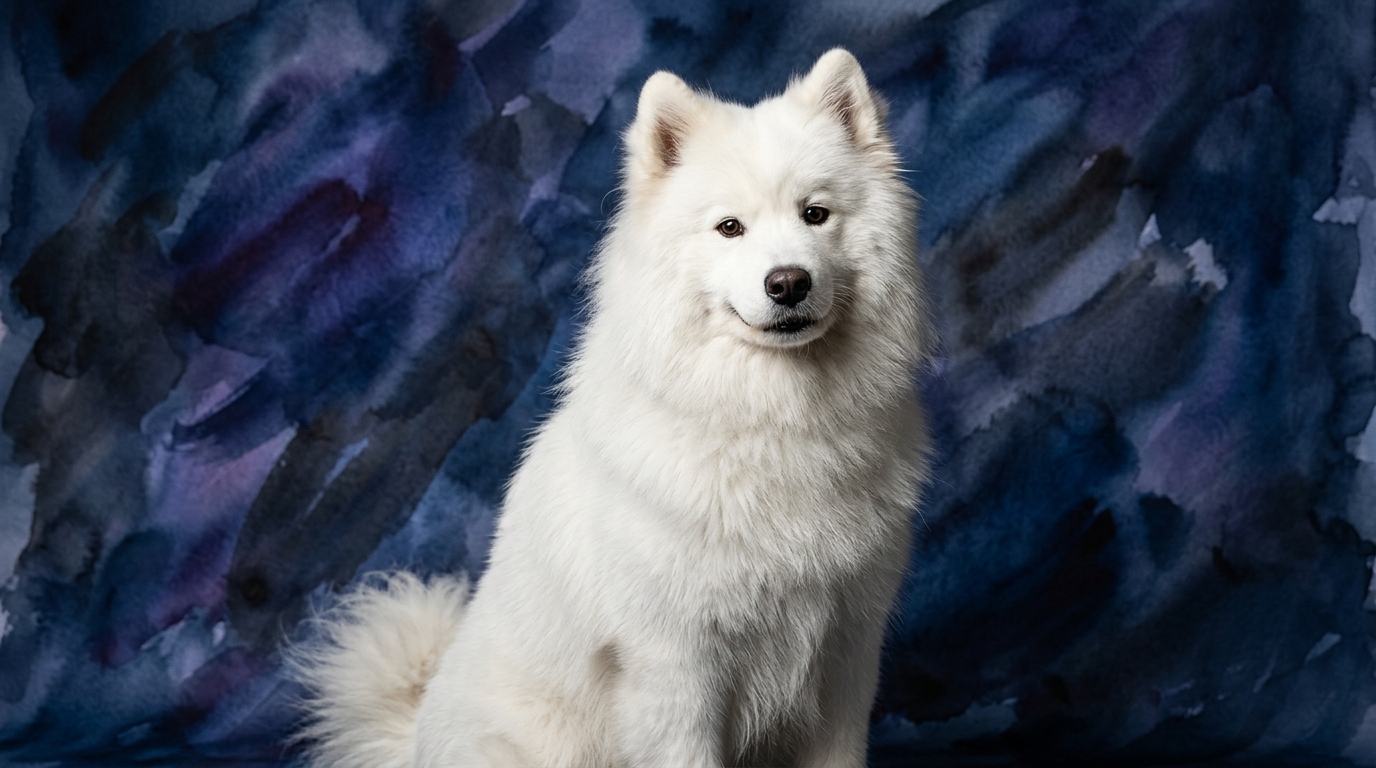
**Samoyed:**
**Problem Solving (3/5):** Samoyeds demonstrate a practical problem-solving ability, often applying learned solutions to new situations rather than inventing novel approaches. This score reflects their capacity to navigate complex terrain or manage livestock with established patterns.
**Training Speed (3/5):** While not the fastest learners, Samoyeds are capable of picking up commands and routines with consistent, positive reinforcement. Their training speed is influenced by their desire to cooperate, balanced with an independent streak.
**Social Intelligence (5/5):** This breed excels in understanding human emotions and social cues, forming deep, empathic bonds with their families. Their high social intelligence makes them attuned companions, often anticipating needs and reacting sensitively to their environment.
**Instinctive Drive (4/5):** Driven by their history of sledding and herding, Samoyeds possess a strong innate motivation to work and be part of a team. This drive manifests as a need for purposeful activity and engagement, making them thrive with tasks.
**Memory (3/5):** Samoyeds possess a functional memory for commands, routines, and experiences, allowing them to retain training and recall past interactions. While not exceptional, it's sufficient for daily life and consistent training reinforcement.
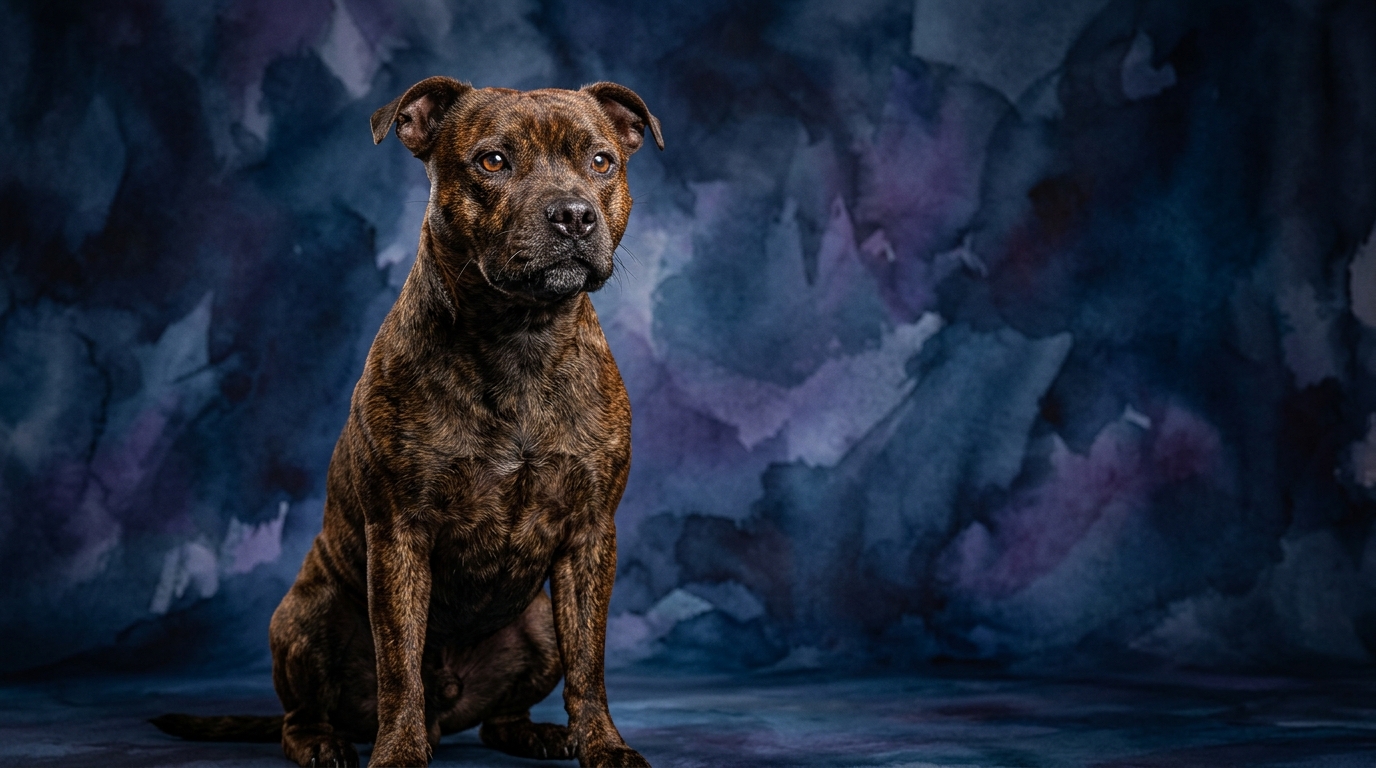
**Staffordshire Bull Terrier:**
**Problem Solving (3/5):** Staffordshire Bull Terriers exhibit a focused problem-solving approach, often applying tenacity to achieve a desired outcome, particularly when motivated by play or a specific goal. This score reflects their determination in overcoming obstacles in their path.
**Training Speed (3/5):** Staffies learn at a moderate pace, requiring engaging and consistent methods to maintain their interest. Their training success often hinges on making the process enjoyable and rewarding, tapping into their desire for interaction.
**Social Intelligence (3/5):** While deeply devoted to their immediate family, Staffies show a moderate level of social intelligence, primarily focused on their inner circle. They are affectionate and responsive to their trusted humans but may not possess the same broad social awareness as some other breeds.
**Instinctive Drive (3/5):** Their instinctive drive, while present, is typically geared towards companionship, play, and sometimes a terrier's natural inclination for chasing or digging. This drive is less about complex working tasks and more about engaging with their environment and people.
**Memory (3/5):** Staffies have a practical memory for routines, commands, and the people they love, allowing them to build strong associations. Their recall is reliable for consistent training, making them capable of retaining learned behaviors over time.
Where Samoyed Wins Cognitively
The Samoyed's cognitive strengths truly shine in the realm of social interaction and purposeful activity. With a remarkable 5/5 in Social Intelligence, they stand out as highly empathetic and communicative companions. This isn't just about being friendly; it means a Samoyed is exceptionally adept at reading human body language, understanding vocal tones, and even anticipating their owner's moods or intentions. This profound social awareness fosters a cooperative spirit, making them intuitive partners in daily life and during training sessions where they often strive to please. Their ability to form deep, reciprocal bonds goes beyond simple affection, reflecting a nuanced understanding of social dynamics within their family unit.
Furthermore, their Instinctive Drive score of 4/5 points to a breed with a strong internal motivation for engagement and task fulfillment. Originating from working lines, Samoyeds possess an inherent desire to contribute, whether it’s pulling a sled, herding, or participating in dog sports. This drive translates into a persistent focus when given a "job" to do, enabling them to tackle multi-step tasks with enthusiasm and resilience. While their Problem Solving and Training Speed are rated at 3/5, their high social intelligence and drive often make them *appear* more capable, as they are motivated to apply their moderate problem-solving skills to achieve a shared goal with their human.
Where Staffordshire Bull Terrier Wins Cognitively
While the Samoyed's strengths lie in social nuance and cooperative work, the Staffordshire Bull Terrier demonstrates a unique cognitive resilience and focus, particularly within their 3/5 scores. Their Problem Solving at 3/5, combined with their characteristic tenacity, means they are incredibly determined when pursuing a goal. This isn't about complex, abstract reasoning, but rather a persistent, often physical, approach to overcoming obstacles. A Staffy might not devise an elaborate plan to open a gate, but they will likely try every angle, push, or pull with unwavering dedication until they succeed or are redirected. This focused persistence is a distinct cognitive advantage in specific scenarios.
Their Instinctive Drive, also at 3/5, means their energy is often directed towards intense bursts of play and interaction rather than sustained, complex working tasks. This can be a significant advantage for owners seeking a companion whose needs are met through vigorous games of fetch, agility, or structured training, without the constant demand for a 'job' that breeds with higher instinctive drives might exhibit. This manageable drive allows their moderate Social Intelligence (3/5) to be intensely focused on their immediate family, creating incredibly loyal and affectionate bonds where their devotion is absolute. They may not read the room as broadly as a Samoyed, but their connection to their chosen people is profound and unwavering, a cognitive 'win' for those seeking singular devotion.
Which is Easier to Train and Why
Comparing the ease of training between the Samoyed and the Staffordshire Bull Terrier reveals how similar IQ scores can lead to different experiences. Both breeds are rated 3/5 for Training Speed and Memory, suggesting they can learn and retain commands at a moderate pace. However, the Samoyed’s significantly higher Social Intelligence (5/5) provides a distinct edge. Samoyeds possess an innate desire to cooperate and a deep understanding of human intent, making them highly responsive to their owner's cues and emotions. This means they often *want* to learn and please, which can make the training process feel more fluid and rewarding. Their natural inclination to work collaboratively, stemming from their sledding and herding heritage, means they are often more inclined to accept direction and integrate into a team dynamic with their handler.
In contrast, the Staffordshire Bull Terrier, while capable and eager to please its beloved family, has a Social Intelligence score of 3/5. This doesn't imply a lack of affection, but rather a more independent approach to learning. Staffies can sometimes exhibit a 'terrier stubbornness,' where their focus might be more on their own immediate desires or environmental stimuli than on their handler's instructions. Training a Staffy requires consistent, engaging, and highly motivating methods, often leveraging their love for play and food. While they learn at the same speed as a Samoyed, their lower social intelligence might mean they require more explicit motivation and patience to overcome their independent streak, making the *process* of training feel more challenging for some owners, despite their equal cognitive capacity for retention.
Which Suits Active Owners vs Relaxed Owners
When considering lifestyle compatibility, the cognitive profiles of the Samoyed and Staffordshire Bull Terrier offer clear distinctions. The Samoyed, with its 4/5 Instinctive Drive and heritage as a working dog, thrives with active owners who can provide consistent mental and physical stimulation. These dogs require more than just daily walks; they need purposeful activities that engage their minds, such as long hikes, jogging, sledding, canicross, or advanced obedience training. Their problem-solving (3/5) and memory (3/5) are best utilized when given tasks to master, preventing boredom and potential destructive behaviors. Owners who enjoy outdoor adventures and are committed to channeling a strong working drive will find a Samoyed a joyful and engaged companion.
The Staffordshire Bull Terrier, while energetic, generally suits owners with a slightly different activity profile. Their 3/5 Instinctive Drive means they require regular exercise and vigorous play, but perhaps less of the complex, sustained "work" that a Samoyed needs. They are excellent companions for active families who enjoy daily walks, games of fetch, agility, or other dog sports, but their needs are typically more easily satisfied within a suburban setting. While capable of long adventures, they are also content with quality time indoors with their family. Their moderate social intelligence (3/5) means they are deeply devoted to their immediate family and can thrive with owners who prioritize close companionship and interactive play, without necessarily needing to fulfill a deep-seated working purpose.
The Verdict
Choose a Samoyed if you are an active individual or family prepared to engage a highly social and driven dog in consistent, purposeful activities, valuing a deeply empathetic and cooperative companion.
Choose a Staffordshire Bull Terrier if you seek a loyal, tenacious, and playful companion who thrives on close family interaction and moderate, vigorous exercise, without requiring extensive "work" to feel fulfilled.
🧠 Find Your Pet's IQ Score
Our Pet IQ Lab assessment covers 25+ tests across 5 cognitive dimensions — personalized to your breed.
Take the Full IQ Test →Frequently Asked Questions
Are Samoyeds good with other pets due to their high social intelligence?
Samoyeds' 5/5 social intelligence primarily refers to their understanding of human social cues and cooperative nature within a 'pack' setting. While generally friendly, their herding and prey drives mean careful introductions and supervision are still necessary with smaller pets, though they often integrate well with other dogs.
Does a Staffordshire Bull Terrier's 3/5 problem-solving ability mean they are not clever?
Not at all. A 3/5 problem-solving score indicates a functional and practical intelligence. For Staffies, this often manifests as tenacious determination to achieve specific goals, rather than complex abstract reasoning. They are clever in their own way, especially when motivated.
How does the 'Not Coren-ranked' status for the Staffy impact understanding its intelligence?
Coren's rankings primarily assess 'working and obedience intelligence,' which reflects a dog's ability to learn and obey commands. The Staffy's 'Not Coren-ranked' status doesn't mean a lack of intelligence, but rather that its specific cognitive strengths might not align with the metrics used for that particular ranking, often emphasizing independent thought over rote obedience.