Side-by-Side Cognitive Profile
Delving into the specific cognitive dimensions for both the Samoyed and the Wirehaired Pointing Griffon offers a clearer picture of their inherent abilities and predispositions. These insights, provided by The Cosmic Pet Pet IQ Lab, help illuminate how each breed processes information, learns, and interacts with the world.
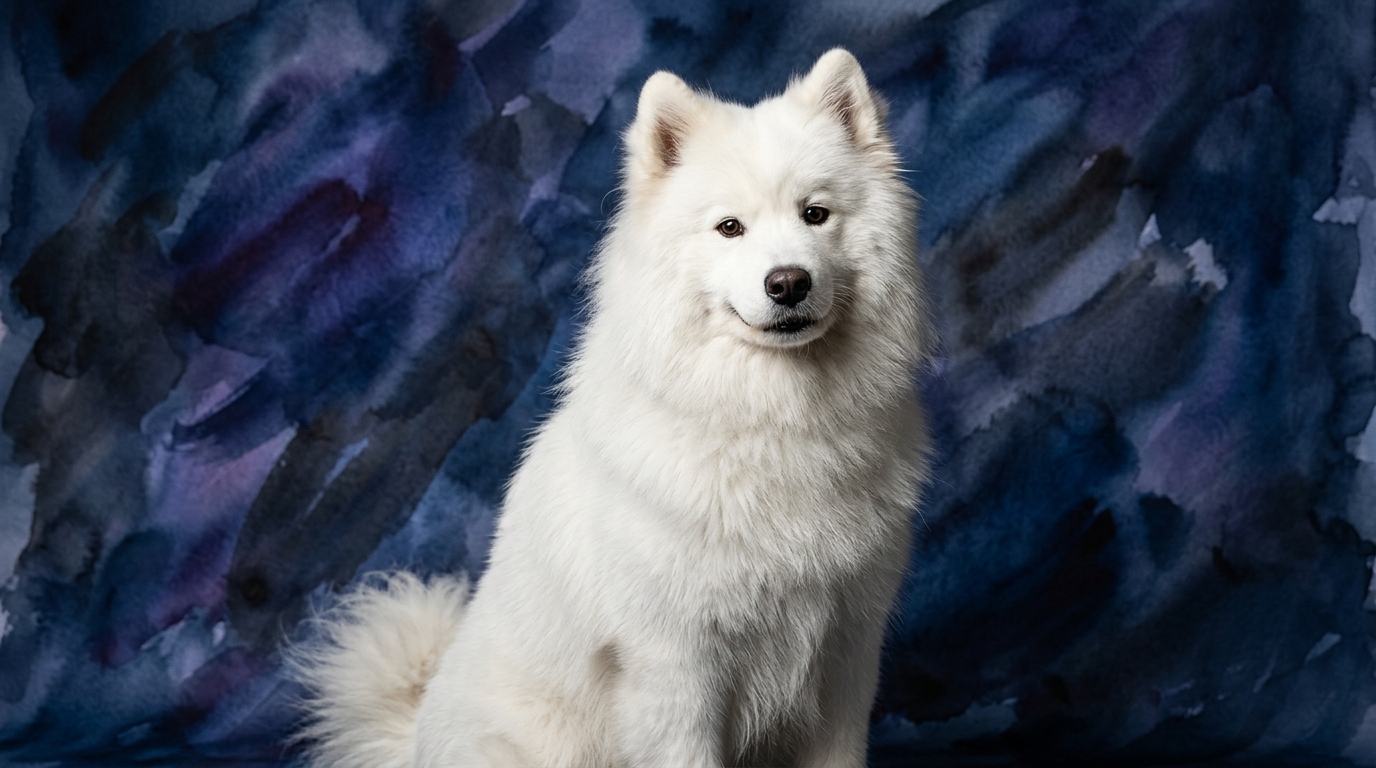
The Samoyed, a member of the Working Group, presents a cognitive profile shaped by its heritage as a herding and sledding dog from the Arctic. Their Problem Solving is rated at 3/5, indicating a moderate capacity for independent thought in navigating straightforward challenges, though they typically excel under human direction rather than constant autonomous strategizing. Their Training Speed also stands at 3/5; they are capable learners, but consistency and engaging methods are essential to overcome their occasional independent streak. A standout feature is their Social Intelligence, scoring a perfect 5/5, which signifies an exceptional ability to understand and respond to human emotions and social cues, fostering profound bonds. Their Instinctive Drive is strong at 4/5, reflecting an innate need for purposeful activity and physical exertion, often expressed through vocalization or pulling. Finally, their Memory is rated 3/5, allowing them to retain learned commands and routines reliably, with occasional refreshers for less frequent behaviors.
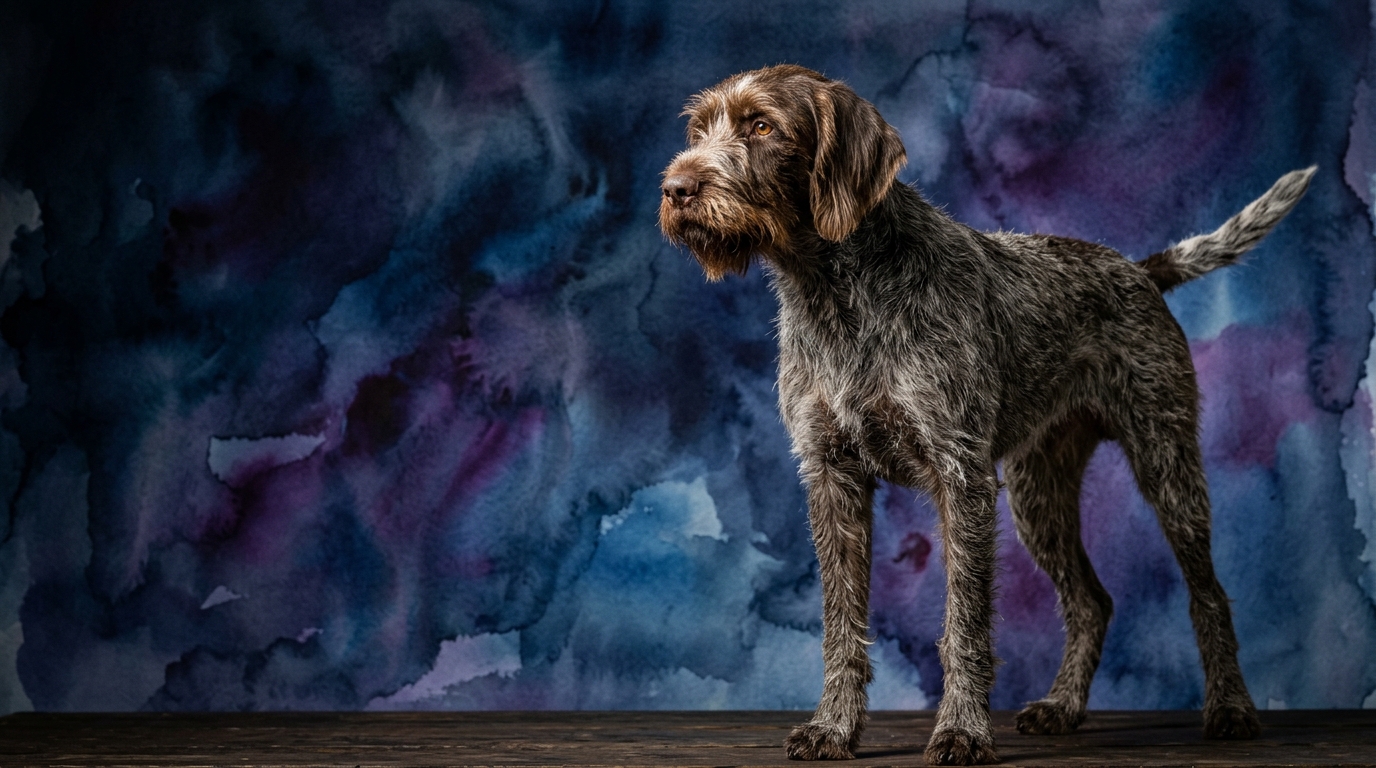
The Wirehaired Pointing Griffon, from the Sporting Group, possesses a cognitive blueprint specifically honed for its role as a versatile gun dog. Their Problem Solving aligns with the Samoyed at 3/5, demonstrating an aptitude for practical challenges, particularly those related to their hunting tasks, like navigating varied terrain to locate game. Their Training Speed is also 3/5, indicating they are trainable and responsive, especially when instruction aligns with their natural drives, though they may not grasp concepts with immediate speed. Their Social Intelligence is moderate at 3/5; they are affectionate and form strong family bonds, but their focus can often be split between their human companions and their environment, particularly scents. Their Instinctive Drive is also moderate at 3/5, specifically geared towards scent work, pointing, and retrieving, making them highly focused in the field. Their Memory is 3/5, enabling them to recall complex hunting sequences and routines effectively, supporting their field performance.
Where the Samoyed Wins Cognitively
The Samoyed’s preeminent cognitive strength lies in their exceptional social intelligence, scoring a perfect 5/5. This dimension allows them to deeply understand and respond to human emotions, intentions, and social cues, fostering an unparalleled empathetic connection with their families. Unlike many breeds where training relies heavily on direct command, a Samoyed often anticipates desires and reacts to subtle shifts in human mood or body language, making them incredibly responsive to nuanced interactions. This cognitive advantage makes them particularly adept as therapy dogs, companions for those needing emotional support, or family members deeply integrated into the household's social fabric. Their strong instinctive drive (4/5) further enhances this, providing the motivation to engage in purposeful activities alongside their humans, whether it's participating in dog sports, pulling a cart, or simply enjoying a long, interactive walk. This combination means they thrive on shared experiences and collaboration, often seeking out opportunities to work with their people rather than merely for them.
Where the Wirehaired Pointing Griffon Wins Cognitively
While the Wirehaired Pointing Griffon's scores are generally moderate, their cognitive profile represents a specialized efficiency perfectly suited for their intended purpose. Their moderate instinctive drive (3/5) is highly focused on scent work, pointing, and retrieving, making them exceptional in scenarios demanding sustained attention to environmental cues over social ones. Unlike the Samoyed's broader working drive, the Griffon's drive is laser-focused on its sporting tasks, enabling a single-minded dedication in the field. This specialized cognitive alignment means they excel at tracking subtle scents, maintaining focus on game birds, and executing complex retrieval sequences with a pragmatic efficiency. Their moderate social intelligence (3/5) means they are affectionate and bond well, but their cognitive energy is not solely consumed by human social dynamics. This allows them to maintain independence and focus on their primary task during hunting, without being overly distracted by human emotions or social complexities, which could be a hindrance in the field. For owners seeking a dedicated, self-reliant hunting partner, this specialized cognitive focus is a clear advantage.
Which is Easier to Train and Why
Determining which breed is “easier” to train depends significantly on the owner's approach and desired outcomes, as both breeds score a moderate 3/5 in training speed. The Samoyed's exceptional social intelligence (5/5) offers a distinct advantage in bond-based training. They are highly motivated by human approval and connection, making positive reinforcement methods incredibly effective. Their desire to please and their sensitivity to human emotions mean they often respond well to gentle guidance and praise, even if it takes them a moderate amount of time to grasp a new concept. However, their 4/5 instinctive drive, combined with a potential independent streak, means they can sometimes be willful if not adequately stimulated or if they perceive a task as lacking purpose. Training a Samoyed often feels like a cooperative effort, where building a strong relationship and clear communication are paramount.
The Wirehaired Pointing Griffon, with its 3/5 social intelligence and 3/5 instinctive drive, presents a different training dynamic. While they are certainly trainable and eager to work, their motivation is often more externally focused, particularly on scent and prey drive. Training a Griffon requires channeling their natural sporting instincts. They might not be as inherently attuned to subtle human social cues, meaning a more direct, consistent, and reward-based approach, often involving toys or treats that mimic prey, is typically more effective. Their moderate instinctive drive, while focused, can make them prone to distraction by environmental stimuli if not properly managed. For a Griffon, training is often about establishing clear rules and leveraging their natural drive for specific tasks, rather than relying as heavily on social connection as the primary motivator. Neither breed is inherently difficult, but their cognitive leanings demand different training philosophies.
Which Suits Active Owners vs. Relaxed Owners
Neither the Samoyed nor the Wirehaired Pointing Griffon are suitable for truly relaxed owners, as both are breeds with significant needs for activity and engagement. However, their specific cognitive profiles suggest different types of activity. The Samoyed, with its 4/5 instinctive drive and perfect 5/5 social intelligence, thrives with active owners who can integrate them deeply into their daily lives and provide ample opportunities for shared activity and mental stimulation. Their high social intelligence means they require constant human interaction and can become anxious or destructive if left alone for extended periods. They need purposeful outlets for their working drive, whether it’s long walks, hiking, sledding, pulling carts, or participating in dog sports like agility or obedience. An owner who enjoys collaborative activities and wants a dog that is always “with” them, both physically and emotionally, will find the Samoyed a fulfilling companion. Their need for social engagement is as crucial as their need for physical exercise.
The Wirehaired Pointing Griffon, with its 3/5 instinctive drive specifically tailored for hunting and moderate 3/5 social intelligence, suits active owners who have a clear purpose for their dog's energy, particularly those interested in hunting, field trials, or extensive outdoor adventures. While they need significant physical exercise, their moderate social intelligence means they might be slightly more independent than a Samoyed, capable of focusing on a task (like scent tracking) for longer periods without constant human reassurance. They need owners who can provide consistent, rigorous exercise, often involving exploring varied terrain and engaging their scenting abilities. After a good day's work or extensive exercise, a Griffon is generally content to relax indoors, but their daily need for focused physical exertion is non-negotiable. Owners looking for a dedicated outdoor partner, perhaps one that can accompany them on hunting trips or long exploratory hikes, will find the Griffon a superb match.
The Verdict
Choose a Samoyed if you seek a deeply empathetic, highly social canine companion who thrives on shared experiences and collaborative activities, and you are prepared to meet their significant needs for social interaction and purposeful physical engagement.
Choose a Wirehaired Pointing Griffon if you are an active individual or family looking for a dedicated outdoor partner, especially one with a strong, focused drive for sporting activities like hunting or extensive exploration, and appreciate a pragmatic, somewhat more independent companion.
🧠 Find Your Pet's IQ Score
Our Pet IQ Lab assessment covers 25+ tests across 5 cognitive dimensions — personalized to your breed.
Take the Full IQ Test →Frequently Asked Questions
Is a Samoyed difficult to train?
Samoyeds have a moderate training speed (3/5) but their high social intelligence (5/5) means they respond very well to positive reinforcement and bond-based training, making them responsive to owners who invest in building a strong relationship and providing consistent, engaging instruction.
Do Wirehaired Pointing Griffons need a lot of exercise?
Yes, Wirehaired Pointing Griffons have a moderate instinctive drive (3/5) geared towards hunting, meaning they require consistent, rigorous physical activity to stay content, ideally involving opportunities to explore and use their scenting abilities.
Which breed is better with children?
Both breeds can be good with children, but the Samoyed's exceptional social intelligence (5/5) generally makes them more attuned to family dynamics and potentially more patient with children's interactions, provided they are well-socialized and supervised.