Side-by-Side IQ Profile
The Cosmic Pet Pet IQ Lab employs a five-dimensional framework to assess feline cognitive abilities, offering a nuanced perspective beyond simple notions of cleverness. These dimensions—Problem Solving, Training Speed, Social Intelligence, Instinctive Drive, and Memory—provide a detailed lens through which to understand how different breeds interact with their environment and companions.
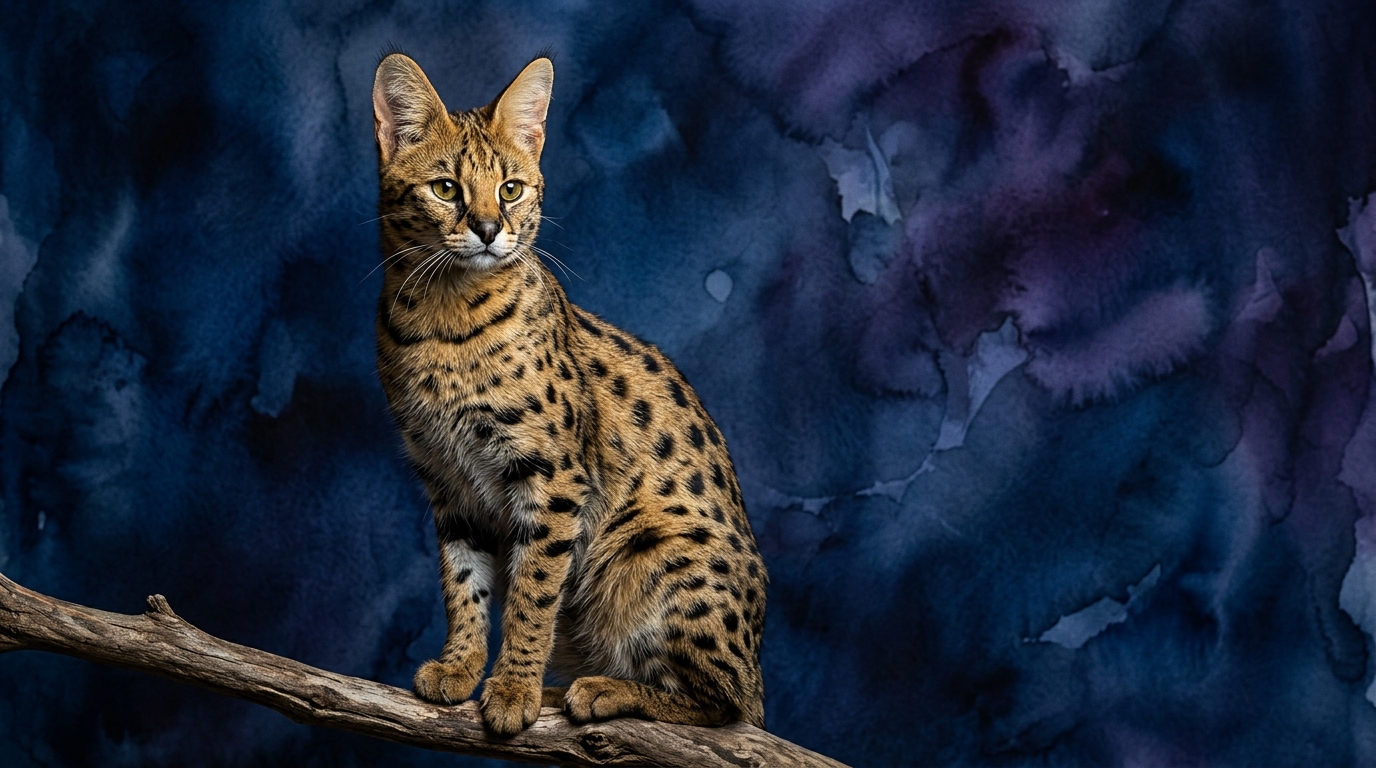
The Savannah cat, a stunning hybrid with wild Serval ancestry, consistently scores at the highest echelons across most of these metrics. With a perfect 5/5 in Problem Solving, Instinctive Drive, and Memory, and a strong 4/5 in Training Speed and Social Intelligence, the Savannah’s profile paints a picture of a highly engaged, intellectually agile, and profoundly self-aware feline. Their cognitive makeup suggests a cat that is constantly observing, strategizing, and remembering, driven by an innate curiosity and a strong connection to their primal roots.
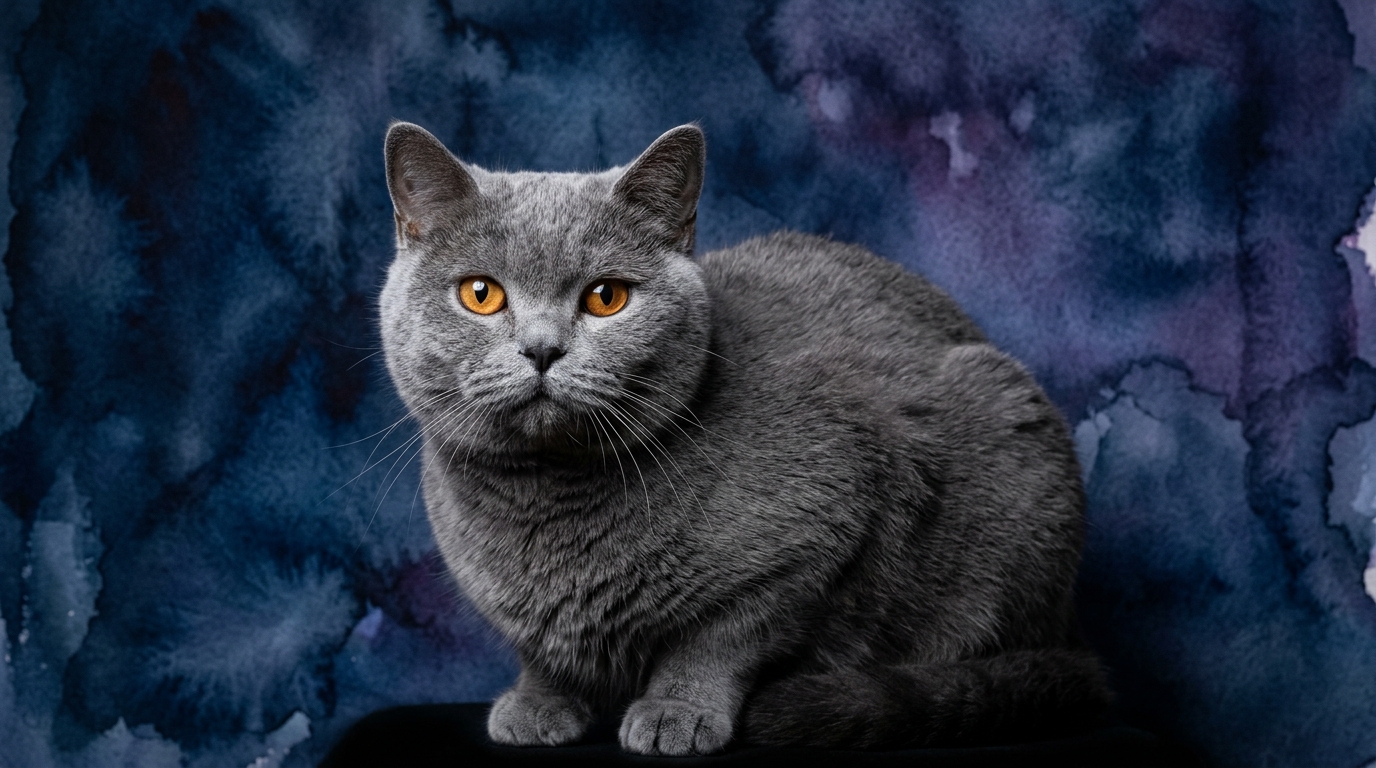
In contrast, the British Shorthair presents a more moderate, yet equally distinct, cognitive blueprint. Scoring a consistent 3/5 across all five dimensions—Problem Solving, Training Speed, Social Intelligence, Instinctive Drive, and Memory—this breed demonstrates a balanced and steady approach to their mental faculties. Their scores indicate a cat that is capable of learning, adapting, and forming bonds, but one that is generally less compelled by intense mental exertion or a strong urge to explore the boundaries of their environment. This consistency suggests a predictable and stable cognitive temperament, aligning with their calm demeanor.
Where Savannah Wins Cognitively
The Savannah’s cognitive wins are evident in its exceptional scores, particularly in areas demanding acute mental engagement and self-reliance. Its 5/5 Problem Solving ability means a Savannah isn’t just observing a puzzle feeder; it’s actively devising strategies to extract treats, often experimenting with different angles, paw techniques, or even attempting to dismantle the device itself. This isn't mere trial-and-error; it’s a systematic approach to overcoming obstacles, showcasing a capacity for complex thought sequences.
The breed’s perfect 5/5 in Instinctive Drive translates into a profound engagement with their surroundings, manifesting as a strong urge to explore, climb, and interact with novel stimuli. This isn’t just restlessness; it's a cognitive imperative to understand and master their environment, constantly seeking out new challenges and experiences. Coupled with a 5/5 Memory, a Savannah cat remembers intricate layouts, the location of hidden toys, and the routines of its human companions with striking accuracy, often exploiting this stored knowledge to its advantage in daily interactions.
While not a perfect 5/5, the Savannah’s 4/5 Social Intelligence is still robust, enabling them to form deep, interactive bonds and understand complex human cues. They can interpret subtle body language and vocal tones, often responding with tailored behaviors. This means they are not just reacting to commands but anticipating intentions, making them highly responsive to interactive play and communication, a clear cognitive advantage for owners seeking a truly engaged feline companion.
Where British Shorthair Wins Cognitively
While the British Shorthair’s consistent 3/5 scores might suggest a less 'active' cognitive profile compared to the Savannah, these moderate ratings translate into distinct advantages for specific living situations and owner preferences. Their balanced cognitive approach means they are less prone to the relentless curiosity or high-energy demands that can sometimes accompany higher-scoring breeds. A British Shorthair’s Problem Solving at 3/5, for instance, means they can solve common household puzzles and adapt to new routines without becoming overly frustrated or resorting to destructive experimentation if a solution isn't immediately apparent.
Their 3/5 Social Intelligence often manifests as a calm, observant companionship rather than a demand for constant interaction. They are capable of understanding household dynamics and forming affectionate bonds, but their expression of this intelligence is more subtle and less overtly demonstrative. This makes them excellent companions for those who appreciate a quiet presence that is aware and engaged without being intrusive. Similarly, a 3/5 Instinctive Drive means they possess a natural curiosity and playfulness without the intense, often overwhelming, urge to hunt or explore every nook and cranny of their environment, which can be a significant 'win' for owners seeking a more serene home life.
The British Shorthair's 3/5 Memory ensures they recall routines, litter box locations, and familiar faces reliably, contributing to their generally placid and predictable nature. This level of memory is perfectly adequate for navigating a domestic environment comfortably and securely. Their cognitive profile, therefore, doesn't represent a deficit but rather an optimized set of mental faculties for a life of calm domesticity, where intense mental stimulation is appreciated but not constantly required, reducing the likelihood of boredom-induced behaviors.
Which Is Easier to Train and Why
When it comes to trainability, the Savannah (Training Speed 4/5) presents a fascinating paradox. Their high Problem Solving (5/5) and Memory (5/5) means they grasp concepts and commands exceptionally quickly, often understanding complex sequences with minimal repetition. They can learn to walk on a leash, play fetch, and even perform tricks with impressive alacrity. However, their equally high Instinctive Drive (5/5) means they are also driven by their own motivations and intense curiosity. While they *can* learn quickly, channeling that learning requires consistent engagement, stimulating rewards, and an understanding that their independent spirit might lead them to 'negotiate' rather than simply comply, especially if a more interesting stimulus presents itself.
The British Shorthair, with a 3/5 in Training Speed, might take a bit longer to pick up new commands compared to a Savannah. Their learning curve is steadier and less immediate, requiring more patience and consistent reinforcement. However, their moderate Instinctive Drive (3/5) means they are generally less distracted by environmental stimuli and possess a more agreeable disposition, making them less likely to challenge an owner's directives once a behavior is learned. They respond well to positive reinforcement and a calm, repetitive approach, often becoming reliable practitioners of learned behaviors once they’ve internalized them.
The real behavioral difference lies in motivation and focus. A Savannah might learn 'sit' in three repetitions but then decide to climb the curtains because its high drive dictates exploration. A British Shorthair might take ten repetitions to learn 'sit' but will consistently perform it when asked, as their lower drive means they are less likely to be sidetracked by competing urges. Therefore, 'easier' is subjective: Savannahs are quicker to *understand*, but British Shorthairs are often more *compliant* once trained, provided the training method suits their steady pace.
Which Suits Active Owners vs Relaxed Owners
The Savannah cat's cognitive profile makes it an ideal match for active, engaged owners who thrive on interaction and can provide extensive mental and physical stimulation. Their 5/5 Instinctive Drive means they require outlets for their innate curiosity and energetic nature, flourishing in environments that offer climbing structures, puzzle toys, and interactive play sessions. An owner who enjoys teaching tricks, leash training, and providing novel experiences will find a Savannah to be an incredibly rewarding and responsive companion. Their 4/5 Social Intelligence means they seek out and enjoy deep, reciprocal bonds, often following their owners from room to room, eager to participate in activities or simply observe.
Conversely, the British Shorthair's balanced 3/5 scores across all cognitive dimensions make it perfectly suited for more relaxed owners or households seeking a calm, independent, yet affectionate presence. Their moderate Instinctive Drive means they are content with regular play sessions but do not demand constant engagement or elaborate environmental enrichment to prevent boredom. A British Shorthair appreciates a quiet afternoon nap just as much as a gentle play session, adapting well to a predictable, comfortable routine. Their 3/5 Social Intelligence translates into a loving, but not overly demanding, companionship, often preferring to lounge nearby rather than be in the thick of every activity, offering a serene counterpoint to a busy life.
For owners who are often away or prefer a less hands-on approach to pet interaction, the British Shorthair’s self-sufficient nature, born from its balanced cognitive needs, is a distinct advantage. Meanwhile, the Savannah's profound cognitive engagement means it can become bored or even destructive if its mental and physical needs aren't met, making it a commitment for owners prepared to dedicate significant time and energy to intellectual stimulation and interactive companionship. The choice ultimately hinges on the owner's lifestyle capacity for providing cognitive engagement.
The Verdict
Choose a Savannah if you are an active, experienced cat owner eager to engage with a highly curious companion who thrives on mental challenges and interactive play.
Opt for a British Shorthair if you seek a calm, affectionate, and relatively independent feline friend who appreciates a predictable routine and a more relaxed pace of life.
🧠 Find Your Pet's IQ Score
Our Pet IQ Lab assessment covers 25+ tests across 5 cognitive dimensions — personalized to your breed.
Take the Full IQ Test →Frequently Asked Questions
Do Savannah cats get along with other pets?
Savannah cats, with their 4/5 Social Intelligence, can generally coexist with other pets, especially if introduced thoughtfully and at a young age. Their high instinctive drive means careful supervision is needed with smaller prey animals, but they can form strong bonds with suitable companions.
Are British Shorthair cats prone to destructive behaviors?
British Shorthairs, with their moderate 3/5 Instinctive Drive, are generally not prone to destructive behaviors stemming from boredom or excessive energy. They are content with a comfortable environment and regular, gentle play, making them less likely to engage in unwanted activities.
How much mental stimulation does a Savannah cat need daily?
A Savannah cat, scoring 5/5 in Problem Solving and Instinctive Drive, requires substantial daily mental stimulation, including interactive play, puzzle feeders, and opportunities for exploration. Without adequate engagement, they may find their own, potentially challenging, ways to satisfy their profound curiosity.