Side-by-Side IQ Profile: Savannah vs. Himalayan
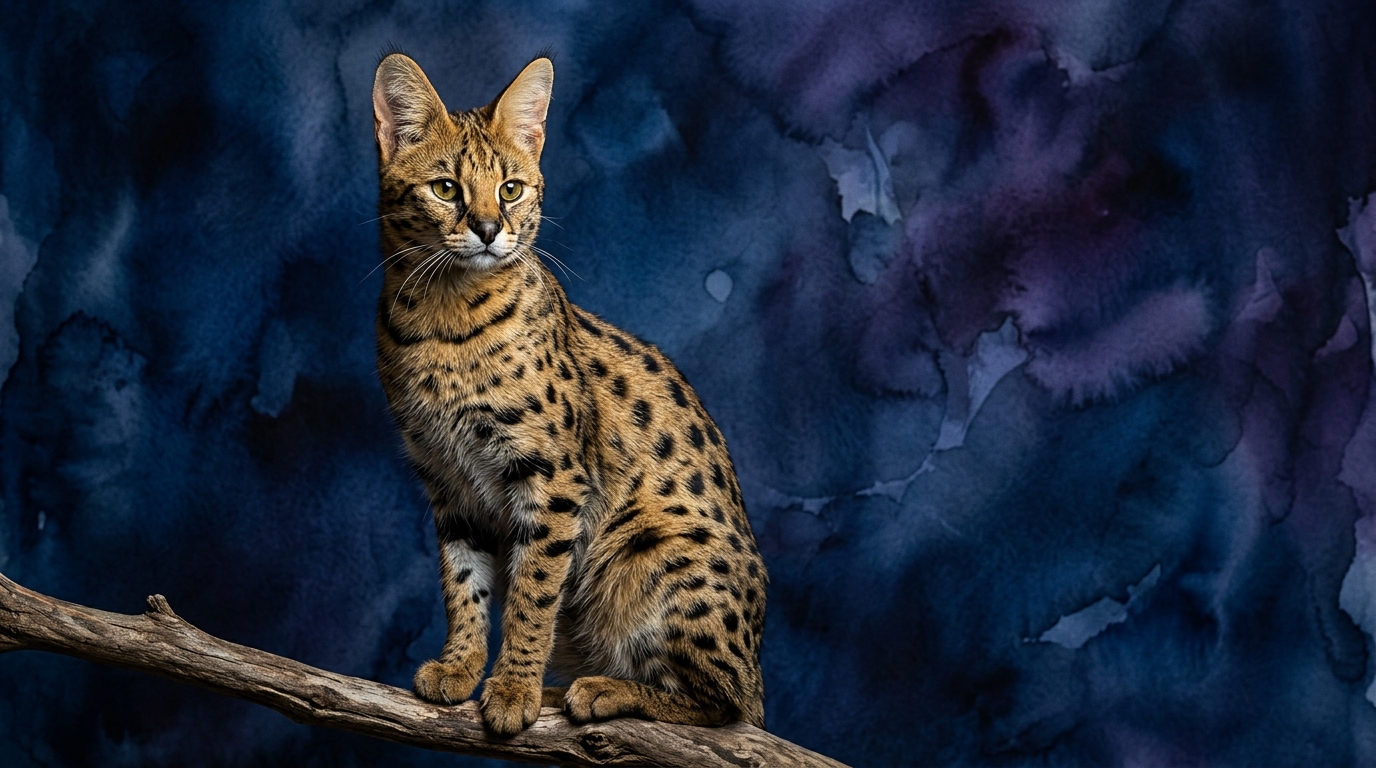
The Savannah cat, a hybrid breed, presents a robust cognitive blueprint, scoring at the highest echelons in several key dimensions. Their 5/5 in Problem Solving indicates an exceptional capacity to navigate complex environments, overcome obstacles, and figure out novel situations, suggesting a cat that actively seeks solutions and understands cause-and-effect with remarkable clarity. A Training Speed of 4/5 signifies their quick grasp of new commands and routines, making them responsive to structured learning and enrichment activities. Social Intelligence at 4/5 suggests they are highly attuned to human cues and can form deep, interactive bonds, often initiating engagement and understanding nuanced interactions. The 5/5 in Instinctive Drive points to a strong internal motivation for exploration, hunting, and physical activity, reflecting their wild lineage and a constant need for mental and physical engagement. Finally, a perfect 5/5 in Memory underscores their ability to retain learned behaviors, recognize individuals, and recall experiences over extended periods, contributing to their complex personalities and consistent responses.
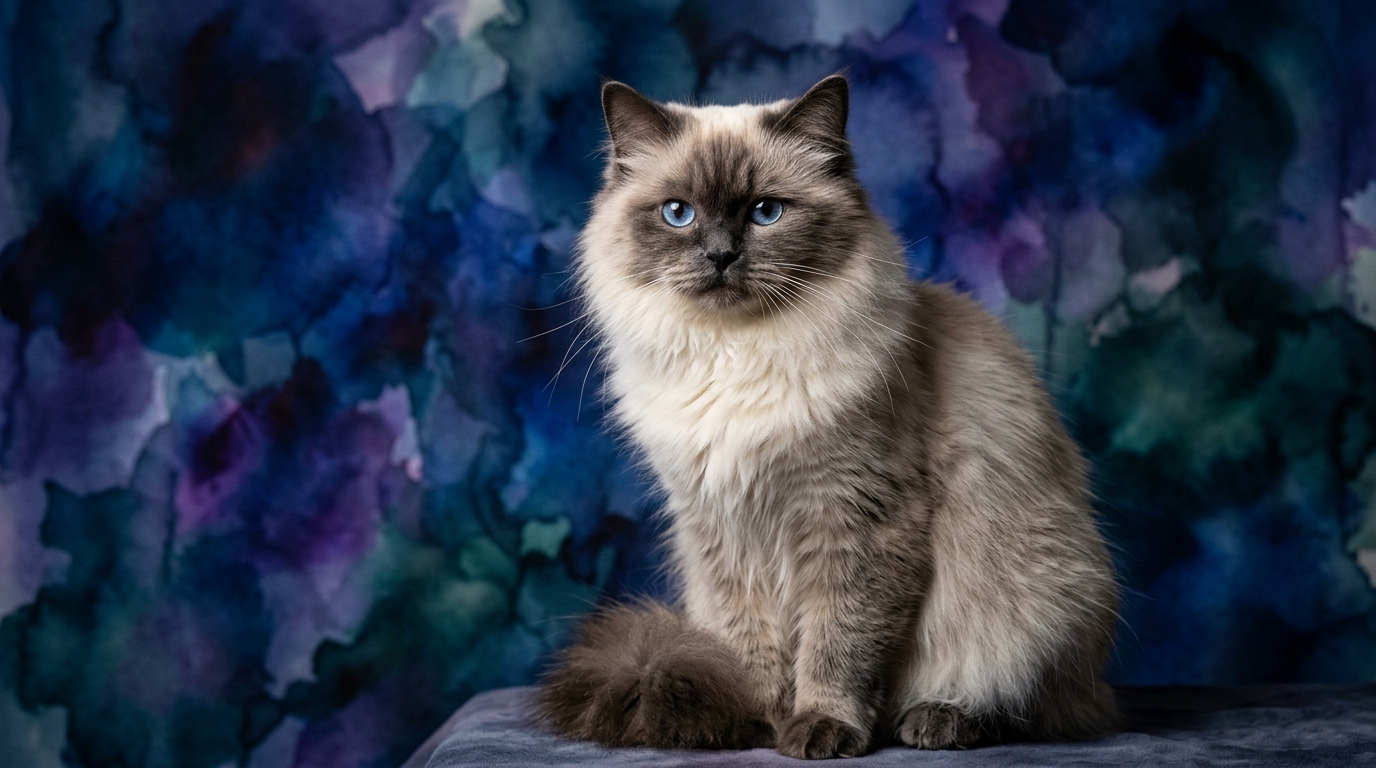
In contrast, the Himalayan cat, a breed cherished for its calm demeanor and plush coat, exhibits a more balanced and moderate cognitive profile, consistently scoring 3/5 across all five dimensions. A Problem Solving score of 3/5 indicates they can handle routine challenges and adapt to familiar environments competently, but might not actively seek out or excel at solving intricate puzzles or novel problems without guidance. Their Training Speed of 3/5 suggests they are capable of learning basic commands and routines, though it may require more repetition and patience compared to breeds with higher scores, focusing on consistency and positive reinforcement. A Social Intelligence of 3/5 means Himalayans are affectionate and enjoy companionship, yet they tend to be less demanding of constant interaction and are often content with quiet presence rather than boisterous play, appreciating gentle engagement. The 3/5 in Instinctive Drive implies a moderate level of curiosity and playfulness, generally satisfied with indoor life and less prone to intense hunting behaviors or constant exploration, making them well-suited for a relaxed home environment. Lastly, their Memory score of 3/5 indicates they remember routines, family members, and positive experiences, but might not retain complex sequences or detailed events with the same precision as a cat scoring higher, leading to a generally predictable and amiable disposition.
Where Savannah Wins Cognitively
The Savannah cat's cognitive superiority is evident across multiple facets, particularly in their problem-solving prowess and memory retention. A 5/5 in problem-solving means these cats are adept at figuring out how to open cupboards, manipulate latches, or access forbidden areas, often displaying an almost engineering-like approach to their environment. This isn't mere mischief; it's a genuine cognitive drive to understand and interact with their surroundings on a deep level, often leading them to discover innovative ways to achieve their goals, whether it's retrieving a hidden toy or escaping a seemingly secure enclosure.
Their perfect 5/5 in memory further amplifies this advantage, allowing Savannahs to quickly learn complex sequences of actions and retain that knowledge over time. They can remember intricate routines, the specific locations of cherished items, and even the patterns of human behavior, using this recall to their benefit. This strong memory, combined with their high instinctive drive, means a Savannah will not only remember where the treats are hidden but also the precise method they used to get to them last time, making them persistent and effective learners in their own self-interest. The 4/5 in training speed further solidifies their capacity for rapid acquisition of new skills, allowing them to master tricks and commands that might challenge many other breeds.
Where the Himalayan's Cognitive Profile Shines for Specific Lifestyles
While the Himalayan's cognitive scores are uniformly moderate at 3/5, this profile is not a deficit; rather, it represents a unique cognitive balance that makes them exceptionally well-suited for specific home environments and owner expectations. Their moderate Problem Solving and Instinctive Drive mean they are generally content with a more predictable and less stimulating environment, requiring less constant mental challenge or vigorous physical activity to remain content. They are less likely to dismantle your home in pursuit of a perceived 'problem' or to act on strong predatory impulses that demand continuous management.
The Himalayan's 3/5 in Social Intelligence indicates they are affectionate and enjoy companionship, but without the intense, sometimes demanding, social drive seen in higher-scoring breeds. This makes them ideal for owners who appreciate a loving pet but may not be able to dedicate hours each day to interactive play or complex training sessions. Their cognitive make-up fosters a calm, agreeable companion who thrives on gentle interaction and a stable routine, providing a comforting presence rather than an energetic challenge. This balanced cognitive approach means they are less prone to anxiety from under-stimulation, finding contentment in simpler pleasures and the warmth of their human companions, making their moderate scores a strength for a peaceful household.
Which is Easier to Train and Why
Based on The Cosmic Pet Pet IQ Lab data, the Savannah cat is unequivocally easier to train due to their superior scores in Training Speed (4/5), Problem Solving (5/5), and Memory (5/5). These combined attributes mean Savannahs grasp new concepts rapidly, can understand multi-step commands, and retain what they've learned with remarkable consistency. Their high instinctive drive also means they can be highly motivated by engaging training methods that tap into their natural curiosity and desire to 'work' for rewards, whether it's food, toys, or interactive play. Owners can teach Savannahs to walk on a leash, fetch, perform complex tricks, and even understand verbal cues for specific actions, transforming them into highly responsive and interactive companions.
The Himalayan, with its consistent 3/5 scores, can certainly be trained, but the process will naturally require more patience, repetition, and simplified approaches. Their moderate training speed means new behaviors take longer to embed, and their lower problem-solving score suggests they may struggle with abstract commands or intricate sequences. Training a Himalayan is best focused on basic commands, litter box consistency, and gentle leash introduction, using positive reinforcement methods like treats and praise to build trust and encourage compliance. While they may not perform complex tricks, they can become well-mannered and responsive pets with a consistent, gentle training regimen that respects their more relaxed cognitive pace.
Which Suits Active Owners vs. Relaxed Owners
The cognitive profiles of the Savannah and Himalayan cats clearly delineate their suitability for different owner lifestyles. The Savannah, with its 5/5 in Instinctive Drive, 5/5 in Problem Solving, and 4/5 in Social Intelligence, is tailor-made for active, engaged owners who can provide substantial mental and physical stimulation. These cats thrive in environments where they have opportunities for exploration, puzzle toys that challenge their intellect, and regular interactive play sessions that satisfy their predatory instincts. Owners who enjoy teaching tricks, taking their cat on walks (on a harness), and providing a dynamic home environment will find the Savannah an incredibly rewarding and stimulating companion. Under-stimulated Savannahs can become bored and potentially destructive, using their high problem-solving skills to create their own entertainment.
Conversely, the Himalayan, with its consistent 3/5 scores across all cognitive dimensions, is an ideal match for relaxed owners seeking a calm, affectionate, and less demanding companion. Their moderate instinctive drive means they are generally content with indoor living and do not require constant high-energy play or complex mental puzzles to stay happy. A Himalayan will appreciate a cozy lap, gentle petting, and a predictable routine, finding comfort in stability rather than novelty. Owners who lead a quieter lifestyle, prefer a pet that is less inclined to explore every nook and cranny, and value a peaceful, purring presence will find the Himalayan's balanced cognitive profile perfectly complements their own desire for tranquility and gentle companionship.
The Verdict
Choose a Savannah if you are an active, experienced cat owner prepared to provide extensive mental challenges, physical exercise, and consistent training for a highly interactive and clever companion.
Opt for a Himalayan if you seek a serene, affectionate lap cat who thrives in a calm, predictable environment and requires less intensive daily stimulation, offering gentle companionship.
🧠 Find Your Pet's IQ Score
Our Pet IQ Lab assessment covers 25+ tests across 5 cognitive dimensions — personalized to your breed.
Take the Full IQ Test →Frequently Asked Questions
Can a Himalayan cat learn tricks?
Yes, Himalayan cats can learn tricks, but their moderate training speed means it will require more patience and repetition than with a Savannah. Focus on simple commands and use positive reinforcement consistently for the best results.
Do Savannah cats get along with other pets?
Savannahs, with their 4/5 social intelligence, can get along well with other pets, especially if introduced properly during kittenhood. Their high instinctive drive means careful supervision is needed with very small prey animals.
How much daily interaction does a Himalayan cat need?
A Himalayan cat typically needs moderate daily interaction. While they appreciate affection and gentle play, their 3/5 social intelligence means they are not as demanding of constant attention as some other breeds and are content with quiet companionship.