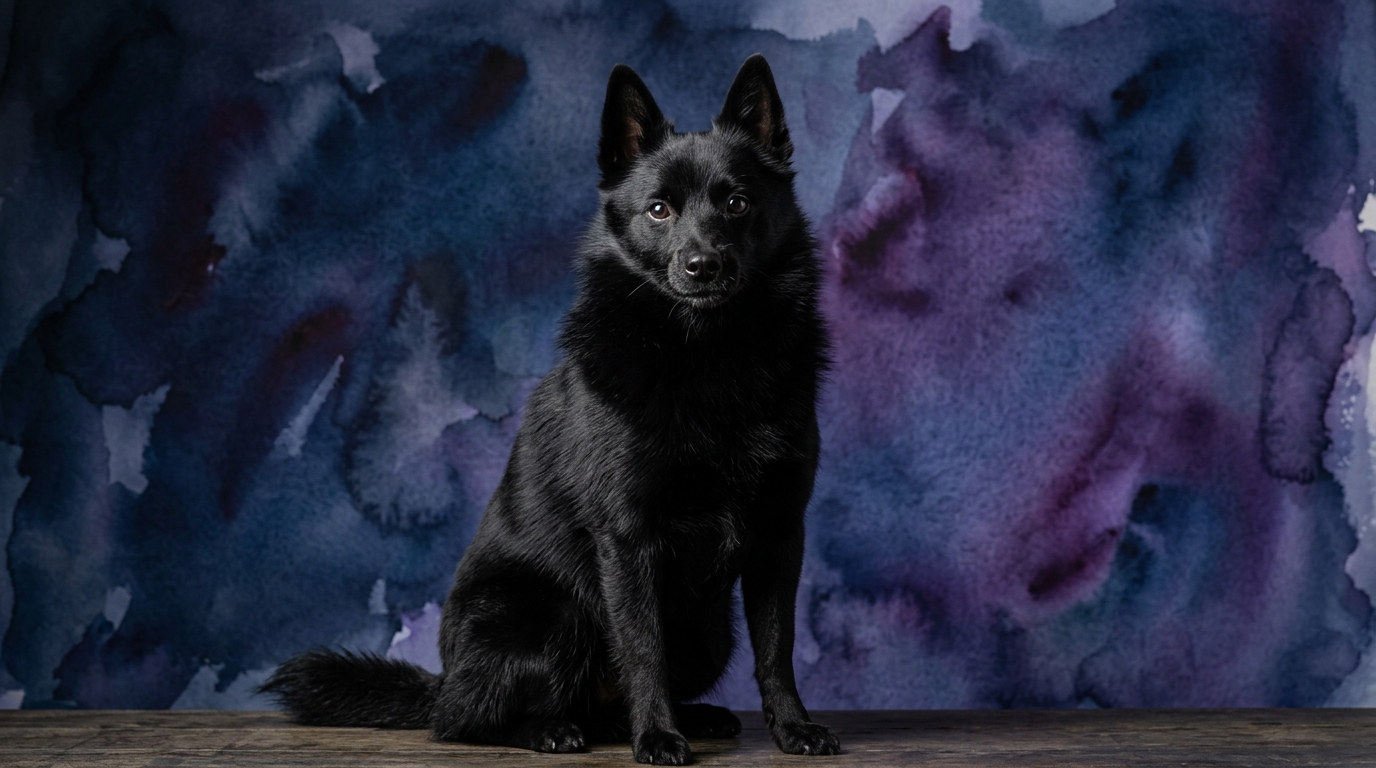
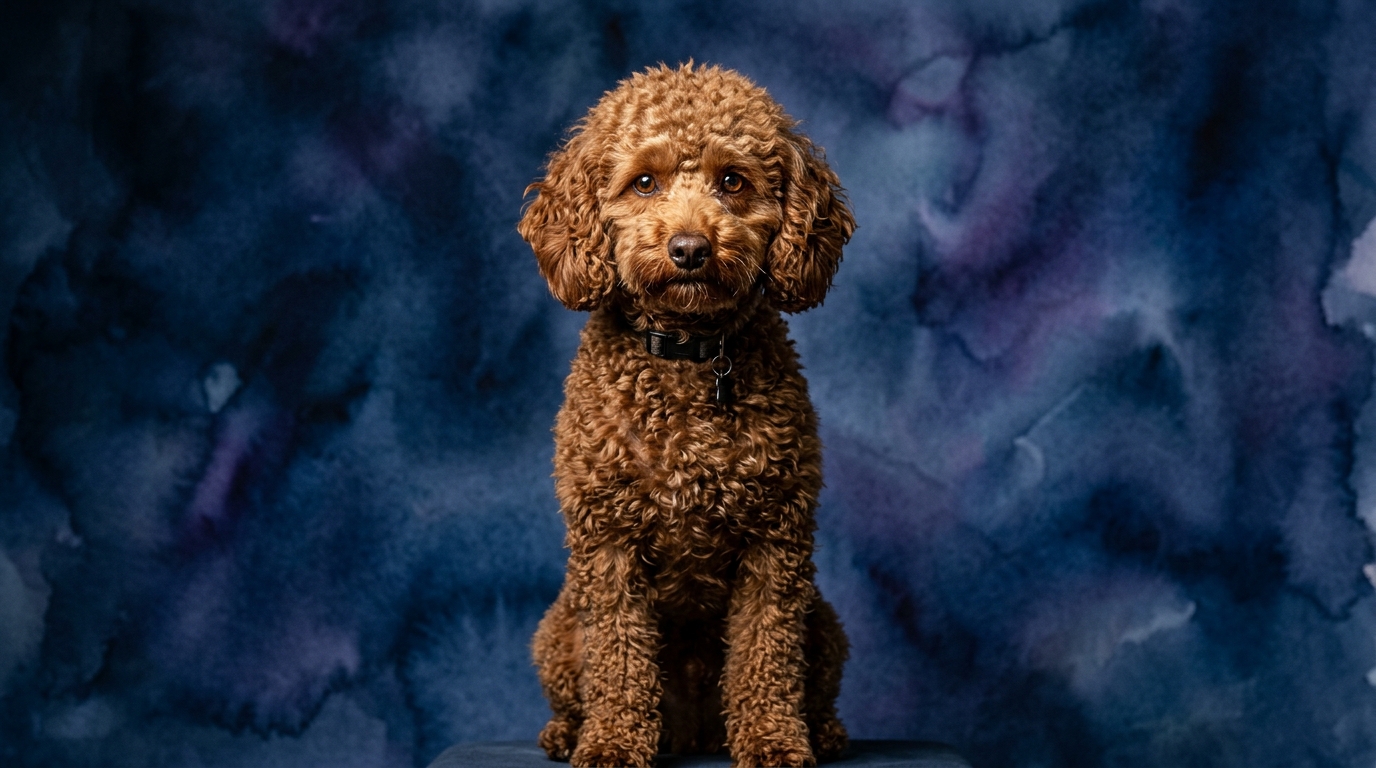
Side-by-Side IQ Profile: Deconstructing the Dimensions
The Cosmic Pet Pet IQ Lab employs a five-dimensional framework to assess canine intelligence, offering a granular view beyond general perceptions. For both the Schipperke and the Miniature Poodle, three dimensions register a perfect 5/5: Problem Solving, Training Speed, and Memory. This indicates both breeds possess an exceptional capacity to navigate novel situations, rapidly acquire new behaviors, and retain learned information over extended periods. Their shared score of 3/5 for Social Intelligence suggests a moderate level of awareness regarding human cues and social dynamics, implying they are not overly people-pleasing but are certainly capable of forming strong bonds and understanding social structures within their family unit. Similarly, an Instinctive Drive score of 3/5 points to a moderate inherent motivation for tasks rooted in their breed's historical purpose, such as hunting or guarding, without being overwhelming or difficult to manage.
Despite these identical scores, their Coren ranks diverge significantly: the Schipperke stands at #15, while the Miniature Poodle commands the #2 spot. This discrepancy is the crux of our comparison, suggesting that while their cognitive *capacity* might be similar in individual dimensions, their *application* and *consistency* in obedience and working roles differ substantially. The Coren ranking primarily reflects 'working and obedience intelligence'—how quickly a dog learns new commands and how reliably it obeys them. This implies that while both breeds can learn quickly, the Poodle's willingness and consistency in directed tasks are exceptionally higher, impacting its overall trainability and versatility in human-led activities.
Where the Schipperke Wins Cognitively
The Schipperke, often dubbed the 'little black devil,' excels in applying its 5/5 Problem Solving and Memory to independent tasks, particularly those requiring vigilance and self-sufficiency. Originating as a barge dog, its intelligence was historically geared towards ratting and guarding cargo, demanding a keen observational sense and the ability to act decisively without constant human direction. This breed's cognitive strengths lie in its autonomous decision-making and its capacity to devise solutions to practical, environmental challenges, such as finding a way to access a desired object or outsmarting perceived threats. Its 3/5 Instinctive Drive, while moderate, often manifests as a strong prey drive and territoriality, which, combined with its sharp memory, allows it to effectively patrol and protect its domain, remembering intruders or changes in its environment.
While its Training Speed is 5/5, the Schipperke's 3/5 Social Intelligence can translate into a more independent and less overtly biddable nature compared to breeds with higher social drives. This isn't a deficit in intelligence but rather a difference in cognitive priorities. A Schipperke might quickly grasp a command but choose to execute it only if it aligns with its immediate interest or perceived duty. This independent streak means it's adept at learning *for itself* and retaining information pertinent to its own agenda, making it a formidable, albeit sometimes willful, partner for owners who appreciate a dog with its own thoughts and motivations.
Where the Miniature Poodle Wins Cognitively
The Miniature Poodle's Coren rank of #2 is a testament to its unparalleled ability to consistently apply its 5/5 Problem Solving, Training Speed, and Memory in a directed, human-centric manner. Originally bred for retrieving waterfowl, and later excelling in circus performances, the Poodle's cognitive strengths are deeply rooted in its capacity for complex, multi-step learning and its exceptional responsiveness to human instruction. Its Problem Solving isn't just about figuring things out independently; it's about understanding and executing intricate sequences of commands, adapting to new rules in obedience trials, or mastering agility courses with precision and speed. This breed's intelligence shines in its capacity for generalized learning, taking concepts learned in one context and applying them effectively in another.
The Miniature Poodle's 5/5 Training Speed, coupled with its moderate 3/5 Social Intelligence, allows it to form a highly cooperative working relationship, even if it's not a perpetually 'eager to please' golden retriever type. This combination means Poodles quickly understand what is being asked of them and are generally consistent in their performance, making them star pupils in advanced obedience, rally, and trick training. Their superior Memory ensures that once a task is learned, it is retained with remarkable fidelity, allowing for a vast repertoire of skills. This breed's instinctive drive, while moderate, often translates into a strong desire for engagement and mental stimulation, making them thrive on interactive challenges and structured activities that leverage their cognitive gifts.
Which Is Easier to Train and Why
Based on the Coren ranking, the Miniature Poodle is definitively easier to train for obedience and general household manners. While both breeds score 5/5 in Training Speed, indicating a rapid ability to grasp new commands, the Coren rank of #2 for the Poodle versus #15 for the Schipperke highlights a significant difference in their *consistency* and *willingness* to reliably execute those commands. The Poodle's historical roles demanded not just intelligence, but also a high degree of biddability and focus on its human partner, leading to a dog that learns quickly and performs reliably under direction.
The Schipperke, conversely, with its independent and sometimes stubborn nature, might learn a command just as fast but may choose to obey only when it suits its own agenda or when the reward is highly compelling. Its moderate Social Intelligence, combined with its strong self-preservation and territorial instincts, means it often prioritizes its own perceptions of the environment over immediate human directives. Therefore, while both acquire knowledge rapidly, the Poodle's inherent drive to cooperate and its consistent responsiveness make the training process smoother, more predictable, and generally less challenging for the average owner seeking a highly compliant companion.
Which Suits Active Owners vs. Relaxed Owners
For active owners who relish engaging in dog sports, advanced obedience, or require a service dog, the Miniature Poodle is an exceptional match. Their cognitive makeup thrives on structured activities that challenge their problem-solving abilities and leverage their rapid training speed and memory. They possess abundant energy that, when properly channeled through training and exercise, makes them highly responsive and enthusiastic partners. An active owner will find immense satisfaction in shaping a Poodle's cognitive abilities, pushing the boundaries of what the dog can learn and achieve, from agility courses to complex trick routines. They are dogs that enjoy having a 'job' and excel when given consistent mental and physical stimulation.
The Schipperke, while also energetic and requiring mental engagement, suits active owners who appreciate a dog with a more independent spirit and a strong sense of self. They are not as inherently biddable as Poodles, and their intelligence is often applied to their own self-appointed tasks, such as guarding or exploring. Owners who enjoy a dog that thinks for itself, and are prepared to engage in consistent, creative training to maintain focus, will find the Schipperke rewarding. For truly relaxed owners seeking a low-maintenance companion, neither breed is ideal without significant provision for mental activity. However, the Schipperke's independent problem-solving might lead to more self-directed mischief if not adequately engaged, making the Poodle, with its directed energy, potentially easier to manage in a less active, but still mentally stimulating, home.
The Verdict
Choose the Schipperke if you appreciate an independent, vigilant, and clever companion who applies its intelligence to self-appointed tasks and thrives on problem-solving with a mind of its own.
Opt for the Miniature Poodle if you seek an exceptionally responsive, consistent, and versatile partner for advanced training, dog sports, or a highly biddable household companion.
🧠 Find Your Pet's IQ Score
Our Pet IQ Lab assessment covers 25+ tests across 5 cognitive dimensions — personalized to your breed.
Take the Full IQ Test →Frequently Asked Questions
Do Schipperkes and Miniature Poodles learn at the same rate?
Both breeds score 5/5 in Training Speed, indicating they grasp new concepts quickly. However, the Miniature Poodle's Coren rank of #2 suggests it applies this learning more consistently and reliably in obedience contexts than the Schipperke, which ranks #15.
Which breed is better for complex problem-solving tasks?
Both breeds score 5/5 in Problem Solving. The Schipperke often applies this to independent, environmental challenges, while the Miniature Poodle excels at solving complex problems presented within a human-directed training framework, such as intricate obedience sequences or agility courses.
Are these breeds good with other pets or children?
Both breeds have a Social Intelligence score of 3/5, suggesting moderate social awareness. Early socialization is crucial for both, but the Schipperke's independent nature and potential territoriality might require more careful management around unfamiliar pets and children compared to the generally more adaptable Miniature Poodle.