Side-by-Side Cognitive Profiles: Decoding the 3/5 Score
The Cosmic Pet Pet IQ Lab assesses canine intelligence across five critical dimensions, with both the Scottish Deerhound and the Ibizan Hound registering a 3 out of 5 in each category. This identical numerical outcome, however, masks the unique ways these scores manifest within each breed, shaped by millennia of selective breeding for specific tasks. A 3/5 generally signifies a moderate capability, suggesting neither extreme brilliance nor significant cognitive challenges, but rather a balanced aptitude that requires understanding of their breed-specific inclinations.
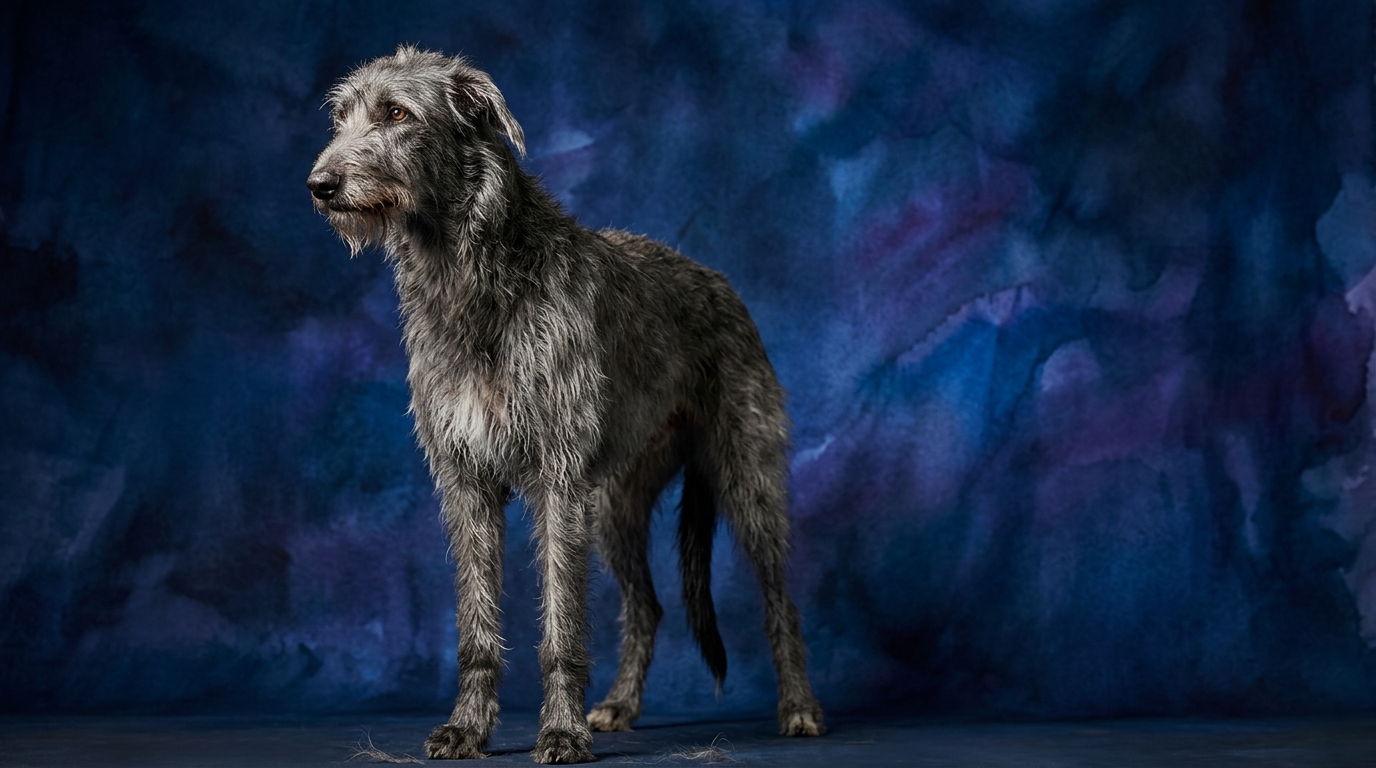
For the **Scottish Deerhound**, a 3/5 in **Problem Solving** indicates an ability to strategize in pursuit of large game, relying on keen sight and independent decision-making rather than complex, multi-step solutions. Their **Training Speed** at 3/5 reflects a moderate willingness to learn, often tempered by their independent sighthound nature; they grasp commands, but compliance might hinge on their perceived value. **Social Intelligence** at 3/5 points to an awareness of their human companions and pack dynamics, typically expressed as gentle affection rather than boisterous engagement. Their **Instinctive Drive** also at 3/5, is geared towards the pursuit of deer, manifesting as a strong, focused prey drive when triggered. Finally, a **Memory** score of 3/5 means they retain learned behaviors and experiences reasonably well, making consistent, positive reinforcement effective over time.
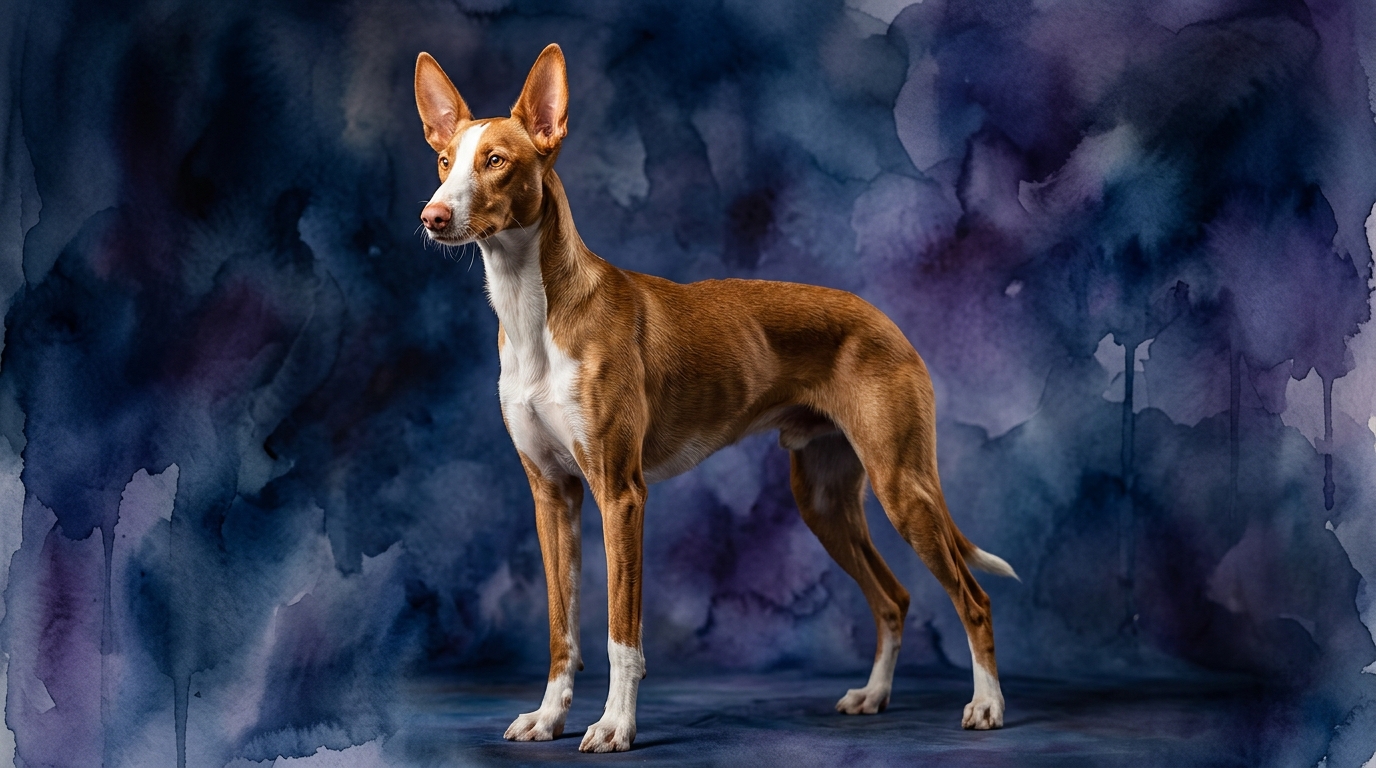
The **Ibizan Hound**, also scoring 3/5 across the board, interprets these metrics through the lens of a nimble, agile hunter of rabbits and other small, fast prey. Their **Problem Solving** at 3/5 is less about brute force strategy and more about quick, adaptable decision-making in complex terrains, using their athletic prowess to outmaneuver quarry. A 3/5 in **Training Speed** suggests they learn at a similar pace to the Deerhound, but their independent spirit may require more creative motivation and patience from trainers, often challenging conventional obedience. **Social Intelligence** at 3/5 indicates a generally amiable nature, often displaying a playful, sometimes clownish, bond with their chosen family. Their **Instinctive Drive** at 3/5 is intensely focused on the hunt, characterized by bursts of speed and a relentless chase, often with a vocal component. Their **Memory** at 3/5 supports their ability to recall hunting patterns and learned commands, though selective hearing can be a hallmark of the sighthound temperament.
Where the Scottish Deerhound's Cognition Shines
While both breeds share a 3/5 problem-solving score, the Scottish Deerhound's specific cognitive strength lies in their calculated assessment and sustained pursuit. Their historical role demanded the ability to track and bring down large, powerful animals, requiring a form of patient, strategic thinking. This isn't about rapid-fire decisions, but rather a steady, almost stoic determination in the face of a challenge. They excel at independent judgment over long distances, making critical decisions about terrain and the movements of their quarry without constant human direction. Their calm demeanor, even amidst exertion, suggests a cognitive process that prioritizes efficiency and endurance in their endeavors, a hallmark of their specific problem-solving aptitude.
The Deerhound's social intelligence, while rated 3/5, often manifests as a profound, quiet loyalty. This isn't the effusive gregariousness of some breeds, but a deep, discerning connection. They are perceptive of their family's moods and often respond with gentle comfort, displaying an empathetic awareness that speaks to a nuanced understanding of social cues. Their memory, also 3/5, supports this by allowing them to form strong, lasting bonds and recall the specific interactions that build trust, making them sensitive and responsive companions once a bond is established through consistent, gentle handling.
Where the Ibizan Hound's Cognition Excels
The Ibizan Hound's 3/5 problem-solving capability is distinctively geared towards agility and quick adaptability. Their traditional role involved navigating treacherous, rocky terrain to outwit fast-moving small game. This necessitates rapid decision-making, exceptional spatial awareness, and a capacity for creative maneuvering. They are adept at finding novel solutions to physical obstacles, often demonstrating an almost cat-like grace and ingenuity in their movements. Their cognitive strength lies in their ability to process dynamic environments quickly and adjust their strategy on the fly, a testament to their heritage as versatile, independent hunters.
In terms of instinctive drive, the Ibizan Hound's 3/5 score translates into an incredibly focused and persistent hunting instinct. This drive is not just about pursuit but also about the intelligent application of their senses – sight, scent, and hearing – in concert to locate and secure prey. Their memory, while 3/5, is particularly effective in recalling successful hunting routes and strategies, allowing them to learn from experience and refine their techniques. This combination of quick thinking and strong instinct makes them exceptionally effective at their ancestral tasks, showcasing a specialized cognitive toolkit for their specific form of predation.
Training Dynamics: Independence vs. Compliance
When considering which breed is 'easier to train,' it’s crucial to acknowledge the shared sighthound independence that underpins both their 3/5 training speed scores. Neither breed is typically eager to please in the manner of a retriever or herding dog; they are thinkers, not simply followers. However, the Ibizan Hound's Coren ranking of #53, compared to the Scottish Deerhound being unranked by Coren, offers a subtle clue. The Coren ranking primarily assesses obedience and working intelligence, suggesting that Ibizans, while independent, might exhibit a slightly higher aptitude for understanding and performing conventional obedience commands under structured training conditions. This might be due to their slightly more playful and perhaps more food-motivated nature, making them amenable to positive reinforcement techniques that tap into their desire for engagement.
The Scottish Deerhound, while equally capable of learning (3/5 training speed), often requires a more patient, gentle, and consistent approach. Their sensitive nature means harsh corrections are counterproductive, and their independent streak can manifest as a quiet refusal rather than an overt challenge. Training a Deerhound is often about building a strong, trusting relationship where they *choose* to comply because they value the bond and the interaction. Their larger size also means early and consistent leash training is paramount, as their strength can be considerable if they decide to pursue a squirrel. Ibizans, with their boundless energy, might respond well to training that incorporates agility or lure coursing, channeling their natural drives into structured activities that they enjoy, which can make them appear more 'trainable' in certain contexts.
Matching Lifestyles: Active Explorers vs. Relaxed Companions
The distinction between these two breeds becomes clearer when considering their ideal living arrangements and owner lifestyles. The Ibizan Hound, with its heritage of agile, high-energy hunting, is undoubtedly better suited for active owners. They thrive on vigorous daily exercise, often needing ample space to run and stretch their legs at full speed. Their playful nature and natural athleticism make them excellent companions for activities like hiking, running, or lure coursing. An Ibizan who doesn't receive sufficient physical and mental stimulation can become bored and potentially destructive, or develop undesirable behaviors like counter-surfing or excessive vocalization. They require an owner who understands and can meet their substantial exercise requirements, providing outlets for their innate drive and energy.
Conversely, the Scottish Deerhound, while possessing a powerful burst of speed for their ancestral hunt, is often described as a 'gentle giant' or 'velvet couch potato' indoors. They are content with moderate exercise – a good daily walk or a supervised romp in a secure area – followed by long periods of rest and relaxation. Their immense size means they need space, but they are not typically hyperactive within the home. They are better suited for owners who appreciate a calm, dignified presence and are prepared for a dog that enjoys quiet companionship and lounging. While they still require secure outdoor space for their occasional sprints, their overall energy demands are significantly lower than the Ibizan, making them a better fit for a more relaxed household, provided their need for comfort and companionship is met.
The Verdict
Choose the Scottish Deerhound if you seek a calm, dignified companion who offers gentle loyalty and requires moderate daily exercise balanced with ample indoor relaxation.
Opt for the Ibizan Hound if you lead an active lifestyle, can provide significant daily exercise and mental stimulation, and appreciate a playful, agile, and independent canine partner.
🧠 Find Your Pet's IQ Score
Our Pet IQ Lab assessment covers 25+ tests across 5 cognitive dimensions — personalized to your breed.
Take the Full IQ Test →Frequently Asked Questions
Do Scottish Deerhounds and Ibizan Hounds have the same intelligence?
Based on The Cosmic Pet Pet IQ Lab's assessment, both breeds score an identical 3/5 across all five cognitive dimensions. While their numerical intelligence is the same, how that intelligence manifests in problem-solving or training can differ significantly due to their distinct historical roles and temperaments.
Which breed is easier to train for basic obedience?
While both breeds exhibit sighthound independence, the Ibizan Hound, with its Coren ranking of #53, might show a slightly higher aptitude for conventional obedience training. The Scottish Deerhound, though equally capable of learning, often requires a more patient, gentle, and relationship-focused approach due to its sensitive nature.
Are these breeds good for first-time dog owners?
Neither breed is typically recommended for first-time dog owners without a thorough understanding of sighthound characteristics. Their independent nature, strong prey drive, and specific exercise requirements demand an owner who is committed to consistent, positive training and can manage their unique needs effectively.