Side-by-Side Cognitive Profiles: Decoding the 3/5
Despite both breeds scoring a 3/5 across our five cognitive dimensions, the manifestation of these scores differs significantly, shaped by their unique breed purposes and physical attributes. Understanding these nuances is key to appreciating their individual forms of intelligence.
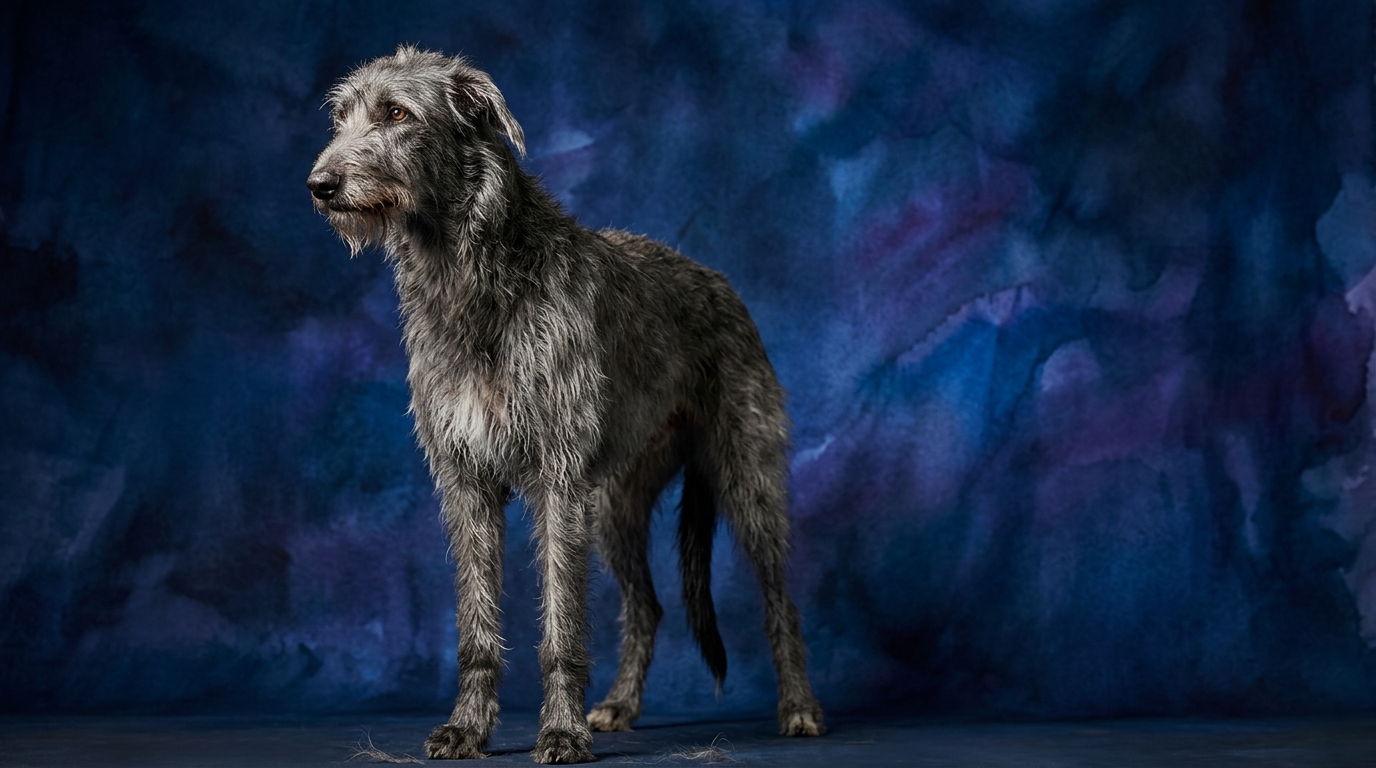
For the **Scottish Deerhound (Hound)**:
**Problem Solving (3/5):** Their historical role chasing deer across varied, often challenging terrain honed a practical problem-solving skill, not in abstract puzzles but in navigating physical challenges, anticipating prey movement, and making independent decisions in the field. This involves excellent spatial reasoning, environmental awareness to avoid obstacles, and the ability to strategize a chase route.
**Training Speed (3/5):** While certainly capable of learning, their sighthound independence means they process commands with a degree of self-interest; they learn most effectively when motivated by positive reinforcement and engaging methods, rather than purely out of a desire to please. Immediate, rote obedience isn't their primary drive, requiring patience and a strong, trusting bond from their trainer.
**Social Intelligence (3/5):** These gentle giants are observant and possess a deep understanding of their human pack's dynamics. They form profound bonds, often expressing their affection with quiet dignity rather than boisterous displays, discerning moods and responding with a calm, reassuring presence. They read social cues well but might not always feel compelled to act on them immediately.
**Instinctive Drive (3/5):** Their powerful prey drive is deeply ingrained, manifesting as a keen interest in distant movement and an undeniable desire to chase. This isn't just a physical urge but a cognitive one, involving pattern recognition for potential prey, strategic pursuit planning, and an intense focus that can override other stimuli.
**Memory (3/5):** Deerhounds possess a reliable memory for routines, specific people, and especially for locations associated with positive outdoor experiences or past adventures. They generally recall learned commands and boundaries, though their inherent independence and focus on external stimuli might occasionally cause a momentary “selective hearing” when a more compelling instinct takes over.
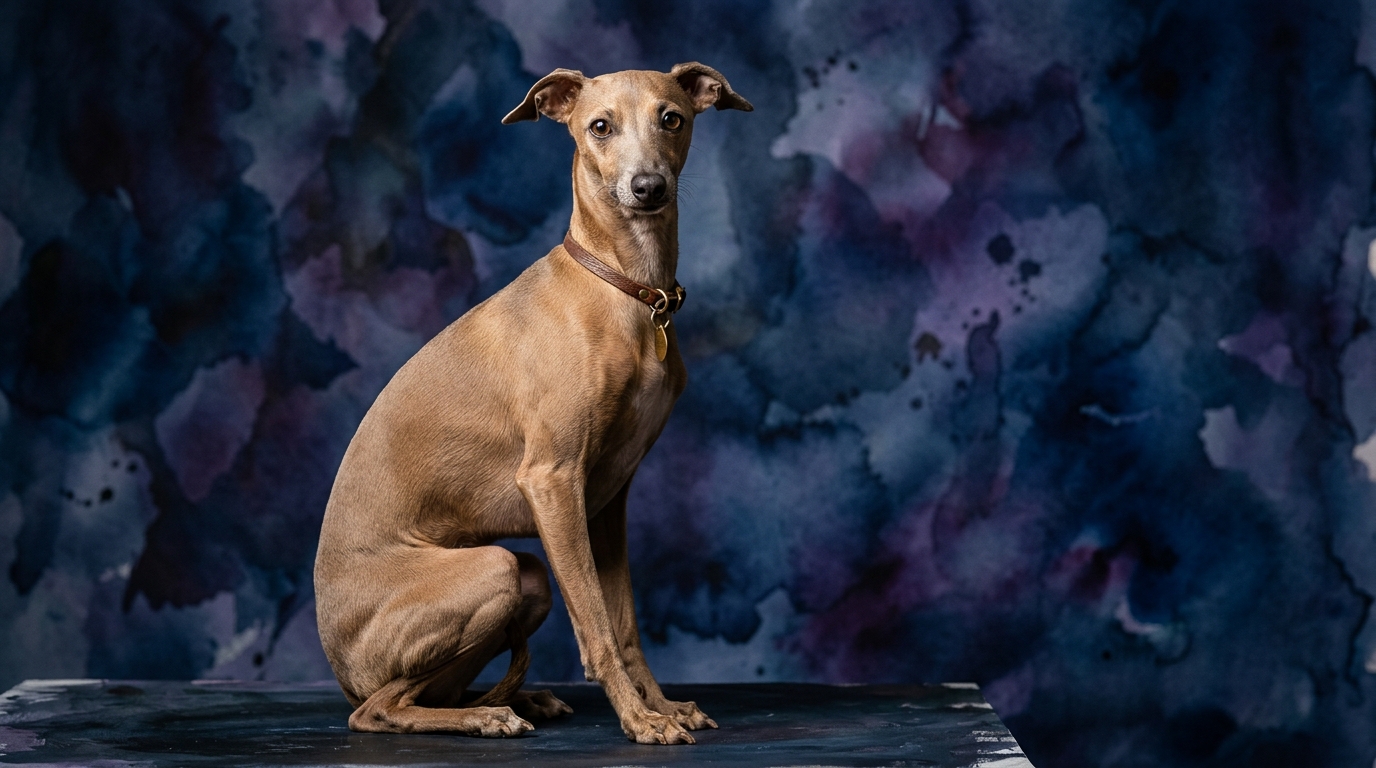
For the **Italian Greyhound (Toy)**:
**Problem Solving (3/5):** For the Italian Greyhound, problem-solving often manifests in navigating the intricate domestic sphere: figuring out how to reach a sunbeam on a high couch, manipulating soft blankets into a perfect nest, or strategically positioning themselves for maximum human attention and warmth. Their ingenuity is often geared towards optimizing their comfort and interaction within their immediate environment.
**Training Speed (3/5):** Sensitive and generally eager to please their chosen humans, Italian Greyhounds can learn quickly with gentle, positive methods and consistent repetition. However, their delicate nature, propensity for distractibility, especially by interesting smells or subtle movements, and sometimes a stubborn streak means training requires patience, a light touch, and high-value rewards to maintain focus.
**Social Intelligence (3/5):** These “velcro dogs” are profoundly socially intelligent within their inner circle, highly attuned to their owners' emotions, body language, and established routines. They thrive on constant companionship, often seeking physical closeness and offering subtle cues for interaction, demonstrating a deep understanding of their human's needs and moods, though they can be reserved or shy with strangers.
**Instinctive Drive (3/5):** Despite their toy size, the Italian Greyhound retains a distinct sighthound's drive, often displaying surprising bursts of speed to chase small moving objects, backyard critters, or even dust bunnies. This instinct informs their play and can be a significant motivator in their cognitive engagement, requiring secure environments to prevent escapes.
**Memory (3/5):** IGs have a good memory for routines, the location of their favorite cozy spots, and the specific people who provide comfort and attention. They recall commands and past experiences, both positive and negative, which significantly influences their future interactions, learning capabilities, and responses to various situations.
Where the Scottish Deerhound Cognitively Shines
Their cognitive strengths are particularly evident in their capacity for sustained, independent thought and action within expansive, varied environments. A Deerhound's problem-solving often involves assessing a situation over a larger spatial and temporal scale, such as determining the most efficient, safe path across uneven ground or analyzing the movement patterns of a distant object with remarkable visual acuity. Their social intelligence, while not overtly effusive, allows for a deep, quiet understanding of complex family dynamics, often providing a comforting, stable presence without demanding constant attention, demonstrating a nuanced emotional awareness. Their instinctive drive is paired with a noble restraint, making them thoughtful pursuers rather than frantic ones, showcasing a cognitive blend of powerful focus and patient deliberation in their natural behaviors.
Where the Italian Greyhound Cognitively Excels
The Italian Greyhound's cognitive advantages are often observed in their nuanced social interactions and their exceptional adaptability to intricate domestic life. Their problem-solving is finely tuned to their immediate, often human-centric environment, excelling at intricate maneuvers within a home to find the warmest spot, manipulate a blanket into the perfect fort, or strategically position themselves for maximum human lap time, demonstrating a keen understanding of their comfort and affection needs. Their social intelligence allows them to be exceptionally perceptive of human emotions and subtle cues, often anticipating needs for cuddles or play before a verbal command is given, making them highly responsive companions. This breed's memory is particularly adept at recalling the precise moments and locations of positive reinforcement, making them eager and quick participants in gentle, reward-based training sessions focused on domestic harmony.
Training Dynamics: Independence vs. Sensitivity
Despite identical 3/5 training speed scores, the approach to training these two breeds differs significantly due to their inherent temperaments and physical constitutions. The Scottish Deerhound, with its historical independence as a hunter, often requires a trainer who understands the sighthound's self-directed nature. They learn effectively through consistent, fair, and engaging methods that respect their intelligence and don't rely on rote repetition; their cognitive processing values understanding the “why” behind a command, rather than just blind obedience. Conversely, the Italian Greyhound's training, while also requiring consistency and positive reinforcement, benefits from extreme gentleness and sensitivity. Their delicate physical and emotional constitution means harsh corrections can easily undermine their confidence and willingness to engage, leading to shut-down or anxiety. Their cognitive engagement thrives on positive emotional connection and a clear, predictable, and calm learning environment.
Lifestyle Match: Active Exploration vs. Cozy Companionship
For owners seeking a partner for active exploration and dignified companionship, the Scottish Deerhound offers a compelling choice. Their cognitive landscape thrives on opportunities to use their senses in varied outdoor settings, enjoying brisk walks, fenced-in runs, and mentally stimulating scent games that engage their hound instincts. They are not perpetually “on” but require structured outlets for their considerable physical and mental energy, followed by long, contented periods of rest and quiet observation. In contrast, the Italian Greyhound is an ideal match for individuals or families who value cozy companionship and engaging, yet less strenuous, forms of activity. Their cognitive needs are met through interactive play within the home, short bursts of secure outdoor activity, and ample opportunities for close physical contact and social interaction, making them superb, highly attuned companions for relaxed indoor living.
The Verdict
Opt for the Scottish Deerhound if you appreciate a dignified, independent companion capable of thoughtful problem-solving in open environments and can provide outlets for their natural hound instincts and need for space.
Select the Italian Greyhound if you desire a highly attuned, sensitive companion whose intelligence shines in close social interactions and navigating comfortable domestic settings, thriving on warmth and constant human connection.
🧠 Find Your Pet's IQ Score
Our Pet IQ Lab assessment covers 25+ tests across 5 cognitive dimensions — personalized to your breed.
Take the Full IQ Test →Frequently Asked Questions
Are Scottish Deerhounds difficult to train due to their independence?
Scottish Deerhounds are capable learners, but their sighthound independence means they respond best to patient, positive, and engaging training that respects their self-directed nature. They are not typically difficult, but require understanding of their breed-specific motivations and a consistent approach.
Do Italian Greyhounds have a high prey drive despite their small size?
Yes, Italian Greyhounds retain a distinct sighthound's prey drive, often showing surprising bursts of speed to chase small moving objects or critters. This instinctive drive is a significant part of their cognitive makeup and requires responsible management, especially in unsecured outdoor environments.
How do their social intelligence scores of 3/5 manifest differently in these breeds?
For the Scottish Deerhound, 3/5 social intelligence often means a quiet, dignified understanding of family dynamics and a calm, reassuring presence. For the Italian Greyhound, it translates to being highly attuned “velcro dogs” who are exceptionally perceptive of their primary human's emotions and seek constant closeness and interaction.