Side-by-Side IQ Profile: Unpacking Identical Scores
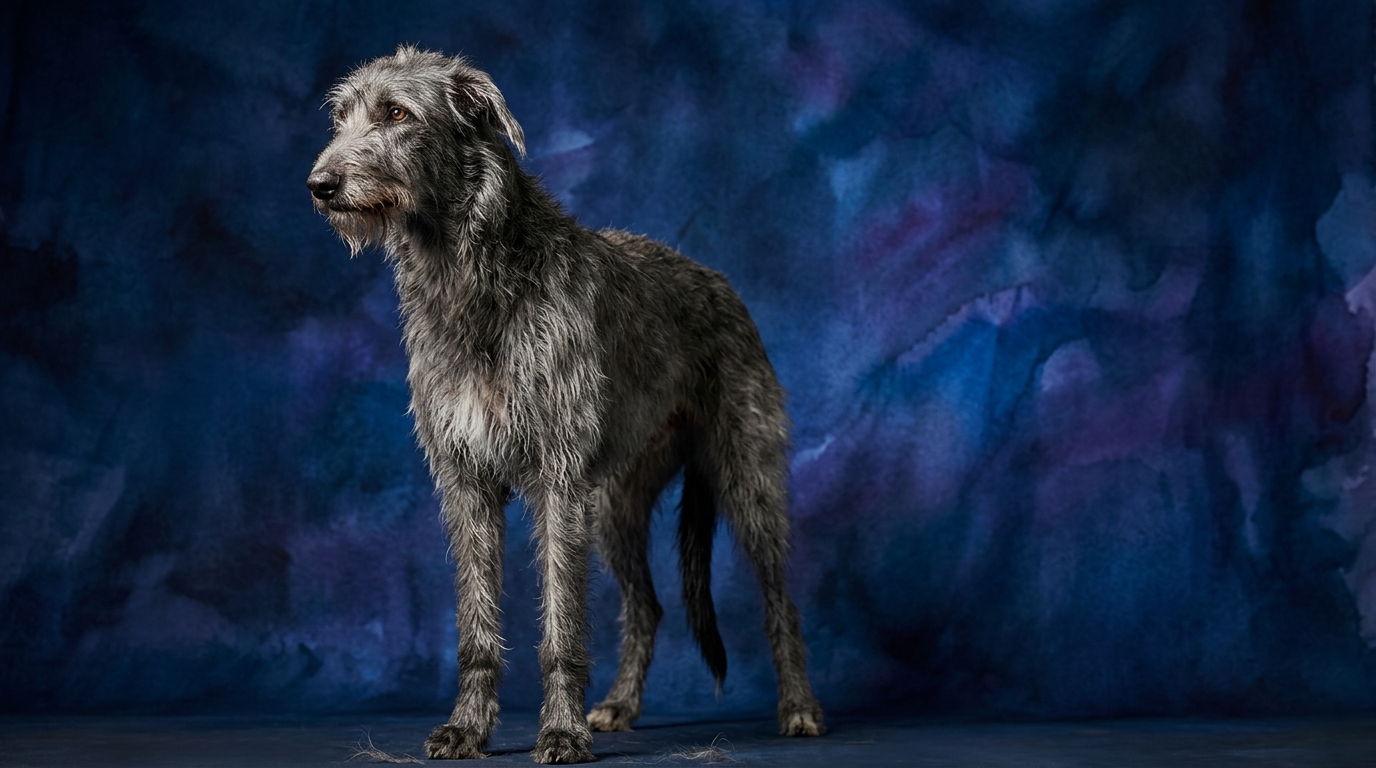
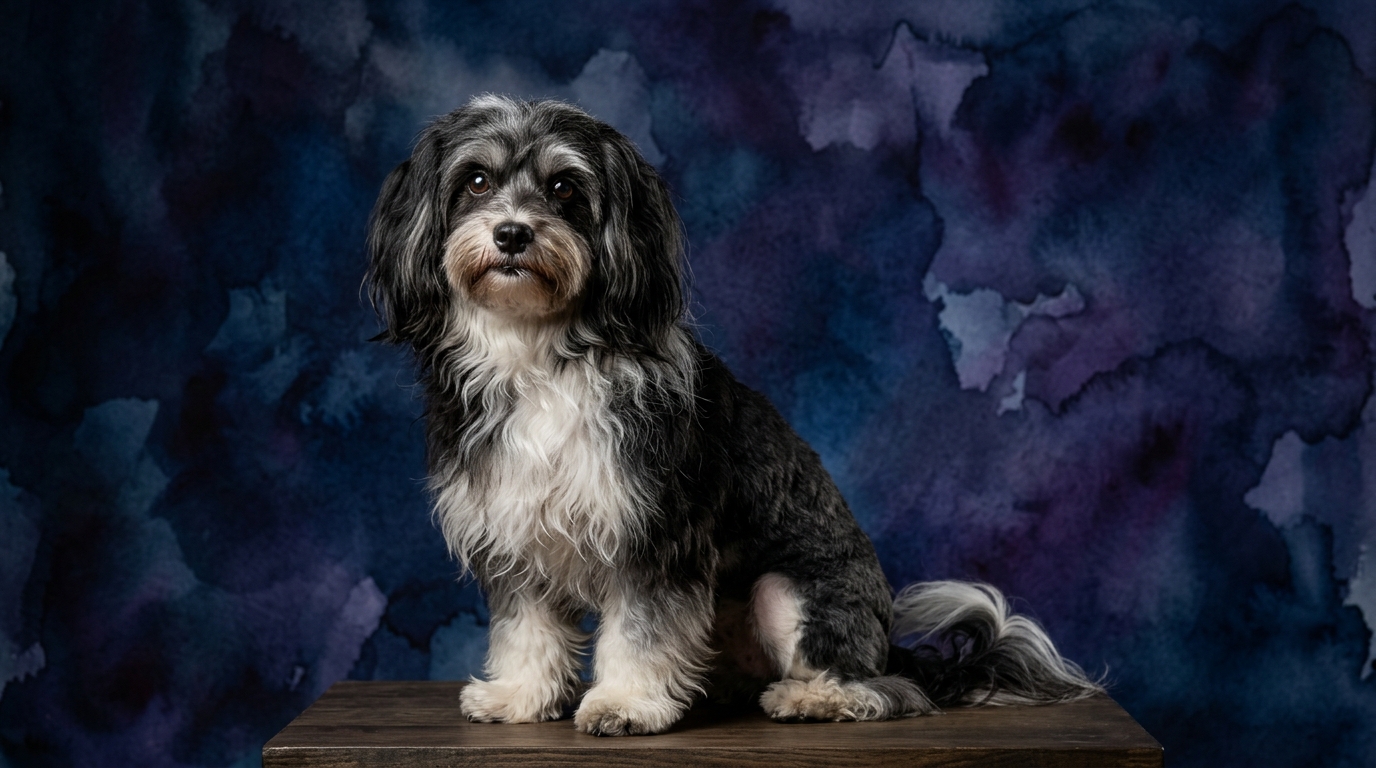
Despite their divergent appearances and purposes, both the Scottish Deerhound and the Löwchen register a balanced 3/5 across The Cosmic Pet Pet IQ Lab's five cognitive dimensions. This identical scoring doesn't suggest interchangeable minds, but rather that their intelligence manifests differently within the context of their breed-specific drives and histories. Understanding these nuances is key to appreciating their individual cognitive strengths.
For the **Scottish Deerhound**, a 3/5 in **Problem Solving** indicates a practical intelligence, often applied to navigating complex outdoor environments or strategic pursuit during their historical hunting roles, rather than abstract puzzles. Their **Training Speed** at 3/5 reflects a capacity to learn new commands at a moderate pace, though their independent sighthound spirit means motivation must be genuinely compelling for consistent engagement. Their **Social Intelligence** (3/5) points to a quiet perceptiveness; they form deep bonds and understand household dynamics, but express affection with a dignified subtlety. An **Instinctive Drive** of 3/5 primarily highlights their strong, inherent desire to chase, a fundamental aspect of their breed character. Finally, their **Memory** at 3/5 allows them to recall routines, commands, and familiar places, contributing to their calm presence and reliability once a behavior is established.
The **Löwchen**, also scoring 3/5 across the board, interprets these metrics through a different lens. Their **Problem Solving** (3/5) is typically seen in domestic settings, such as figuring out how to access a favorite toy or cleverly communicating a desire to their owner, showcasing a quick wit focused on their immediate social and physical environment. A 3/5 in **Training Speed** means they learn new tasks moderately quickly, often eager to please, though their playful and sometimes mischievous nature requires engaging methods and consistent boundaries. Their **Social Intelligence** (3/5) is highly tuned to human emotions and interactions, allowing them to thrive on companionship and adapt seamlessly to family life. The **Instinctive Drive** at 3/5 for a Löwchen translates to a strong desire for interaction, play, and a degree of watchdog vigilance, rather than a prey drive. Their **Memory** at 3/5 ensures they easily remember family members, household rules, and training cues, which supports their adaptability and makes them well-integrated companions.
Where the Scottish Deerhound Wins Cognitively
The Scottish Deerhound's cognitive strengths truly shine in environments that allow their ancestral traits to flourish. Their problem-solving, while rated 3/5, is particularly adept in open spaces, where they can strategically assess terrain, wind direction, and potential movement, demonstrating a practical application of intelligence geared towards large-scale navigation and pursuit. This isn't about solving a puzzle box, but about understanding a landscape.
Their memory, also 3/5, excels in recalling vast routes or hunting patterns, aiding their ability to orient themselves in expansive outdoor settings. This keen spatial memory, combined with their observational social intelligence, means they often perceive subtle environmental changes or shifts in a group's mood with a quiet, dignified awareness, making them perceptive companions in their own understated way. They possess a calm focus that allows them to process information about their surroundings without overt fuss.
Where the Löwchen Wins Cognitively
The Löwchen’s cognitive advantages are most evident in their adaptability and nuanced social engagement within a home environment. Their 3/5 problem-solving frequently manifests as cleverness in domestic scenarios, such as manipulating objects to get what they want or devising playful strategies to engage their owners, indicating a focused, immediate form of intellectual curiosity. They are astute observers of human behavior and routines.
Their social intelligence, also 3/5, allows them to excel as attentive companions, often anticipating human moods and responding with comforting presence or playful antics. This ability to read and react to social cues makes them remarkably versatile in different family dynamics. The Löwchen's memory, again 3/5, is excellent for recalling complex social interactions and preferences of individual family members, contributing to their ability to form strong, personalized bonds and integrate smoothly into daily life.
Which is Easier to Train and Why
Comparing ease of training for breeds both scoring 3/5 in Training Speed requires looking beyond the number to their behavioral drivers. The Löwchen, generally more eager to please their human companions and with a lower prey drive, often appears 'easier' to train for basic obedience and household manners. Their social intelligence means they are highly motivated by positive reinforcement and human approval, making them responsive to consistent, engaging training methods. However, their cleverness and spirited nature mean they can quickly learn to 'train' their owners if not given clear boundaries.
The Scottish Deerhound, while capable of learning at the same moderate pace, presents different training challenges due to their strong instinctive drive (3/5) and independent sighthound nature. They can be less motivated by traditional obedience and more by their environment, especially if a chase opportunity arises. Off-leash recall, while achievable, requires extensive, high-value motivation and proofing due to their innate desire to pursue. Training a Deerhound demands immense patience, understanding of their specific motivations, and a commitment to making training a positive, collaborative experience that respects their independence. Neither breed is inherently 'hard' to train, but their differing motivations mean the *approach* to training must be tailored.
Which Suits Active Owners vs. Relaxed Owners
For **active owners**, the Scottish Deerhound is an ideal match. Despite their calm indoor demeanor, they require significant bursts of exercise in a secure, expansive area where they can gallop freely and satisfy their sighthound instincts. Owners who enjoy long walks, hiking in open spaces, or even lure coursing will find a rewarding partnership. Their mental stimulation often comes from exploring new environments and having opportunities to observe and process their surroundings, rather than complex puzzle toys.
**Relaxed owners** will likely find the Löwchen a more fitting companion. While they benefit from regular walks and engaging playtime, their exercise needs are moderate and easily met in most urban or suburban settings. They thrive on companionship and enjoy being involved in family activities, whether it's cuddling on the sofa or a stroll around the block. Their adaptability and desire for social interaction make them excellent companions for those seeking a charming, engaging presence without the demands of a high-energy, large-breed dog.
The Verdict
Choose the Scottish Deerhound if you are an active individual or family with access to secure, open spaces, appreciating a dignified, independent companion whose intelligence is expressed through environmental awareness and quiet loyalty.
Opt for the Löwchen if you seek a vibrant, adaptable companion who thrives on social interaction, enjoys moderate activity, and exhibits cleverness within the home, fitting seamlessly into a relaxed yet engaging lifestyle.
🧠 Find Your Pet's IQ Score
Our Pet IQ Lab assessment covers 25+ tests across 5 cognitive dimensions — personalized to your breed.
Take the Full IQ Test →Frequently Asked Questions
Do Scottish Deerhounds require a lot of mental stimulation?
Scottish Deerhounds benefit from mental engagement that aligns with their breed's natural tendencies. This often involves opportunities to observe their environment, explore new scents and sights on walks, and engage in activities that tap into their instinctual drives, rather than complex puzzle toys or highly structured obedience drills.
Are Löwchens good for first-time dog owners?
Löwchens can be excellent for first-time dog owners due to their adaptable nature, moderate exercise needs, and eagerness for companionship. Their social intelligence helps them integrate well into families, though consistent positive reinforcement training is essential to manage their cleverness and prevent them from developing mischievous habits.
How do the instinctive drives of these two breeds differ in daily life?
The Scottish Deerhound's instinctive drive primarily manifests as a strong urge to chase, requiring secure containment and careful management during outdoor activities. The Löwchen's drive is more focused on social interaction, play, and alert barking, making them vigilant companions who enjoy being at the heart of family life.