Side-by-Side IQ Profile: Deconstructing the 3/5 Scores
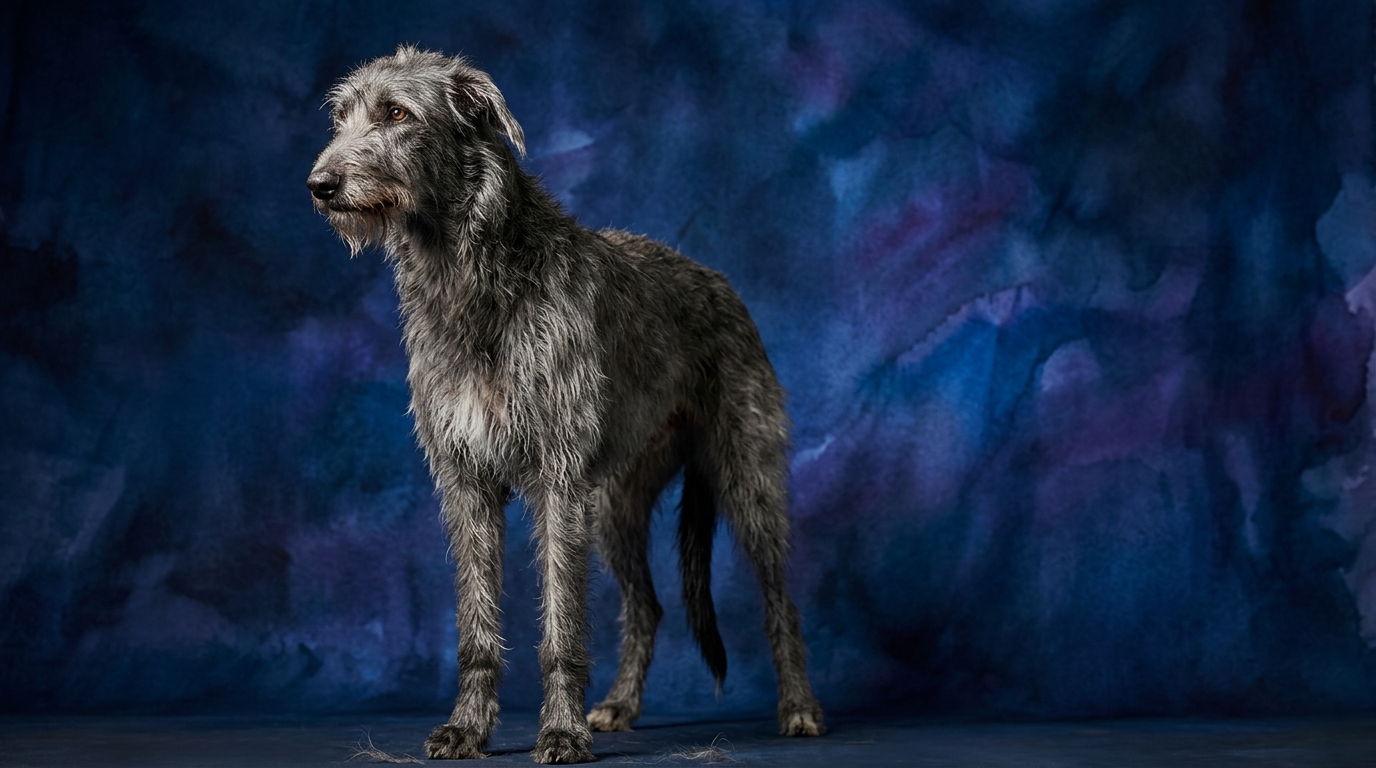
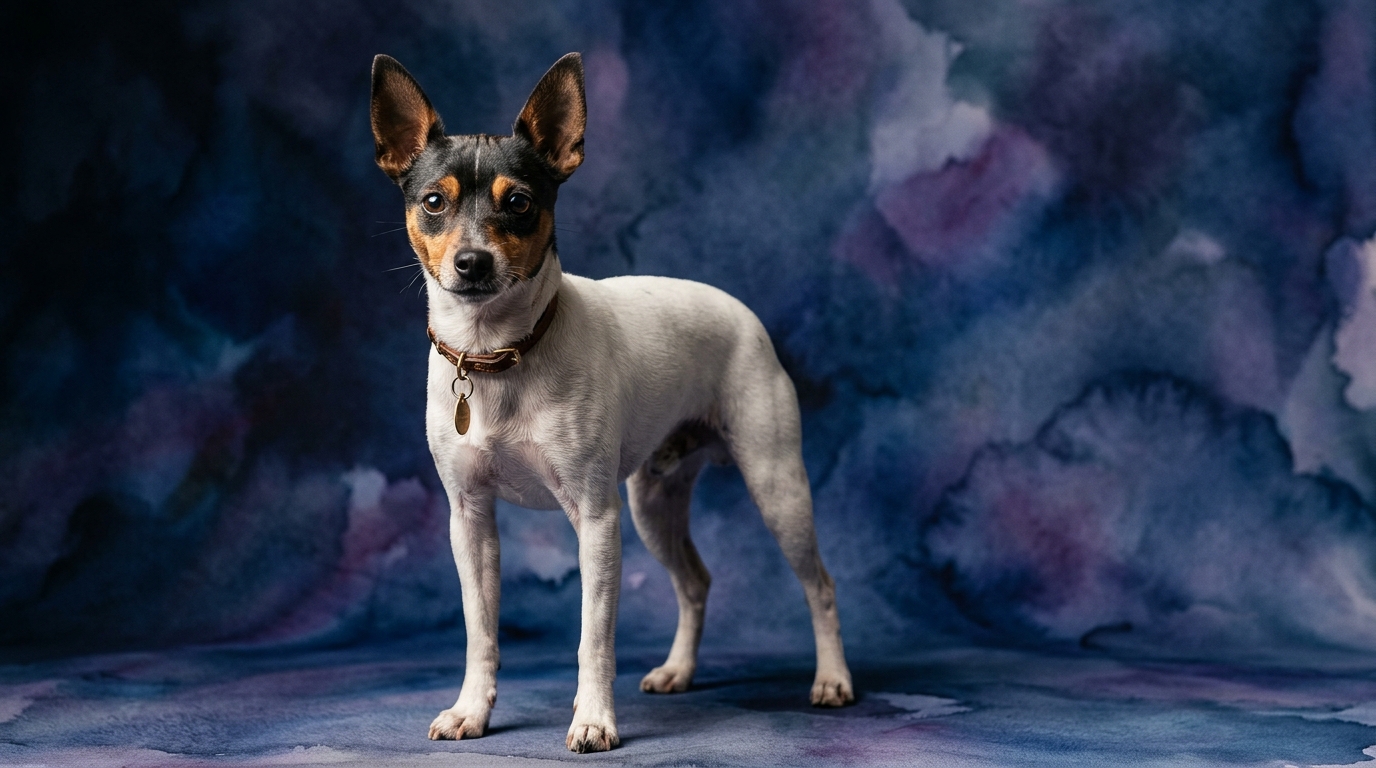
The Cosmic Pet Pet IQ Lab assigns both the Scottish Deerhound and the Toy Fox Terrier a consistent 3 out of 5 across all five cognitive dimensions: Problem Solving, Training Speed, Social Intelligence, Instinctive Drive, and Memory. While the numerical scores align, the practical application and behavioral expression of these scores diverge significantly due to their distinct breed histories and physical attributes.
For **Problem Solving (3/5)**, the Scottish Deerhound often displays a strategic independence, adept at figuring out how to navigate open spaces or comfortable lounging spots, reflecting their sighthound heritage of making quick decisions in the field. The Toy Fox Terrier, conversely, applies its problem-solving to more immediate, domestic challenges, such as manipulating puzzle toys for treats or finding ingenious ways to get attention, showcasing their clever terrier resourcefulness.
Regarding **Training Speed (3/5)**, Deerhounds learn effectively with positive reinforcement and clear, consistent instruction, but their independent nature means they can be selective about compliance if motivation wanes or a more engaging scent captures their focus. Toy Fox Terriers also learn quickly, especially when highly motivated by treats or play, but their lively energy and occasional mischievous streak can sometimes present as a shorter attention span, requiring engaging, varied sessions.
**Social Intelligence (3/5)** in a Deerhound is often expressed as a reserved yet deeply sensitive connection with their immediate family, reading subtle cues and emotional states within their trusted circle. They are generally polite but not overtly effusive with strangers. Toy Fox Terriers exhibit their social intelligence through a more outwardly expressive charm, often adept at 'working the room' to gain affection or treats, and keenly attuned to their owner's moods, sometimes using this understanding to their advantage.
The **Instinctive Drive (3/5)** of a Scottish Deerhound is predominantly a powerful, visual prey drive, compelling them to chase anything that moves at speed across a distance, a clear echo of their deer-hunting ancestry. For the Toy Fox Terrier, this drive manifests as a classic terrier intensity: a strong urge to chase and dispatch small vermin, accompanied by digging and barking, reflecting their historical role as farm pest controllers.
Finally, **Memory (3/5)** for a Deerhound involves retaining vast knowledge of familiar routes, people, and routines, often remembering specific training commands or past experiences with remarkable clarity. The Toy Fox Terrier also possesses a good memory, particularly for where treats are stored, complex trick sequences, or the precise timing of daily events, allowing them to anticipate and recall with precision.
Where the Scottish Deerhound Wins Cognitively
The Scottish Deerhound's cognitive strengths often lie in their calm, observational intelligence and their ability to make independent, decisive judgments in dynamic environments. Their problem-solving, while rated 3/5, excels in scenarios demanding spatial awareness and the pursuit of a specific goal, such as navigating complex terrain or bypassing obstacles to reach a desired object. This is less about intricate manipulation and more about efficient, large-scale strategizing.
Their social intelligence, though reserved, allows for a profound, almost telepathic bond with their chosen humans, perceiving subtle emotional shifts and responding with quiet empathy. This deep, internal attunement contrasts with more outwardly expressive breeds. Moreover, their memory for extensive routes and geographical layouts, crucial for a sighthound covering vast distances, often gives them an edge in spatial recall over breeds less focused on such tasks.
Where the Toy Fox Terrier Wins Cognitively
The Toy Fox Terrier's cognitive advantages shine in their quick wit, adaptability, and cleverness within a domestic setting. Their 3/5 problem-solving capability often manifests as ingenious methods for acquiring resources, like figuring out how to open cabinets or extracting treats from challenging puzzle toys. This involves a more hands-on, manipulative approach to their environment.
Their social intelligence, also 3/5, leans towards charming manipulation and a keen understanding of human behavior to get what they want, be it extra cuddles or a dropped crumb. They are often quick to learn complex tricks and routines, leveraging their eagerness to please and high motivation for rewards. Their memory is particularly sharp for sequences of actions and routines that lead to desirable outcomes, making them very effective at 'training' their owners.
Which is Easier to Train and Why
Determining which breed is 'easier' to train is nuanced, as both hold a 3/5 Training Speed score, but their motivations and challenges differ significantly. The Toy Fox Terrier, with its smaller size, often presents as easier for the average owner due to its higher food drive and desire for engagement, making them highly responsive to positive reinforcement and trick training. Their compact build also means that occasional lapses in obedience are less impactful than with a large sighthound.
The Scottish Deerhound, while capable of learning quickly, requires an owner who understands their independent sighthound nature. They can be less motivated by constant repetition and more by purpose, making training about building a respectful partnership rather than strict compliance. Their sheer size and powerful instinctive drive mean that consistent, early training is not just beneficial but essential for safety and manageability, demanding a dedicated and patient approach to harness their latent abilities and ensure reliable recall despite their hunting instincts.
Which Suits Active Owners vs. Relaxed Owners
For owners with an active lifestyle that includes bursts of intense exercise, the Scottish Deerhound can be an ideal companion. While they are renowned for their calm demeanor indoors, often found lounging gracefully, they require significant opportunities for off-leash running in a securely fenced area to satisfy their sighthound need for speed. This active phase is typically intense but relatively short, followed by long periods of rest, making them suitable for owners who can provide dedicated exercise time and then appreciate a quiet, majestic presence.
The Toy Fox Terrier, despite its small stature, is a perpetually energetic and engaged companion, suiting owners who prefer a more consistently interactive and moderately active lifestyle. They thrive on daily walks, playtime, and mental stimulation through training and games, often requiring more sustained engagement throughout the day compared to the Deerhound's 'sprint-and-nap' routine. They are well-suited for owners who enjoy frequent, varied activities and appreciate a lively, attentive co-pilot in their daily adventures.
The Verdict: When to Choose Each
The Verdict
Choose the Scottish Deerhound if you value a dignified, calm indoor companion who requires bursts of intense exercise in secure, expansive spaces, and you appreciate a deeply loyal, reserved bond.
Opt for the Toy Fox Terrier if you desire a lively, intelligent companion for a moderately active lifestyle, enjoying consistent engagement, playful antics, and a clever, charming personality.
🧠 Find Your Pet's IQ Score
Our Pet IQ Lab assessment covers 25+ tests across 5 cognitive dimensions — personalized to your breed.
Take the Full IQ Test →Frequently Asked Questions
Do Scottish Deerhounds require a lot of space?
Yes, Scottish Deerhounds, despite their calm indoor nature, absolutely require access to a large, securely fenced area where they can run at full speed. Their sighthound instincts demand regular opportunities to stretch their long legs and satisfy their need for powerful sprints.
Are Toy Fox Terriers good with children?
Toy Fox Terriers can be excellent companions for older, respectful children who understand how to interact gently with a small, energetic dog. Their playful and attentive nature makes them engaging partners, but their small size means supervision is always advisable with very young children.
How do their instinctive drives impact daily life?
The Deerhound's strong visual prey drive means secure leashing and fencing are paramount outdoors to prevent chasing. The Toy Fox Terrier's terrier drive translates to a propensity for digging, barking at small critters, and an active interest in 'hunting' toys, requiring consistent management and appropriate outlets for these behaviors.