Side-by-Side IQ Profile: Scottish Terrier vs. American Foxhound
The Cosmic Pet Pet IQ Lab employs a five-dimensional framework to assess canine intelligence, offering a nuanced view beyond simple obedience. Here's how the Scottish Terrier and American Foxhound stack up:
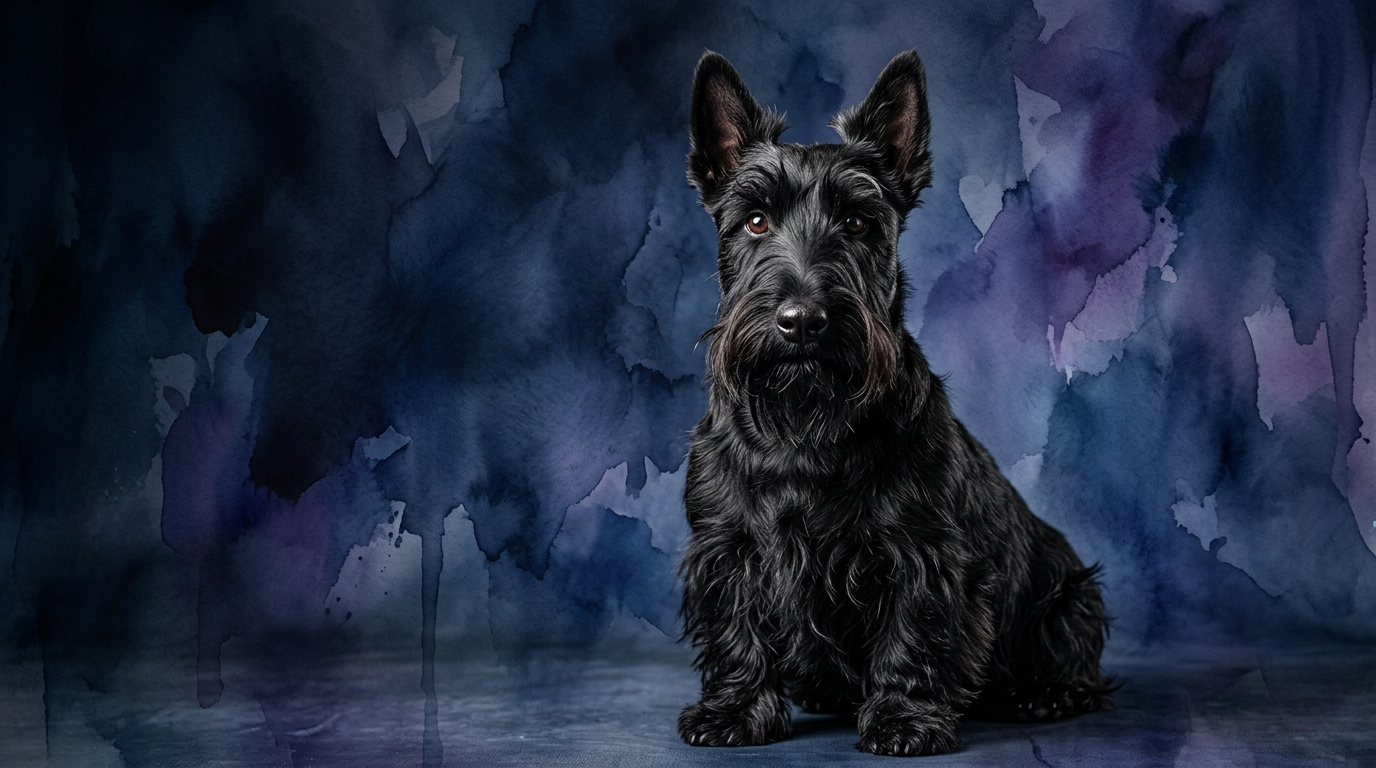
Scottish Terrier (Coren Rank #65)
Problem Solving (3/5): This breed approaches challenges with a determined, independent mindset, often leveraging tenacity to figure things out through trial and error. Their ingenuity frequently surfaces when pursuing goals like digging or accessing desired items.
Training Speed (3/5): Scottish Terriers learn commands at a moderate pace, but their strong will can sometimes translate into a preference for doing things their own way. Consistency and positive reinforcement are essential to overcoming their independent streak.
Social Intelligence (3/5): While deeply loyal to their families, Scottish Terriers often exhibit a reserved demeanor towards strangers and other animals. Their social cognition is geared towards understanding immediate pack dynamics, often involving subtle communication.
Instinctive Drive (3/5): Their terrier instincts are robust, driving them to dig, chase, and explore with a keen sense of purpose. This manifests as a strong prey drive and a persistent curiosity about their environment, influencing their focus.
Memory (3/5): Scottish Terriers possess a solid memory for routines, commands, and experiences, particularly those reinforced positively or negatively. They remember past interactions and learned behaviors, contributing to their consistent habits.
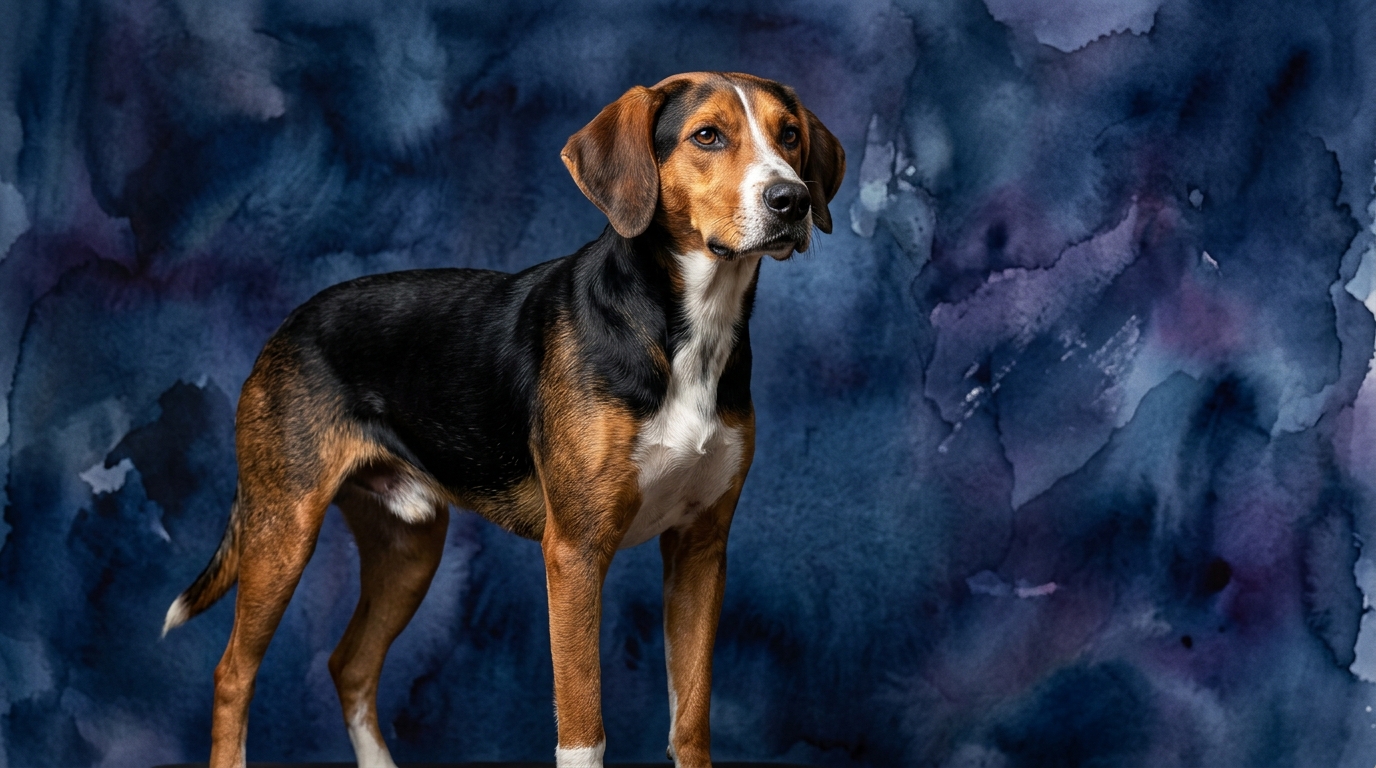
American Foxhound (Not Coren-Ranked)
Problem Solving (3/5): American Foxhounds tackle problems with a primary focus on scent, involving intricate tracking and following complex scent trails. This requires sustained concentration and deductive reasoning related to their environment.
Training Speed (3/5): These hounds learn at a moderate pace, but their deep-seated drive to follow scents can make them appear distracted or less responsive to conventional obedience training. Their learning is most effective when highly rewarding.
Social Intelligence (3/5): American Foxhounds are typically gregarious within their pack, whether human or canine, and possess a cooperative social intelligence honed for working in groups. They read the social cues of peers and handlers well.
Instinctive Drive (3/5): The instinctive drive of an American Foxhound is overwhelmingly centered on scent and pursuit. Their powerful nose dictates much of their behavior, leading to an almost insatiable desire to track and explore, often to the exclusion of other stimuli.
Memory (3/5): They exhibit a strong memory for scent patterns, terrain, and the locations of familiar trails. Their recall for specific commands might be overridden by a compelling scent, but their ability to remember complex routes and environmental details is well-developed.
Where the Scottish Terrier Wins Cognitively
The Scottish Terrier's cognitive strengths shine in scenarios demanding independent thought and a certain tenacious resolve. Their Problem Solving score of 3/5, while shared with the Foxhound, manifests as a methodical, persistent approach to obstacles, exhibiting self-directed ingenuity. This breed’s Coren rank of #65, unlike the unranked Foxhound, hints at a historical human appreciation for their working intelligence in tasks requiring individual decision-making, such as flushing out vermin. Their Memory (3/5) supports recalling successful past strategies for navigating their immediate environment. Furthermore, their Social Intelligence (3/5) allows them to form deep, nuanced bonds within their chosen human family, interpreting subtle cues and demonstrating loyalty through focused attention, rather than broad, group-oriented engagement.
Where the American Foxhound Wins Cognitively
The American Foxhound's cognitive advantages are deeply rooted in their specialized sensory processing and collaborative nature. Their Problem Solving (3/5) is exquisitely tuned for complex olfactory puzzles, demonstrating an unparalleled ability to track and interpret faint scent trails over vast distances, a skill requiring sustained focus and intricate cognitive mapping. This contrasts with the Scottie's more physical problem-solving. Their Instinctive Drive (3/5) centers not just on chasing, but on the intricate mental processing involved in filtering distractions and maintaining a singular objective, which few other breeds can match. The Foxhound's Social Intelligence (3/5) excels in group dynamics; they are adept at understanding and cooperating with other dogs and human handlers in a pack setting, making them inherently better at synchronized activities and reading collective intentions. This cooperative spirit is central to their cognitive identity, allowing for seamless teamwork in their traditional roles.
Which is Easier to Train and Why
Neither breed presents an 'easy' training experience, both scoring 3/5 in Training Speed, but their challenges stem from different cognitive priorities. The Scottish Terrier's independent streak and strong will demand immense consistency, patience, and creative motivation to overcome their preference for self-direction. While they remember commands (Memory 3/5), their problem-solving often leads them to question a command if it conflicts with immediate desires, like chasing a squirrel. They learn best when training feels collaborative. In contrast, the American Foxhound's primary obstacle is their overwhelming instinctive drive for scent. Once a compelling scent is detected, their focus can be entirely consumed by it, making recall or attention to other commands incredibly difficult. Their social intelligence allows them to work well in a group, but individual obedience needs to be highly engaging and consistently reinforced to compete with the allure of their nose. Therefore, a Foxhound's training challenge often involves managing an innate sensory distraction, whereas a Scottie's challenge is navigating their strong, independent personality.
Which Suits Active Owners vs. Relaxed Owners
For owners seeking a companion for varied outdoor activities who appreciate a dog with a robust, self-directed personality, the Scottish Terrier can be a good fit. They require consistent mental engagement and daily physical activity to satisfy their instinctive drive (3/5) for exploration and 'work.' While they enjoy a good romp, they are also content with focused play sessions and can adapt to a more relaxed indoor life once their cognitive need for engagement is fulfilled. However, for genuinely active owners, particularly those who enjoy long hikes, running, or scent work, the American Foxhound is the clear choice. Their profound instinctive drive (3/5) for tracking and boundless stamina demand extensive daily exercise and mental stimulation that taps into their olfactory prowess. A relaxed owner will quickly find themselves overwhelmed by an under-stimulated Foxhound, whose problem-solving (3/5) might turn to finding ways to escape and follow a trail. Their social intelligence (3/5) also makes them thrive in environments where they can interact with other dogs or participate in group activities, making them ideal for owners who are active and social.
The Verdict
Choose the Scottish Terrier if you appreciate a dog with independent thought and a loyal, albeit reserved, personality, and are prepared for consistent, patient training to harness their determined nature.
Opt for the American Foxhound if you lead a highly active lifestyle, can provide ample opportunities for their powerful scent drive, and value a cooperative, pack-oriented companion for outdoor adventures.
🧠 Find Your Pet's IQ Score
Our Pet IQ Lab assessment covers 25+ tests across 5 cognitive dimensions — personalized to your breed.
Take the Full IQ Test →Frequently Asked Questions
Are Scottish Terriers good at learning tricks?
Scottish Terriers can learn tricks, but their 3/5 training speed means it requires patience and making the learning process engaging and rewarding. Their independent nature often means they'll comply if they see the value or if the activity is fun for them.
Can an American Foxhound live in an apartment?
An American Foxhound can live in an apartment only if their significant exercise and mental stimulation needs, particularly for their instinctive drive, are met daily. Without ample opportunities to run and engage their nose, they are likely to become restless and destructive.
How do their social intelligence scores of 3/5 differ in practice?
The Scottish Terrier's 3/5 social intelligence manifests as deep loyalty to their immediate family, often with reserved interactions outside that circle. The American Foxhound's 3/5 social intelligence is more geared towards cooperative pack dynamics, making them amiable with other dogs and people in group settings.