Side-by-Side Cognitive Profile: Scottie vs. Border Terrier
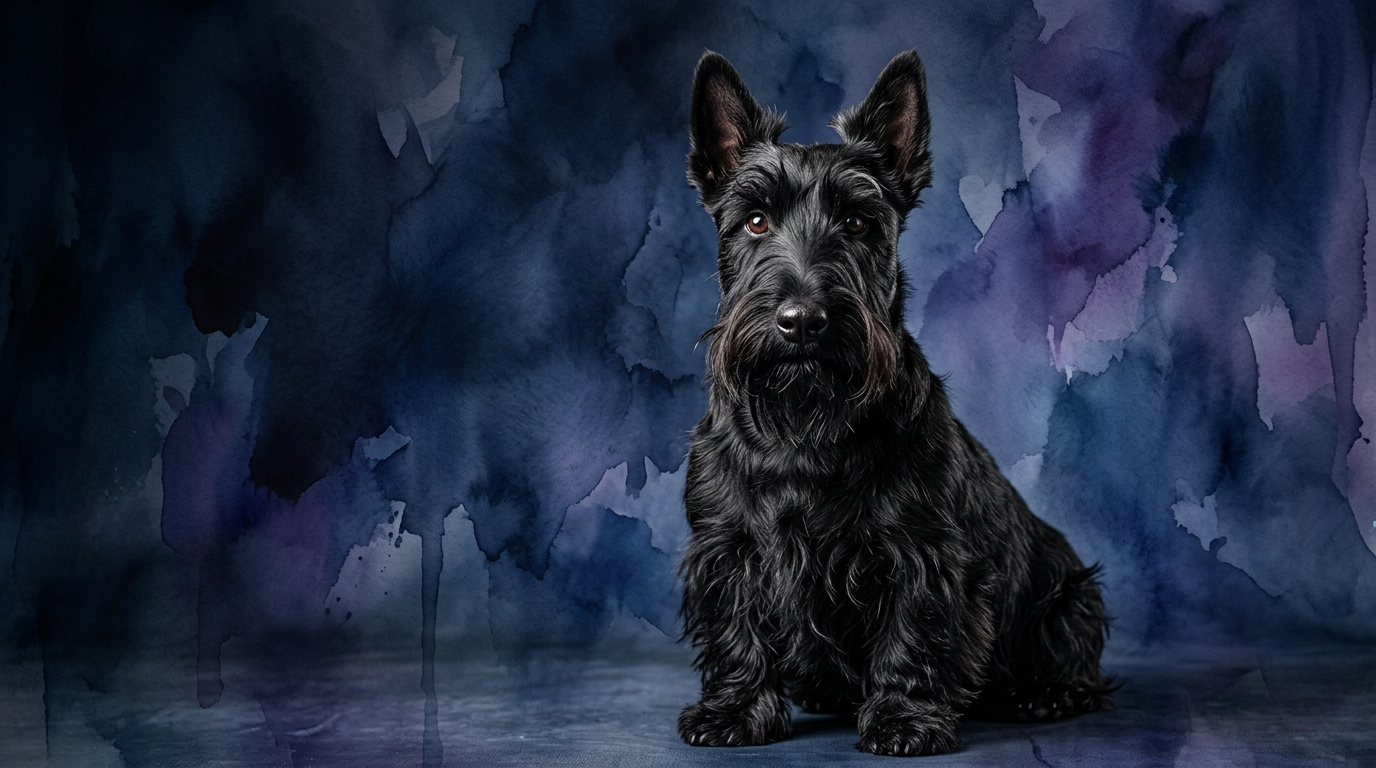
The Cosmic Pet Pet IQ Lab employs a comprehensive framework to assess canine intelligence, moving beyond simple obedience to encompass various cognitive dimensions. For the Scottish Terrier, ranked #65 by Coren, its IQ profile paints a picture of a thoughtful, self-reliant companion. Their Problem Solving is rated 3/5, suggesting a capacity to navigate challenges with a methodical, sometimes independent, approach. Training Speed also stands at 3/5, indicating they can learn new commands and routines, but often on their own terms, requiring consistent and engaging motivation. Social Intelligence is 3/5, reflecting their observant yet typically reserved nature, often forming deep bonds with their immediate family without being overly demonstrative. Instinctive Drive is 3/5, highlighting a moderate but present prey drive characteristic of terriers, leading them to engage with their environment through scent and exploration. Their Memory, rated 3/5, means they generally retain learned information, though it might be overshadowed by their current interests or independent thought.
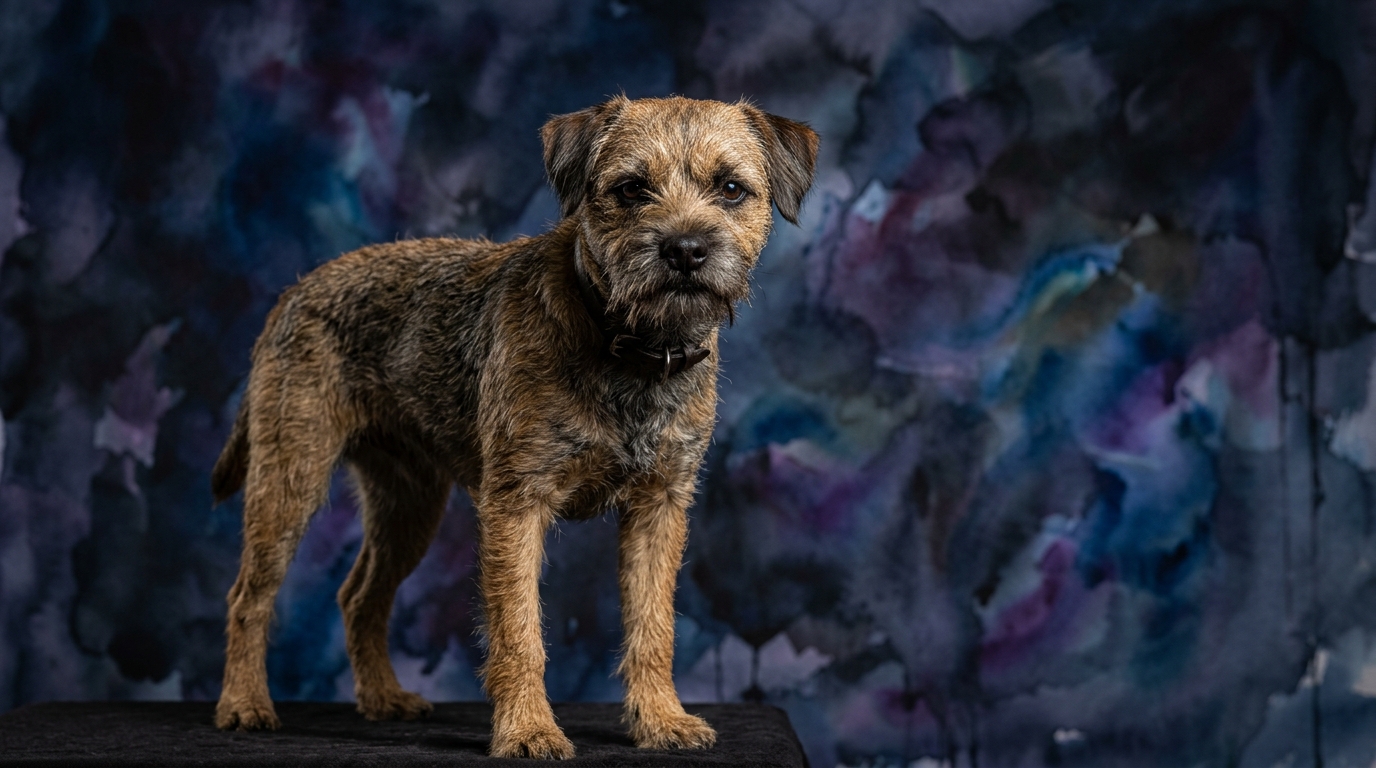
In contrast, the Border Terrier, with a significantly higher Coren rank of #30, demonstrates a more agile and adaptable cognitive makeup. Their Problem Solving earns a 4/5, signifying a resourceful and quick-thinking ability to overcome obstacles, often finding creative solutions. This quickness extends to their Training Speed, also rated 4/5, meaning they typically grasp new concepts rapidly and enjoy the mental engagement of learning. Like the Scottish Terrier, their Social Intelligence is 3/5; they are generally amiable and observant, though they maintain a terrier's characteristic independence. Their Instinctive Drive is also 3/5, reflecting a persistent and focused prey drive, which is a hallmark of their original working purpose. Crucially, their Memory is 4/5, indicating a strong capacity to recall past experiences, learned commands, and routines, making them reliable in retaining complex sequences.
Where the Scottish Terrier's Cognition Shines
While the Border Terrier generally scores higher in several metrics, the Scottish Terrier's unique cognitive blend offers distinct advantages, particularly for owners who appreciate a more self-contained companion. Their 3/5 in Social Intelligence, for example, can translate into a desirable independence; a Scottie is less likely to exhibit excessive clinginess or separation anxiety compared to breeds needing constant human validation. This self-sufficiency means they are often content observing their surroundings or engaging in solitary play without continuous direct interaction. Their methodical 3/5 Problem Solving, though not as rapid as a Border Terrier's, can be an asset in situations requiring sustained focus rather than immediate, impulsive action. A Scottie might take more time to assess a situation, leading to a thoughtful, rather than hasty, resolution. This deliberate approach often means they are less prone to impulsive decisions that could lead to mischief, offering a certain predictable calm to their cognitive processing.
Where the Border Terrier's Cognition Excels
The Border Terrier's cognitive strengths are evident in its higher scores across problem-solving, training speed, and memory, making it a highly adaptable and engaging companion. Their 4/5 Problem Solving score means they are adept at navigating novel situations and figuring out how things work, whether it's opening a gate or retrieving a toy from a tricky spot. This resourcefulness makes them excellent companions for owners who enjoy interactive puzzles and challenges. The 4/5 Training Speed highlights their eagerness and capacity to learn new commands quickly, which can make advanced obedience, agility, or other dog sports particularly rewarding. They often pick up cues after fewer repetitions, retaining them effectively. Coupled with a 4/5 Memory, Border Terriers show a superior ability to recall specific instructions, past experiences, and routines over longer periods. This strong memory contributes to their reliability in learned behaviors and their capacity to adapt seamlessly to changes in routine or environment, making them highly responsive to consistent training and environmental cues.
Training Dynamics: Patience vs. Engagement
The differences in Training Speed and Memory between these two breeds directly impact the training experience. The Border Terrier, with its 4/5 in both Training Speed and Memory, typically responds enthusiastically to training sessions. They enjoy the mental stimulation and the process of learning new tasks, often grasping concepts quickly and recalling them reliably. This makes them suitable for owners who wish to engage in varied training activities, from basic obedience to more complex dog sports, as their cooperative nature and retention facilitate progress. Their eagerness to please, combined with their quick wits, means a well-structured training program can yield impressive results efficiently, though their natural terrier persistence still requires firm, positive guidance.
Conversely, the Scottish Terrier's 3/5 in Training Speed and Memory suggests a more independent and sometimes selective approach to learning. While capable of understanding commands, a Scottie might decide if and when they wish to comply, often prioritizing their own agenda over immediate obedience. This doesn't mean they cannot be trained, but rather that training requires more patience, creativity, and a deep understanding of terrier motivation. Owners often find success by making training sessions fun, short, and highly rewarding, avoiding repetitive drills that can bore a Scottie. Their inherent stubbornness means consistency is paramount, and establishing a strong, trusting bond is key to encouraging their cooperation, ensuring they see the value in working alongside their human.
Matching Canine Cognition to Lifestyle
The cognitive profiles of the Scottish Terrier and Border Terrier lend themselves to different owner lifestyles. An active owner who enjoys outdoor adventures, dog sports like agility or earthdog trials, or who wants a dog that thrives on constant mental engagement might find the Border Terrier a more fitting companion. Their 4/5 Problem Solving and Training Speed means they excel when given tasks to complete and opportunities to learn, making them ideal partners for an owner seeking an interactive and responsive canine athlete or scholar. They need regular physical exercise and mental challenges to prevent boredom and channel their energy constructively. Their adaptability makes them good travel companions and able to adjust to various environments.
For a more relaxed owner who appreciates a dog with a dignified independence and a less frantic pace, the Scottish Terrier might be a better match. While they still require daily walks and mental enrichment, their 3/5 scores in various cognitive dimensions suggest they are less demanding in terms of constant, high-intensity mental stimulation. They are often content to observe and patrol their territory, providing a steady, self-assured presence. Owners who value a dog that isn't overly effusive but offers quiet companionship, and who are prepared to be patient and consistent with training, will appreciate the Scottie's unique charm. They thrive in homes where their independent spirit is respected, and their thoughtful nature is understood.
The Verdict
Choose the Scottish Terrier if you seek a self-reliant, dignified companion who offers quiet loyalty and whose independent nature you appreciate, understanding that training requires thoughtful consistency. Their methodical approach to life suits a home that values a calm, self-assured presence.
Opt for the Border Terrier if you desire a quick-witted, adaptable, and highly trainable partner eager for adventure and mental challenges. Their superior problem-solving and memory make them excellent for active owners who enjoy engaging in dog sports and continuous learning.
🧠 Find Your Pet's IQ Score
Our Pet IQ Lab assessment covers 25+ tests across 5 cognitive dimensions — personalized to your breed.
Take the Full IQ Test →Frequently Asked Questions
Which breed is generally easier to train for basic obedience?
The Border Terrier, with its 4/5 training speed and memory, is generally quicker to pick up and retain basic obedience commands. Their eagerness to learn and higher responsiveness make the training process typically more straightforward than with a Scottish Terrier.
Do Scottish Terriers or Border Terriers require more mental stimulation?
Border Terriers, with their higher problem-solving and training speed scores, generally require more consistent and varied mental stimulation to thrive. Scottish Terriers, while needing enrichment, are often content with a more independent pace, though they still benefit from engaging activities.
Which breed is more prone to independent thinking or stubbornness?
Both breeds possess a terrier's independent streak, but the Scottish Terrier's 3/5 training speed and problem-solving, compared to the Border Terrier's 4/5, often manifests as a more pronounced stubbornness or selective compliance in training situations. They prefer to work on their own terms more frequently.