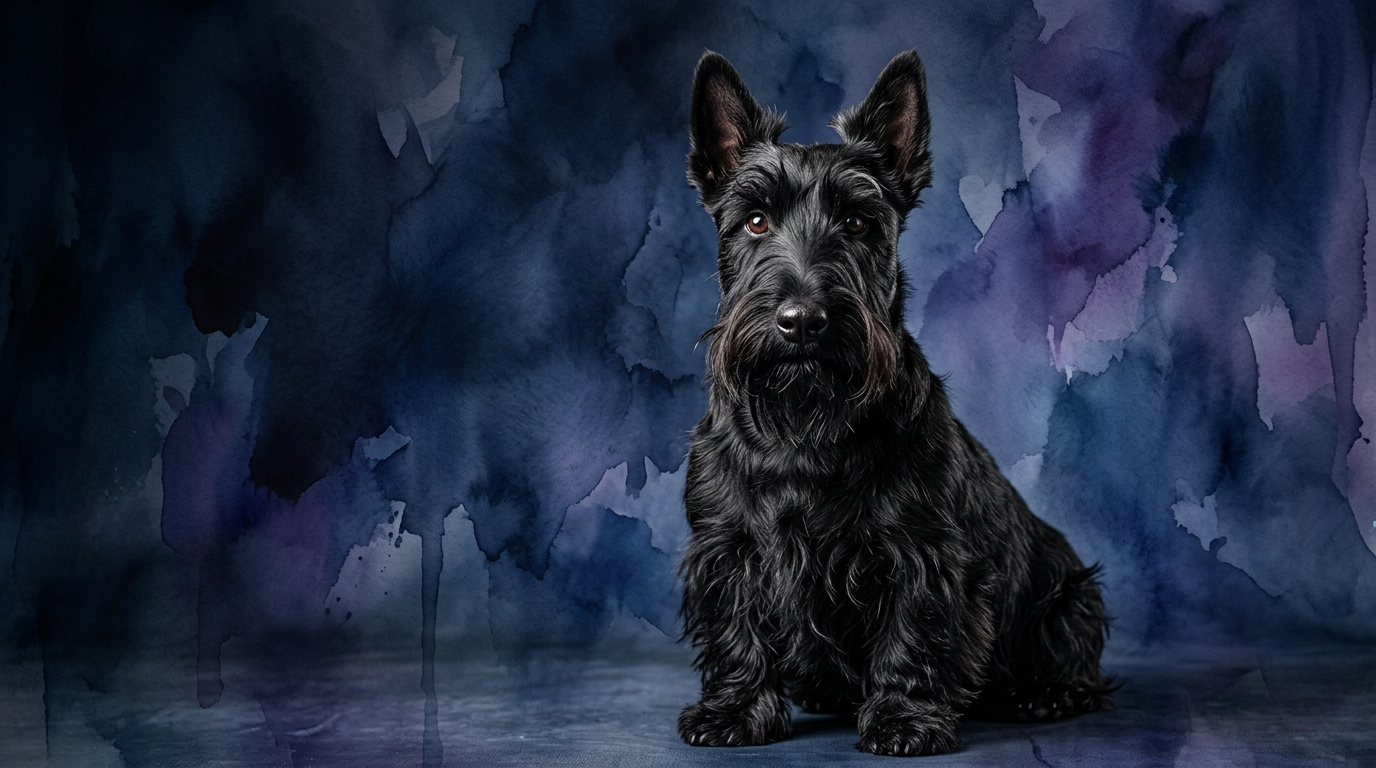
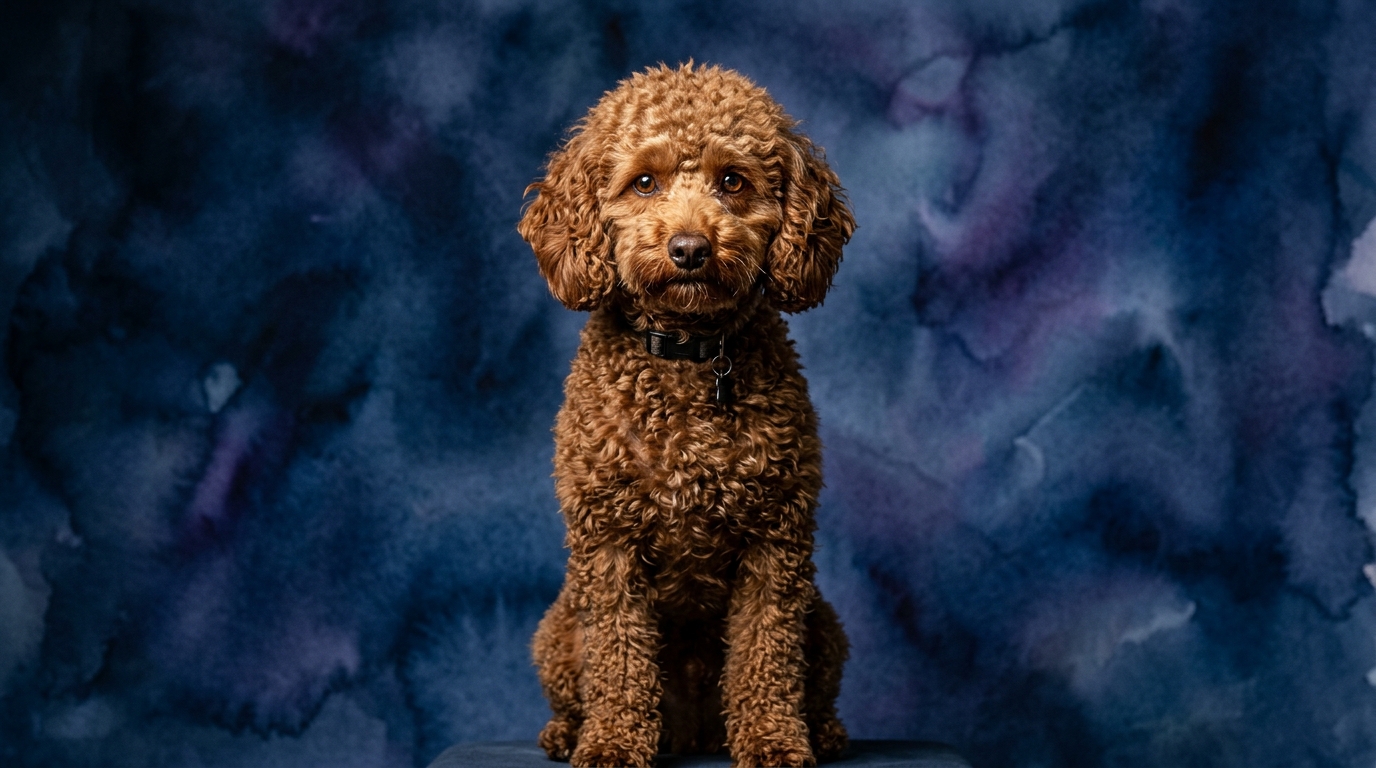
Side-by-Side IQ Profile: Scottish Terrier vs. Miniature Poodle
The Cosmic Pet Pet IQ Lab employs a multi-dimensional approach to assess canine intelligence, moving beyond a single 'smartness' metric. For the Scottish Terrier, ranked #65 on the Coren scale, their profile paints a picture of a balanced but self-reliant thinker: Problem Solving 3/5, Training Speed 3/5, Social Intelligence 3/5, Instinctive Drive 3/5, and Memory 3/5. This consistent scoring across the board suggests a dog that approaches tasks with a steady, perhaps deliberate, methodology, rather than an immediate, eager-to-please response. Their problem-solving might involve persistent exploration or trial-and-error, especially when motivated by their terrier instincts.
In stark contrast, the Miniature Poodle, a breed frequently celebrated for its cognitive abilities and ranked #2 on the Coren scale, presents a significantly different profile. Their scores are notably higher in several key areas: Problem Solving 5/5, Training Speed 5/5, Social Intelligence 3/5, Instinctive Drive 3/5, and Memory 5/5. These exceptional scores indicate a dog with a profound capacity for rapid learning, complex task comprehension, and remarkable retention of information. While their social intelligence and instinctive drive align with the Scottie, their superior problem-solving, training speed, and memory define a highly adaptable and mentally agile companion.
Where the Scottish Terrier Wins Cognitively
While the Miniature Poodle excels in traditional measures of learning, the Scottish Terrier possesses unique cognitive strengths that are invaluable in specific contexts. Their 3/5 score in Problem Solving, combined with a robust Instinctive Drive, manifests as a focused, persistent determination to accomplish tasks they deem important. This isn't about rapid, generalized learning, but rather a tenacious, self-directed approach to challenges, particularly those related to their terrier heritage like investigating scents or navigating tight spaces. A Scottie might not immediately follow a complex command, but they can display remarkable ingenuity in independently achieving their own objectives, such as finding a way to their favorite sun spot or outsmarting a squirrel.
Furthermore, the Scottie's balanced 3/5 in Social Intelligence, coupled with their independent nature, means they aren't overly reliant on constant human direction or approval. This self-possession can be a cognitive advantage for owners who appreciate a dog capable of making its own reasoned decisions within its environment, rather than constantly seeking guidance. Their memory, while rated 3/5, is often highly selective, focusing on experiences and routines that truly matter to them, leading to a profound understanding of their immediate world and the people within it, even if they don't retain an extensive repertoire of formal commands.
Where the Miniature Poodle Wins Cognitively
The Miniature Poodle's cognitive strengths are evident in their exceptional scores, particularly their 5/5 in Problem Solving, Training Speed, and Memory. These traits combine to create a dog that is not only quick to grasp new concepts but also adept at applying learned information to novel situations. Their problem-solving prowess means they can quickly assess an environment, understand cause-and-effect, and devise solutions, whether it's figuring out how to open a cabinet or mastering an intricate agility course. This mental flexibility makes them highly adaptable and capable of thriving in diverse learning environments.
Their 5/5 Training Speed is a testament to their eagerness to engage and their ability to form rapid associations between commands and actions. This isn't just about learning basic obedience; it extends to complex trick training, competitive dog sports, and even service dog work, where multi-step commands and subtle cues are paramount. Coupled with a 5/5 Memory, Miniature Poodles retain vast amounts of information over long periods, allowing them to build an extensive behavioral repertoire and consistently perform tasks they've learned, making them incredibly reliable and responsive companions.
Which is Easier to Train and Why?
Based on the Pet IQ Lab scores, the Miniature Poodle is undeniably easier to train, primarily due to their 5/5 Training Speed and 5/5 Memory. Poodles exhibit a strong desire to engage with their handlers, often perceiving training as a collaborative game. They pick up new commands with remarkable swiftness, frequently anticipating the next step in a sequence. Their high problem-solving ability also means they can generalize learned behaviors to new contexts, requiring fewer repetitions and making them highly adaptable to various training methodologies. This responsiveness makes them a rewarding partner for anyone interested in advanced obedience, trick training, or dog sports.
The Scottish Terrier, with a 3/5 in Training Speed, presents a different training dynamic. Scotties possess an independent spirit and a strong sense of self-preservation, often requiring a clear understanding of 'what's in it for me?' before committing to a command. Their training requires patience, consistency, and a deep understanding of their terrier motivations. While they are capable of learning, they may take longer to master new behaviors and might occasionally choose to prioritize an interesting scent or their own agenda over a handler's request. Effective Scottie training often leverages positive reinforcement, making the desired action more appealing than their natural instincts, and building a strong, trusting relationship.
Which Suits Active Owners vs. Relaxed Owners?
The Miniature Poodle, with its high problem-solving and memory scores, thrives with owners who can provide consistent mental stimulation. This doesn't necessarily mean constant physical exertion, but rather engaging activities like advanced obedience, puzzle toys, trick training, or dog sports such as agility or rally. An active owner for a Poodle is one who is prepared to challenge their dog's intellect daily, preventing boredom and potential destructive behaviors. They are an ideal match for individuals who enjoy teaching new skills and fostering a mentally engaged companion.
The Scottish Terrier can suit both active and more relaxed owners, depending on how 'active' is defined. Their 3/5 Instinctive Drive means they appreciate regular physical activity like walks, especially those involving interesting scents to explore, or opportunities for digging in a designated area. For relaxed owners, a Scottie's independent nature can be a benefit; they are often content to observe or entertain themselves after their exercise needs are met, without constantly demanding complex mental tasks. However, even a relaxed owner must ensure their Scottie receives consistent exercise and mental engagement tailored to their terrier instincts to maintain a balanced temperament.
The Verdict
Choose the Scottish Terrier if you appreciate an independent, self-possessed companion with a tenacious spirit and are prepared for consistent, patient training tailored to their unique motivations.
Opt for the Miniature Poodle if you seek a highly responsive, adaptable dog eager to learn complex tasks and thrive on consistent mental challenges and engagement.
🧠 Find Your Pet's IQ Score
Our Pet IQ Lab assessment covers 25+ tests across 5 cognitive dimensions — personalized to your breed.
Take the Full IQ Test →Frequently Asked Questions
Do Scottish Terriers struggle with training?
Scottish Terriers don't struggle with training in terms of capacity, but their independent nature and strong instincts mean they require more patience and consistency. They learn best with positive reinforcement and when they perceive a clear benefit to complying, rather than simply seeking to please.
How much mental stimulation does a Miniature Poodle need?
Miniature Poodles require significant daily mental stimulation due to their high problem-solving and memory capabilities. This can include regular training sessions, puzzle toys, interactive games, or participation in dog sports to keep their minds engaged and prevent boredom.
Are Scottish Terriers good with other pets?
Scottish Terriers can coexist with other pets, especially if socialized from a young age, but their terrier instincts might lead them to chase smaller animals. Introductions should be carefully managed, and their strong prey drive should always be considered around cats or pocket pets.