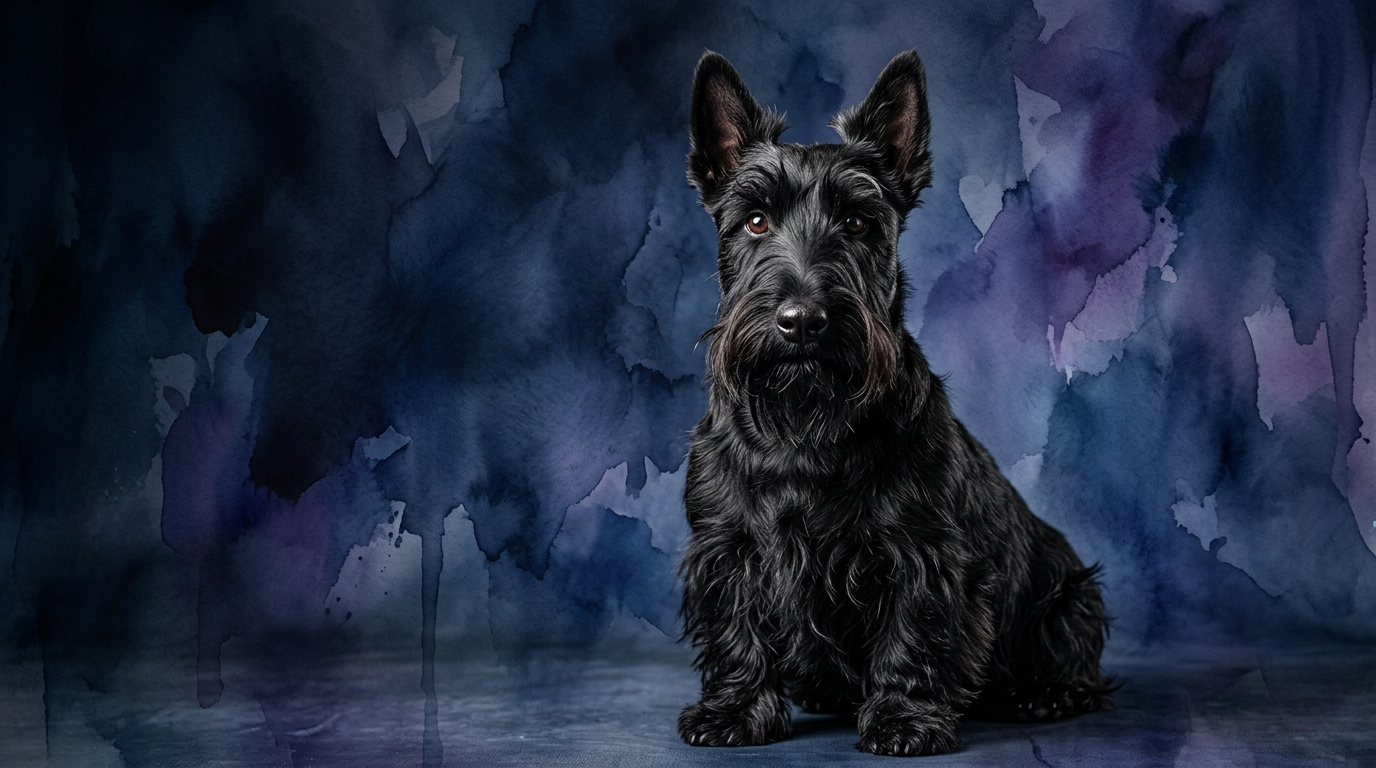
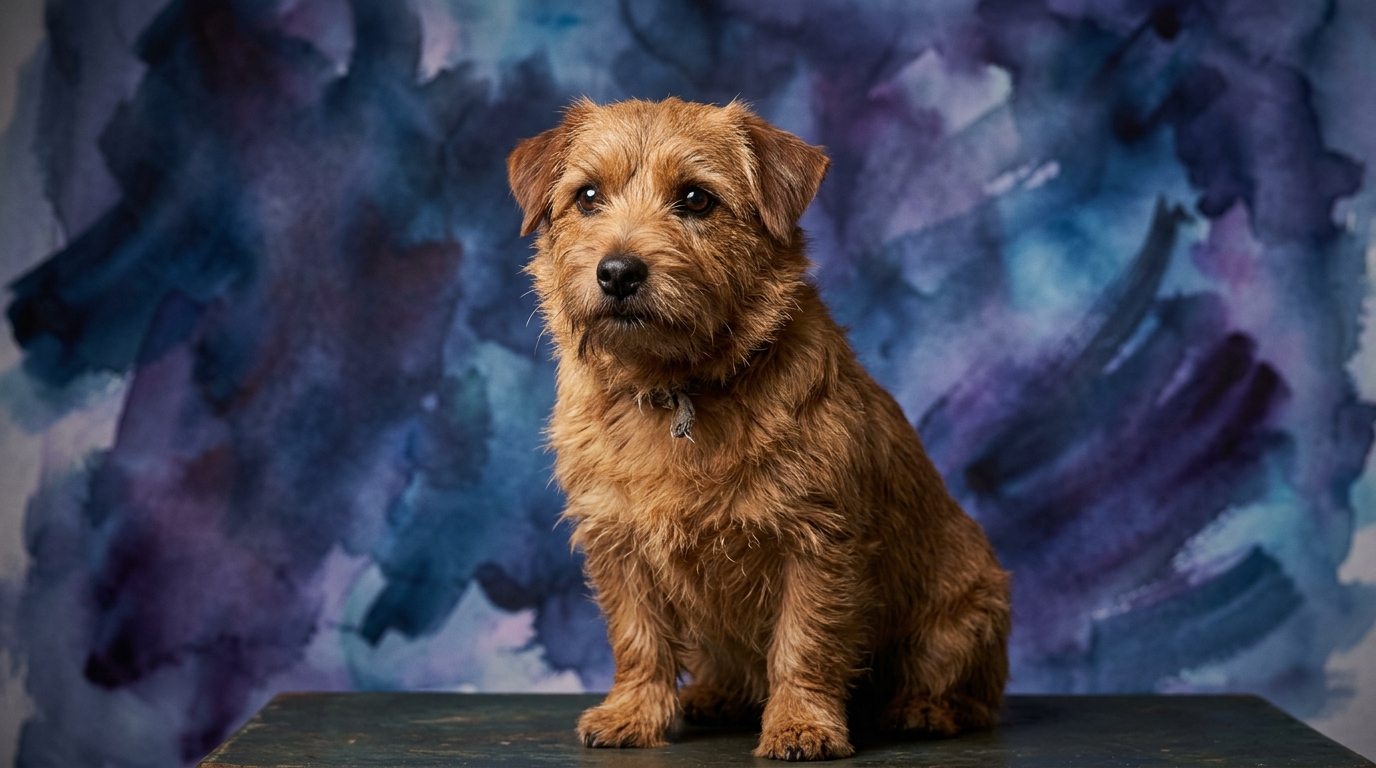
Side-by-Side IQ Profile: A Closer Look
At first glance, The Cosmic Pet Pet IQ Lab's assessment places both the Scottish Terrier and the Norfolk Terrier on an even playing field across five key cognitive dimensions, each scoring a 3 out of 5. This identical numerical rating, however, belies the distinct ways these breeds apply their inherent cognitive capacities.
For Problem Solving (3/5), the Scottish Terrier demonstrates a moderate capacity for navigating novel challenges, often employing a tenacious, persistent approach rather than immediate innovation. Their problem-solving might be driven by a singular focus on achieving a desired outcome, even if it requires repeated attempts. The Norfolk Terrier, also at 3/5, exhibits a moderate aptitude for solving puzzles, often approaching new situations with an eager, exploratory curiosity. Their problem-solving style is typically more experimental and adaptable, seeking various solutions until one works.
In Training Speed (3/5), the Scottish Terrier learns new commands at a moderate pace, but their independent nature often means compliance is a choice rather than an automatic response. Effective training requires consistent motivation and a firm yet fair approach to overcome their inherent stubbornness. The Norfolk Terrier, also a 3/5, shows a moderate speed in acquiring new behaviors, generally more amenable to instruction due to their desire to please and less pronounced stubbornness than some terriers. However, their enthusiasm can sometimes lead to distractibility in training environments.
Social Intelligence (3/5) in the Scottish Terrier means they possess a moderate ability to interpret human cues and form deep, discerning bonds, often reserved with strangers but intensely loyal to their chosen few. Their social interactions are thoughtful, and they may take time to assess new people or situations. The Norfolk Terrier, also at 3/5, displays a moderate understanding of social dynamics, typically more outgoing and universally friendly, eager to engage with family members and often welcoming to newcomers. They thrive on companionship and are generally adept at navigating social situations with their amiable disposition.
Regarding Instinctive Drive (3/5), the Scottish Terrier manifests a moderate innate drive for traditional terrier activities like digging, chasing small prey, and alerting. This drive is often focused and purposeful, reflecting their historical role as vermin hunters, and requires appropriate outlets to manage. The Norfolk Terrier, also a 3/5, shows a moderate instinctive drive, encompassing a keen interest in exploring, scenting, and engaging in playful 'hunt' activities. Their drive is often expressed with a cheerful, energetic enthusiasm, requiring regular physical and mental stimulation.
Finally, for Memory (3/5), the Scottish Terrier retains information and routines well, remembering commands, experiences, and the consequences of past actions. This memory contributes to their consistent behavior patterns and their ability to learn from both positive and negative encounters. The Norfolk Terrier, also with a 3/5 memory, possesses a moderate memory for commands, routines, and social interactions, quickly recalling who their friends are and which activities bring them joy. Their memory supports their adaptability and ability to learn and thrive in various environments.
Where the Scottish Terrier Demonstrates Unique Cognitive Strengths
While both breeds share identical 3/5 scores, the Scottish Terrier exhibits particular cognitive advantages rooted in its distinct temperament and historical recognition. A significant differentiator is the Scottish Terrier's Coren ranking of #65, a measure that assesses a breed's working and obedience intelligence based on its ability to learn new commands and obey them on the first or second try. This formal recognition suggests a structured cognitive capacity for understanding and executing commands more reliably in specific training contexts, even if their independence sometimes overrides immediate compliance. The Norfolk Terrier, lacking a Coren rank, has not been formally assessed in this specific obedience framework.
The Scottish Terrier's inherent tenacity, a hallmark of the breed, translates into a cognitive strength when applied to problem-solving (3/5). While not always seeking the most direct path, their unwavering persistence allows them to methodically work through challenges that might deter a less determined dog. This means they are less likely to give up on a puzzle or a desired outcome, often demonstrating a focused, sustained effort until success is achieved. This deep-seated resolve allows them to apply their moderate problem-solving skills with a unique kind of grit.
Furthermore, their discerning social intelligence (3/5) often manifests as a highly specialized bond. A Scottish Terrier may take longer to assess new individuals, but once trust is earned, they develop an acute sensitivity to their primary owner's moods and routines. This results in a nuanced understanding of their specific household environment, allowing them to anticipate familiar patterns and react with a thoughtful, often protective, loyalty. This selective social processing can lead to a profound, albeit exclusive, cognitive connection.
Where the Norfolk Terrier Shines Cognitively
The Norfolk Terrier, while sharing the 3/5 scores, offers a different set of cognitive advantages, primarily stemming from its more universally affable and adaptable nature. Their strong social intelligence (3/5) often expresses itself as a quicker, more open assessment of new people and situations. Unlike the Scottish Terrier's more reserved approach, the Norfolk Terrier tends to process new social stimuli with less hesitation, making them generally more welcoming and less prone to suspicion. This cognitive flexibility allows them to integrate smoothly into diverse social settings.
Their general cheerfulness and pronounced curiosity contribute significantly to their problem-solving (3/5 approach. A Norfolk Terrier is often more eager to engage with novel objects or puzzles, driven by an intrinsic desire to explore and understand. This translates into a more experimental and playful cognitive style when faced with challenges, making them appear more enthusiastic about mental stimulation and learning new games. They are often quicker to try different approaches to a problem, leveraging their adaptable mindset.
The Norfolk Terrier's adaptability extends beyond social interactions to their overall cognitive processing of new environments and routines. While both breeds have 3/5 memory, a Norfolk's cheerful disposition and lower tendency towards stubbornness can make them appear to adjust more seamlessly to changes in their daily lives. They are often less perturbed by shifts in schedule or location, suggesting a cognitive resilience that allows them to process and accept new circumstances with relative ease, making them excellent companions for varied lifestyles.
Ease of Training: Behavioral Nuances Beyond the Numbers
With identical Training Speed scores of 3/5, the perceived ease of training for Scottish and Norfolk Terriers diverges due to their inherent behavioral differences. The Scottish Terrier's training journey is often characterized by its independence and a strong sense of self. They possess a clear understanding of commands but frequently exercise their prerogative to comply, or not, based on their immediate motivation or perceived benefit. This stubborn streak, while not indicative of a lack of cognitive ability, means that training requires exceptional patience, consistency, and highly engaging, positive reinforcement methods to keep their attention and foster willing participation. Their 3/5 memory ensures they remember both what they've learned and what they've successfully gotten away with, making early consistency paramount.
The Norfolk Terrier, on the other hand, is generally regarded as more eager to please, which can make their 3/5 training speed feel more manageable for owners. Their social intelligence (3/5) means they are often more attuned to human approval and respond positively to praise, making them generally more receptive to instruction. However, their enthusiastic and sometimes distractible nature can present its own challenges; they might learn quickly but struggle to maintain focus in stimulating environments. Successful training for a Norfolk involves making lessons fun, varied, and keeping sessions relatively short to accommodate their energetic curiosity and prevent boredom.
Matching Breeds to Owner Lifestyles: Active vs. Relaxed
The cognitive profiles of these terriers suggest different ideal matches for owner lifestyles, moving beyond simple energy levels to consider mental engagement. The Scottish Terrier, with its 3/5 problem-solving and instinctive drive, thrives with owners who appreciate a dignified companion but are prepared to offer consistent mental stimulation and moderate, structured physical activity. They are suited for owners who enjoy routine, engaging in puzzle toys, regular walks with opportunities for sniffing, and perhaps consistent, brain-teasing training sessions. While they can be calm indoors, their cognitive needs demand thoughtful engagement rather than constant high-energy play, making them ideal for owners who are 'active' in terms of mental enrichment and routine rather than purely physical exertion.
The Norfolk Terrier, generally more outgoing and adaptable, suits owners who lead a moderately active and varied lifestyle. Their 3/5 social intelligence and curiosity make them keen companions for adventures, whether it's exploring new parks, meeting new people, or participating in family outings. They enjoy regular walks, interactive play, and benefit from exposure to different environments that satisfy their exploratory instincts (3/5 instinctive drive). While they don't typically require extreme athletic demands, they are happiest when included in family activities and appreciate owners who can provide consistent interaction and engagement, making them a good fit for owners seeking an interactive and adaptable companion.
The Verdict
For owners who appreciate a dignified, independent companion with a discerning personality, a Scottish Terrier offers a deep, loyal bond and a rewarding challenge in consistent training, thriving on routine and clear expectations.
For those seeking a cheerful, adaptable, and generally more outgoing terrier, the Norfolk Terrier provides a lively, engaging presence, eager to participate in family activities and embrace new experiences with enthusiasm.
🧠 Find Your Pet's IQ Score
Our Pet IQ Lab assessment covers 25+ tests across 5 cognitive dimensions — personalized to your breed.
Take the Full IQ Test →Frequently Asked Questions
Are Scottish Terriers difficult to train?
While Scottish Terriers possess a 3/5 training speed, their independent nature and strong will can make training require patience and consistency. They learn commands effectively but may choose to comply based on their own assessment, making positive reinforcement and engaging methods crucial.
How do Norfolk Terriers interact with children or other pets?
Norfolk Terriers, with their 3/5 social intelligence, are generally affable and adaptable, often getting along well with respectful children and other pets. Early socialization is key to fostering these positive interactions, leveraging their curious and outgoing disposition.
What kind of mental stimulation do these breeds need?
Both breeds have 3/5 problem-solving and instinctive drive, requiring regular mental engagement. Puzzle toys, scent work, short training sessions, and supervised digging opportunities can satisfy their terrier instincts and keep their minds active, preventing boredom-related behaviors.